We use essential cookies to make the site work. We would also like to set analytics cookies and advertising cookies, but only if you agree. You can choose each one separately. Read our cookie policy
Loading
Recipes
Browse the archive by country, course and cooking time.
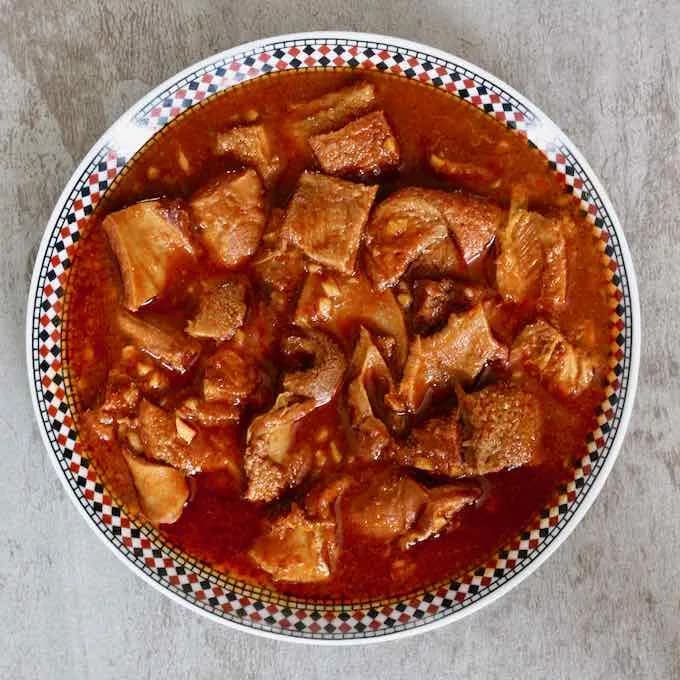
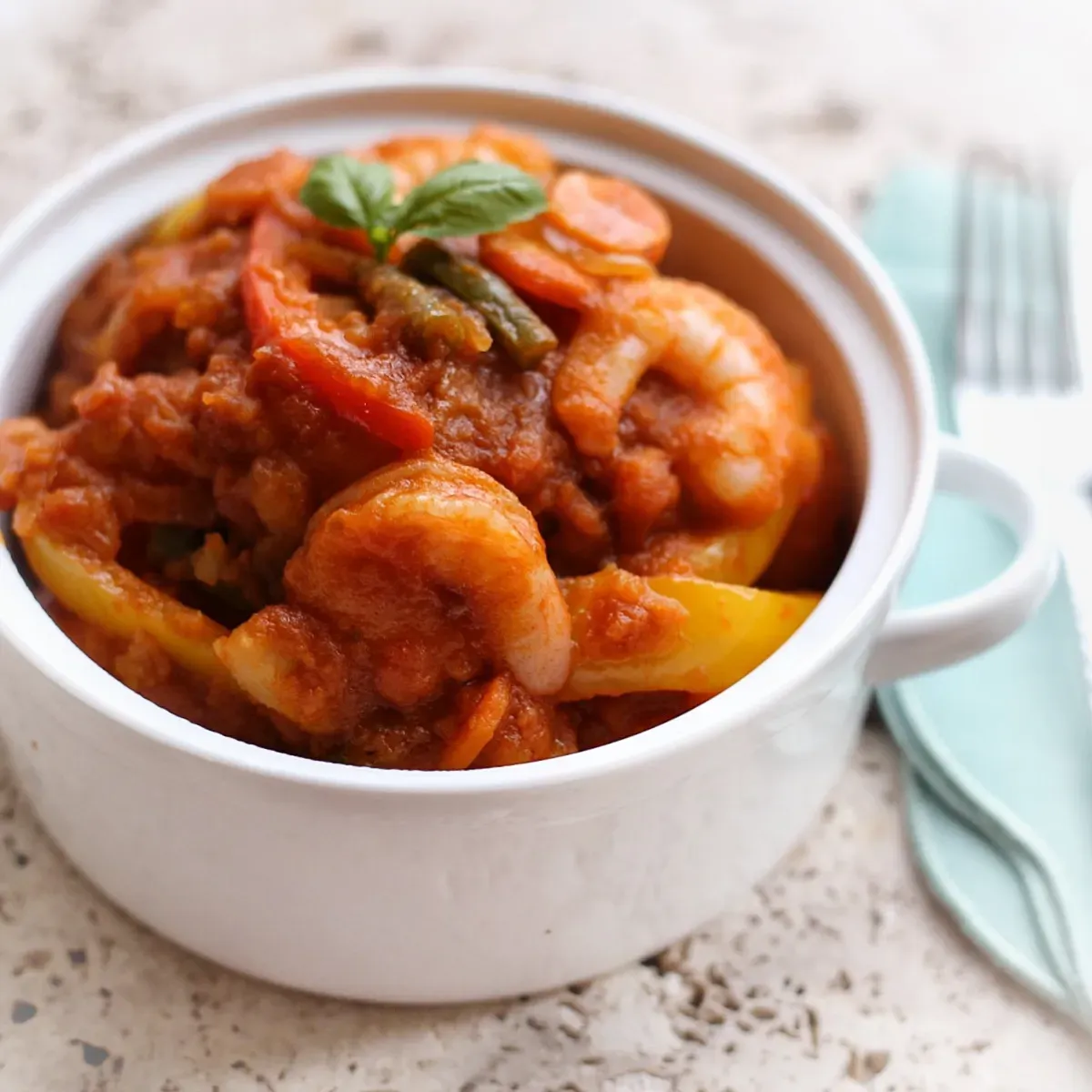
Akod is a tripe dish and it is the emblematic dish of Tunisian Jewish cooking. Beef tripe and a cow's trotter are cleaned, blanched through several changes of water, then cooked for hours with garlic, cumin, tomato paste and harissa until the sauce is thick and the tripe has surrendered completely.
Its place is at the kemia, the Tunisian Jewish spread of small dishes that opens a meal, alongside banatages, briks, fricassés and minina. A host laying out a proper kemia would be expected to have made it. Tunisian Jewish cooking developed over centuries in Tunisia and has since largely relocated to France and Israel with the community, which makes recording dishes like this more urgent than recording better travelled ones.
The wider family is large and worth knowing. Moroccan douara, also called t'qualia or kercha, uses mutton tripe. Algerian bakbouka includes carrots, courgette and chickpeas. Chkamba in Oran and chmenka in Tunisia are seasoned differently again, and the Moroccan Jewish version, tajine al guezar, meaning the butcher's pot, uses cumin and paprika without tomato paste and is cooked for close to ten hours over coals at Pesach. Offal has fallen out of favour with younger generations across the region, which the source for this recipe notes with some regret.
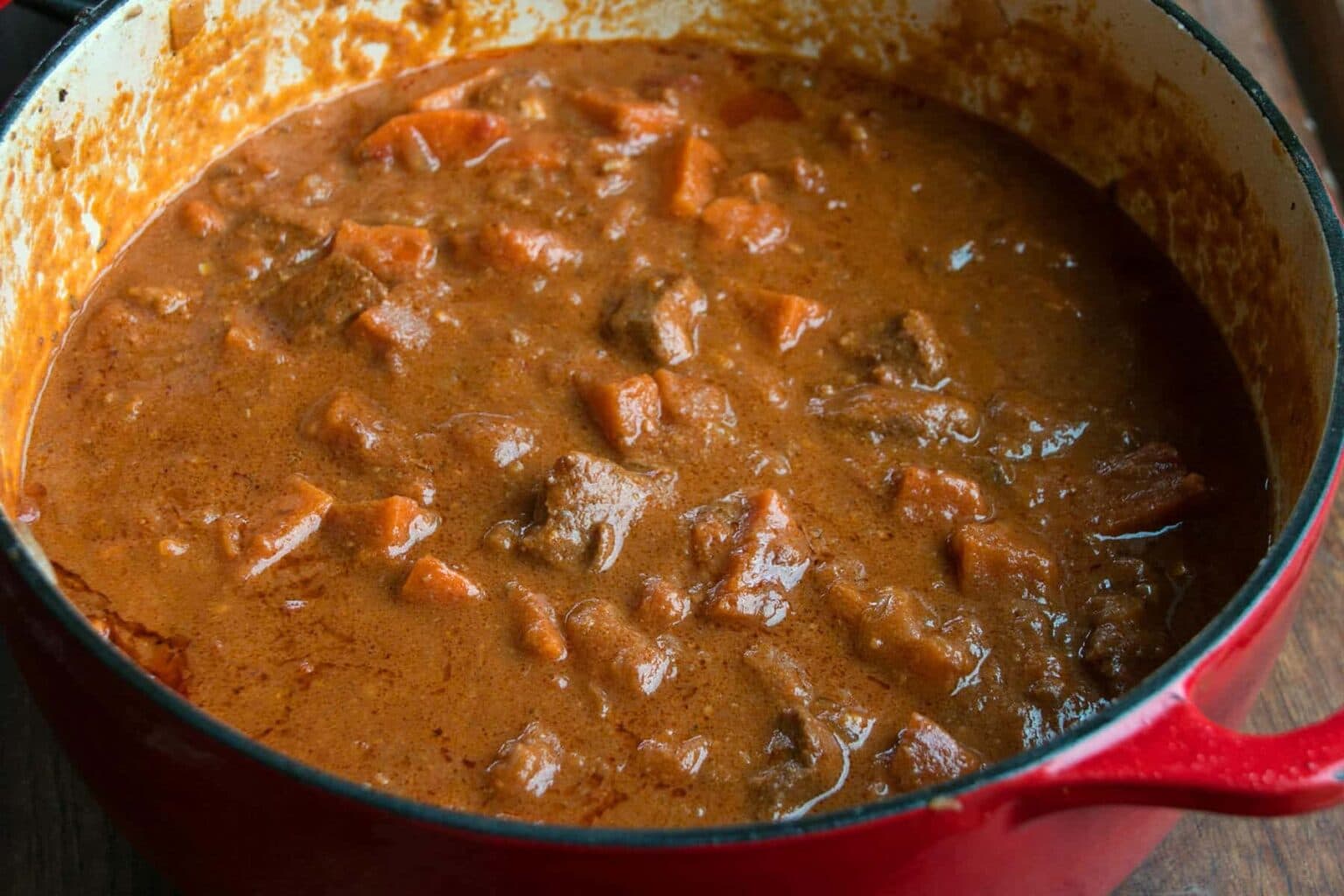
Domada, also written Domoda, is Gambia's national dish and one of West Africa's most comforting stews, a rich, thick groundnut (peanut) based stew cooked with chicken or beef, tomatoes, sweet potato, and cabbage. The peanut paste dissolves into the broth as it cooks, creating a silky, deeply flavoured sauce that coats every piece of protein and vegetable in the pot. The dish belongs to the family of West African groundnut soups found across Senegal, Ghana, Nigeria, and Cameroon, but Domada has its own character, sweeter from the potato, more mellow than the spicier Ghanaian versions, and always generous in the quantity of groundnut used. In Gambia it is eaten at celebrations, family gatherings, and as everyday home cooking.
Dried white beans cooked until tender, then finished with red onion and sliced tomatoes into a thick, soupy stew. It is Malagasy, and it is served everywhere on the island.
It is laoka, which is the useful word here. In Malagasy eating, rice is the meal and laoka is whatever accompanies it, the thing that goes on top of, or beside, a large plate of rice. Tsaramaso is one of the most popular laoka in the country, and it is eaten as a matter of course rather than as an occasion dish.
It is very often not vegetarian. Zebu meat, the humped cattle that are central to Malagasy life, makes it hen'omby sy tsaramaso, and pork makes it tsaramaso sy henakisoa. The shank is the cut the source recommends. This version is the plain one, which is also widely eaten.
The technique in the recipe is worth noting: the beans are cooked separately in water, seasoned only at the end, and a cup of their cooking liquid is kept back. That liquid is what the finished stew is loosened with, and it carries starch and flavour that plain water would not.
The source compares it to cassoulet, which is a reasonable shorthand, beans and meat cooked long and slow, though the seasoning is entirely different.
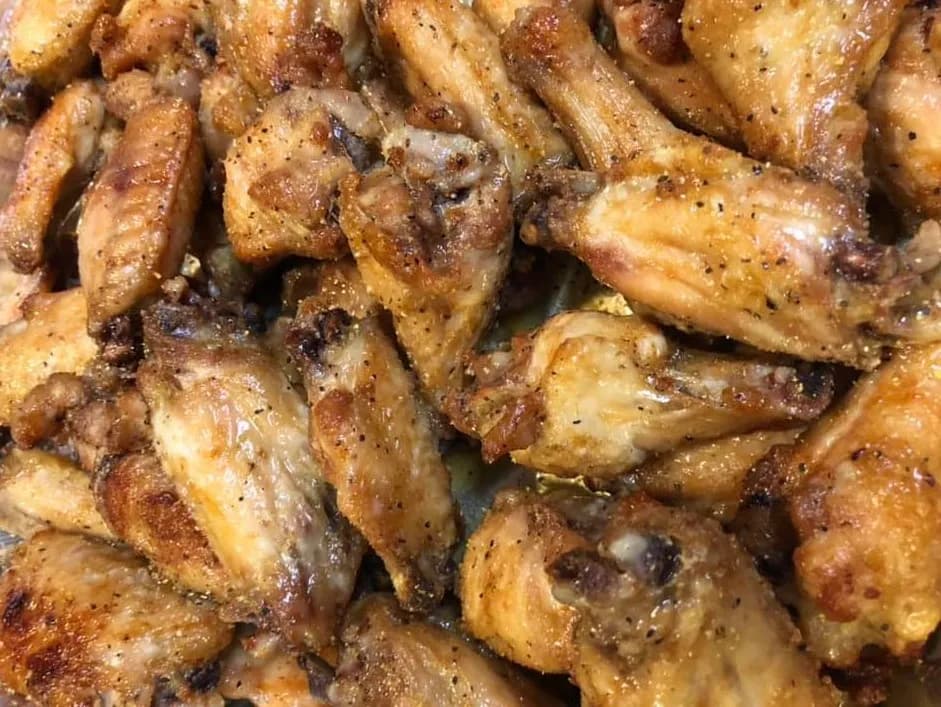
Chicken marinated for at least twelve hours in yoghurt, paprika, cayenne, garlic and ginger, then roasted hot on a rack. No country is named, though the ginger-and-garlic-heavy marinade points broadly towards South Asian and East African cooking.
The yoghurt marinade is doing real chemical work rather than just adding flavour. Its lactic acid tenderises the meat gently, which is quite different from how a lemon or vinegar marinade behaves, acid marinades are harsher and can turn the surface chalky if left too long, whereas yoghurt can sit for a full day without damage. Yoghurt also clings to the chicken where a thin marinade runs off, so the spices stay on the meat rather than pooling in the dish.
Two things in the method are better than they look. The rack over a foil-lined pan lets air circulate underneath, so the chicken roasts on all sides instead of stewing in its own juices, the difference between roast chicken and half-braised chicken. And leaving the oven door shut is not fussiness: opening it repeatedly drops the temperature and the browning stalls.
The marinade ingredients are not separated from the rest in the source, and the ingredient list contains no marinade heading at all. Everything except the oil goes into the marinade.
Its gluten-free and low-calorie claims have not been carried across as claims.
Dietary tags are provided by contributors as a guide, not verified by AFN, and they depend on the products you buy. If you have a serious allergy, check every ingredient yourself. Cooking, allergies and your own judgement