Pork Fried Rice
1 hr 5 minEasy


Cookies on African Food Network
We use essential cookies to make the site work. We would also like to set analytics cookies and advertising cookies, but only if you agree. You can choose each one separately. Read our cookie policy
Browse the archive by country, course and cooking time.
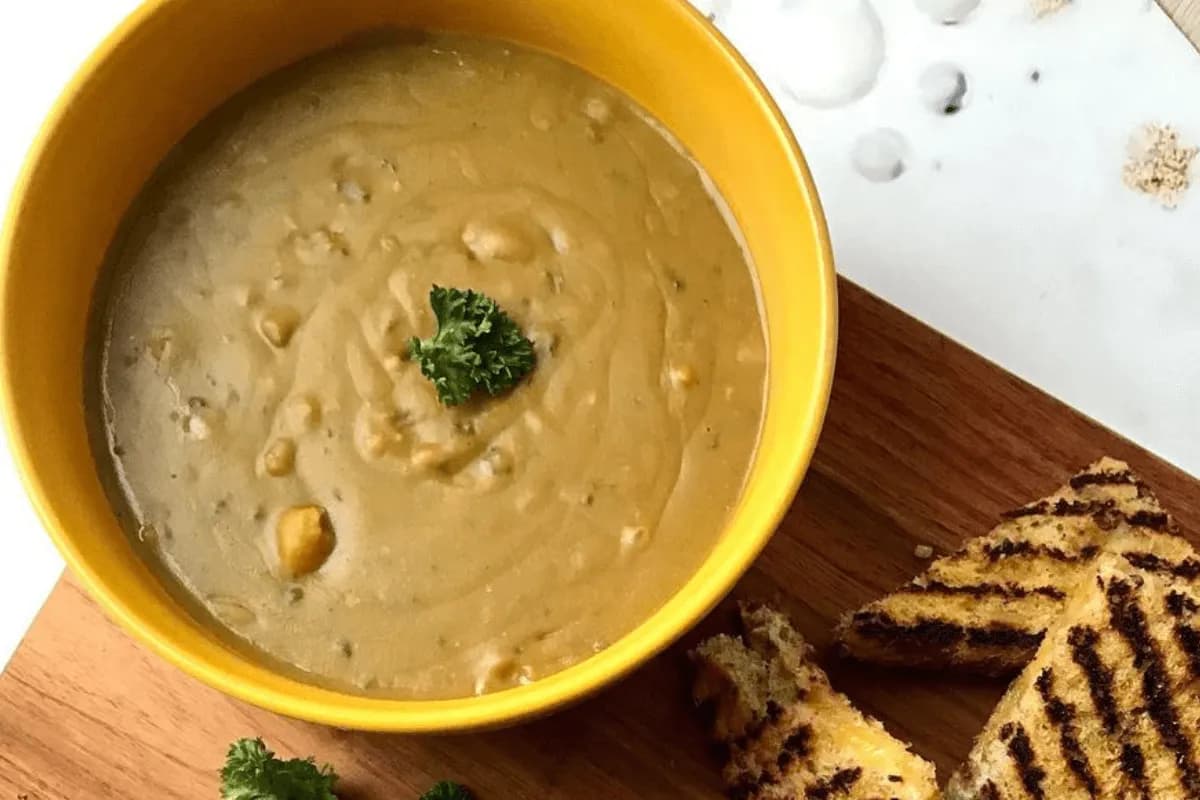
Split pea soup is South African winter food, and it belongs to the same domestic tradition as sugar bean soup and other legume stews made to get a household through cold months cheaply. Split peas are ordinary peas dried and split along their natural seam, which lets them break down into a thick purée rather than staying whole. It is usually built on a meat base. Beef bones are the most common choice for the depth they give, though this version uses chicken drumsticks simmered first so their flavour goes into the water the peas then cook in. A meat free version is entirely possible and is made, but most South African households treat the meaty stock as the point of it. What it is served with is not negotiable in the households that make it: bread spread generously with margarine, or hot pap. It is the kind of dish that attaches itself to particular people and particular kitchens, and the contributor who submitted it describes it as their late grandmother's winter standby, made when the grandchildren visited during school holidays. That is how most South Africans encounter it.
Highest Rated
55 minEasySouth Africa
Recipe by Tshego Stone · Africook


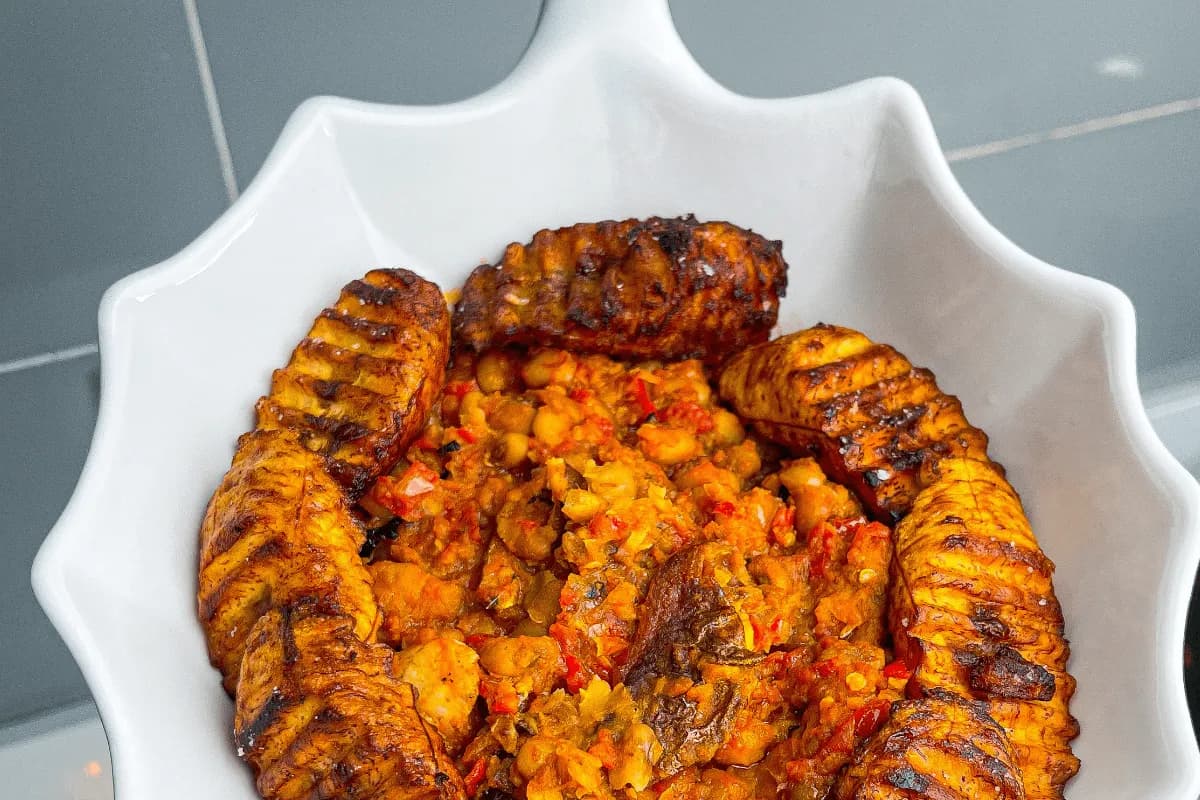
Dishes passed down through generations
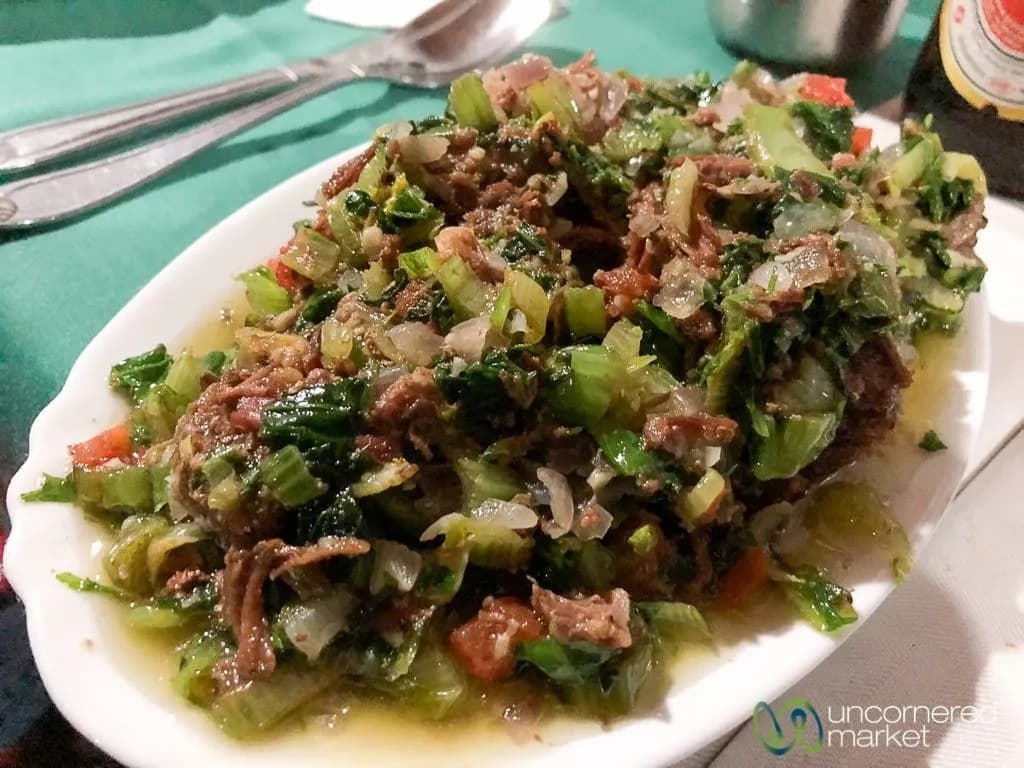 Romazava1 hr 15 min · East Africa
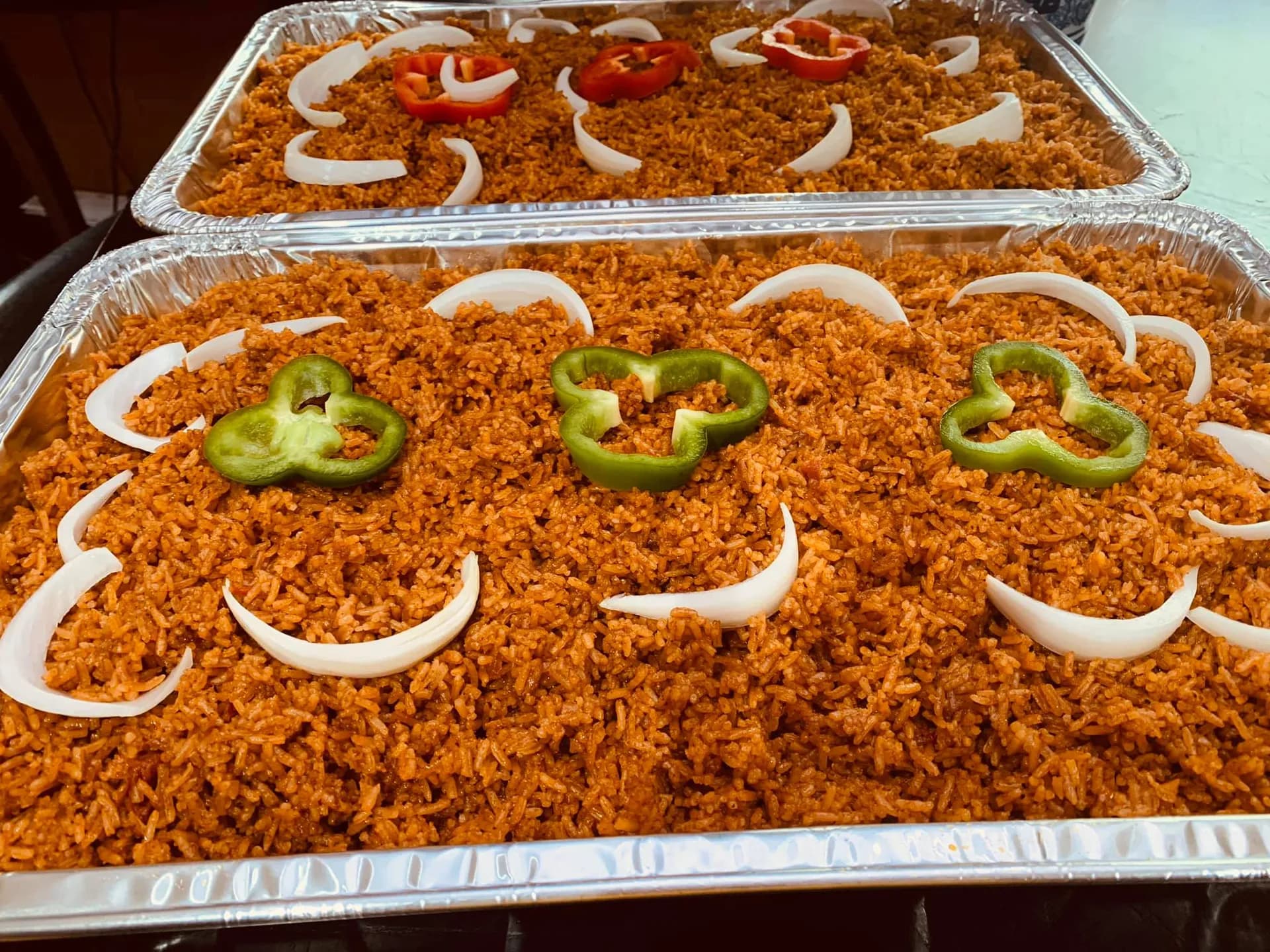 Ghana Jollof Rice1 hr 20 min · West Africa
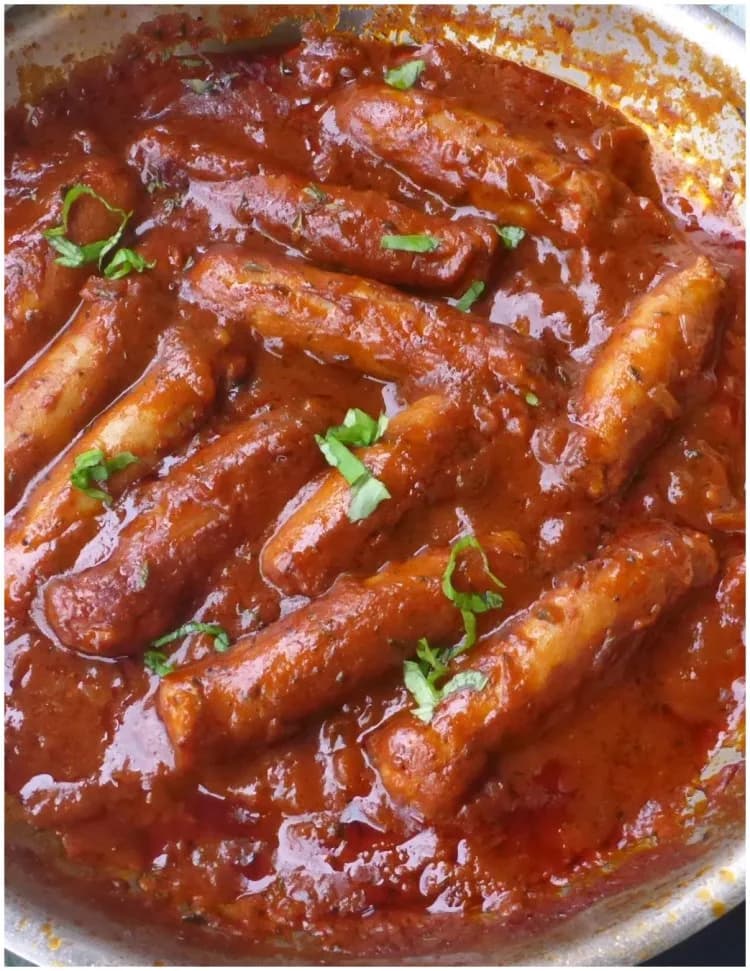 Boerewors Stew30 min · Southern Africa
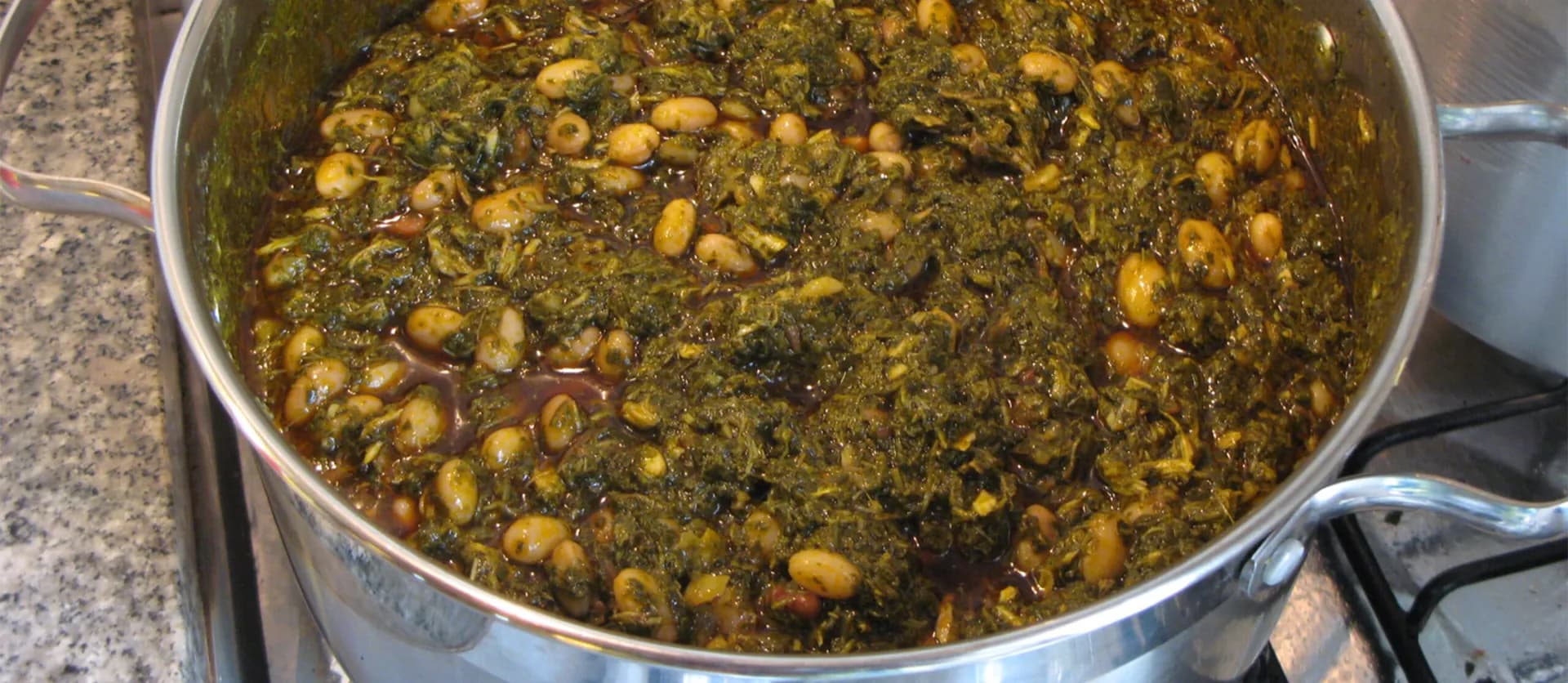 KizacaCentral Africa
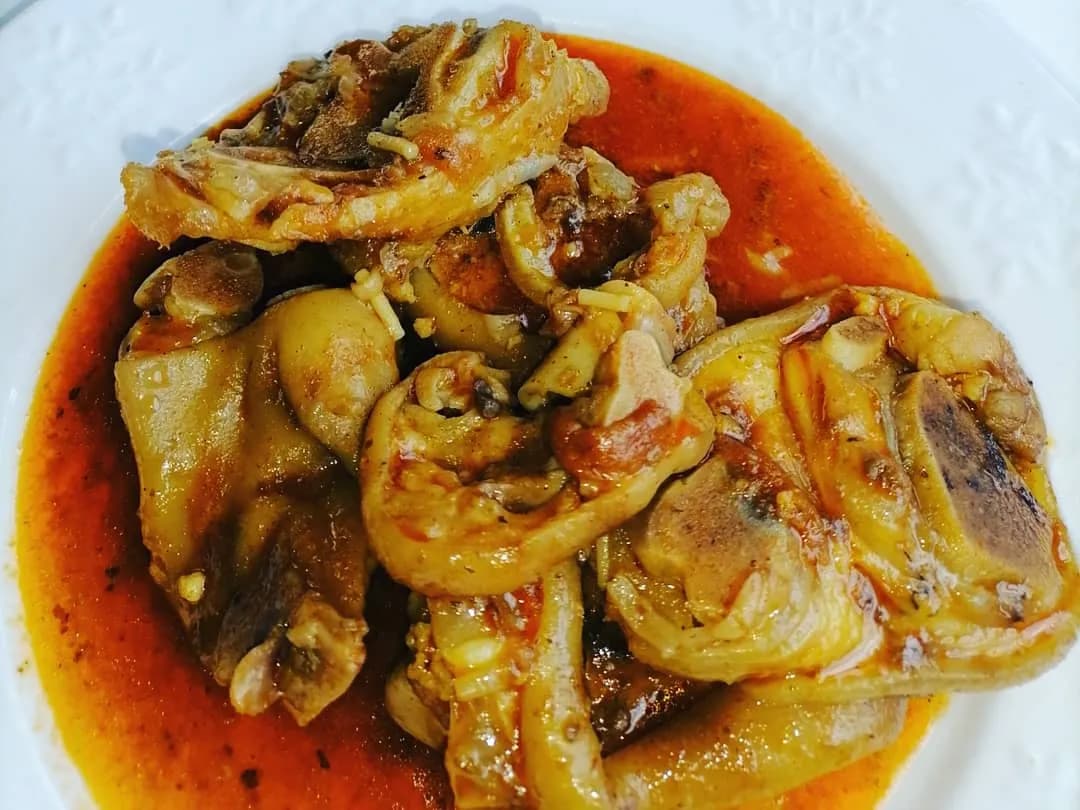 Pork Trotters3 hr 35 min · Southern Africa
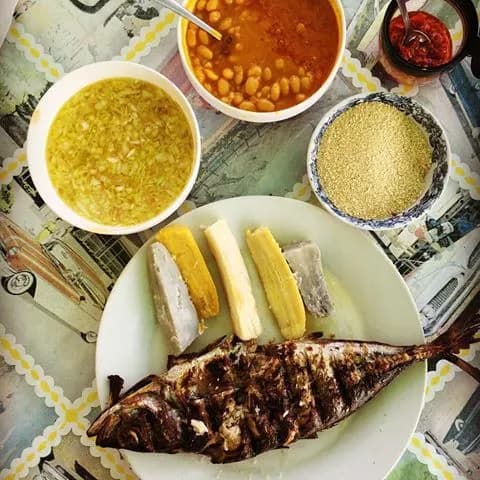 Mufete3 hr 20 min · Central Africa
 Samp and Beans (Umngqusho)2 hr 50 min · Southern Africa
 Yassa Fish and Shrimp40 min · West Africa
Dietary tags are provided by contributors as a guide, not verified by AFN, and they depend on the products you buy. If you have a serious allergy, check every ingredient yourself. Cooking, allergies and your own judgement