We use essential cookies to make the site work. We would also like to set analytics cookies and advertising cookies, but only if you agree. You can choose each one separately. Read our cookie policy
Loading
Recipes
Browse the archive by country, course and cooking time.
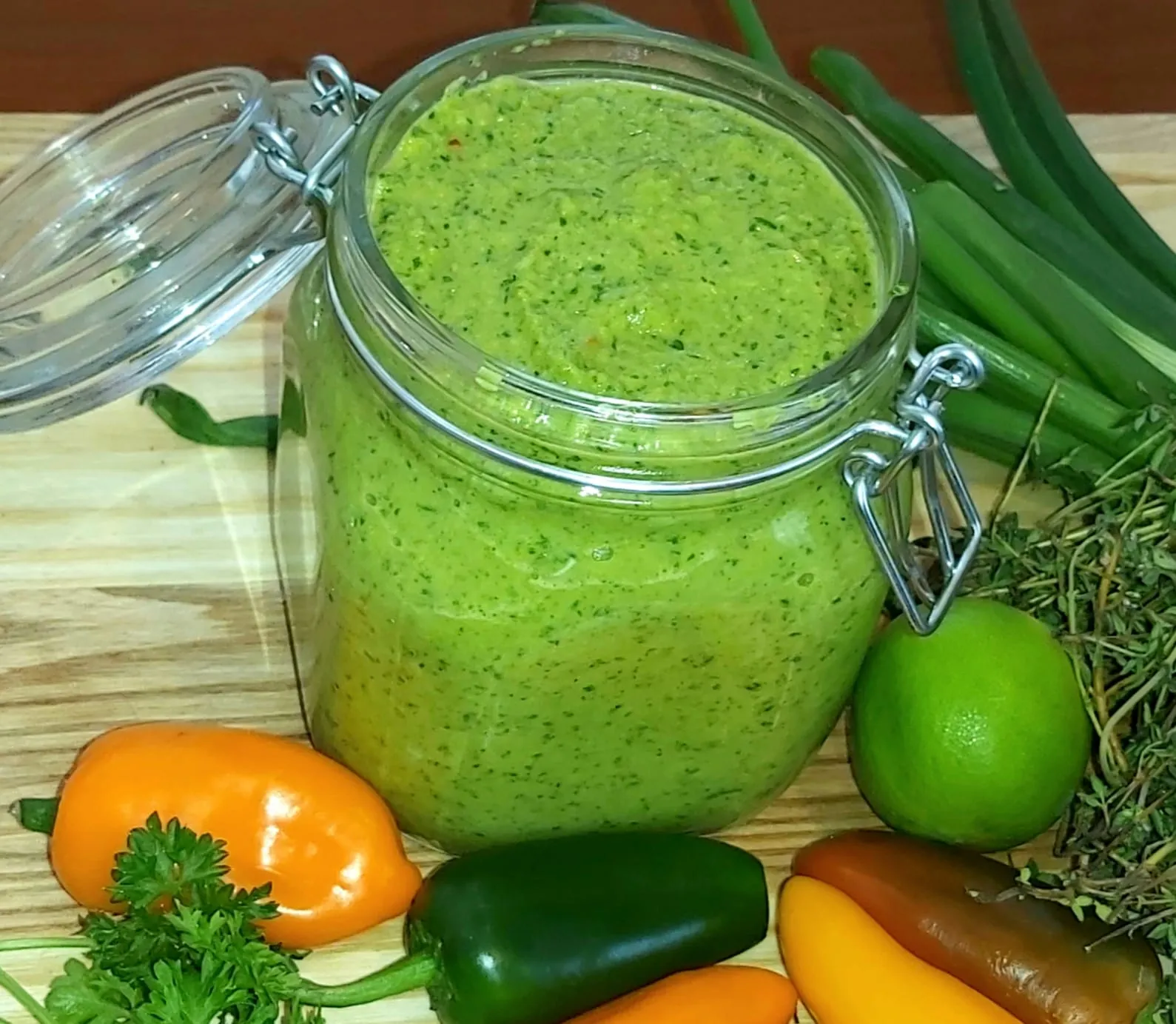
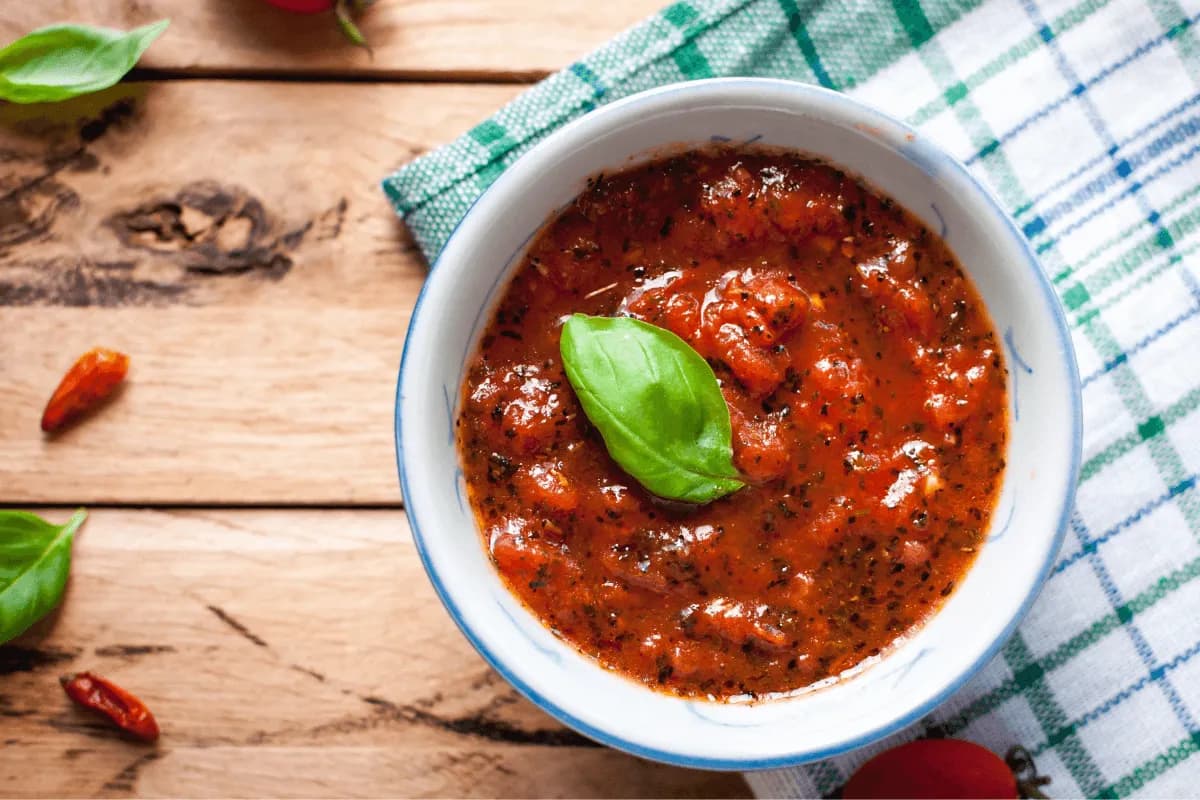
Green seasoning is a blended paste of fresh herbs, aromatics and chilli, used across the Caribbean as an all-purpose marinade and flavour base. Trinidad and Tobago is where it is most identified, and Guyana, Jamaica and the wider region all have versions.
The source describes it as known to the Caribbean and some parts of Africa, which is a fair way of putting it. Its home is the Caribbean. What it resembles in Africa is a family of green pastes that do similar work: Senegalese nokoss, Moroccan chermoula, and the blended pepper bases used across West Africa. Those are related in function rather than in origin, and green seasoning as it is made here is Caribbean.
It goes on everything: meat, seafood, grains, stews. Composition varies enormously by household and island, and the version here is a modest one built on parsley, coriander, celery, onion, garlic, scotch bonnet and thyme. Bigger versions include chive, culantro, pimento peppers and ginger. It keeps about a week refrigerated, and freezing it in ice cube trays is the standard way to hold a large batch, which is how most Caribbean kitchens handle it.
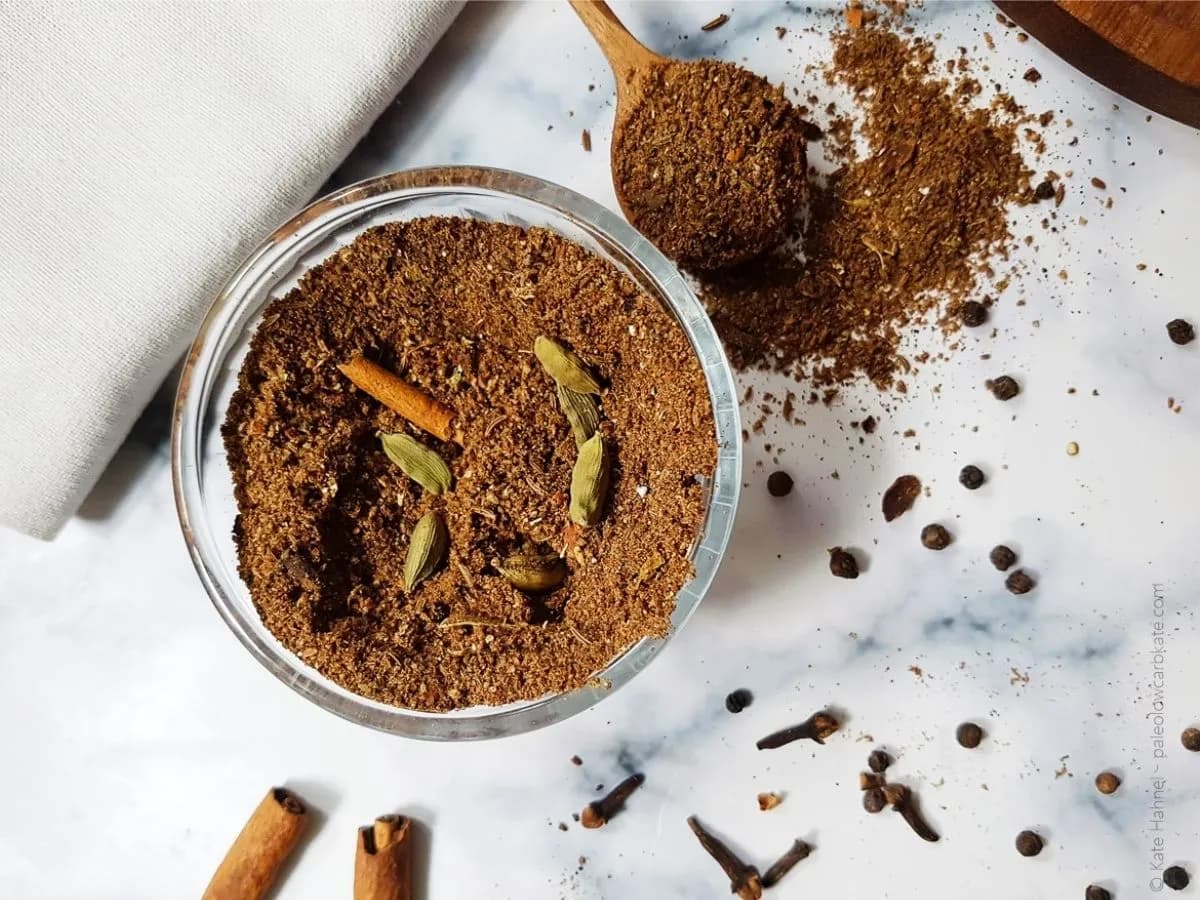
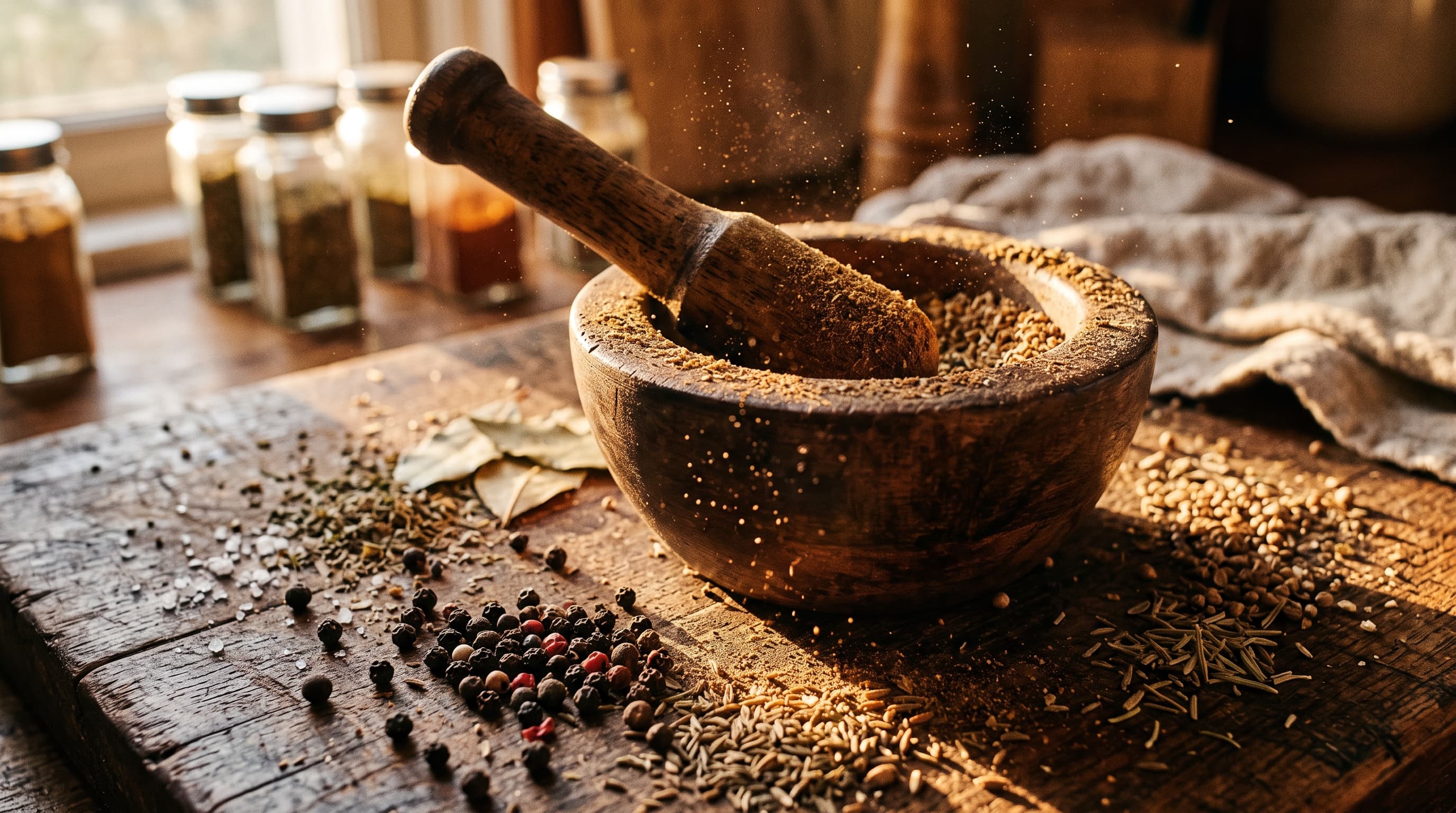
Pilau masala is the spice blend behind pilau, the spiced rice of the East African coast, and it is a short list of whole spices rather than a long one. Cumin, black peppercorns, cardamom, cloves and cinnamon are roasted briefly and ground, and that is the whole thing.
The blend belongs to the Swahili coast, where centuries of Indian Ocean trade brought spices from South and Southeast Asia into the cooking of Kenya, Tanzania and Zanzibar. Pilau itself is a relative of the pilaf and pulao found from Persia to India, adapted along the coast into something distinctly East African, and the masala is the point at which that trade history is most visible.
Whether to buy it or make it is the practical question. Pre-ground blends are widely sold and perfectly usable, but ground spices lose their volatile oils quickly, and the difference between a jar that has sat on a shelf for a year and spices roasted and ground the same day is not subtle. It requires no grinder: a mortar and pestle does the job, and the roasting step is what makes it worth doing at all, since brief heat opens up the aromatics before they are broken down.
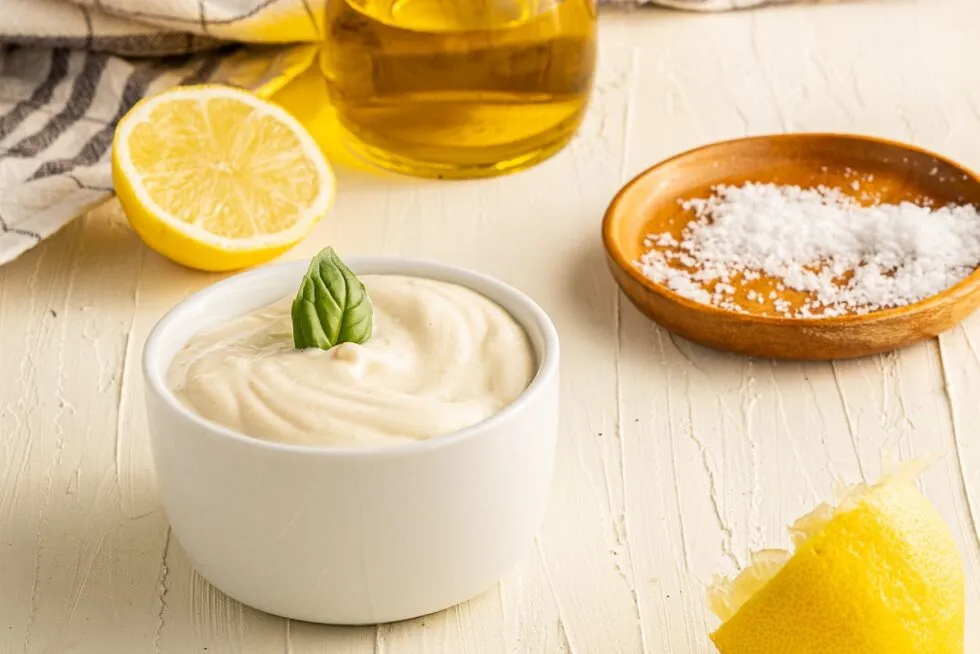
Egg yolk, acid, mustard and oil whisked into an emulsion. This is plain homemade mayonnaise; the keto framing in the source's title refers to a diet rather than to anything in the recipe, since mayonnaise is naturally low in carbohydrate whether or not anyone is counting.
Emulsification is the whole technique. The lecithin in egg yolk allows oil and an acidic liquid, which do not mix, to hold together as a stable suspension, and that only happens if the oil goes in slowly enough for each addition to be absorbed. A few drops at a time to begin with, then a thin stream once it thickens. Poured in quickly it splits, and a split mayonnaise can be rescued by starting again with a fresh yolk and whisking the broken mixture into it drop by drop.
**This contains raw egg yolk and is not cooked at any point.** That matters for anyone pregnant, elderly, very young or immunocompromised, and pasteurised eggs are the sensible answer if you are serving it to any of them. It keeps a week refrigerated. Use a light oil rather than extra virgin olive oil, which turns bitter when whisked hard.
A dry rub for chicken: thyme, cayenne, cumin, paprika, garlic powder, black pepper, oregano, onion powder and salt. It carries no country and it is a broadly Western blend, the direct counterpart to the fish seasoning already in this collection.
That is worth saying plainly on a platform documenting African food, because Africa has a great many chicken seasonings that this is not. Nigerian suya spice, yaji, is built on ground peanuts with paprika, cayenne and ginger. Ethiopian berbere combines chilli with cardamom, fenugreek and rue. Moroccan ras el hanout can run to a dozen or more spices. Peri peri from Mozambique and Angola leads with African bird's eye chilli and lemon. Any of those would be the regional answer.
What is here is a competent all-purpose rub, useful for roasting, grilling or frying, and it keeps for months in a sealed jar. It is filed under Worldwide Recipes rather than presented as African. One practical note the source makes and is right about: the salt is adjustable and can be left out entirely, which is worth doing if you are also using a seasoning cube or a brine, since both already carry a great deal.
Dietary tags are provided by contributors as a guide, not verified by AFN, and they depend on the products you buy. If you have a serious allergy, check every ingredient yourself. Cooking, allergies and your own judgement