We use essential cookies to make the site work. We would also like to set analytics cookies and advertising cookies, but only if you agree. You can choose each one separately. Read our cookie policy
Loading
Recipes
Browse the archive by country, course and cooking time.
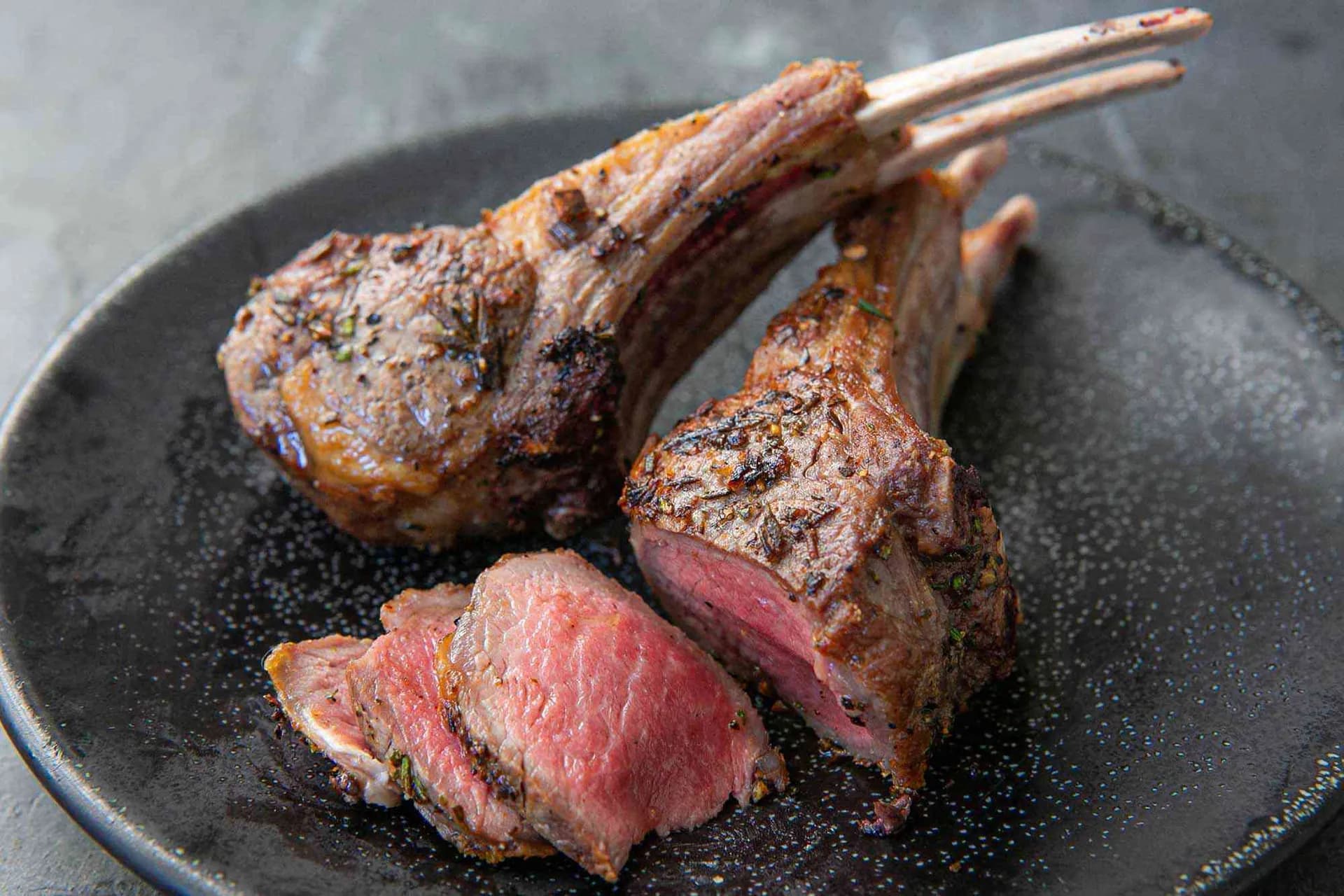
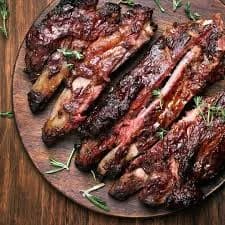
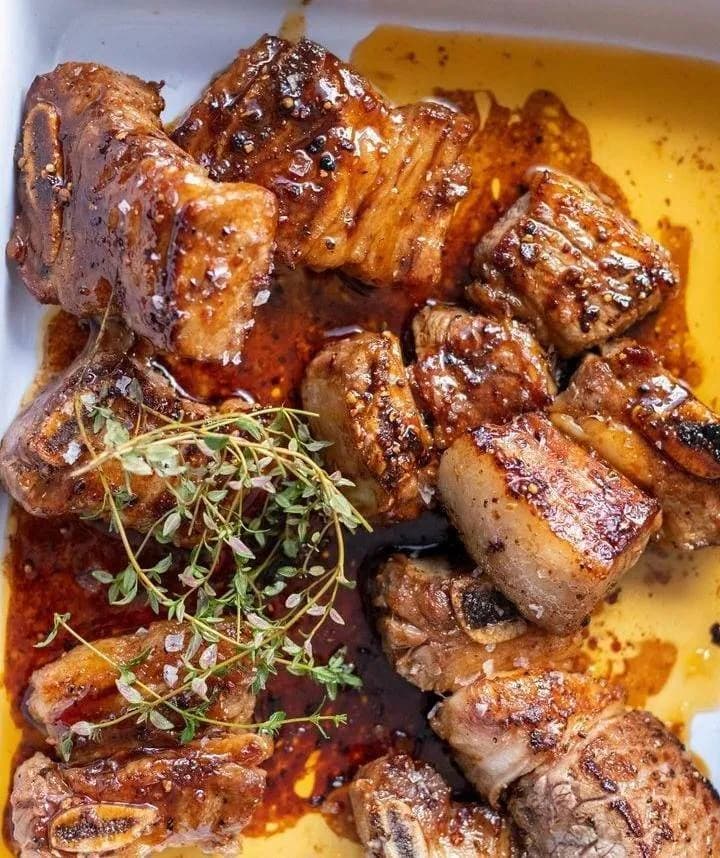
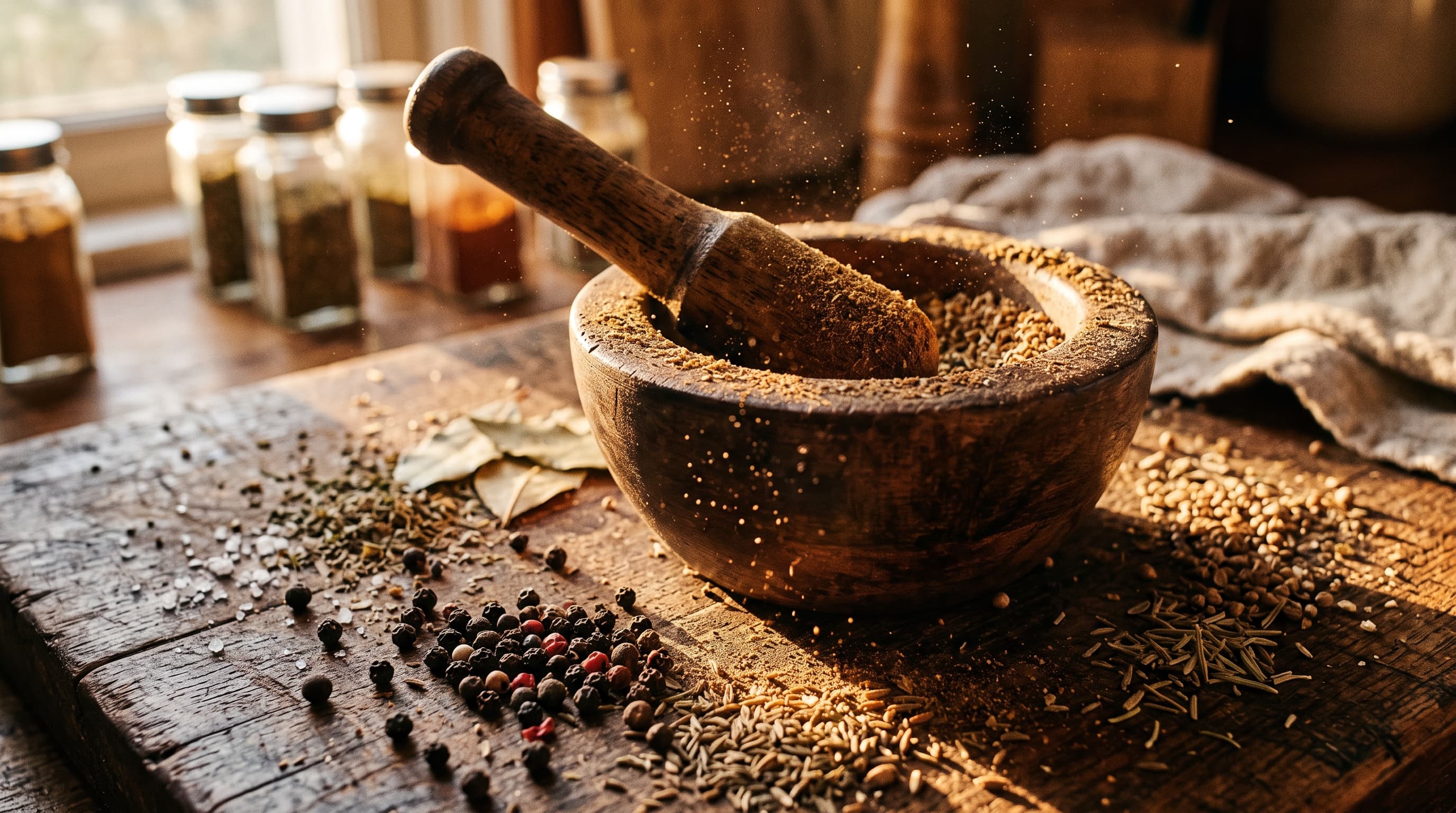
Lamb steaks are cut from the leg or the shoulder, rubbed with garlic, chilli and herbs, and roasted on a rack. The source names no country, though it observes that lamb is eaten widely across Africa, and the bouillon cube in the rub is a West African marker rather than a European one.
Lamb has an unusually long documented history: sheep were first raised in the Middle East around nine thousand years ago, and lamb is central to cooking across North Africa, the Sahel and the Horn. Moroccan mechoui, Algerian mtewem, Senegalese dibi and Ethiopian tibs are all built on it, and each is a distinct dish this recipe is not.
What lamb tastes of is worth knowing if you have not eaten much of it. It is sharper, earthier and slightly gamier than beef, and that comes from branched-chain fatty acids that beef does not have. Diet affects flavour as it does with beef. Most cuts are naturally tender, so very little needs doing to them, and the source's own advice is the important part: cooked to rare or medium-rare it is soft and excellent, and beyond that it toughens. The rub needs four hours in the fridge.
Oyster mushrooms grilled and tossed in suya spice. It is a plant-based version of the Nigerian street food, and it works better than most meat substitutions do.
**The traditional suya spice contains ground peanuts, and this recipe includes them.** The source flags it and offers to leave them out, which is honest, but it is worth stating clearly, because a peanut allergy and a suya spice blend are a genuinely dangerous combination and the name gives no warning.
Suya proper is skewered beef, ram or chicken rubbed in yaji, the spice blend of ground roasted peanuts, ginger, cayenne, garlic, onion powder and paprika, and grilled over open coals. It is Hausa in origin, from northern Nigeria, and it is sold across Nigeria, Cameroon, Niger, Ghana and parts of Sudan. Kyinkyinga is the Ghanaian name, agashe the Sudanese.
Oyster mushrooms are the right substitution and not an arbitrary one. Shredded, they have a fibrous, layered structure that genuinely resembles pulled meat, they take on the dry rub readily, and they char well. Most vegetables do neither.
The source's method is very compressed, one step reads "put in a preheated medium", with the word oven missing, and has been filled out below.
Firm white fish, floured and fried, then layered under a sweet-sour curried onion sauce and left in the fridge for at least a day before it is eaten. It is Cape Malay, it is South African, and in Cape Town it is inseparable from Easter.
The Cape Malay community descends from people brought to the Cape from Southeast Asia, largely from the Indonesian archipelago, as slaves and political exiles by the Dutch from the seventeenth century onwards. Their cooking is the origin of much of what is now considered characteristically Cape cuisine, and pickled fish belongs squarely to it, the turmeric, the coriander seed, the bay leaves and the sweet-sour balance are all markers of that lineage.
The Easter association is real but the explanations for it vary, and the dish is not exclusively Christian: it is eaten in Muslim Cape Malay households too, which is one of the reasons the "made for Good Friday" account is contested. Its practical origin is simpler. Vinegar and sugar preserve cooked fish for weeks without refrigeration, which mattered a great deal in the early colonial Cape.
It genuinely improves with time. A day in the fridge is the minimum; two or three is better, and it holds for several weeks. The source's nutritional claims have not been carried across.
Lamb chops with chermoula and yellow rice is Moroccan, grilled or roasted lamb served with a fresh herb sauce and turmeric-stained rice.
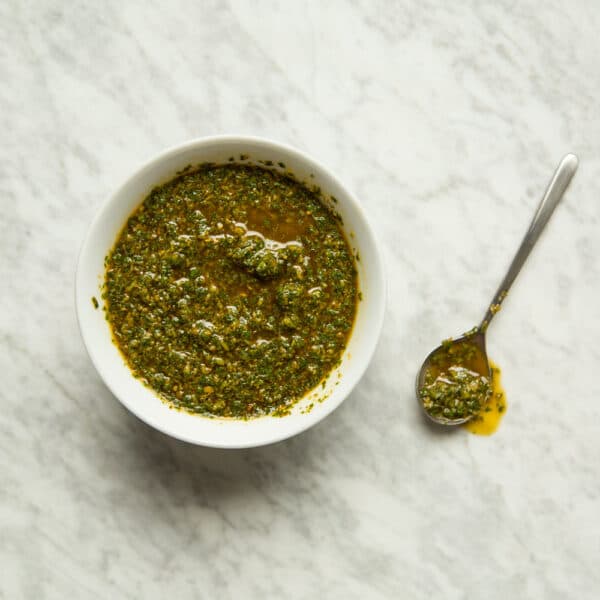
Chermoula is the part worth knowing. It is a North African sauce and marinade built on fresh coriander and parsley, garlic, cumin, paprika, lemon and oil, and its name comes from the Arabic chermel, meaning to rub or to marinate. That etymology describes exactly how it is used: rubbed into meat or fish before cooking, and often served again alongside as a sauce.
It is most associated with fish, where it is close to standard across Morocco and Algeria, but it works with lamb particularly well, the herbs and lemon cut through fat in a way that a heavier sauce would not.
Lamb runs through Moroccan cooking at every level, from long slow tagines to chops straight off a grill, and this is at the fast end of that range.
The rice is coloured and lightly perfumed with turmeric rather than saffron, which is the everyday choice, visually similar, entirely different in flavour and cost.
Dietary tags are provided by contributors as a guide, not verified by AFN, and they depend on the products you buy. If you have a serious allergy, check every ingredient yourself. Cooking, allergies and your own judgement