We use essential cookies to make the site work. We would also like to set analytics cookies and advertising cookies, but only if you agree. You can choose each one separately. Read our cookie policy
Loading
Recipes
Browse the archive by country, course and cooking time.
Oyster mushrooms grilled and tossed in suya spice. It is a plant-based version of the Nigerian street food, and it works better than most meat substitutions do.
**The traditional suya spice contains ground peanuts, and this recipe includes them.** The source flags it and offers to leave them out, which is honest, but it is worth stating clearly, because a peanut allergy and a suya spice blend are a genuinely dangerous combination and the name gives no warning.
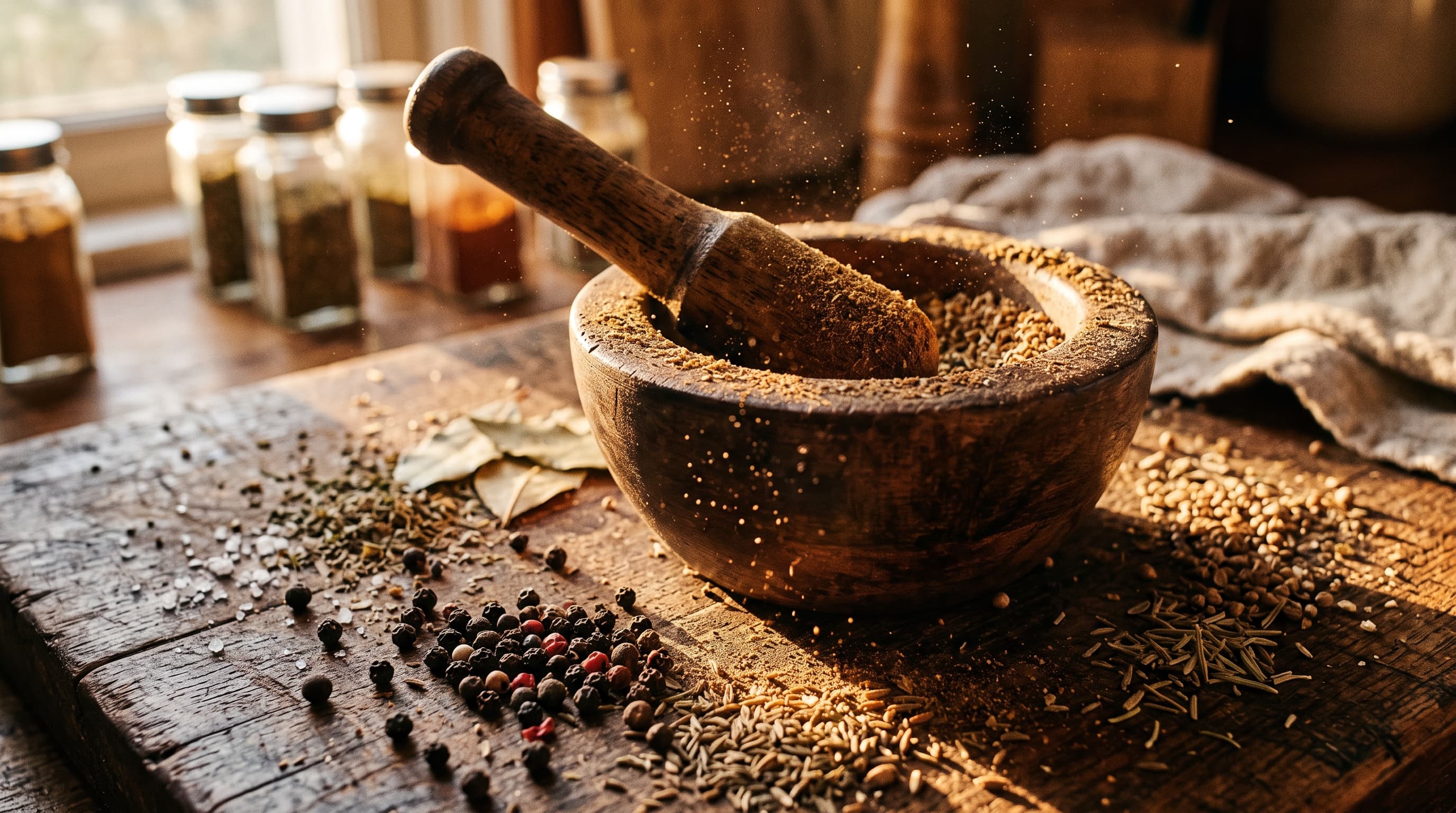
Suya proper is skewered beef, ram or chicken rubbed in yaji, the spice blend of ground roasted peanuts, ginger, cayenne, garlic, onion powder and paprika, and grilled over open coals. It is Hausa in origin, from northern Nigeria, and it is sold across Nigeria, Cameroon, Niger, Ghana and parts of Sudan. Kyinkyinga is the Ghanaian name, agashe the Sudanese.
Oyster mushrooms are the right substitution and not an arbitrary one. Shredded, they have a fibrous, layered structure that genuinely resembles pulled meat, they take on the dry rub readily, and they char well. Most vegetables do neither.
The source's method is very compressed, one step reads "put in a preheated medium", with the word oven missing, and has been filled out below.
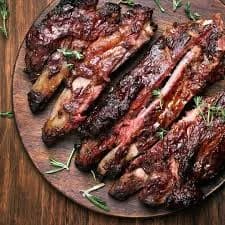
Lamb chops with chermoula and yellow rice is Moroccan, grilled or roasted lamb served with a fresh herb sauce and turmeric-stained rice.
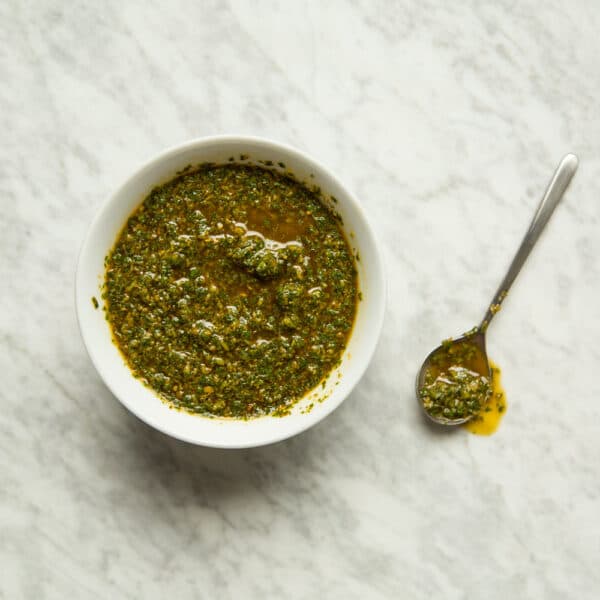
Chermoula is the part worth knowing. It is a North African sauce and marinade built on fresh coriander and parsley, garlic, cumin, paprika, lemon and oil, and its name comes from the Arabic chermel, meaning to rub or to marinate. That etymology describes exactly how it is used: rubbed into meat or fish before cooking, and often served again alongside as a sauce.
It is most associated with fish, where it is close to standard across Morocco and Algeria, but it works with lamb particularly well, the herbs and lemon cut through fat in a way that a heavier sauce would not.
Lamb runs through Moroccan cooking at every level, from long slow tagines to chops straight off a grill, and this is at the fast end of that range.
The rice is coloured and lightly perfumed with turmeric rather than saffron, which is the everyday choice, visually similar, entirely different in flavour and cost.
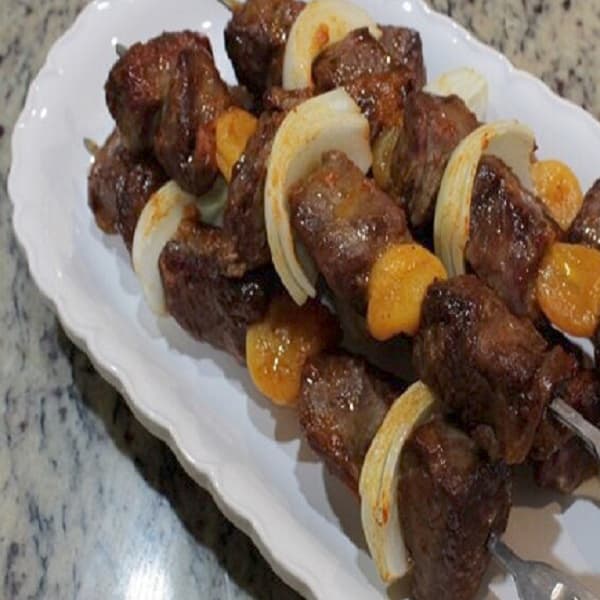
Suya is skewered meat coated in yaji, a dry peanut based spice blend, and it is the best known street food in Nigeria. It comes from the Hausa people of the north, where it is also called tsire, and it spread from there across West Africa. Sudan has a close relative in agashe.
Yaji is what makes it suya rather than grilled meat. The blend is built on ground peanut, usually in the form of kuli kuli crushed to a powder, with ginger, chilli, onion powder and other seasonings, and the peanut is what gives suya its particular nuttiness and the slightly gritty coating that clings to the meat. Meat without yaji is not suya, whatever else is done to it.
Beef and ram are the traditional cuts, along with kidney, liver and tripe, and chicken is the newer arrival that has become common. It is sold at night from roadside grills, cut on a board and handed over in newspaper with sliced raw onion, tomato and cabbage, and the raw onion alongside the hot spice is not a garnish but part of how it is eaten. The one thing worth knowing before making it is that yaji contains peanut, which matters to anyone with an allergy.
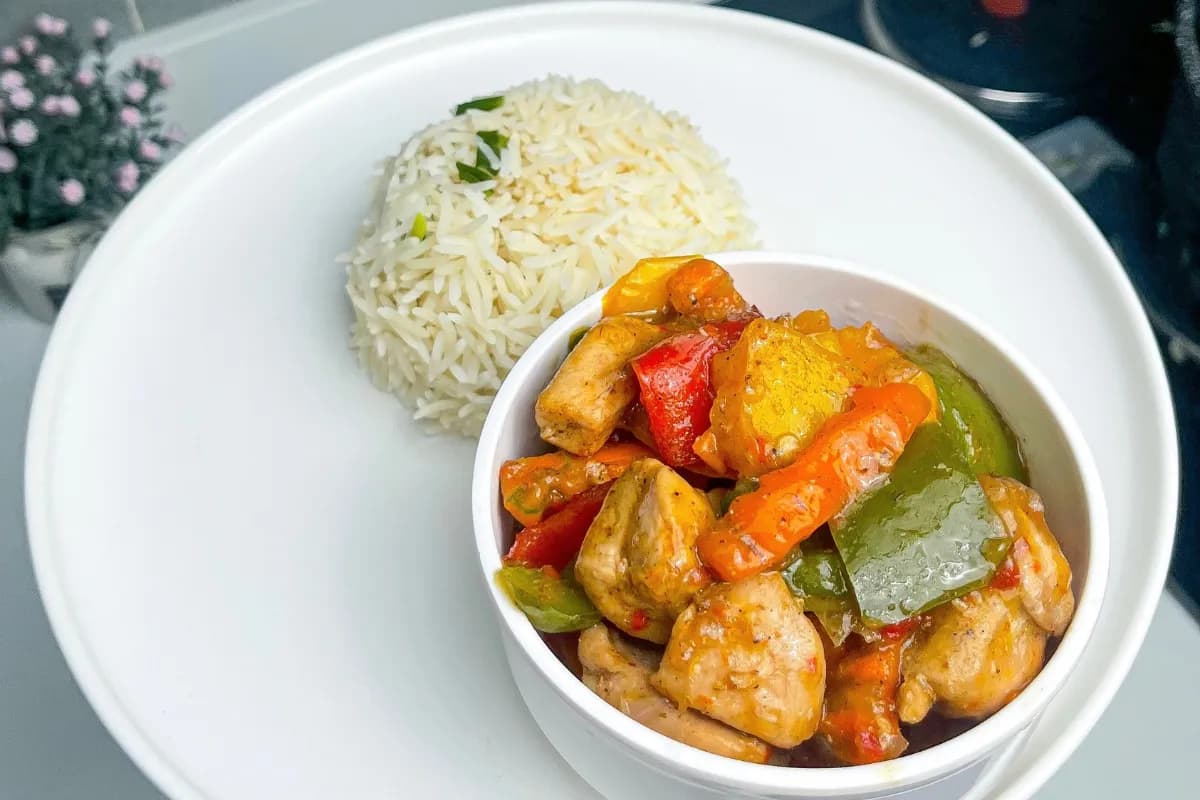
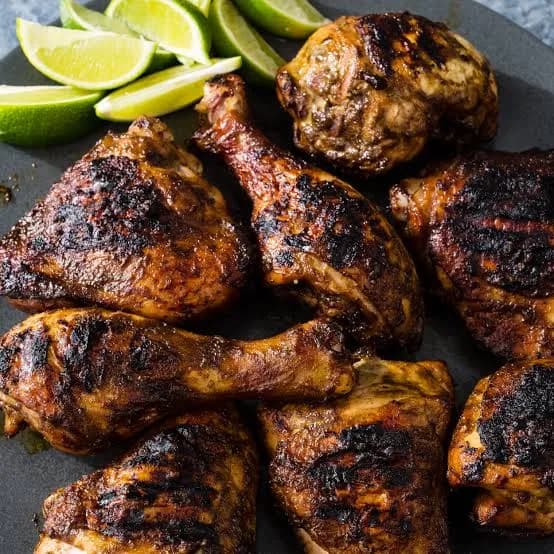
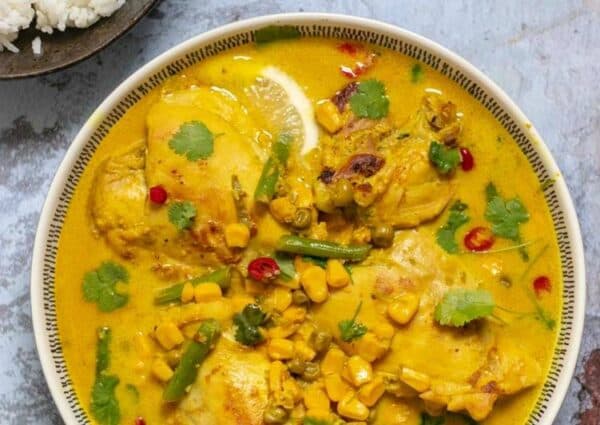
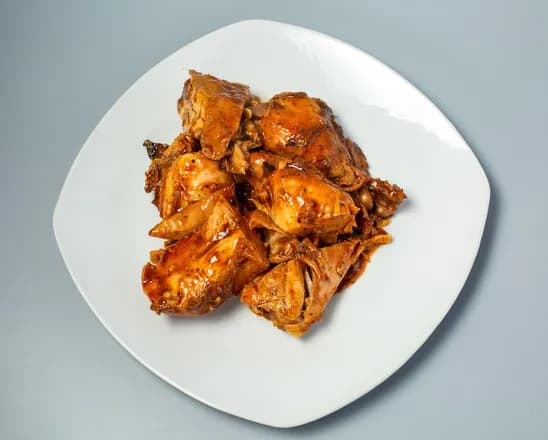
Chicken Yassa is one of Senegal's most internationally celebrated dishes, a deeply flavoured stew where chicken is marinated in an aggressive mixture of lemon juice, mustard, and onions, grilled or seared until charred, then slowly cooked with an enormous quantity of caramelised onions until they collapse into a rich, tangy, slightly sweet sauce. The dish is a masterclass in the power of onions as a flavour base. Five or six large onions per chicken is not unusual, they cook down dramatically and transform into a completely different thing: sweet, golden, and complex. The lemon keeps the sauce bright and the mustard adds a subtle depth. Yassa is eaten across Senegal, Gambia, and Guinea-Bissau and wherever Senegalese communities have settled globally.
Dietary tags are provided by contributors as a guide, not verified by AFN, and they depend on the products you buy. If you have a serious allergy, check every ingredient yourself. Cooking, allergies and your own judgement