We use essential cookies to make the site work. We would also like to set analytics cookies and advertising cookies, but only if you agree. You can choose each one separately. Read our cookie policy

Loading
Recipes
Browse the archive by country, course and cooking time.
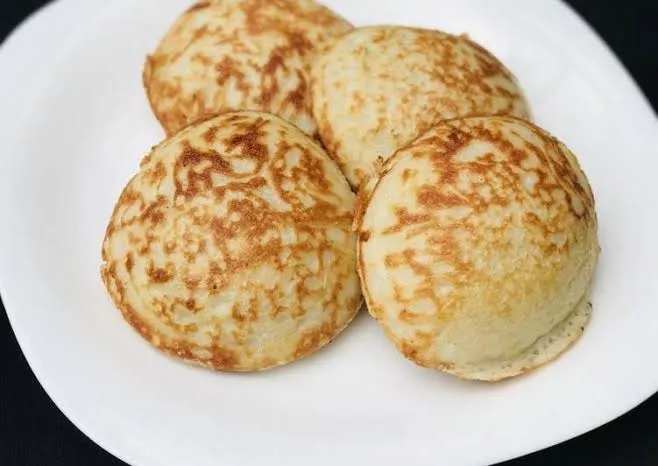
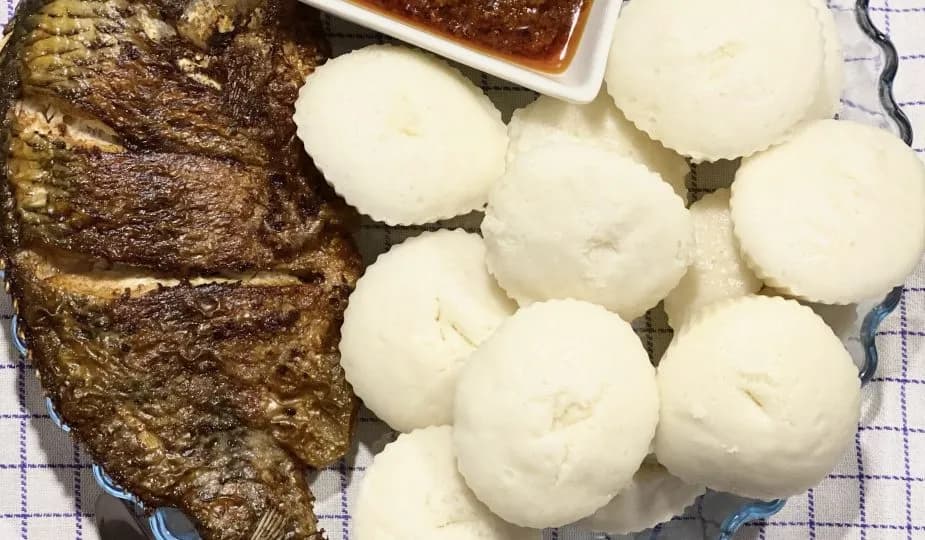
Masa, also called waina, is a fermented rice cake from the Hausa of Northern Nigeria: small, round, spongy underneath and browned on the surface, cooked in a dedicated pan with shallow round wells. It belongs to the Hausa, one of the largest ethnic groups in Africa, and it is among the dishes most closely identified with them.
The fermentation is what makes it. Rice is soaked, ground with cooked rice, and left to rise overnight, and the mild sourness that develops is what separates masa from any other rice pancake. The holes that open across the surface as it cooks are the visible evidence of that ferment, and a masa without them has not been left long enough.
It is breakfast food and snack food, sold from street stands and in markets across the north, and it appears at celebrations and family gatherings. What goes with it varies by household and by time of day: honey, groundnut oil, a peppery stew, or yaji, the same spice blend used on suya. Masa is a dish that has held its association with one people while spreading well beyond them, which is a fair description of how Hausa food generally has travelled through Nigeria.
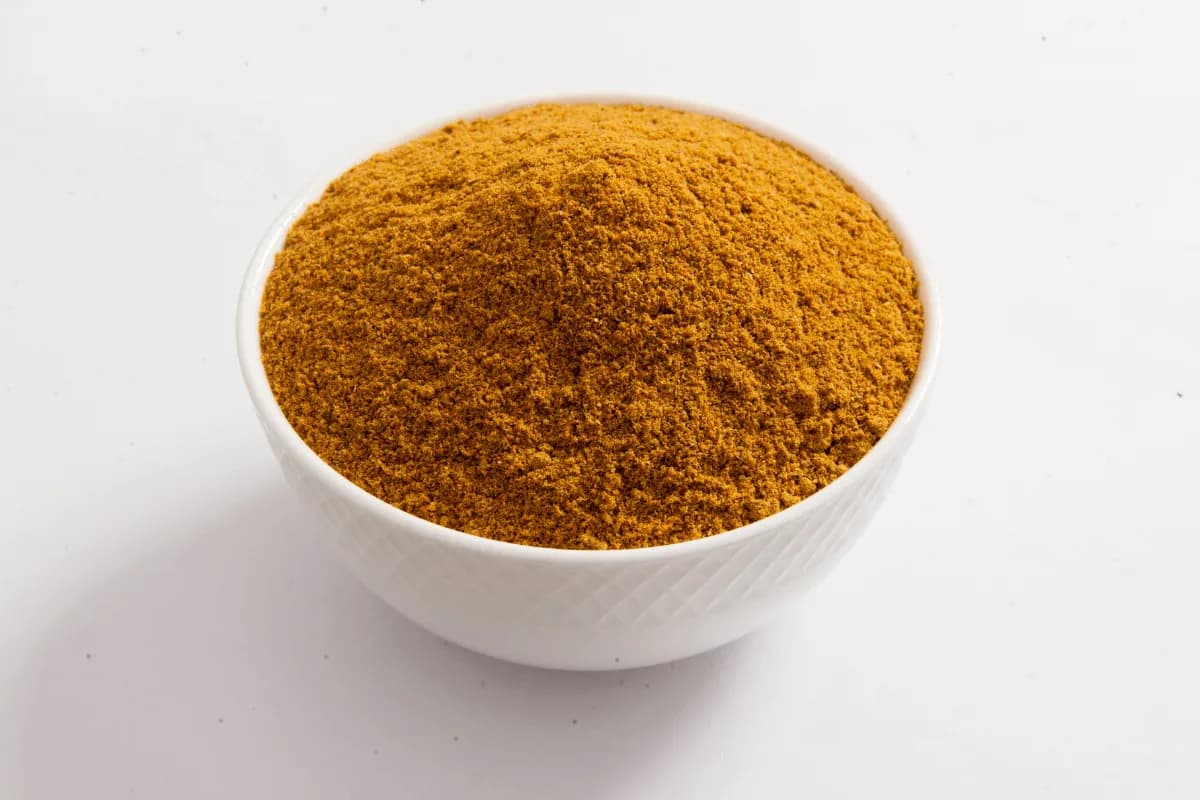
Yaji is the spice blend that makes suya suya. Ground roasted groundnuts form its base, and that is what separates it from every other dry rub in the world: a spice mixture built on a nut rather than on seeds and chillies alone. Ginger, garlic, onion and paprika go in around it, with cayenne carrying the heat.
It belongs to the Hausa of Northern Nigeria, and the recipes are held closely. Every suya vendor guards a proprietary arrangement of spices, and the specific balance is treated as commercial property rather than shared knowledge, which is why no two suya taste quite the same and why the exact composition is genuinely difficult to pin down. What is consistent is the groundnut, the aromatics and the heat.
Its use extends well past the meat it is named for. Yaji is a marinade, a dry rub applied before grilling, and a finishing powder scattered over meat as it comes off the fire, and Nigerians use it on roasted vegetables, on fish, on chips, on plantain and on nuts. It is sold ready made at Nigerian grocers, and having a jar of it in the house is the single fastest route to making Nigerian food taste like itself.
Oyster mushrooms grilled and tossed in suya spice. It is a plant-based version of the Nigerian street food, and it works better than most meat substitutions do.
**The traditional suya spice contains ground peanuts, and this recipe includes them.** The source flags it and offers to leave them out, which is honest, but it is worth stating clearly, because a peanut allergy and a suya spice blend are a genuinely dangerous combination and the name gives no warning.
Suya proper is skewered beef, ram or chicken rubbed in yaji, the spice blend of ground roasted peanuts, ginger, cayenne, garlic, onion powder and paprika, and grilled over open coals. It is Hausa in origin, from northern Nigeria, and it is sold across Nigeria, Cameroon, Niger, Ghana and parts of Sudan. Kyinkyinga is the Ghanaian name, agashe the Sudanese.
Oyster mushrooms are the right substitution and not an arbitrary one. Shredded, they have a fibrous, layered structure that genuinely resembles pulled meat, they take on the dry rub readily, and they char well. Most vegetables do neither.
The source's method is very compressed, one step reads "put in a preheated medium", with the word oven missing, and has been filled out below.
Groundnut milk is what you get when raw peanuts are soaked, blended with water and strained, a plant milk made from one of West Africa's most important crops, using a method that predates the shelves of alternative milks now sold everywhere.
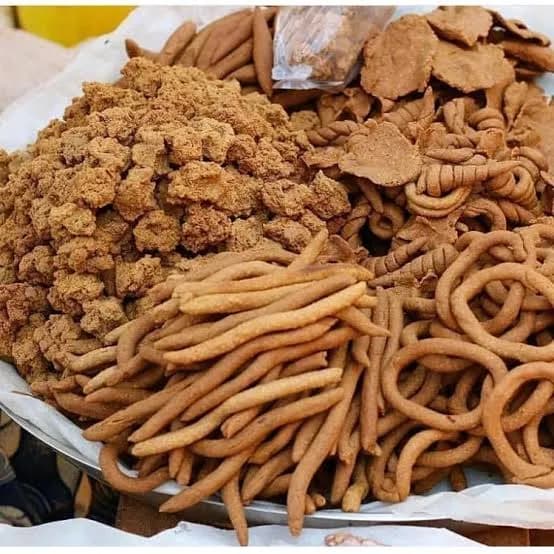
The groundnut itself is not originally African. It came from South America and arrived through Portuguese trade, but it settled into West African farming and cooking so completely that it is now difficult to think of the region's food without it. Groundnut stew, kuli kuli, suya's spice base, roasted nuts sold by the cup at every junction, the crop runs right through the cuisine, and milk is one more thing done with it.
It is drunk for straightforward reasons. It contains no dairy, which matters in a region where lactose intolerance is common in adults, and it is made from something cheap and locally grown rather than imported. Flavourings are a matter of household preference: vanilla, a little sugar, sometimes cinnamon or dates.
The one thing it demands is that you make what you will drink. Fresh groundnut milk has nothing preserving it and separates within a day or two, so it is made in small quantities rather than stored, which is why it tends to be a morning thing, made and finished.
It should be shaken before pouring; separation is normal, not spoilage.
Dietary tags are provided by contributors as a guide, not verified by AFN, and they depend on the products you buy. If you have a serious allergy, check every ingredient yourself. Cooking, allergies and your own judgement