We use essential cookies to make the site work. We would also like to set analytics cookies and advertising cookies, but only if you agree. You can choose each one separately. Read our cookie policy

Loading
Recipes
Browse the archive by country, course and cooking time.

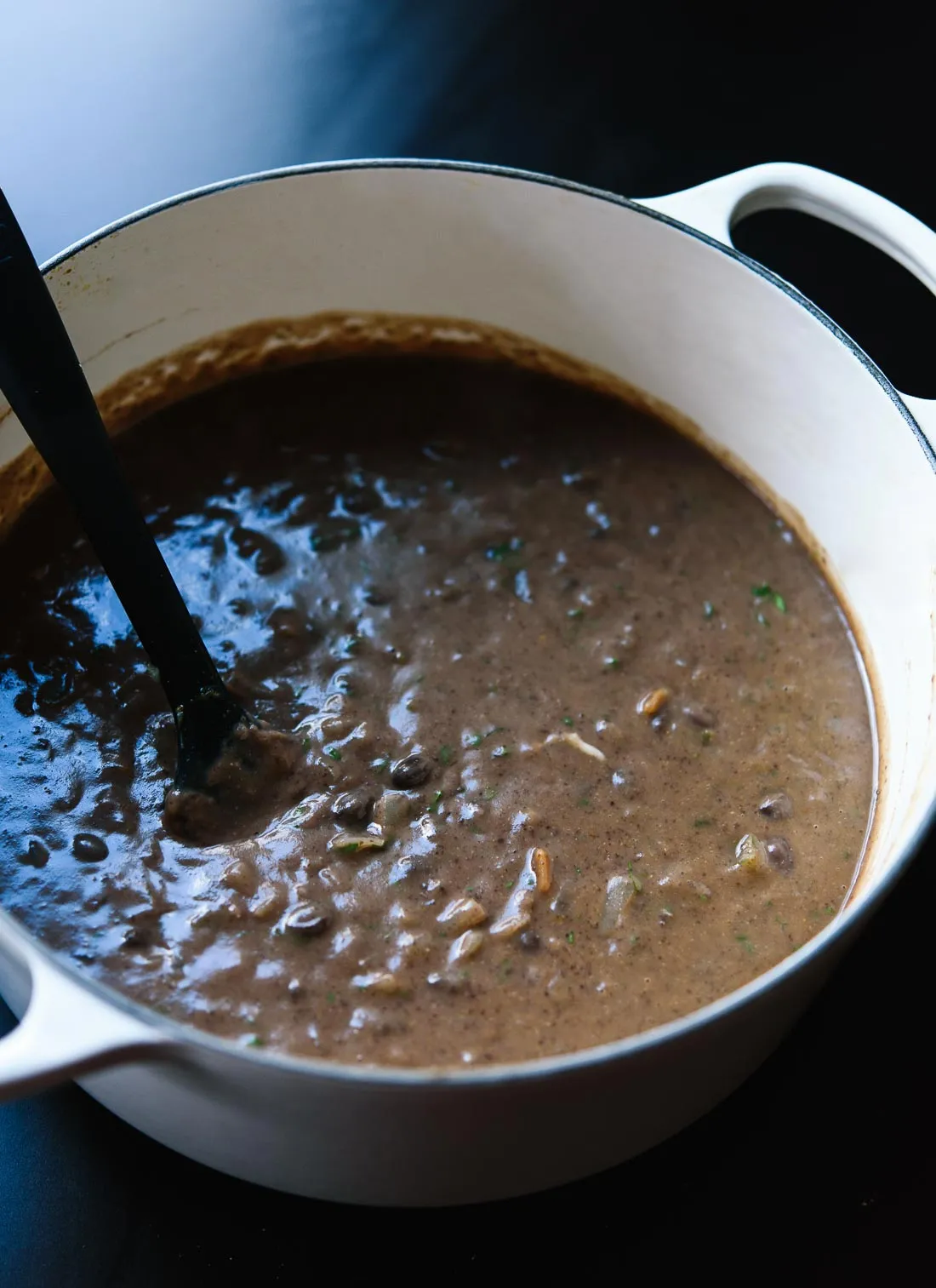
Umqombothi is Xhosa beer, brewed from maize meal, maize malt and sorghum malt. It is thick, cloudy, sour smelling and low in alcohol, usually under three per cent, and it is not made to be compared with lager. It is a different category of drink with a different purpose.
Its purpose is ceremonial before it is social. In Xhosa practice umqombothi is brewed for the return of the abakwetha, the young men coming back from ulwaluko, the initiation and circumcision rite. It is central when families communicate with the amadlozi, the ancestors, and it appears at traditional weddings, funerals and imbizo, the community meetings where matters are decided. A gathering of consequence has umqombothi at it, and its absence would be noticed as a statement.
The drink is not confined to South Africa. Sorghum beer is brewed across the continent under many names: dolo in Burkina Faso, pito in Nigeria, ingwebu among the Ndebele of Zimbabwe, which is their word for froth. Brewing is done outdoors over an open fire, cooled at ambient temperature, and the recipes are held within families and passed down rather than written.
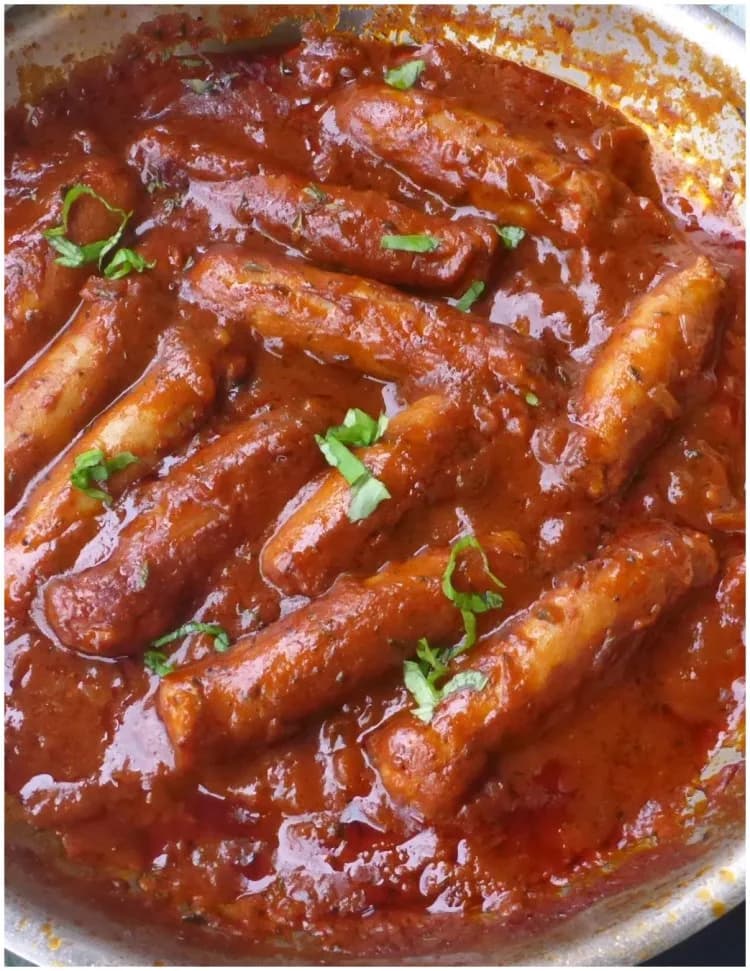
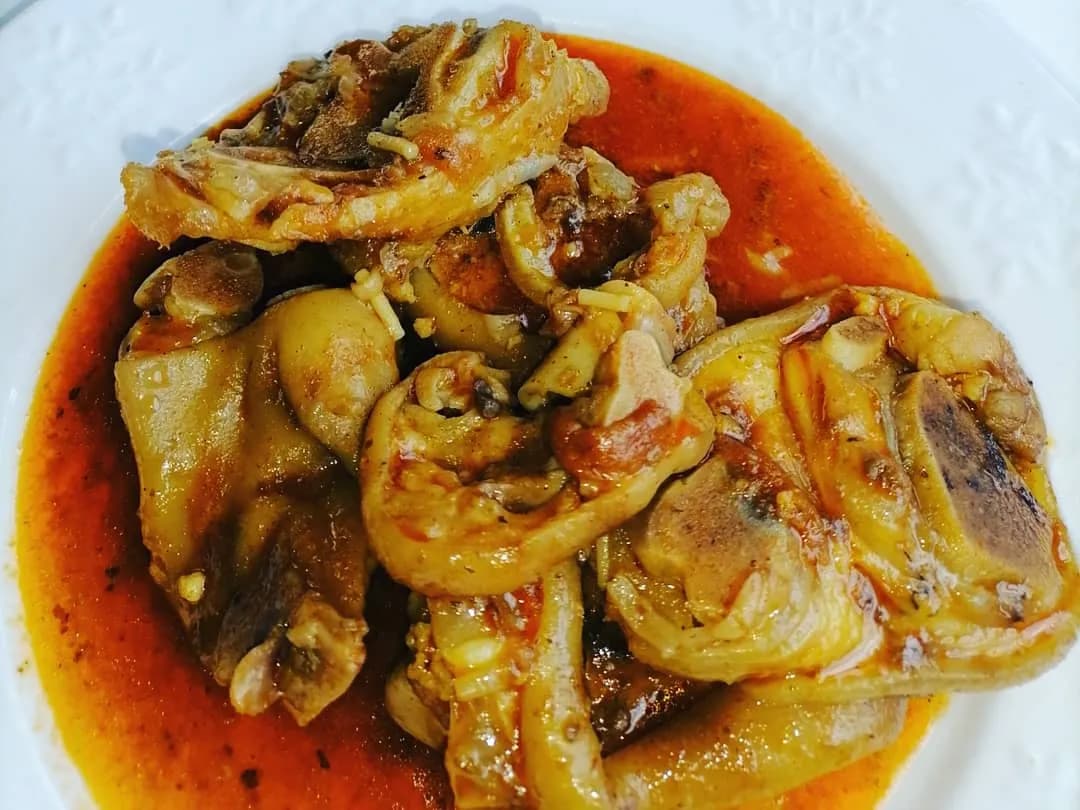
Pork trotters are the foot and ankle of the pig, and almost all of what they offer is collagen. Cooked for hours they break down into something gelatinous and rich that thickens its own liquid, and they are eaten both as a full meal with gravy and as something picked at with the fingers.
In South Africa the trotter carries a specific history. Trotters, like offal, were what was left over, the parts of the animal that commercial butchery and the households that could afford choice cuts did not want. They were what was available to people who had been made poor by law. The black community took the trotter and made it a dish with its own standing rather than a marker of scarcity, and that transformation is what the dish now carries. It is claimed rather than merely eaten.
It is served with pap, the maize porridge that takes up the gravy, and it appears at home meals and at gatherings without being reserved for either. The long cook is unavoidable, which makes it food for a day when you are in the house anyway.
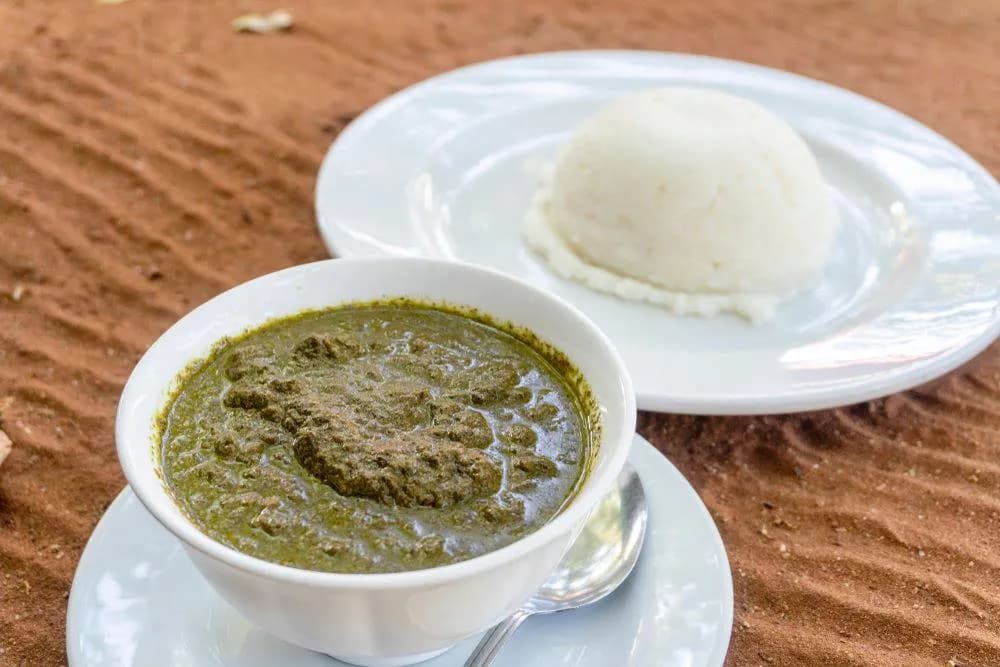
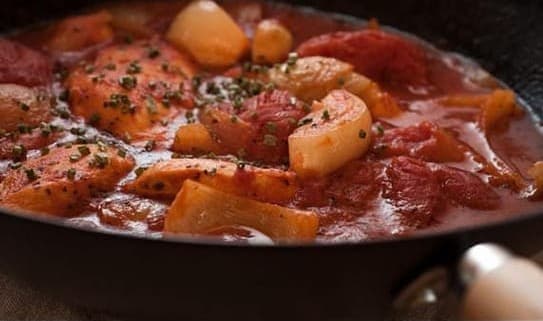
Matapa is Mozambique's cassava leaf dish, and it is where the country's two food geographies meet. Cassava leaves and groundnuts belong to the interior; coconut milk and dried shrimp belong to the Indian Ocean coast. Matapa puts all four in one pot, and the result tastes like nowhere else on the continent.
It is most common in the south of the country, where the ingredients are close at hand and inexpensive, and it is everyday food rather than occasion food. Mozambican households eat it with rice or bread. The dish is also known as matata in some accounts, and the naming shifts across regions in the way that dishes carried by many communities usually do.
The cassava leaves are what make it. They are finely chopped and cooked long enough to lose their fibre and their raw edge, and the groundnuts thicken the coconut milk around them into something dense and savoury. Cooks substitute spinach, kale, collard greens or pumpkin leaves where cassava leaves are hard to come by, and every Mozambican will tell you the substitution is not the same dish.
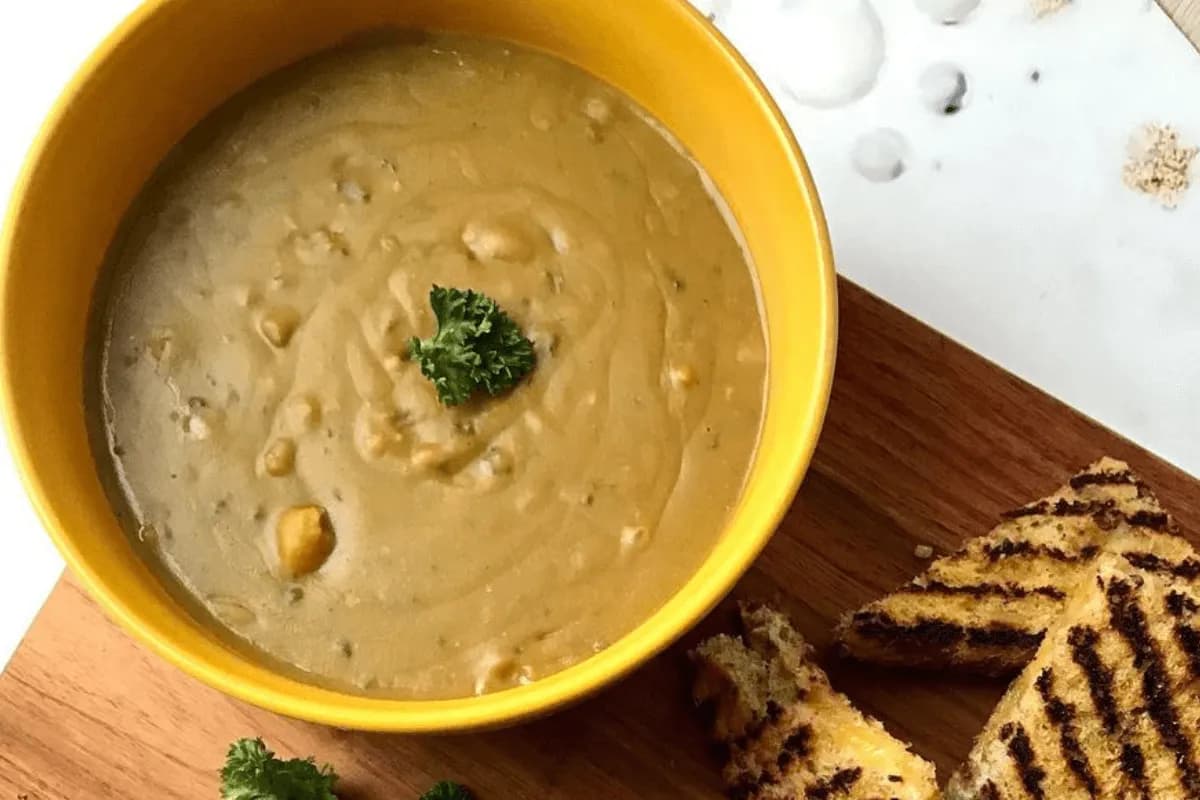
Bunny chow is a hollowed loaf of white bread filled with curry, and it comes from the Indian community of Durban in KwaZulu-Natal. The bread is the bowl, the plate and the cutlery, and it is eaten by tearing pieces off the hollowed lid to scoop with.
Its history is tied directly to apartheid. The most widely repeated account holds that it developed as a way to sell food to Black customers who were barred from eating in certain restaurants: the bread served as the container, so nothing had to be handed back. It was cheap, portable, filling enough for a day's work, and needed no crockery, which made it well suited to the indentured Indian labourers brought to work the sugarcane fields of KwaZulu-Natal.
The name is generally traced to banya chow. Banya was an older term for the Indian trading community in Durban and chow is slang for food. Accounts of the origin do differ and none is settled. The filling is a Durban curry, aromatic with curry leaves, cardamom and cinnamon, made with chickpeas and potatoes and with or without meat, and mutton is the version Durban is best known for.
Dietary tags are provided by contributors as a guide, not verified by AFN, and they depend on the products you buy. If you have a serious allergy, check every ingredient yourself. Cooking, allergies and your own judgement