We use essential cookies to make the site work. We would also like to set analytics cookies and advertising cookies, but only if you agree. You can choose each one separately. Read our cookie policy

Loading
Nigerian Recipes
From Gullisuwa to Kuli Kuli, Groundnut (Peanut) Milk to Grilled Plantains. Everything Nigerian cooks, as it is cooked at home.
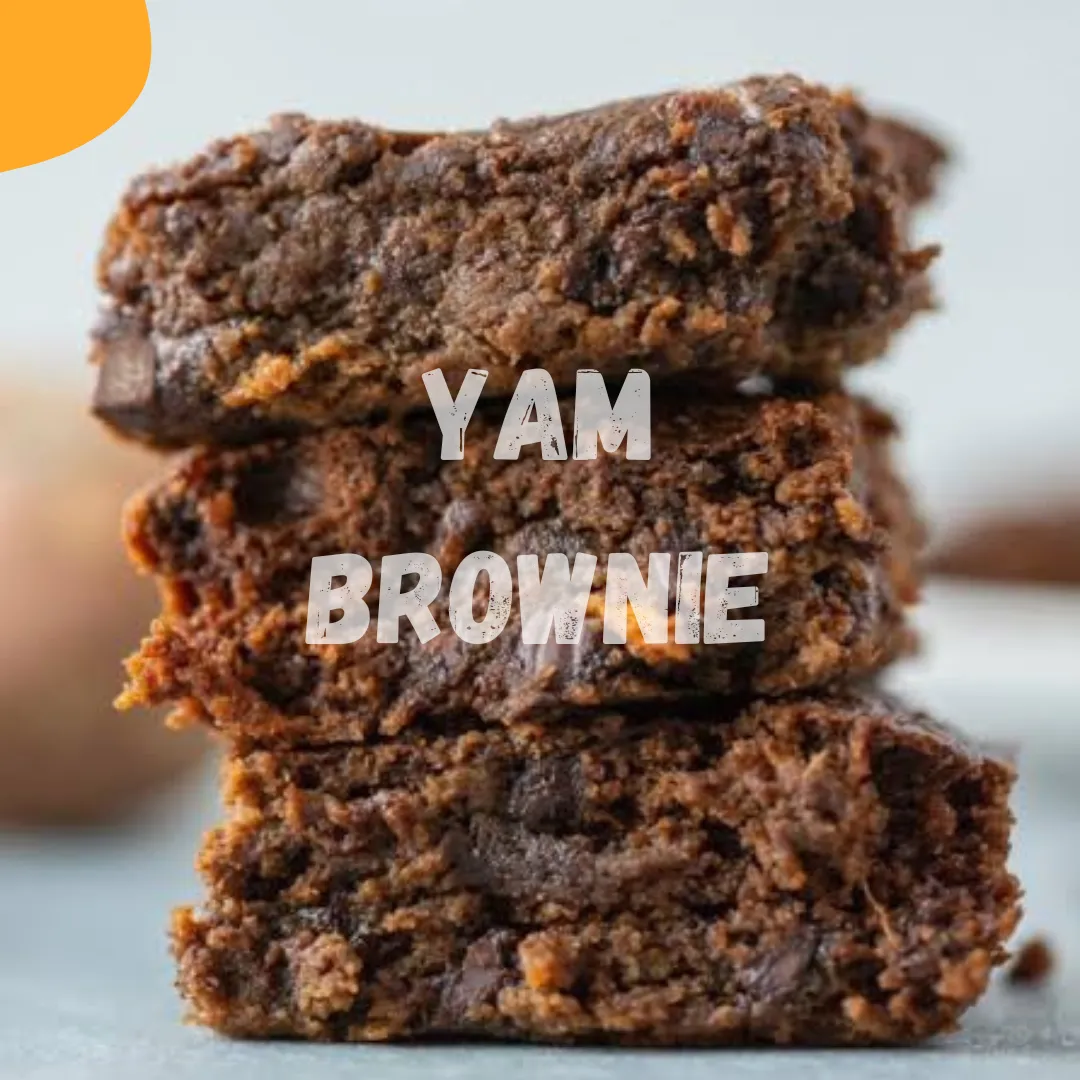
This is a brownie made with mashed yam in place of much of the flour, and it is a deliberate fusion rather than a traditional dish. The contributor presents it as exactly that: a twist on a familiar dessert using a Nigerian staple.
Yam is not a substitute ingredient in Nigeria; it is a central one, eaten pounded, fried, roasted and in porridge, and it carries cultural weight that potatoes do not. Using it in a brownie is a contemporary move, and it works on the same principle as sweet potato or black bean brownies: the starch gives body and moisture while the cocoa carries the flavour.
What results is denser and fudgier than a flour brownie, with an earthy background note from the yam. Two cups of mashed yam against half a cup of flour is a high ratio, so the texture is closer to a baked pudding than a cakey brownie. There is no tradition behind it and this entry does not invent one. It belongs to the growing body of Nigerian home baking that treats local staples as ingredients for Western formats, alongside plantain cakes and yam flour breads.
Grilled plantain is street food across West Africa, and in Nigeria it is boli, ripe plantain roasted over charcoal until the outside blackens and the sugars inside caramelise.
It is about as simple as cooking gets. No oil, no seasoning, nothing added. The plantain is put over heat and turned. What makes it work is entirely down to the fruit: a plantain that is ripe enough has developed sugars that caramelise under direct heat, and one that is not will taste starchy and dull no matter how long it is grilled.
Plantains are not bananas, despite the resemblance. They are larger, starchier, and must be cooked before eating, raw they are unpleasant and hard to digest. The ripeness scale runs from green, which is firm and starchy and used for chips and fufu, through yellow, which is what grilling wants, to almost black, which is very sweet and better fried.
Boli is sold from charcoal drums at roadsides and motor parks, usually with roasted groundnuts, and often with a pepper sauce or with fish. The pairing with groundnuts is close to fixed in Nigeria, the salt and fat against the sweetness of the plantain.
It is cheap, filling and energy-dense, which is why it has stayed street food rather than becoming restaurant food.
Oyster mushrooms grilled and tossed in suya spice. It is a plant-based version of the Nigerian street food, and it works better than most meat substitutions do.
**The traditional suya spice contains ground peanuts, and this recipe includes them.** The source flags it and offers to leave them out, which is honest, but it is worth stating clearly, because a peanut allergy and a suya spice blend are a genuinely dangerous combination and the name gives no warning.
Suya proper is skewered beef, ram or chicken rubbed in yaji, the spice blend of ground roasted peanuts, ginger, cayenne, garlic, onion powder and paprika, and grilled over open coals. It is Hausa in origin, from northern Nigeria, and it is sold across Nigeria, Cameroon, Niger, Ghana and parts of Sudan. Kyinkyinga is the Ghanaian name, agashe the Sudanese.
Oyster mushrooms are the right substitution and not an arbitrary one. Shredded, they have a fibrous, layered structure that genuinely resembles pulled meat, they take on the dry rub readily, and they char well. Most vegetables do neither.
The source's method is very compressed, one step reads "put in a preheated medium", with the word oven missing, and has been filled out below.
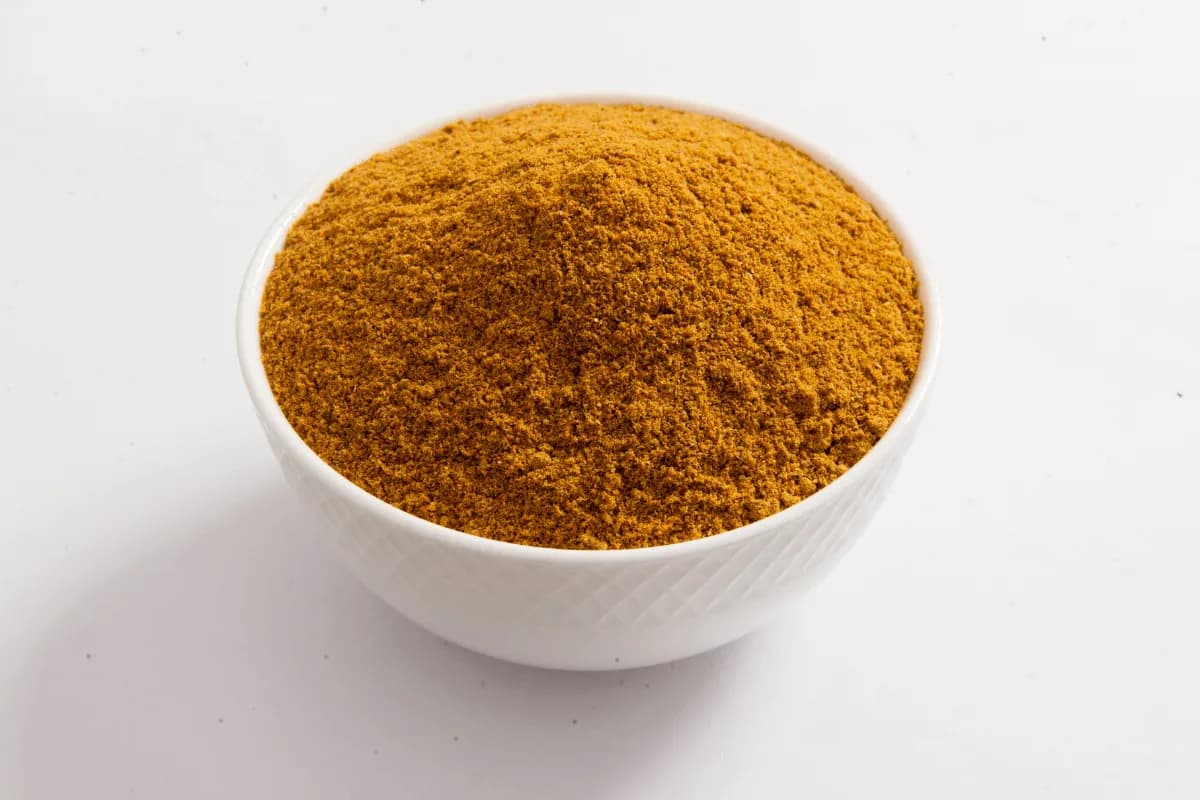
Yaji is the spice blend that makes suya suya. Ground roasted groundnuts form its base, and that is what separates it from every other dry rub in the world: a spice mixture built on a nut rather than on seeds and chillies alone. Ginger, garlic, onion and paprika go in around it, with cayenne carrying the heat.
It belongs to the Hausa of Northern Nigeria, and the recipes are held closely. Every suya vendor guards a proprietary arrangement of spices, and the specific balance is treated as commercial property rather than shared knowledge, which is why no two suya taste quite the same and why the exact composition is genuinely difficult to pin down. What is consistent is the groundnut, the aromatics and the heat.
Its use extends well past the meat it is named for. Yaji is a marinade, a dry rub applied before grilling, and a finishing powder scattered over meat as it comes off the fire, and Nigerians use it on roasted vegetables, on fish, on chips, on plantain and on nuts. It is sold ready made at Nigerian grocers, and having a jar of it in the house is the single fastest route to making Nigerian food taste like itself.
Dietary tags are provided by contributors as a guide, not verified by AFN, and they depend on the products you buy. If you have a serious allergy, check every ingredient yourself. Cooking, allergies and your own judgement