We use essential cookies to make the site work. We would also like to set analytics cookies and advertising cookies, but only if you agree. You can choose each one separately. Read our cookie policy

Loading
Nigerian Recipes
From Agege Bread to Nigerian Pancake (Diet), Gullisuwa to Puff-Puff. Everything Nigerian cooks, as it is cooked at home.
Oyster mushrooms grilled and tossed in suya spice. It is a plant-based version of the Nigerian street food, and it works better than most meat substitutions do.
**The traditional suya spice contains ground peanuts, and this recipe includes them.** The source flags it and offers to leave them out, which is honest, but it is worth stating clearly, because a peanut allergy and a suya spice blend are a genuinely dangerous combination and the name gives no warning.
Suya proper is skewered beef, ram or chicken rubbed in yaji, the spice blend of ground roasted peanuts, ginger, cayenne, garlic, onion powder and paprika, and grilled over open coals. It is Hausa in origin, from northern Nigeria, and it is sold across Nigeria, Cameroon, Niger, Ghana and parts of Sudan. Kyinkyinga is the Ghanaian name, agashe the Sudanese.
Oyster mushrooms are the right substitution and not an arbitrary one. Shredded, they have a fibrous, layered structure that genuinely resembles pulled meat, they take on the dry rub readily, and they char well. Most vegetables do neither.
The source's method is very compressed, one step reads "put in a preheated medium", with the word oven missing, and has been filled out below.
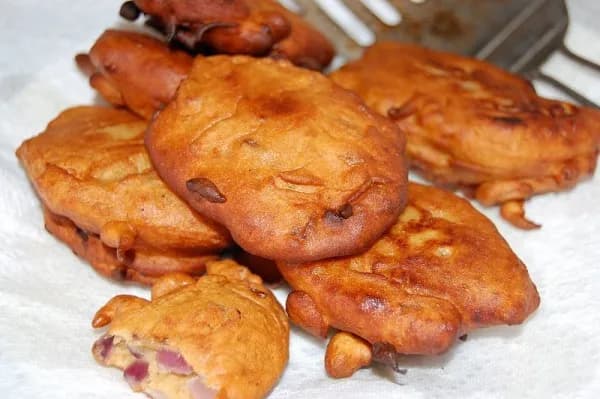
Gullisuwa is a Hausa fried pastry from Northern Nigeria, made from wheat flour worked with ground roasted peanuts and fried until crisp. The groundnuts are what distinguish it. They give the pastry a toasted, faintly sweet base that a plain flour dough does not have, and groundnuts are one of the defining crops of the northern Nigerian savannah.
It belongs to celebration rather than to the everyday. Gullisuwa appears at weddings, at festive occasions and as street food, made in quantity because it keeps well and travels well, and it is offered to guests as part of the spread rather than served as a course. That is the usual position of a fried snack in Hausa hospitality: present, plentiful and not the point of the meal.
Its exact origin is not documented. What can be said is that it belongs to the Hausa, that it has been made for generations, and that Northern Nigeria's long trade and cultural connection with the Sahara and the Arab world is visible in a good deal of its sweet and fried food. Beyond that, the specific lineage of gullisuwa is not recorded, and the honest position is to say so rather than to construct one.
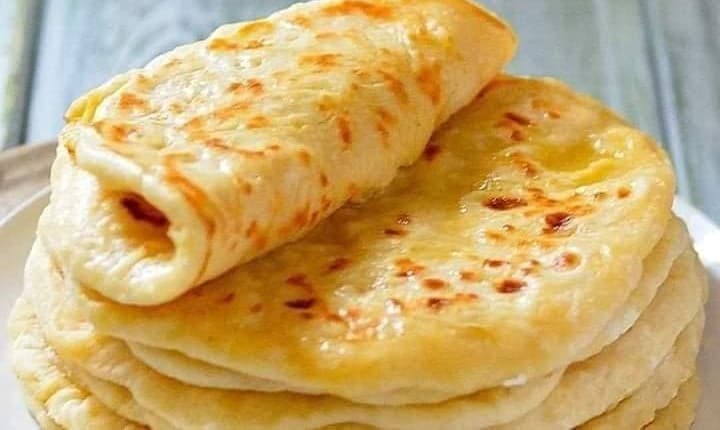
The Nigerian pancake, known colloquially as diet, is thin, dense and slightly crisp at the edges, and it is savoury as often as it is sweet. Onion and ground pepper go into the batter alongside the sugar, which produces something no other pancake tradition attempts: sweet, savoury and faintly hot in the same mouthful.
It sits a long way from the thick fluffy pancake of the American breakfast table. There is no raising agent and no attempt at height. The batter is loose, the pan is tilted to spread it thin, and the result has a dense bite and a lacy edge. Nigerians eat it at breakfast with tea, and just as readily as an afternoon snack with a cold drink.
What it is served with follows the same double logic as the batter. Honey, sugar, condensed milk, peanut butter and fresh fruit on the sweet side; pap, custard, oats and yogurt drinks such as kunu aya or zobo alongside. It is home food and street food at once, cheap to make from things most Nigerian kitchens already hold, and it belongs to no particular region of the country, which is unusual enough to be worth noting.
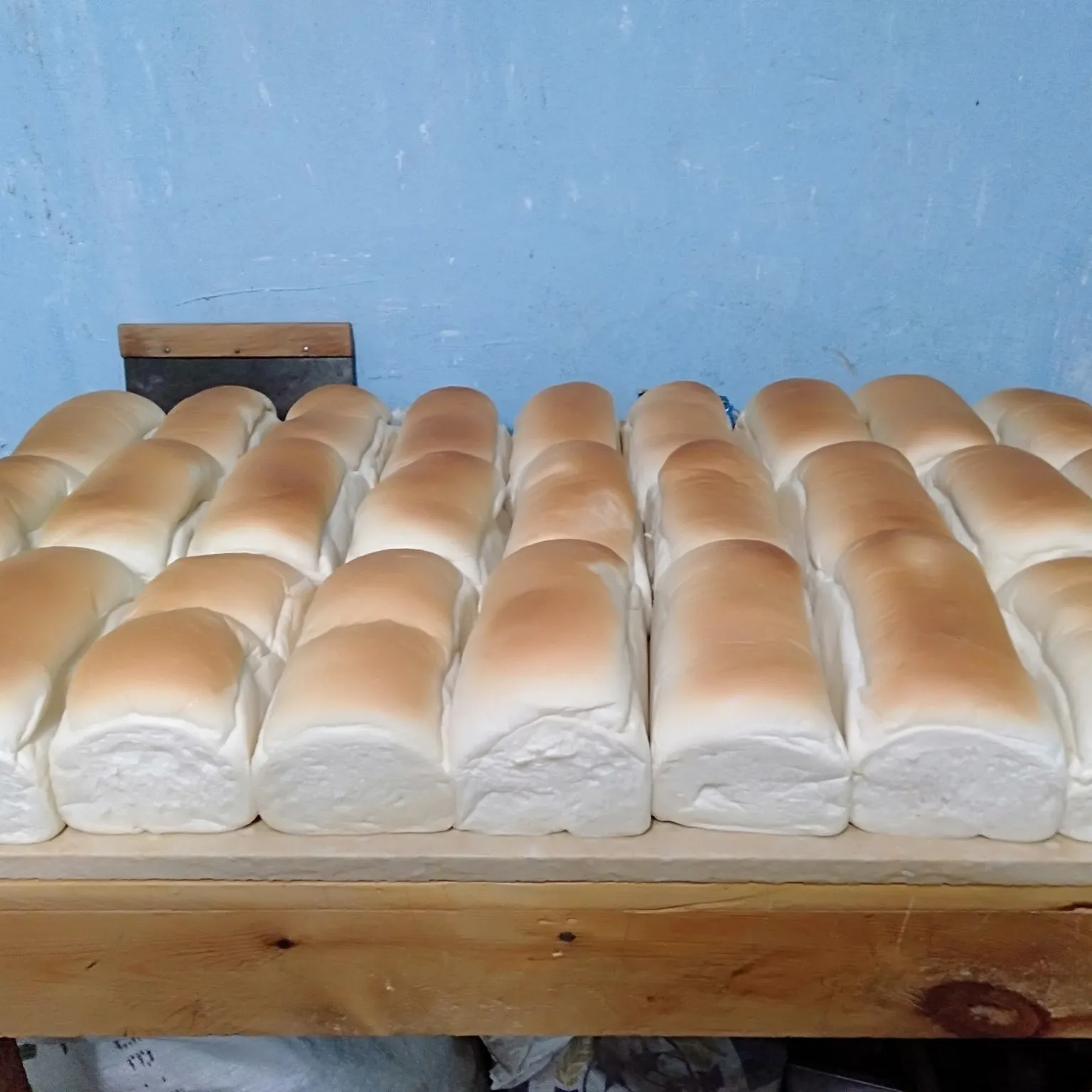
Agege bread is named for a suburb of Lagos, and the naming is the whole story: a bread so associated with one district that the district's name became the product. It is soft, pillowy, slightly sweet, and it pulls apart in strands rather than tearing cleanly, which is the texture Lagosians recognise before they taste anything.
It is street food infrastructure. Agege bread is sold from bread hawkers' trays and roadside stands across Lagos and far beyond it, and its most characteristic use is the simplest one: torn and dipped into stew, particularly the pepper stews sold at the same roadside. It is also split around fried egg, sardines, butter or beans, and eaten walking.
The bread has become a piece of Lagos shorthand, standing in for a whole way of eating in the city, and for many Nigerians abroad it is the specific bread they mean when they say they miss bread from home. That reputation has produced a persistent confusion with Jamaican hardo bread, which it resembles in shape and softness. Agege bread is Nigerian, from Lagos, and named for the place that made it.
Dietary tags are provided by contributors as a guide, not verified by AFN, and they depend on the products you buy. If you have a serious allergy, check every ingredient yourself. Cooking, allergies and your own judgement