We use essential cookies to make the site work. We would also like to set analytics cookies and advertising cookies, but only if you agree. You can choose each one separately. Read our cookie policy

Loading
Nigerian Recipes
From Igbo Yam Porridge to Semovita, Amala to Ogi (Nigerian Pap). Everything Nigerian cooks, as it is cooked at home.
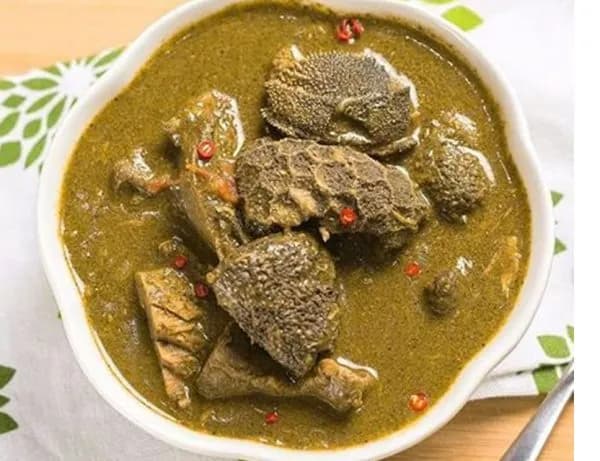
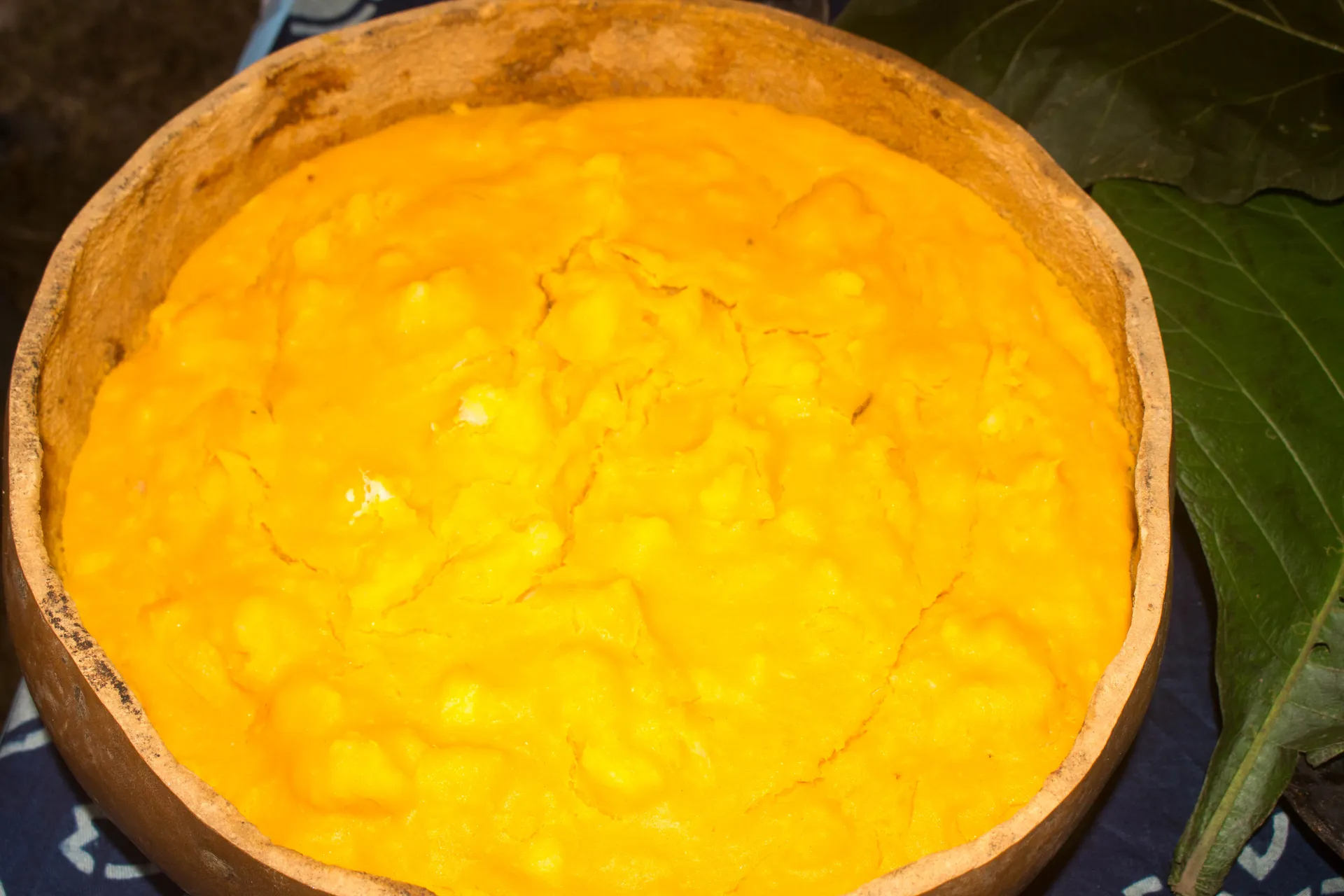
Miyan kuka is Hausa soup made from powdered baobab leaves, and it is the one Northern Nigerian dish that people warn you about before they serve it. It is dark green, mucilaginous and thick, and it does not look like anything anyone finds appetising on first sight. Northerners are entirely aware of this and serve it anyway, because the taste is not in dispute even where the appearance is.
Kuka is the dried and ground leaf of the baobab, sold as a dark green powder in markets across the north and instantly recognisable to anyone who has shopped there. The powder is whisked into a seasoned stock at the very end of cooking, which is where the soup gets both its body and its drawing texture. It is also called luru.
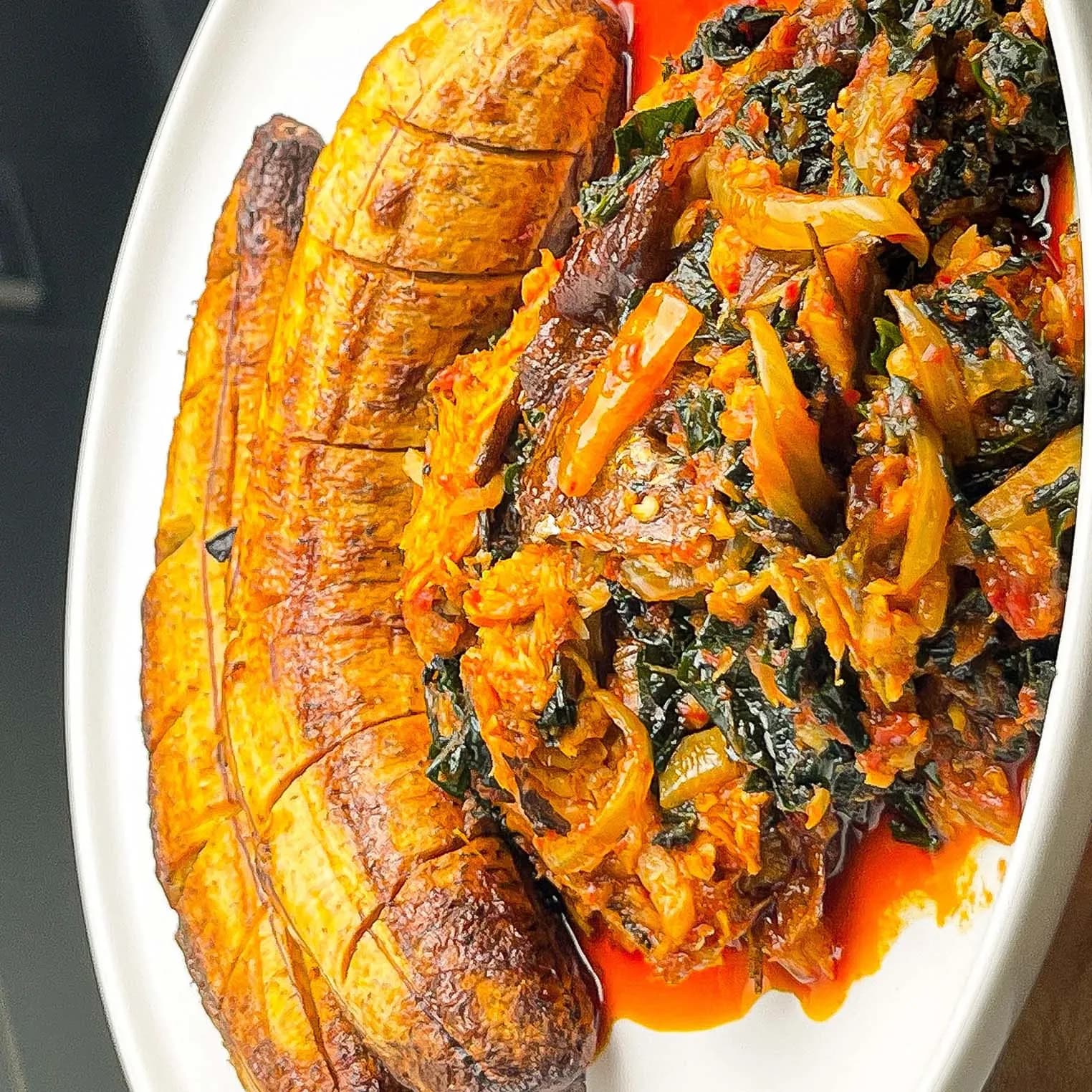
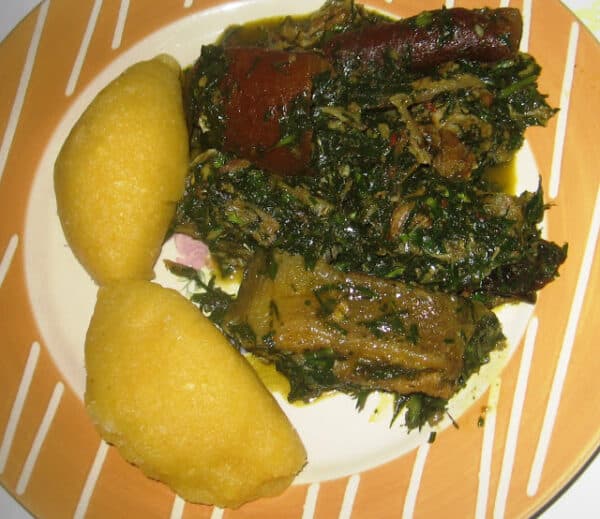
Nigeria's soups map closely onto its peoples, and miyan kuka is the north's entry in that map: Yoruba households have ewedu, Igbo have ofe ugba, Edo have bitter leaf soup, the riverine south has fisherman soup. Miyan kuka is eaten with tuwon shinkafa, tuwon dawa or any swallow, and it is one of the dishes that is genuinely better on the second day, which is a claim its cooks make readily and which holds up.
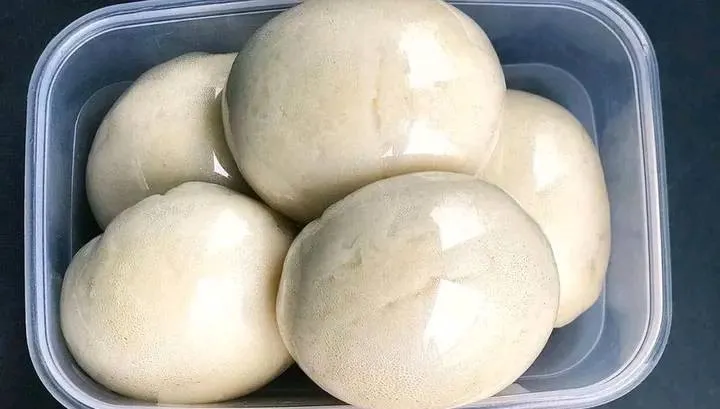
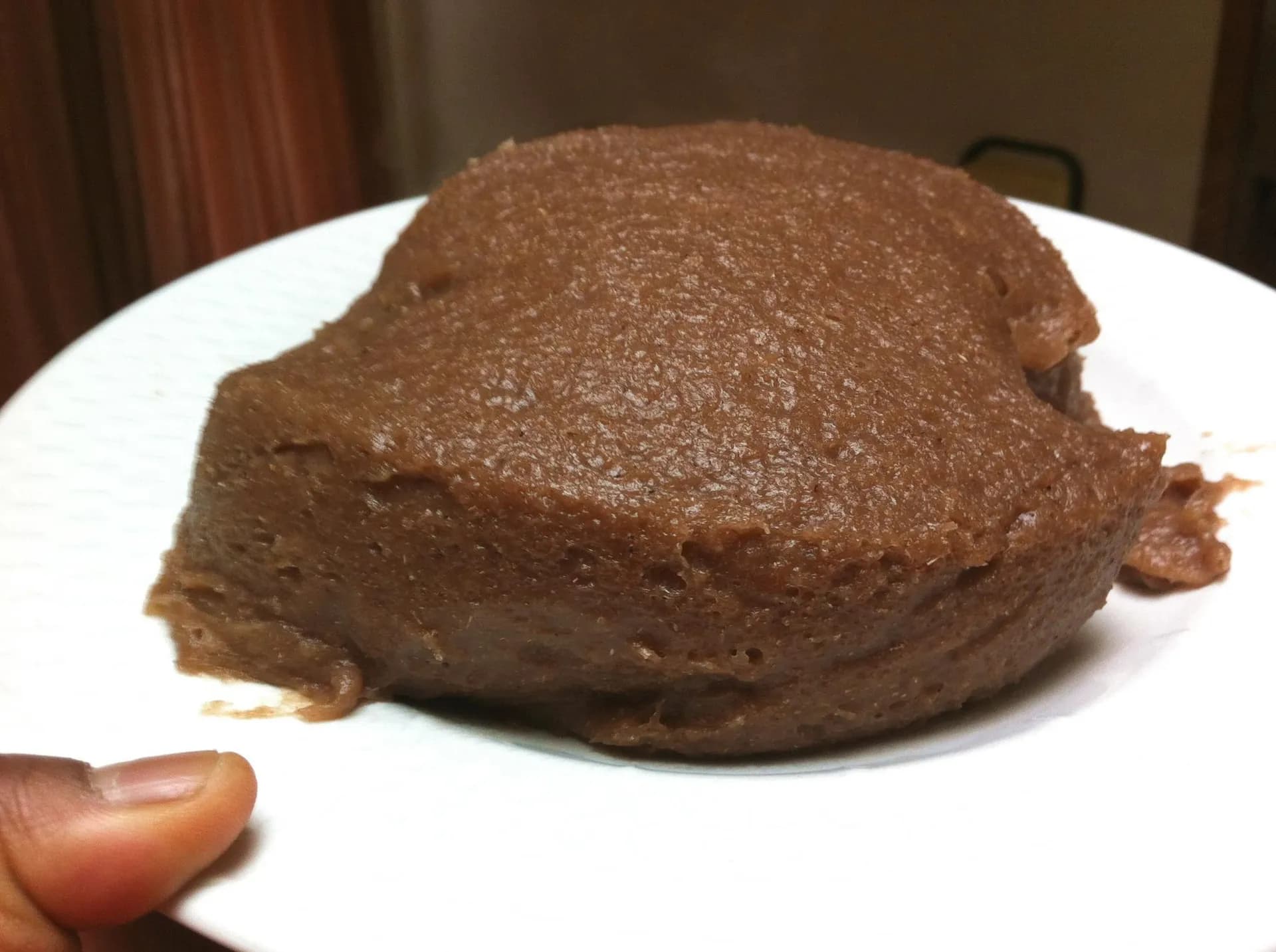
Amala is the swallow of the Yoruba southwest, and it is the darkest thing on a Nigerian table. Yam is peeled, cut, dried and milled into a flour called elubo, and the drying turns the white tuber brown. In boiling water that brown becomes near black, which is the colour amala is known by and which surprises people who expect a starch to be pale.
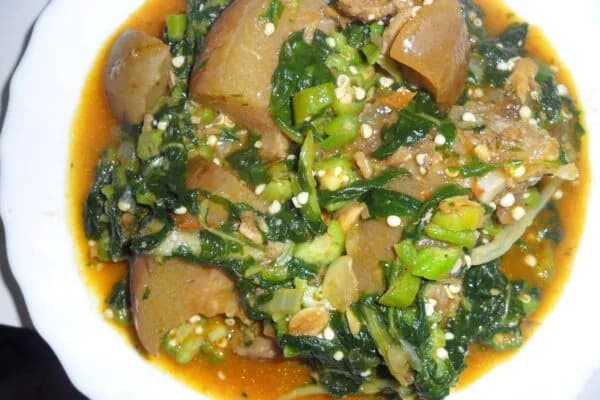
Its home is Oyo State, and Ibadan in particular. The pairing of amala with ewedu, the jute leaf soup, is treated in Ibadan as something close to a civic institution, and the same seriousness attaches to it in Lagos, where you will not find a buka without it on the menu. Yoruba speakers make the comparison directly: amala and ewedu stand to an Ibadan person as akpu and ofe onugbu stand to an Igbo one.
Three flours make three amala. Elubo isu, from yam, is the standard and gives the dark version. Lafun, from cassava, gives a white amala and is a different dish in practice. Elubo ogede, from unripe plantain, is lighter in colour and lower in starch. The technique is unforgiving in one specific way: the flour must go into water that has been taken off the heat, or it lumps, and lumps in amala are the fastest way to ruin it.
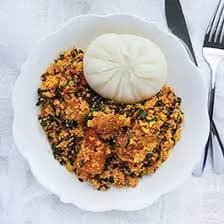
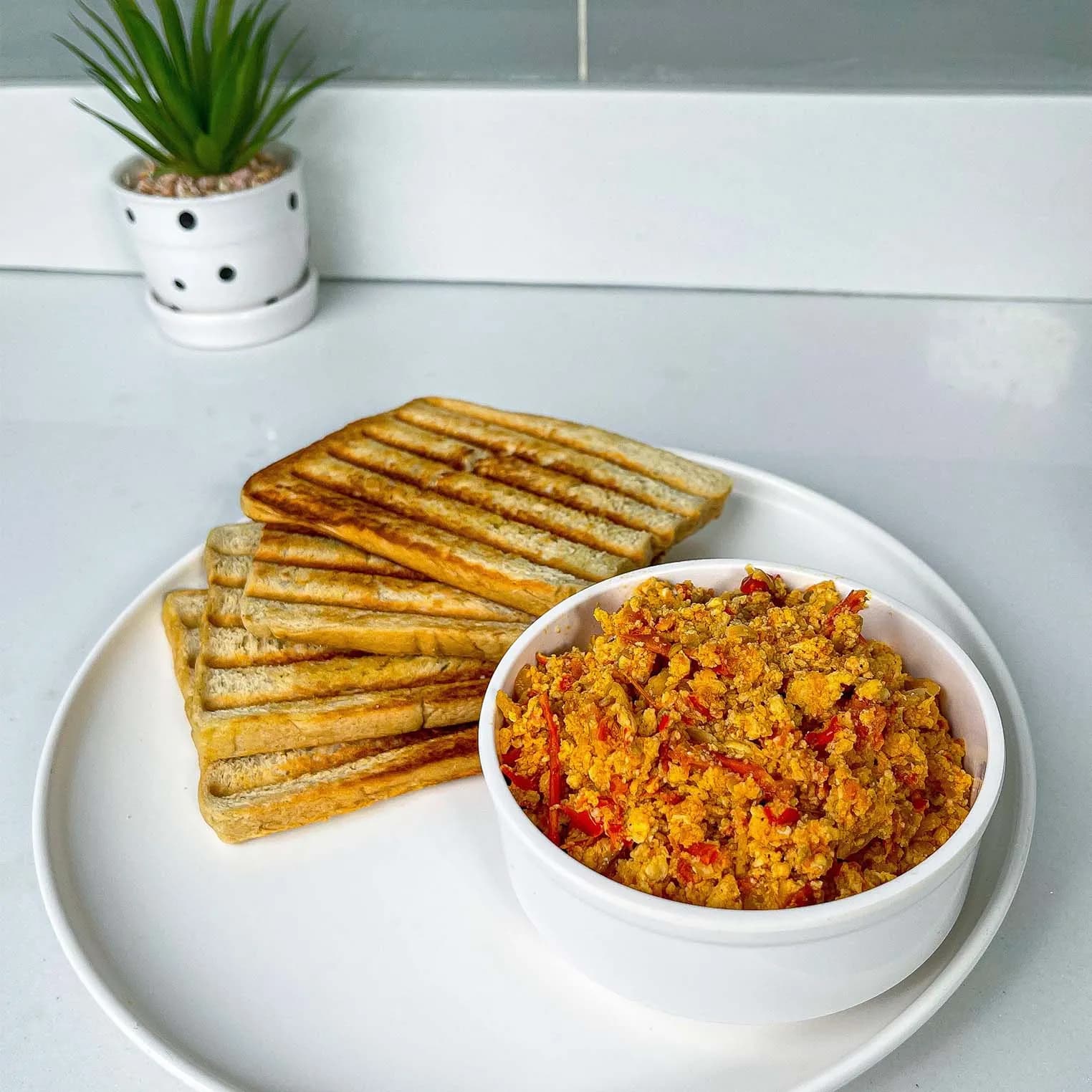
Egg sauce is a Nigerian breakfast staple: eggs cooked into a base of tomato, onion and scotch bonnet until scrambled through it. It is what plain yam is most often eaten with, and it is one of the fastest hot meals in the Nigerian repertoire.
What separates it from an omelette or from scrambled eggs is that the tomato base comes first. Onion and pepper are softened, tomatoes cooked down until they release their juices and soften, the seasoning goes in, and only then do the beaten eggs. The eggs are stirred through so the whole thing becomes one sauce rather than eggs with sauce on top.
Two ingredients in this version are worth noticing. Sesame oil in place of vegetable oil is unusual in a Nigerian kitchen and gives a distinctly nutty background, and curry powder alongside is a Nigerian habit rather than an Indian one. Both are the contributor's choices rather than the standard. Egg sauce is genuinely close to what is elsewhere called egg stew, and the two names are used for much the same dish across Nigeria and Ghana, with the difference usually being consistency rather than method.
Oyster mushrooms grilled and tossed in suya spice. It is a plant-based version of the Nigerian street food, and it works better than most meat substitutions do.
**The traditional suya spice contains ground peanuts, and this recipe includes them.** The source flags it and offers to leave them out, which is honest, but it is worth stating clearly, because a peanut allergy and a suya spice blend are a genuinely dangerous combination and the name gives no warning.
Suya proper is skewered beef, ram or chicken rubbed in yaji, the spice blend of ground roasted peanuts, ginger, cayenne, garlic, onion powder and paprika, and grilled over open coals. It is Hausa in origin, from northern Nigeria, and it is sold across Nigeria, Cameroon, Niger, Ghana and parts of Sudan. Kyinkyinga is the Ghanaian name, agashe the Sudanese.
Oyster mushrooms are the right substitution and not an arbitrary one. Shredded, they have a fibrous, layered structure that genuinely resembles pulled meat, they take on the dry rub readily, and they char well. Most vegetables do neither.
The source's method is very compressed, one step reads "put in a preheated medium", with the word oven missing, and has been filled out below.
Dietary tags are provided by contributors as a guide, not verified by AFN, and they depend on the products you buy. If you have a serious allergy, check every ingredient yourself. Cooking, allergies and your own judgement