We use essential cookies to make the site work. We would also like to set analytics cookies and advertising cookies, but only if you agree. You can choose each one separately. Read our cookie policy

Loading
Ethiopian Recipes
Browse the archive by country, course and cooking time.
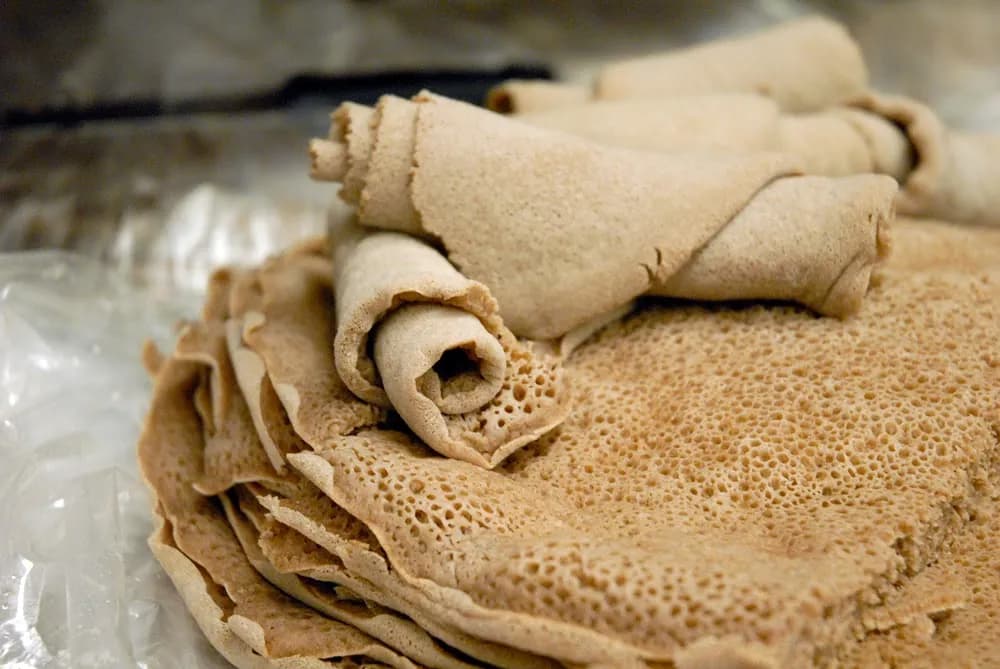
Kitcha is an unleavened Ethiopian and Eritrean flatbread, wheat flour, water and salt, rolled thin and cooked dry in a pan on both sides until it colours in characteristic dark spots.
It is written ቂጣ in Amharic and ቂቻ in Tigrinya, and it belongs to both traditions. Its simplicity is the point: no yeast, no rising time, three ingredients. It is the bread you make when bread is needed now, and it is one of the first things many people learn to cook.
It is usually served warm with melted spiced butter, which turns something plain into something rich. Chilli and cardamom are sometimes worked into the dough itself.
Its most important role is as the base of fit-fit, also called fir-fir, where the bread is torn into pieces and mixed with spiced butter, berbere and sometimes stew, and eaten with the hands. Kitcha fit-fit is a breakfast staple across Ethiopia and Eritrea, and it is the reason kitcha is often made in quantity: the bread is the ingredient rather than the finished thing.
The dark spots that appear during cooking are correct, not a mistake.
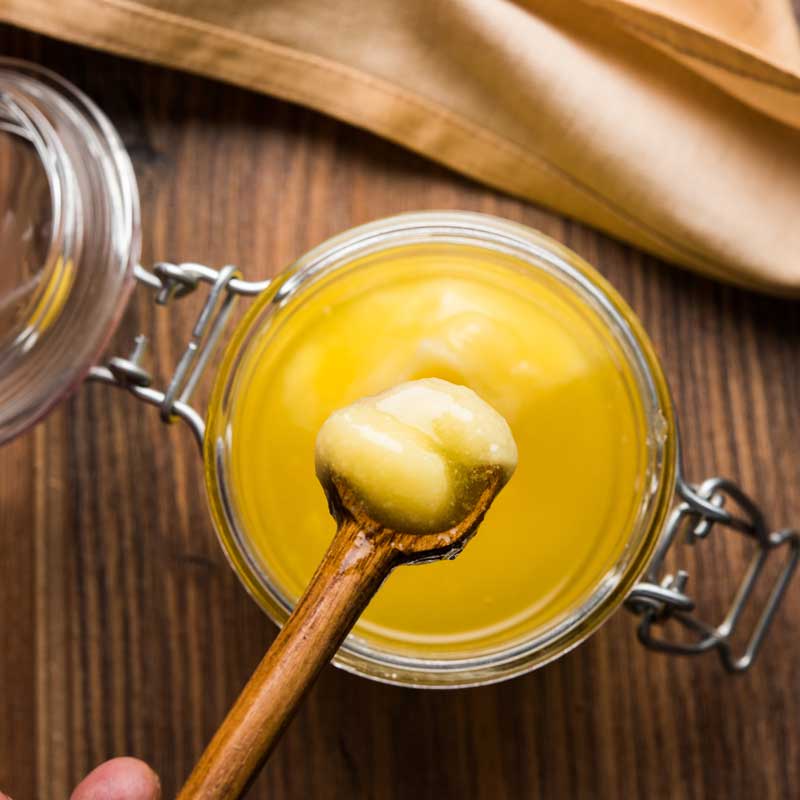
Niter Kibbeh is Ethiopia's foundational cooking fat, clarified butter slowly infused with a complex blend of aromatics including onion, garlic, ginger, turmeric, cardamom, cinnamon, and fenugreek. The result is a golden, fragrant fat that carries layers of warm spice into every dish it touches, and it is used across Ethiopian cooking as both a cooking medium and a finishing sauce. Unlike regular clarified butter, which is neutral in flavour, Niter Kibbeh is a flavour carrier of extraordinary complexity. A single spoonful transforms a dish. It is used to make Doro Wat, Tibs, and countless other Ethiopian preparations, and its production at home rather than purchase is a point of culinary pride in Ethiopian households.
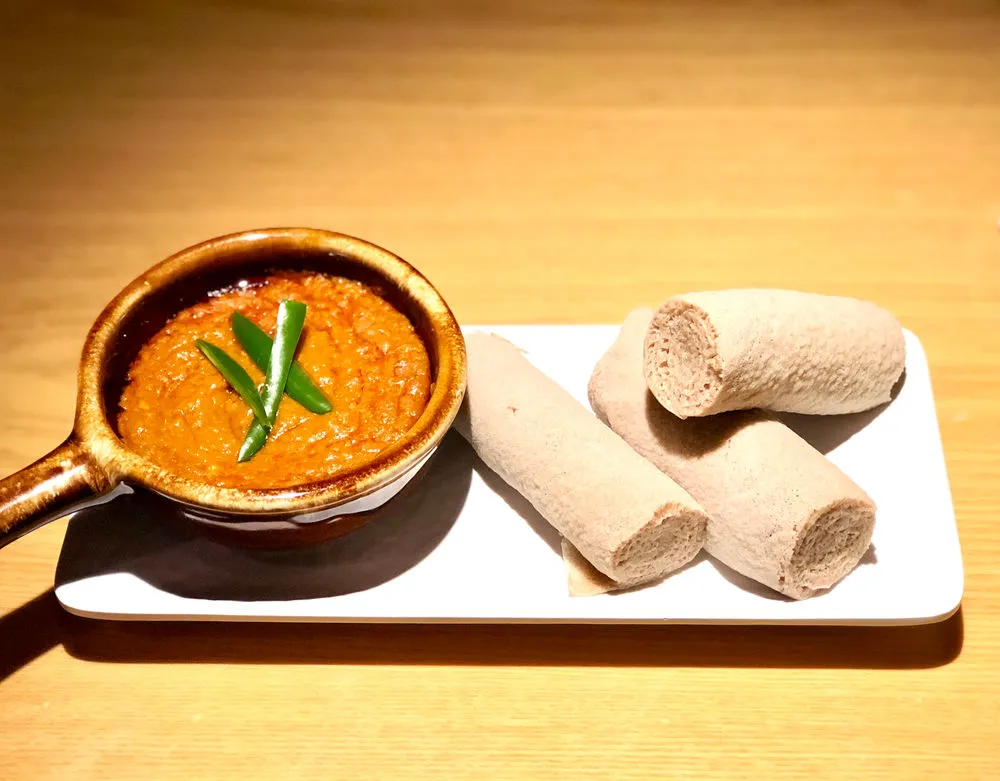
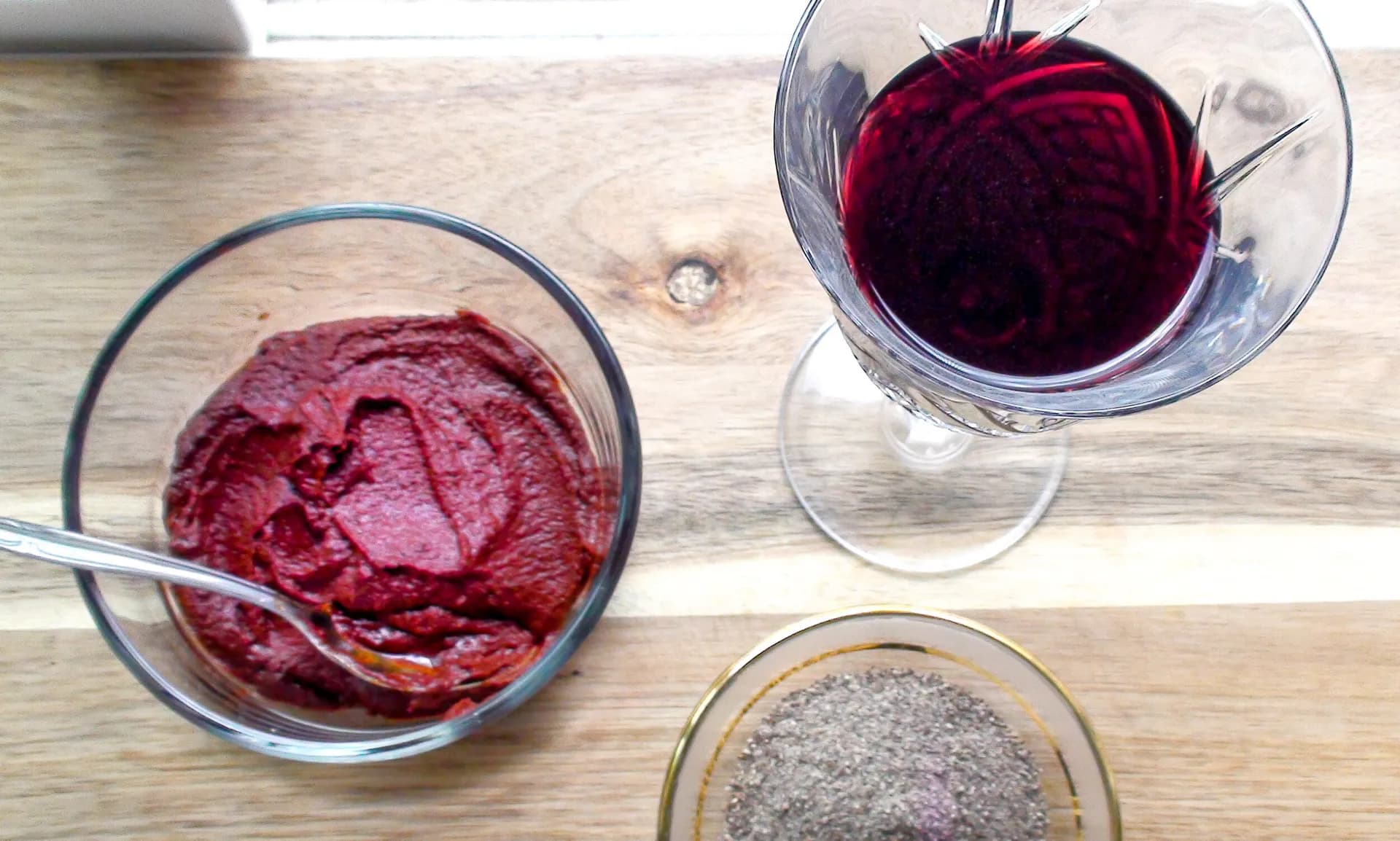
Awaze is the Ethiopian red chilli paste, built on berbere and loosened with an alcoholic liquid into a thick dip. It is extremely hot, it takes five minutes to make, and it goes with almost everything on an Ethiopian table.
Berbere is what it is built on, and berbere is itself a blend: dried chillies, garlic, ginger, onion, rue seeds, cardamom, cloves and cinnamon. Awaze takes that and turns it into something spoonable. The liquid matters more than it sounds. Traditionally it is tej, the Ethiopian honey wine made with gesho, the shiny-leaf buckthorn, or areki, a strong spirit. This recipe uses red wine, which the contributor prefers and which is far easier to find.
Its traditional place is at celebrations. Awaze is made for weddings and special occasions and served with raw meat, and gored gored, cubed raw beef with dipping sauce, is considered by many an unofficial national dish that no Ethiopian celebration is complete without. That is worth knowing about what the dip is for. Because of the wine, this is not alcohol-free, and mitmita, the other Ethiopian chilli blend with pili-pili peppers and cardamom, is a related but different thing.
Shiro wat is ground chickpea stew, and it is among the most eaten dishes in Ethiopia and Eritrea. Onion, garlic, tomato and berbere are cooked down in oil, chickpea flour is whisked in, and the result thickens to something between a thick gravy and a puree, smooth enough to spread and eaten with injera.
Its position has a great deal to do with the religious calendar. Ethiopian Orthodox practice includes a very large number of fasting days, on which no meat, eggs or dairy are eaten, and shiro contains none of them. It is standard on Wednesdays and Fridays, through the eight weeks of Tsom, the Great Lent, and it is eaten during Ramadan by Ethiopian and Eritrean Muslims too. That is a dish serving two religions in one country without modification.
It is also cheap and quick, which explains the rest of its reach. Shiro powder, sold ready mixed with the spices already in it, is available across Ethiopia and increasingly abroad, in two kinds: mitten shiro, which is red and carries berbere, and netch shiro, which is white and mild. The dish takes different forms by consistency and name: shiro fessess is runny and served over injera with chillies, shiro tegamino is thick and cooked in an earthenware pot until it bubbles and caramelises at the base, and shiro fit fit shreds injera through it for breakfast.
Dietary tags are provided by contributors as a guide, not verified by AFN, and they depend on the products you buy. If you have a serious allergy, check every ingredient yourself. Cooking, allergies and your own judgement