We use essential cookies to make the site work. We would also like to set analytics cookies and advertising cookies, but only if you agree. You can choose each one separately. Read our cookie policy

Loading
Recipes
Browse the archive by country, course and cooking time.
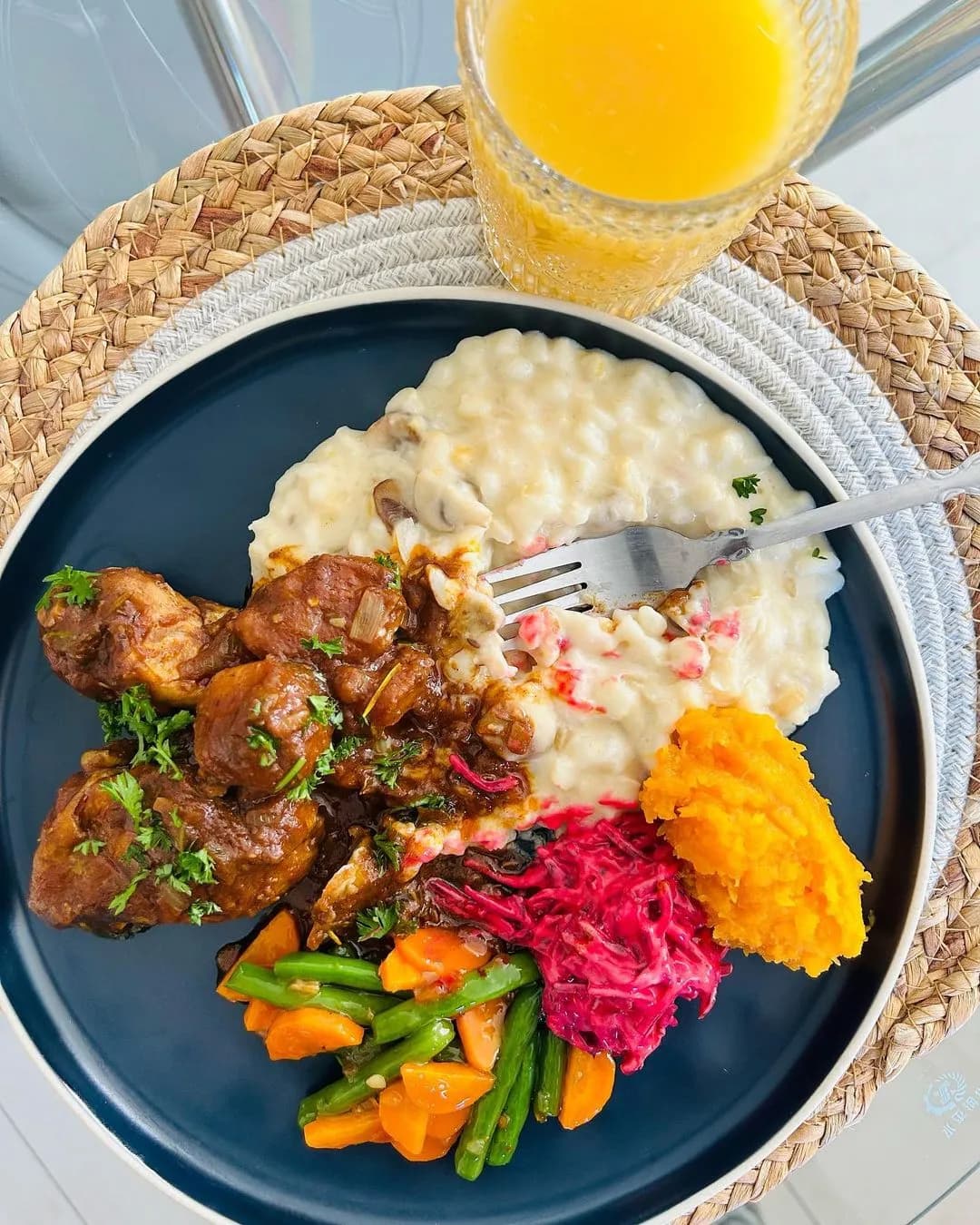
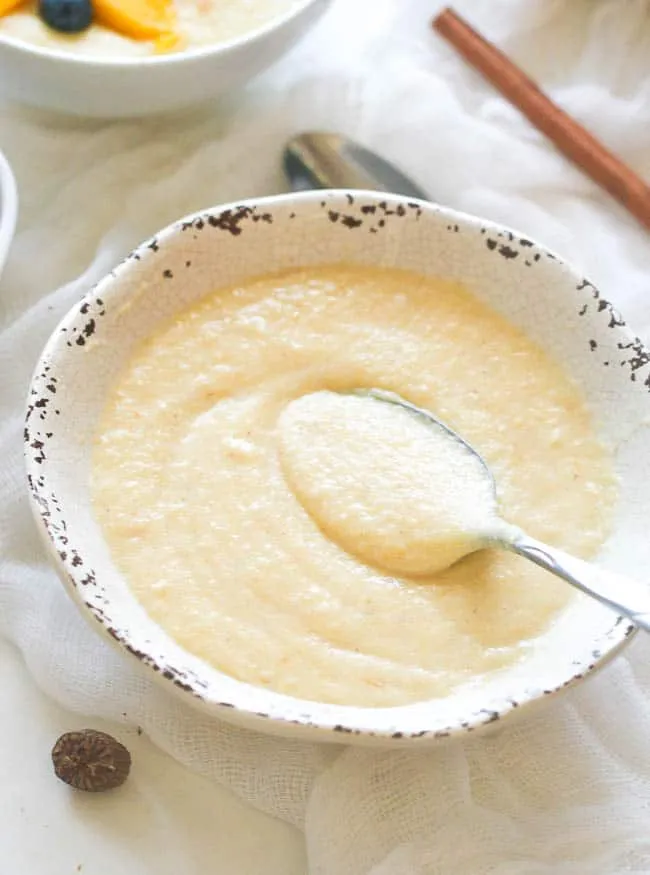
Samp is dried maize kernels, stamped to crack the hulls and break the grain into coarse pieces. It is eaten in place of rice or mealie meal across South Africa, and it holds a chewy, distinctly grainy texture that neither of those has. Different communities cook it differently: with beans as umngqusho, on its own with a little seasoning, or with meat worked through it.
Its defining property used to be time. Conventional samp takes about three hours, which puts it beyond a weekday for most households and placed it firmly at weddings, traditional ceremonies and funerals. There is a South African joke that turns on exactly this: warn someone about risky behaviour and the reply is that everyone will eat samp at the funeral, because that was the reliable place to find it on a menu.
Quick cook samp changed that. Processed to cook in around thirty minutes, it moved the dish from the occasion to the ordinary week, and the reason it caught on is as much about electricity as about time. Three hours on a stove is expensive in a country with an unreliable supply. This creamy version, finished with mushroom, cheese and milk, is what samp looks like once it stopped being ceremonial.
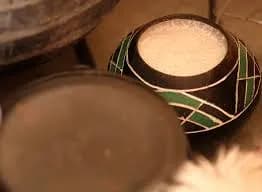
Umqombothi is Xhosa beer, brewed from maize meal, maize malt and sorghum malt. It is thick, cloudy, sour smelling and low in alcohol, usually under three per cent, and it is not made to be compared with lager. It is a different category of drink with a different purpose.
Its purpose is ceremonial before it is social. In Xhosa practice umqombothi is brewed for the return of the abakwetha, the young men coming back from ulwaluko, the initiation and circumcision rite. It is central when families communicate with the amadlozi, the ancestors, and it appears at traditional weddings, funerals and imbizo, the community meetings where matters are decided. A gathering of consequence has umqombothi at it, and its absence would be noticed as a statement.
The drink is not confined to South Africa. Sorghum beer is brewed across the continent under many names: dolo in Burkina Faso, pito in Nigeria, ingwebu among the Ndebele of Zimbabwe, which is their word for froth. Brewing is done outdoors over an open fire, cooled at ambient temperature, and the recipes are held within families and passed down rather than written.
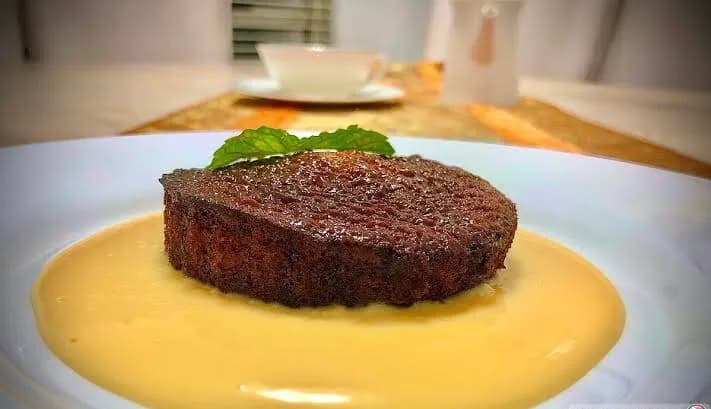
Boeber is a Cape Malay sweet milk drink, thick with vermicelli and sago and scented with cardamom, cinnamon and rose water. It sits somewhere between a drink and a pudding, and Cape Town households do not find the ambiguity a problem.
Its place in the calendar is precise. Boeber is served on the fifteenth night of Ramadan, marking the midpoint of the fast for those who have completed the first fifteen days. That single fixed date gives it a weight that a dish eaten year round does not carry: it belongs to a moment, and its appearance signals that the moment has arrived.
The drink comes from the Cape Malay community, whose ancestors were brought to the Cape from Indonesia, India and East Africa, and boeber carries the marks of all three. It has close relatives across that map. Malaysians break the fast with bubur lambuk, a porridge; Trinidadian households serve sawine at Eid al-Fitr; kheer and payasam on the Indian subcontinent are its nearest kin, most likely carried to the Cape by enslaved and later indentured Indians. In South Africa itself, the Afrikaans melkkos is the comparable dish. Boeber is what all of those became in one place.
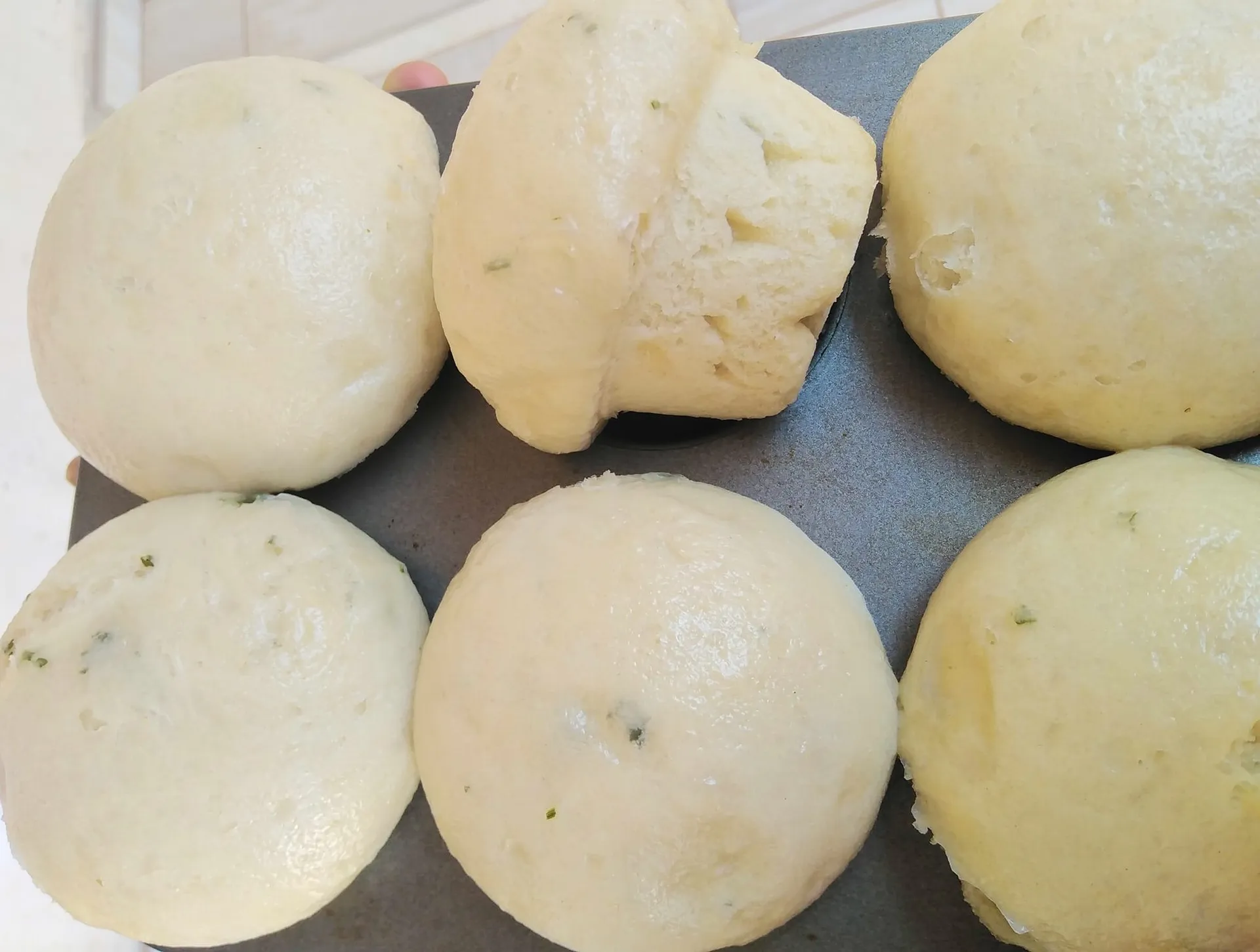
Dombolo is South African steamed bread, and it occupies a particular place in the country's kitchens because it is bread that never sees an oven. Where a loaf is baked in dry heat, dombolo rises under a lid over water, and the result is soft, dense and slightly damp in a way no baked bread achieves.
It belongs to the stew. Dombolo is not eaten alone and is not a side thought about separately. It arrives with chicken stew, beef stew, oxtail, lamb or tripe, and its job is to take up the gravy that the meat has spent hours building. In Zulu households the same technique produces jeqe, and the distinction between the two names is one that South Africans hold firmly even when it is drawn differently from one family to the next: broadly, jeqe is steamed as its own loaf, while dombolo is the dough set to rise over the pot the stew is already in.
It is Sunday food and gathering food, made in quantity, cut into wedges at the table, and eaten with the hands.
Dietary tags are provided by contributors as a guide, not verified by AFN, and they depend on the products you buy. If you have a serious allergy, check every ingredient yourself. Cooking, allergies and your own judgement