We use essential cookies to make the site work. We would also like to set analytics cookies and advertising cookies, but only if you agree. You can choose each one separately. Read our cookie policy
Loading
Recipes
Browse the archive by country, course and cooking time.
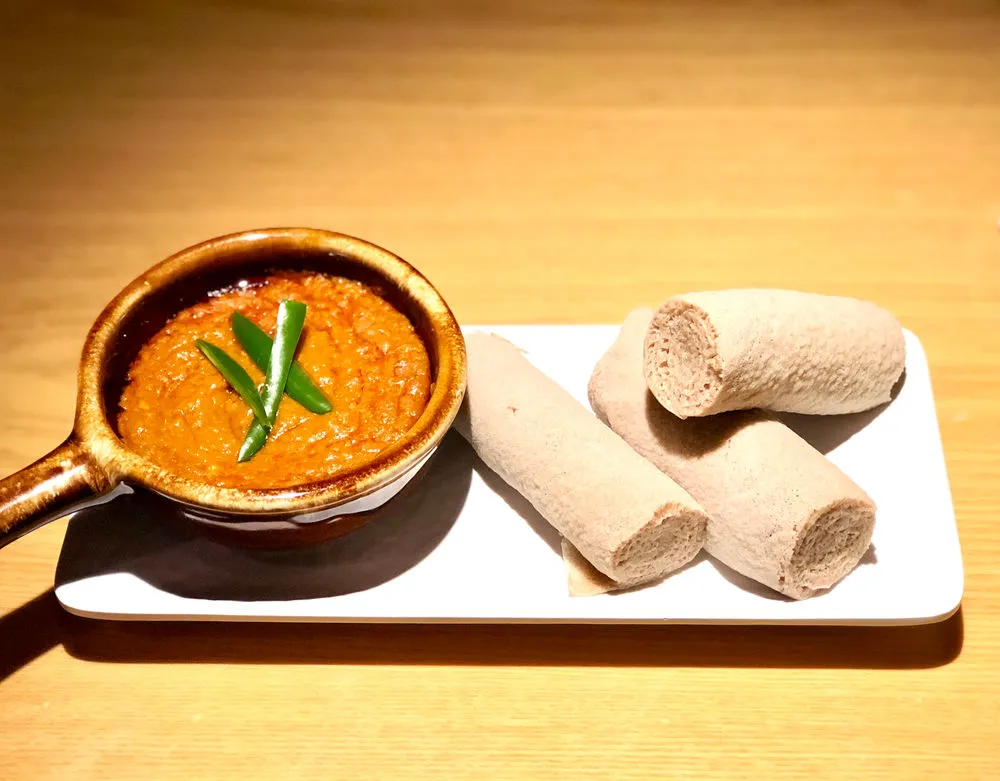
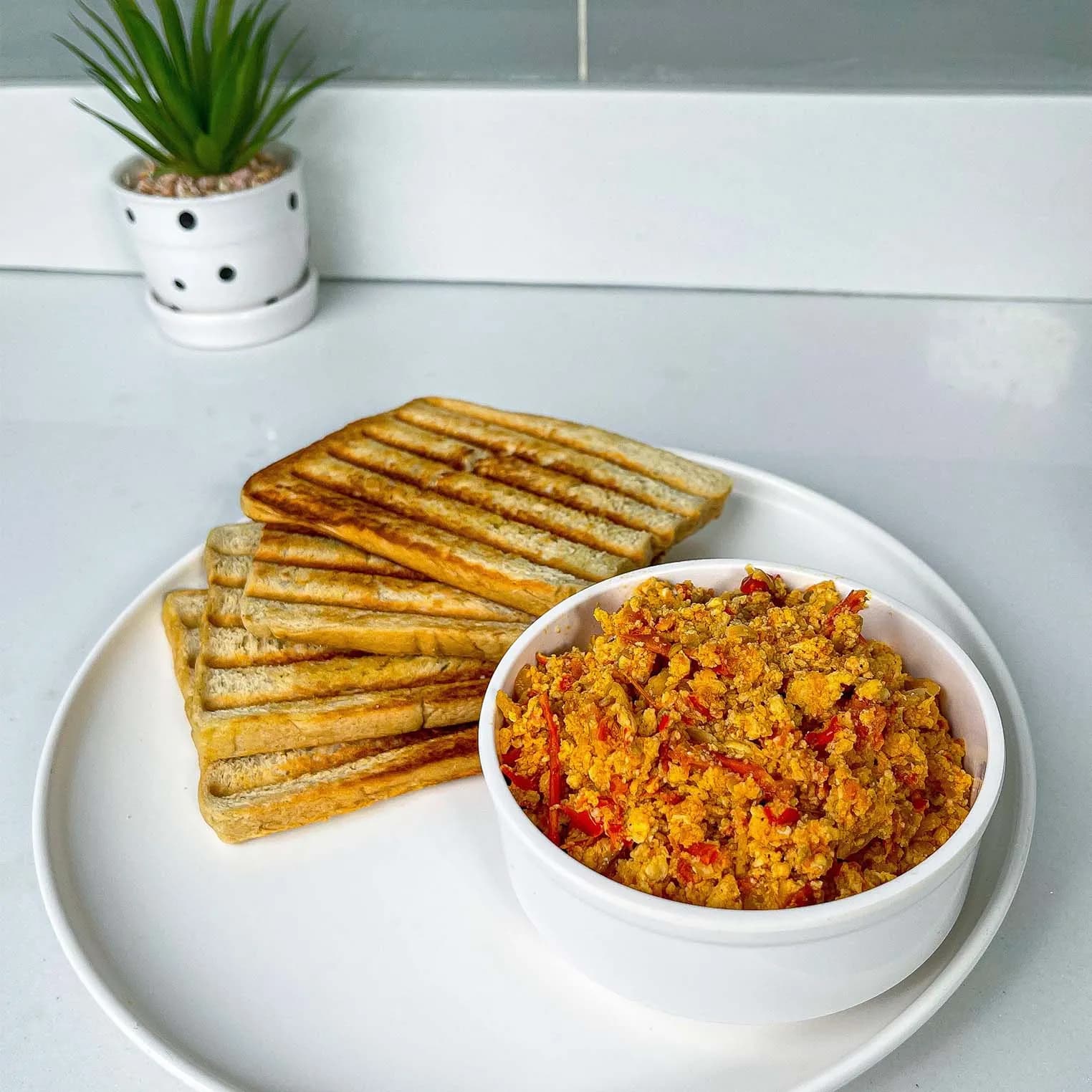
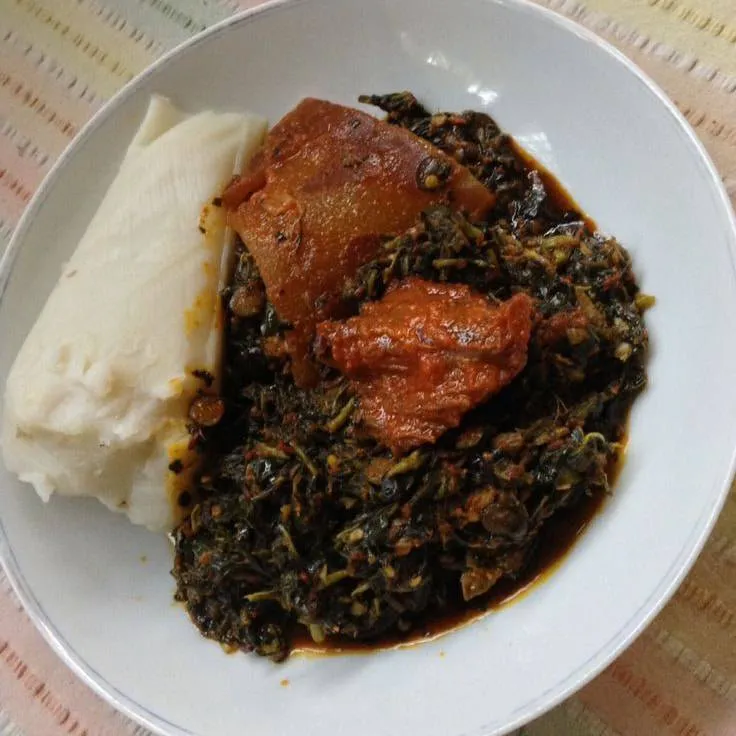
Shiro wat is ground chickpea stew, and it is among the most eaten dishes in Ethiopia and Eritrea. Onion, garlic, tomato and berbere are cooked down in oil, chickpea flour is whisked in, and the result thickens to something between a thick gravy and a puree, smooth enough to spread and eaten with injera.
Its position has a great deal to do with the religious calendar. Ethiopian Orthodox practice includes a very large number of fasting days, on which no meat, eggs or dairy are eaten, and shiro contains none of them. It is standard on Wednesdays and Fridays, through the eight weeks of Tsom, the Great Lent, and it is eaten during Ramadan by Ethiopian and Eritrean Muslims too. That is a dish serving two religions in one country without modification.
It is also cheap and quick, which explains the rest of its reach. Shiro powder, sold ready mixed with the spices already in it, is available across Ethiopia and increasingly abroad, in two kinds: mitten shiro, which is red and carries berbere, and netch shiro, which is white and mild. The dish takes different forms by consistency and name: shiro fessess is runny and served over injera with chillies, shiro tegamino is thick and cooked in an earthenware pot until it bubbles and caramelises at the base, and shiro fit fit shreds injera through it for breakfast.
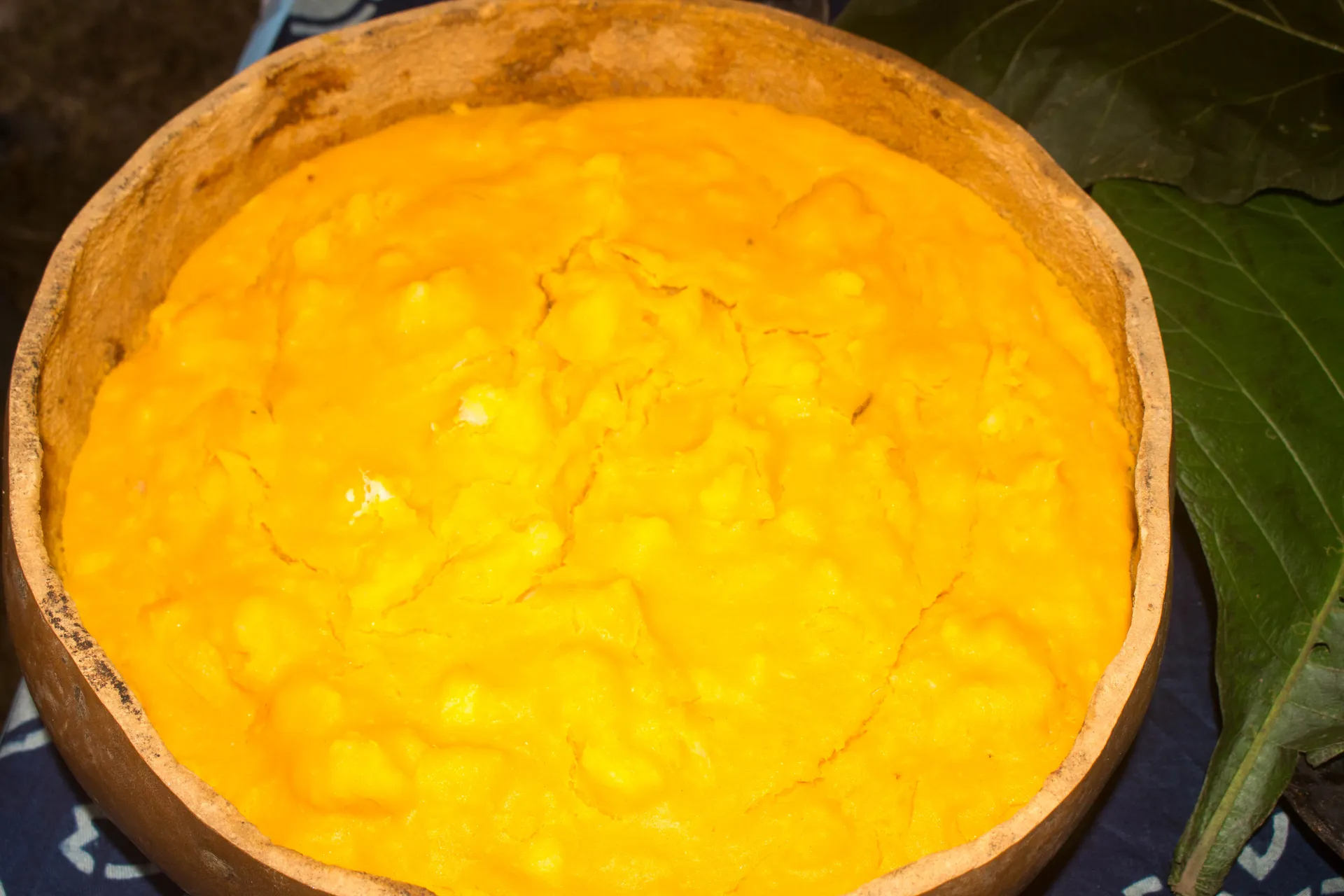
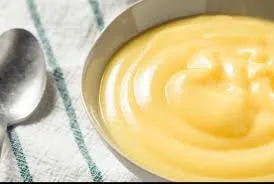
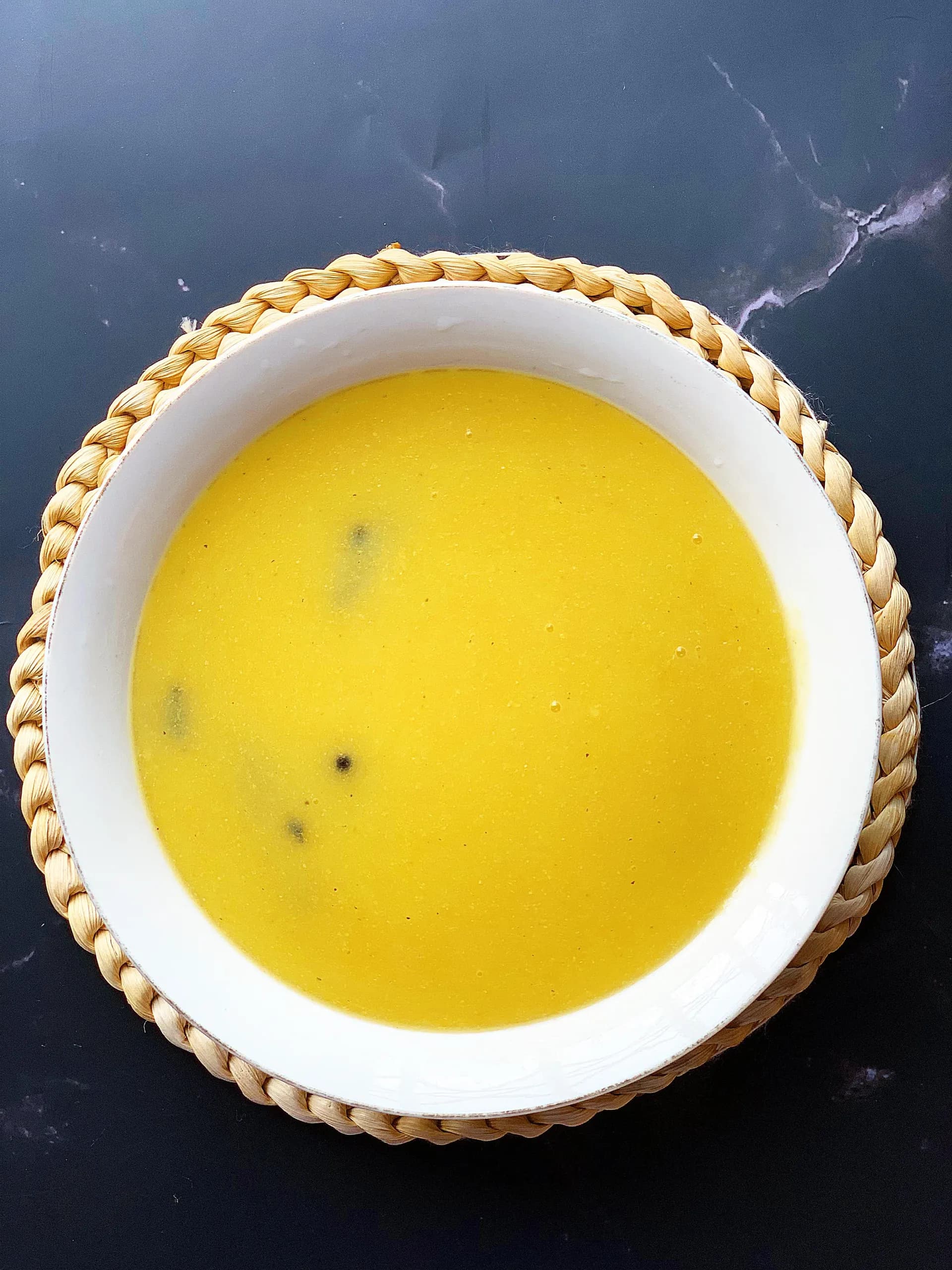
Ogi is fermented cereal porridge, sour, smooth and pale, and it is among the first things most Nigerians ever eat. It is called akamu in Igbo and pap in English, and it is made from maize, sorghum or millet steeped in water for up to three days, wet milled, sieved to remove the husks, and then fermented for several more days until it turns distinctly sour.
That sourness is the point and it is what separates ogi from any other cereal porridge. It also does real work: fermentation makes the grain more digestible and gives ogi a probiotic character, which is a large part of why it has been the standard weaning food for Nigerian infants for generations and why it is given to people who are unwell or recovering.
The same base goes in two directions. Thinned and cooked, it is the porridge eaten at breakfast with akara, moin moin, fried plantain or bread. Cooked much thicker and left to set, it becomes agidi or eko, sliced and eaten with pepper soup or stew. Across the region the names change without the thing changing much: koko in Ghana, uji in Kenya, where it is more often made from millet and sorghum. Three grains are used in Nigeria, and white corn, yellow corn and guinea corn each give a slightly different result.
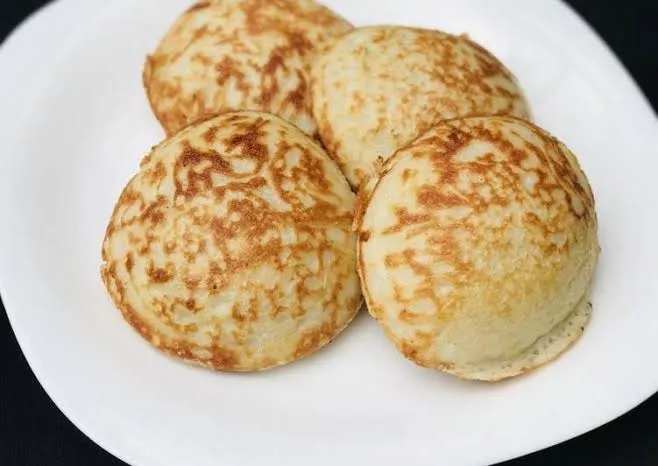
Masa, also called waina, is a fermented rice cake from the Hausa of Northern Nigeria: small, round, spongy underneath and browned on the surface, cooked in a dedicated pan with shallow round wells. It belongs to the Hausa, one of the largest ethnic groups in Africa, and it is among the dishes most closely identified with them.
The fermentation is what makes it. Rice is soaked, ground with cooked rice, and left to rise overnight, and the mild sourness that develops is what separates masa from any other rice pancake. The holes that open across the surface as it cooks are the visible evidence of that ferment, and a masa without them has not been left long enough.
It is breakfast food and snack food, sold from street stands and in markets across the north, and it appears at celebrations and family gatherings. What goes with it varies by household and by time of day: honey, groundnut oil, a peppery stew, or yaji, the same spice blend used on suya. Masa is a dish that has held its association with one people while spreading well beyond them, which is a fair description of how Hausa food generally has travelled through Nigeria.
Yam is not simply a staple crop among the Igbo of south-eastern Nigeria. It is the crop, tied to land, status and the agricultural calendar in a way no other food is, and the yam that goes into this porridge carries that weight into an ordinary weekday meal.
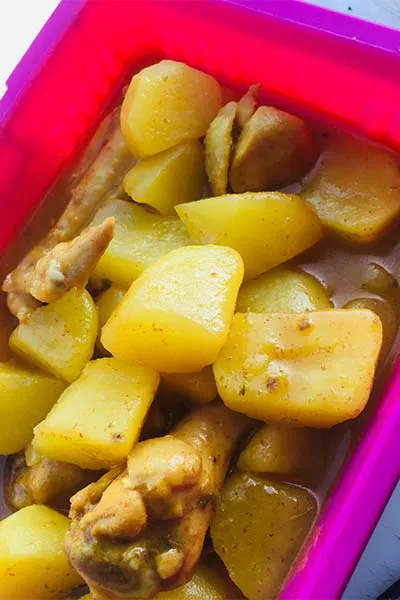
Yam porridge is the most direct way to eat it. Slices are cooked until they begin to break down and thicken their own liquid, so the dish is both the yam and the sauce it makes. What marks the version out as Igbo rather than as one of the several other Nigerian yam pottages is the seasoning: ogiri, the fermented seasoning made from oil bean or melon seed, and uziza leaves, whose peppery aroma goes in at the very end. Palm oil supplies the colour and the richness, crayfish the savoury base.
Ogiri is the ingredient that decides the dish. Its fermented depth is what separates an Igbo yam porridge from a Yoruba or Hausa preparation of the same root, and households that leave it out are making something else. The porridge is eaten at breakfast and as a light lunch, and it belongs to ordinary domestic cooking rather than to any occasion.
Dietary tags are provided by contributors as a guide, not verified by AFN, and they depend on the products you buy. If you have a serious allergy, check every ingredient yourself. Cooking, allergies and your own judgement