We use essential cookies to make the site work. We would also like to set analytics cookies and advertising cookies, but only if you agree. You can choose each one separately. Read our cookie policy

Loading
Recipes
Browse the archive by country, course and cooking time.
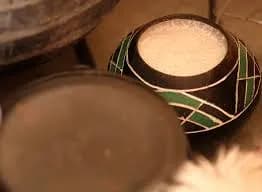
Umqombothi is Xhosa beer, brewed from maize meal, maize malt and sorghum malt. It is thick, cloudy, sour smelling and low in alcohol, usually under three per cent, and it is not made to be compared with lager. It is a different category of drink with a different purpose.
Its purpose is ceremonial before it is social. In Xhosa practice umqombothi is brewed for the return of the abakwetha, the young men coming back from ulwaluko, the initiation and circumcision rite. It is central when families communicate with the amadlozi, the ancestors, and it appears at traditional weddings, funerals and imbizo, the community meetings where matters are decided. A gathering of consequence has umqombothi at it, and its absence would be noticed as a statement.
The drink is not confined to South Africa. Sorghum beer is brewed across the continent under many names: dolo in Burkina Faso, pito in Nigeria, ingwebu among the Ndebele of Zimbabwe, which is their word for froth. Brewing is done outdoors over an open fire, cooled at ambient temperature, and the recipes are held within families and passed down rather than written.
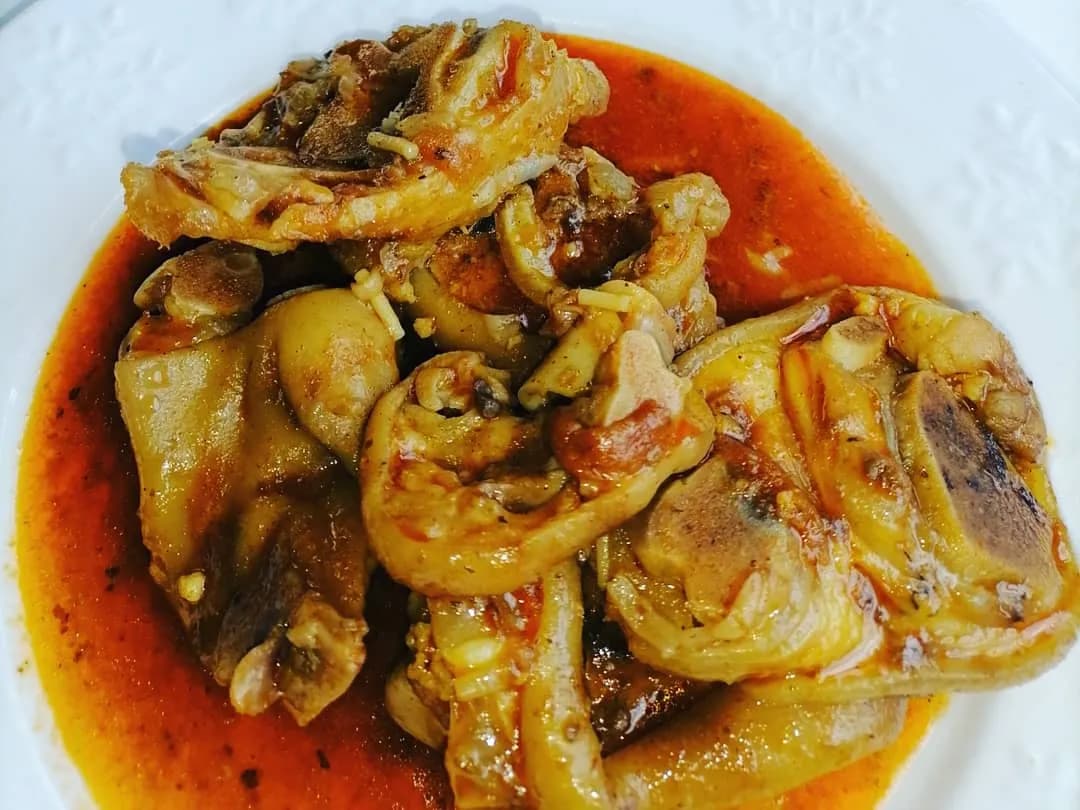
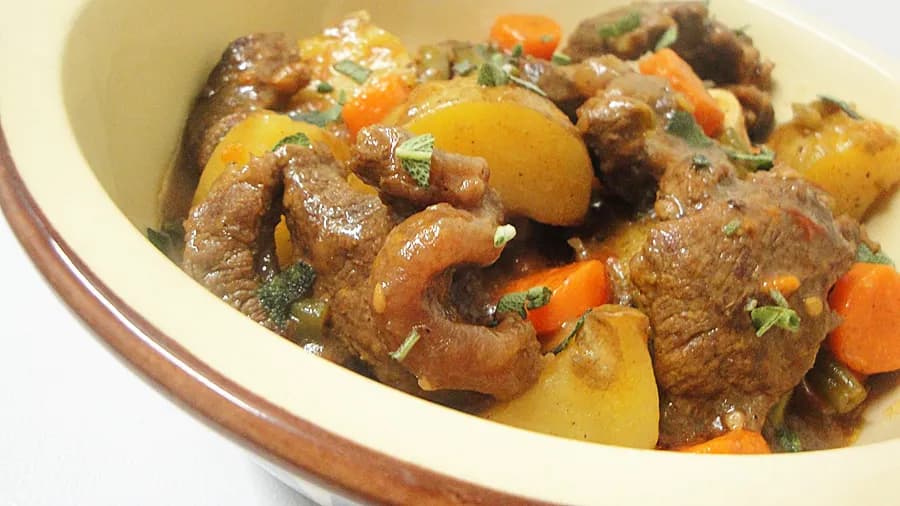
Pork trotters are the foot and ankle of the pig, and almost all of what they offer is collagen. Cooked for hours they break down into something gelatinous and rich that thickens its own liquid, and they are eaten both as a full meal with gravy and as something picked at with the fingers.
In South Africa the trotter carries a specific history. Trotters, like offal, were what was left over, the parts of the animal that commercial butchery and the households that could afford choice cuts did not want. They were what was available to people who had been made poor by law. The black community took the trotter and made it a dish with its own standing rather than a marker of scarcity, and that transformation is what the dish now carries. It is claimed rather than merely eaten.
It is served with pap, the maize porridge that takes up the gravy, and it appears at home meals and at gatherings without being reserved for either. The long cook is unavoidable, which makes it food for a day when you are in the house anyway.
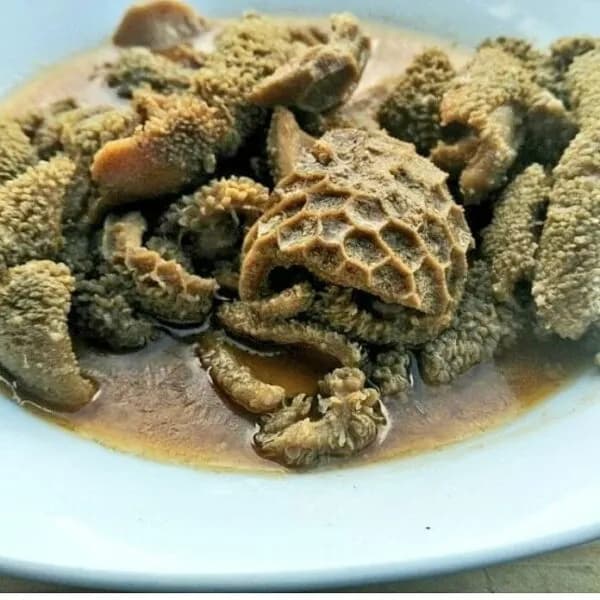
Mogodu is the South African name for tripe, and it is among the most strongly felt dishes in the country's food. South Africans do not hold moderate opinions about mogodu. It has people who would eat it every day and people who will not have it in the house, and both positions are held with conviction.
Tripe is the stomach lining of a ruminant, most often beef, and it belongs to the category of cuts that were once cheap because they were unwanted. That history is part of what the dish carries. Offal in South Africa was for a long time what was left over, and the communities it was left to made it into something with a claim on the national table rather than a mark of going without.
It is winter food for many households, cooked slowly over hours until the chew softens without disappearing entirely. The texture is the reason for both the devotion and the refusal, and it is not something a cook can engineer away. Mogodu is eaten with pap, and the pairing is not negotiable: the neutral maize takes the place that bread would take elsewhere, against a dish whose flavour comes mostly from long contact with what it was cooked in.
Samp and beans, umngqusho in Xhosa, is a South African staple and one of the dishes most closely identified with Xhosa cooking. It is widely reported to have been Nelson Mandela's favourite, an association that has followed the dish everywhere.
Samp is dried maize kernels that have been pounded and chopped until broken but not ground fine, which distinguishes it from mealie-meal and from mielie rice. The pounding loosens the hull, which comes away during the process, leaving coarse broken pieces that take a long time to soften. It is eaten across South Africa and by the Lozi and Tonga people of Zambia, sometimes plainly with sugar and sour milk.
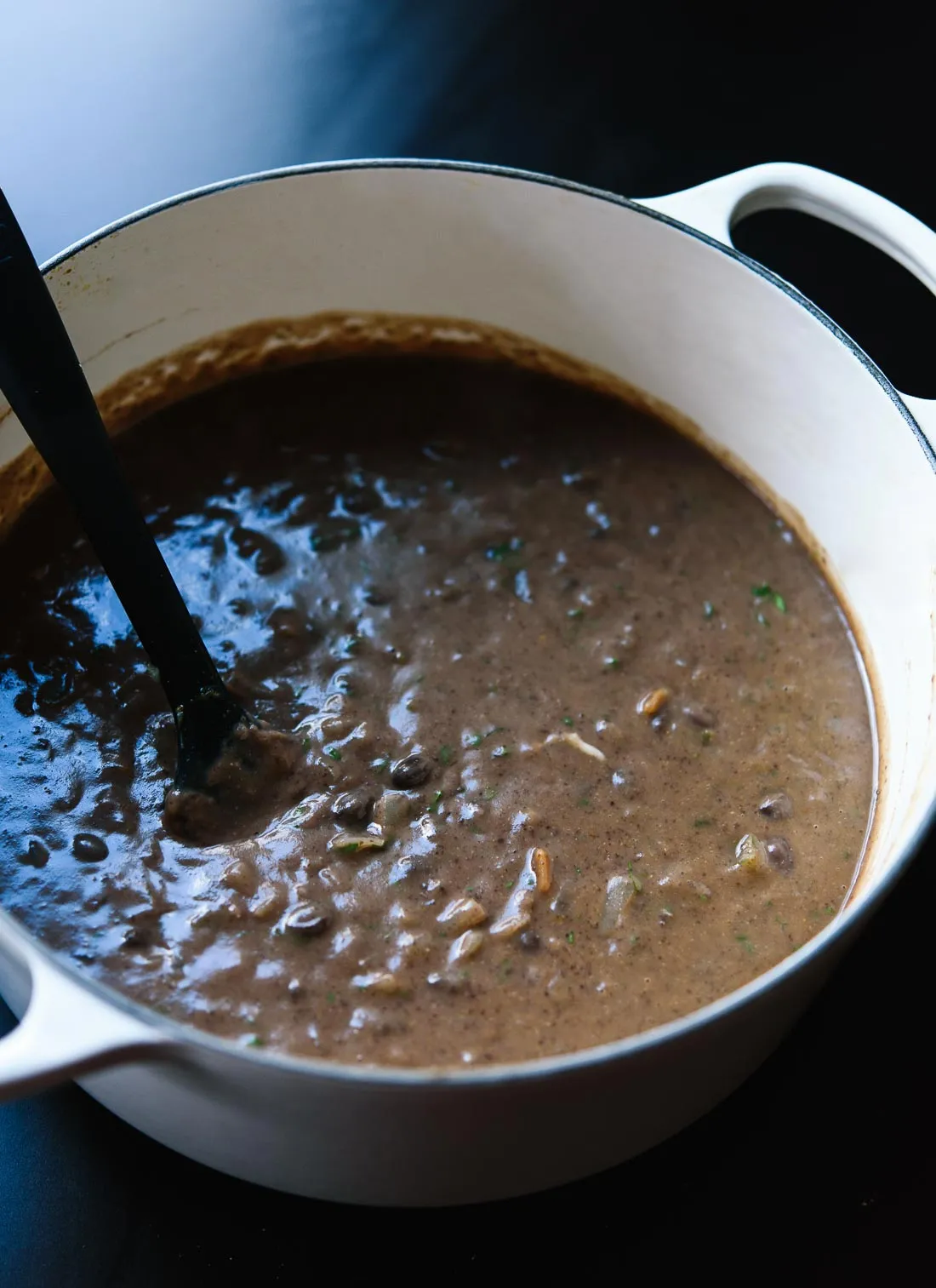
Cooked with sugar beans it becomes umngqusho, and this version is the braised one: beef shin, onion, garlic, curry powder, paprika, carrot and tomato cooked down with the samp and beans for two and a half hours into a thick gravy. Plain umngqusho with nothing but samp, beans and salt is equally traditional and is the everyday form. Chakalaka alongside is the standard partner. The overnight soak is not optional for either the samp or the beans, and it is the step that most often gets skipped.
Dietary tags are provided by contributors as a guide, not verified by AFN, and they depend on the products you buy. If you have a serious allergy, check every ingredient yourself. Cooking, allergies and your own judgement