We use essential cookies to make the site work. We would also like to set analytics cookies and advertising cookies, but only if you agree. You can choose each one separately. Read our cookie policy
Loading
Recipes
Browse the archive by country, course and cooking time.
Dried white beans cooked until tender, then finished with red onion and sliced tomatoes into a thick, soupy stew. It is Malagasy, and it is served everywhere on the island.
It is laoka, which is the useful word here. In Malagasy eating, rice is the meal and laoka is whatever accompanies it, the thing that goes on top of, or beside, a large plate of rice. Tsaramaso is one of the most popular laoka in the country, and it is eaten as a matter of course rather than as an occasion dish.
It is very often not vegetarian. Zebu meat, the humped cattle that are central to Malagasy life, makes it hen'omby sy tsaramaso, and pork makes it tsaramaso sy henakisoa. The shank is the cut the source recommends. This version is the plain one, which is also widely eaten.
The technique in the recipe is worth noting: the beans are cooked separately in water, seasoned only at the end, and a cup of their cooking liquid is kept back. That liquid is what the finished stew is loosened with, and it carries starch and flavour that plain water would not.
The source compares it to cassoulet, which is a reasonable shorthand, beans and meat cooked long and slow, though the seasoning is entirely different.
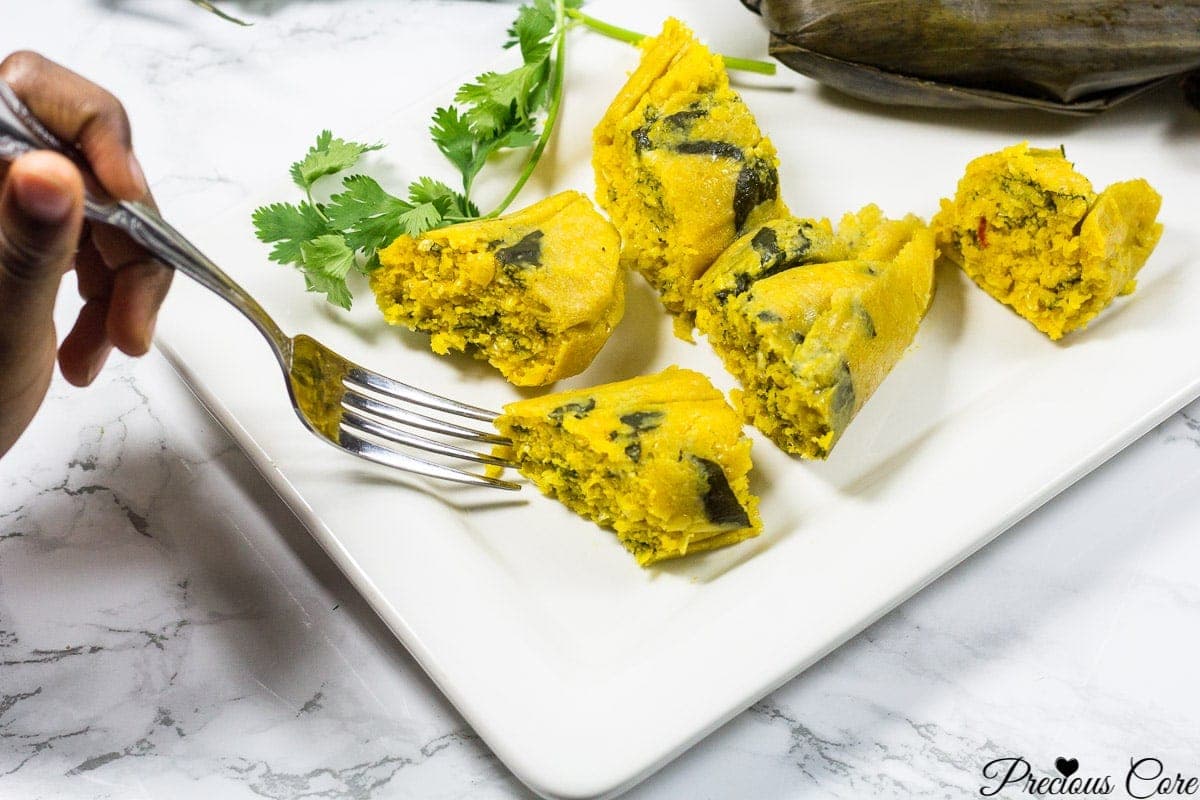
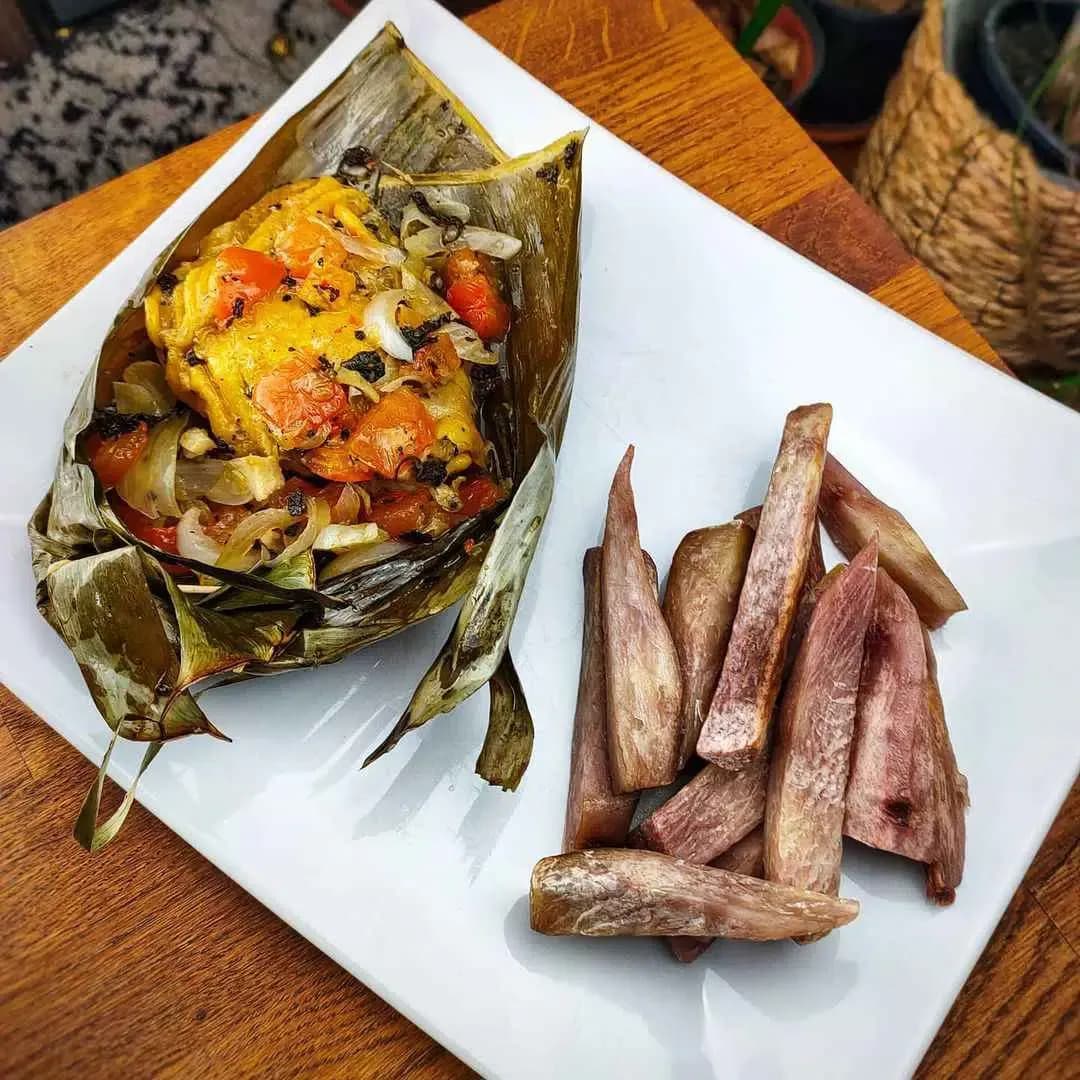
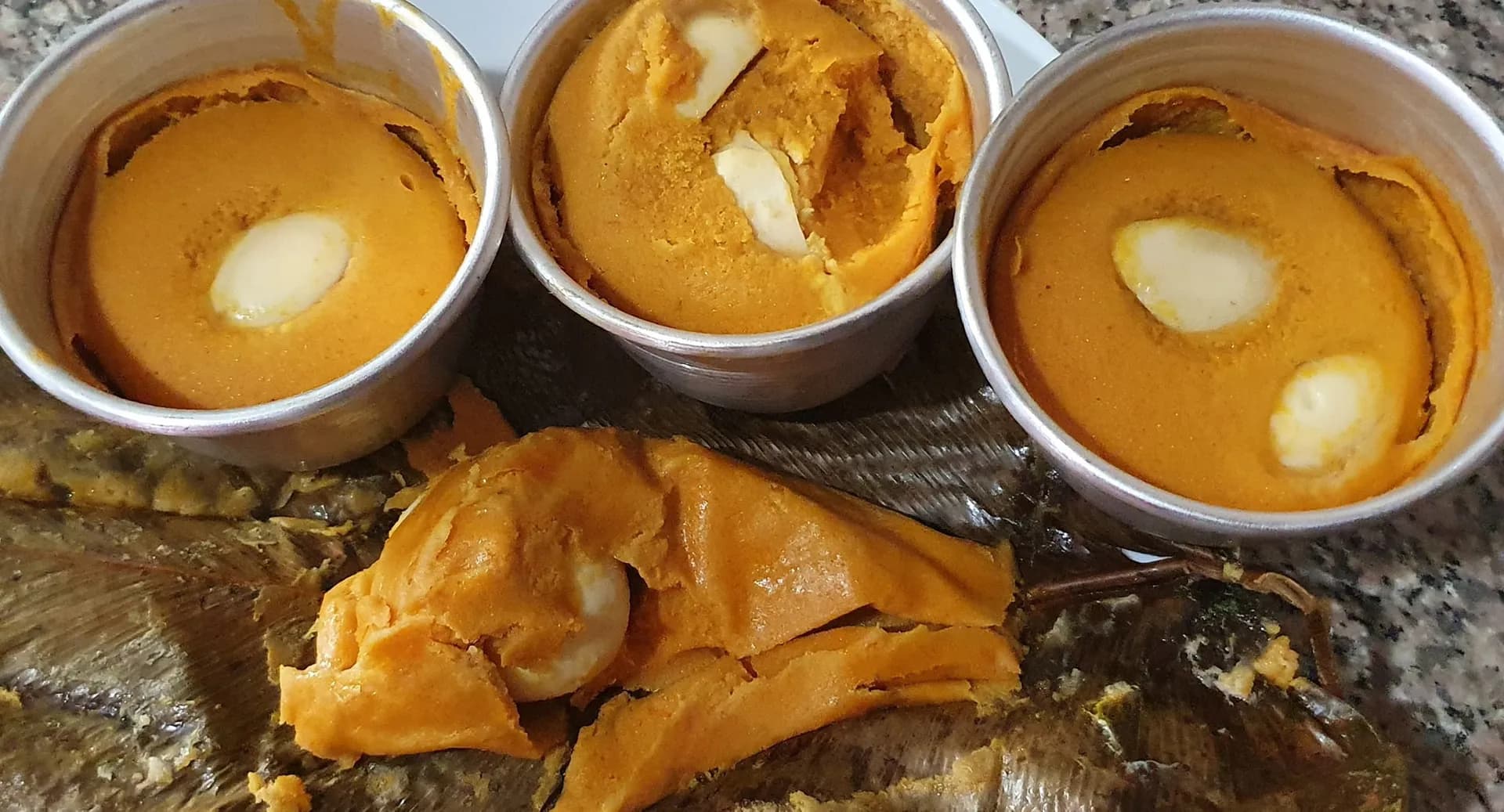
Ndomba is fish, chicken or pork seasoned with a paste of local aromatics, wrapped in banana leaves and steamed. It is Cameroonian, and it belongs to the same family of leaf-wrapped dishes as kwacoco bible and ekpang nkwukwo.
Papillote is the technique, and the leaves are not packaging. Wrapped tightly, the parcel traps every drop of moisture the fish releases, so it cooks in its own juices with the aromatics rather than losing them to a pan. The banana leaf also flavours what is inside it, a grassy, faintly tea-like note that foil cannot provide. Joom leaves, which the ingredient list also names, are used the same way in Cameroon.
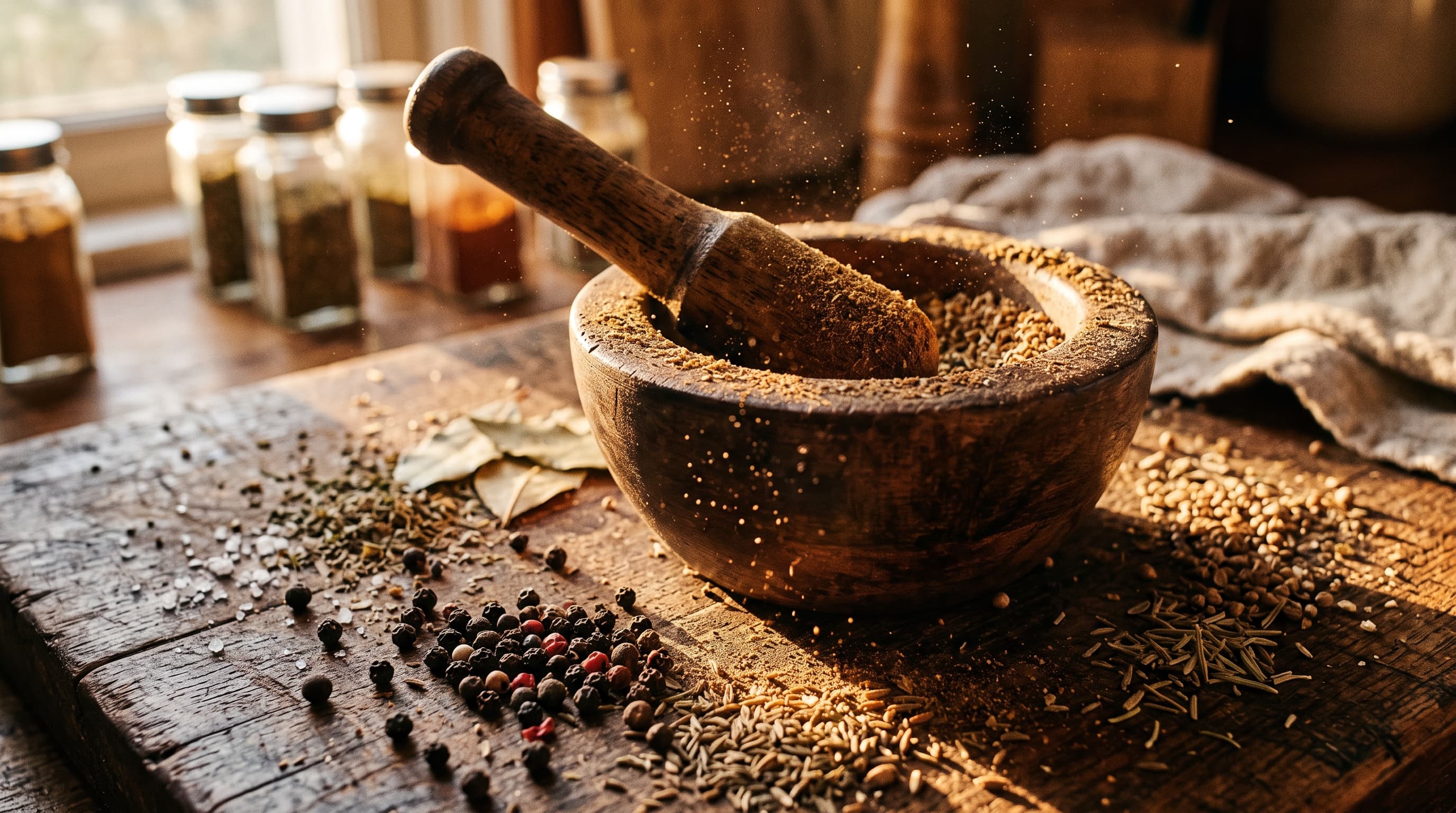
The spice list is what places it. Pèbè (false nutmeg), country onions, white pepper, mesep (wild basil), akpi and garlic are West and Central African aromatics, and the source is right that the blend changes depending on whether you are making the fish, chicken or pork version.
Two problems with the source. It calls for two sachets of a branded spice mix, which has been described generically. And the whole recipe is very sparse, five short steps for a dish that involves making a spice paste, portioning, wrapping and steaming.
Wasawasa is made from yam peelings. Not yam, but the skin that most kitchens discard: dried, ground into flour, and steamed into a coarse grain that eats something like couscous. It is a dish that exists because nothing was wasted, and it has outlived the scarcity that produced it to become a food people specifically want.
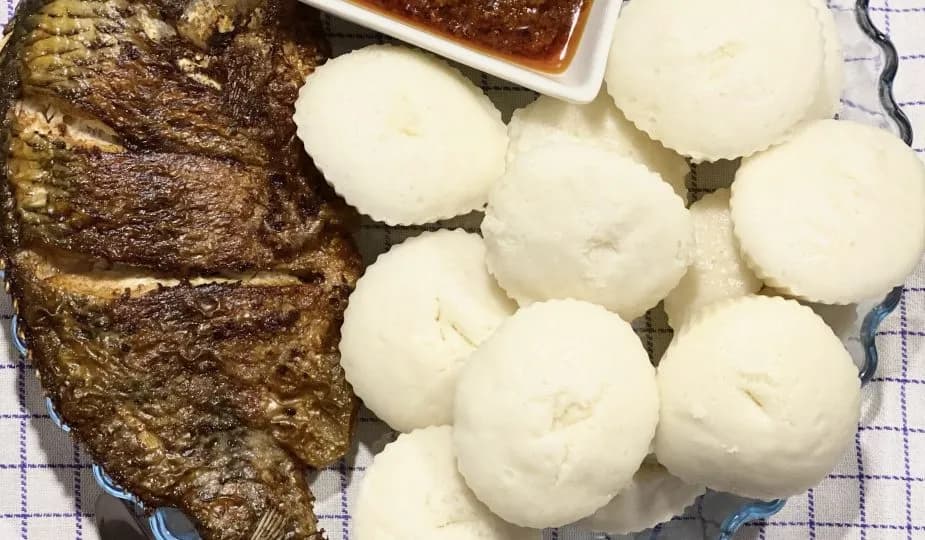
It belongs to Dagbon and the wider north of Ghana, and it is eaten in Burkina Faso and other parts of West Africa under related names. In Tamale and across the northern region it is street food and household food at once, sold with a hot pepper sauce and fried fish and often garnished with cabbage, carrot and sliced potato.
The steaming happens twice, with a wash in between, which is the technical heart of the dish and the part that cannot be shortened. The flour is moistened until it forms small lumps, steamed, washed, drained, and steamed again on low heat, and only then is it dressed with groundnut oil and salt. That second steam is what turns it from damp meal into separate grains. It is served with beans, pasta or salad as well as the standard pepper sauce and fish, and it makes a full plate from an ingredient that costs almost nothing.
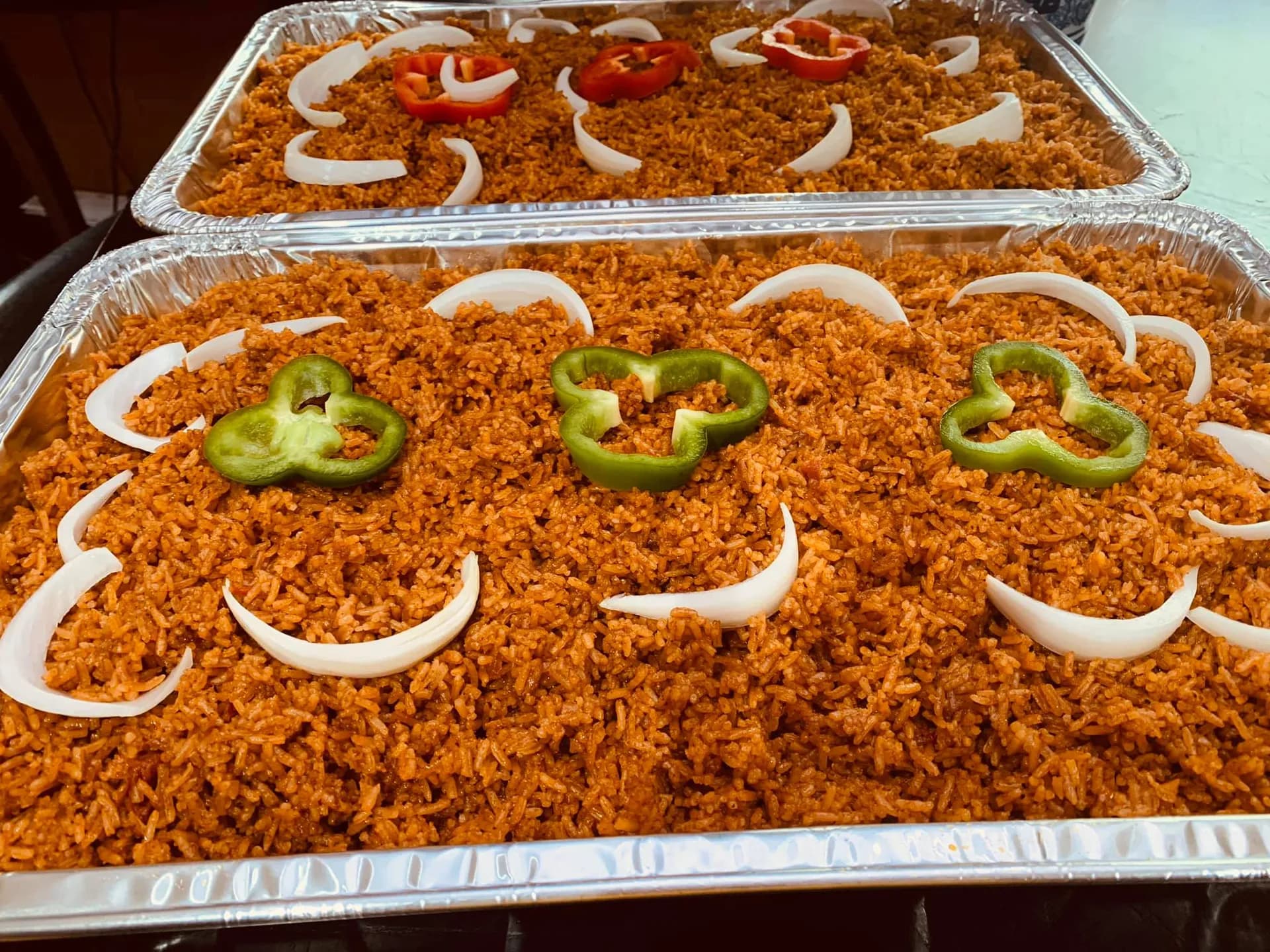
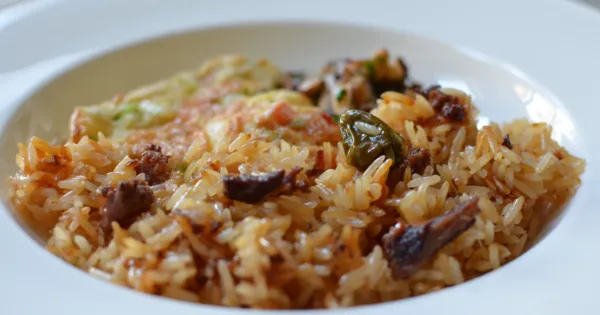
Ghanaian jollof rice is defined against its rivals as much as on its own terms, and Ghanaians are entirely comfortable with that. It is a tomato based rice, aromatic rather than fiery, seasoned with curry powder, garlic and ginger, and cooked in basmati. Every one of those choices is a position in an argument.
The rice is the clearest one. Ghanaians use basmati, which stays separate and perfumed and carries the aromatics; Nigerians use long grain parboiled, which absorbs the tomato base and takes on the smoke. Neither is a mistake. They produce genuinely different dishes that share a name, and the preference in each country is consistent enough to be a national marker.
The jollof rivalry between Ghana and Nigeria is the continent's most famous culinary argument, conducted on social media, at dinner tables and in the press with an intensity that has very little to do with rice and a great deal to do with two confident countries enjoying themselves. The honest position on the origin is that the dish descends from the Senegambian rice tradition rather than from either country. The honest position on which is better is that both are right within their own tradition, and Ghanaians serve theirs at every social gathering and celebration that matters.
Dietary tags are provided by contributors as a guide, not verified by AFN, and they depend on the products you buy. If you have a serious allergy, check every ingredient yourself. Cooking, allergies and your own judgement