We use essential cookies to make the site work. We would also like to set analytics cookies and advertising cookies, but only if you agree. You can choose each one separately. Read our cookie policy

Loading
Recipes
Browse the archive by country, course and cooking time.
Kebab is a Middle Eastern preparation, and the source says so directly. Cut or ground meat cooked on a skewer over open flame is one of the oldest cooking methods there is, and the word and the technique both come from that region before spreading almost everywhere.
Mutton and lamb are the traditional meats. Regional versions use beef, goat, chicken or fish, and pork rarely, given religious constraints across much of the region where kebab originates. Not every kebab involves a skewer either: tas kebab is baked in a skillet or served as a stew, which shows how loosely the word travels.
Africa has a great deal of skewered grilled meat of its own, and this recipe is not it. Nigerian suya is coated in yaji, a peanut based spice blend. Sudanese agashe works the same way. Moroccan brochettes are marinated in cumin and paprika. Egyptian kofta is ground and shaped rather than cubed. This version is marinated in soy sauce, olive oil, oregano, garlic and lemon, which is a Mediterranean and Levantine profile, so it sits in the Worldwide Recipes collection rather than being presented as African.
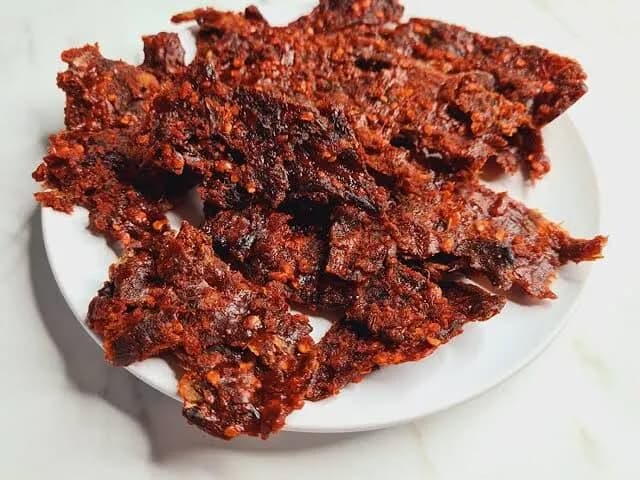
Suya is skewered meat coated in yaji, a dry peanut based spice blend, and it is the best known street food in Nigeria. It comes from the Hausa people of the north, where it is also called tsire, and it spread from there across West Africa. Sudan has a close relative in agashe.
Yaji is what makes it suya rather than grilled meat. The blend is built on ground peanut, usually in the form of kuli kuli crushed to a powder, with ginger, chilli, onion powder and other seasonings, and the peanut is what gives suya its particular nuttiness and the slightly gritty coating that clings to the meat. Meat without yaji is not suya, whatever else is done to it.
Beef and ram are the traditional cuts, along with kidney, liver and tripe, and chicken is the newer arrival that has become common. It is sold at night from roadside grills, cut on a board and handed over in newspaper with sliced raw onion, tomato and cabbage, and the raw onion alongside the hot spice is not a garnish but part of how it is eaten. The one thing worth knowing before making it is that yaji contains peanut, which matters to anyone with an allergy.
Whole tilapia scored, marinated in an oil-based spice mixture, oven-grilled, then coated in a fresh green pepper base and returned to the heat. The two-stage seasoning is what makes it, and it is a West African approach rather than a simple marinade.
The first stage is a dry-spice oil: vegetable oil with fish seasoning, white and black pepper, ginger, garlic, onion powder and lemon juice, worked into the cuts. The second is a green pepper base built in a food processor from green and red scotch bonnets, bell peppers, spinach, dill, coriander, ginger, garlic and onion, fried briefly in oil and then smeared over the part-cooked fish.
That green base is the interesting part. Blending leafy greens and fresh herbs into a pepper sauce is characteristic of Ghanaian and wider West African fish cookery, and it gives colour and a fresh, sharp finish that a marinade applied only at the start cannot. The scoring is not decorative either: two or three cuts on each side let both stages of seasoning reach the flesh rather than sitting on the skin. Tilapia is native to African fresh waters and is the fish most associated with Ghanaian grilling, usually eaten with banku.
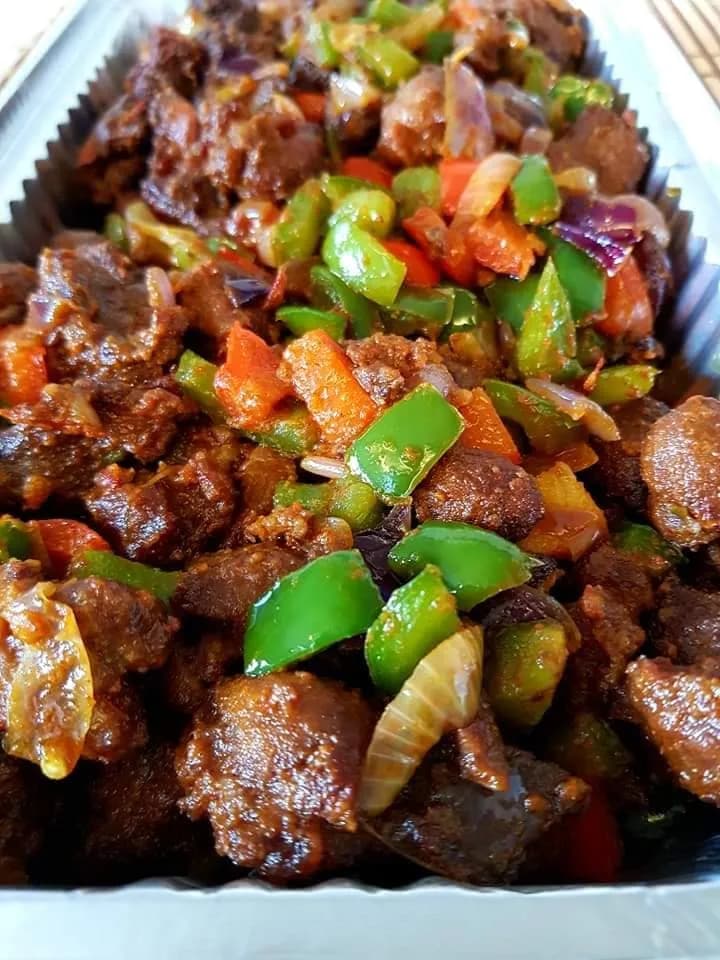
Gizpotato is gizdodo with potato in place of plantain, and the contributor presents it as exactly that: an alternative for people who want the dish without the sweetness. Gizzards, diced Irish potato, carrots, onion and bell peppers are seasoned and combined.
Irish potato is the Nigerian term for the ordinary white potato, used to distinguish it from sweet potato and from yam, both of which are far more central to Nigerian cooking. Its use here is deliberate: potato is neutral where plantain is sweet, so the dish reads as savoury throughout rather than balancing sweet against spicy.
The seasoning departs from Nigerian convention. Worcestershire sauce and bottled chilli sauce are not standard in a dish of this kind, and they place this firmly in contemporary home cooking rather than tradition. Worcestershire also contains anchovy, so it is neither vegetarian nor suitable for anyone avoiding fish, and most brands are not gluten free. The source is very sparse: no quantities at all, and it is filed under dessert and suya recipes in WordPress, neither of which is correct.
Dietary tags are provided by contributors as a guide, not verified by AFN, and they depend on the products you buy. If you have a serious allergy, check every ingredient yourself. Cooking, allergies and your own judgement