We use essential cookies to make the site work. We would also like to set analytics cookies and advertising cookies, but only if you agree. You can choose each one separately. Read our cookie policy
Loading
Recipes
Browse the archive by country, course and cooking time.
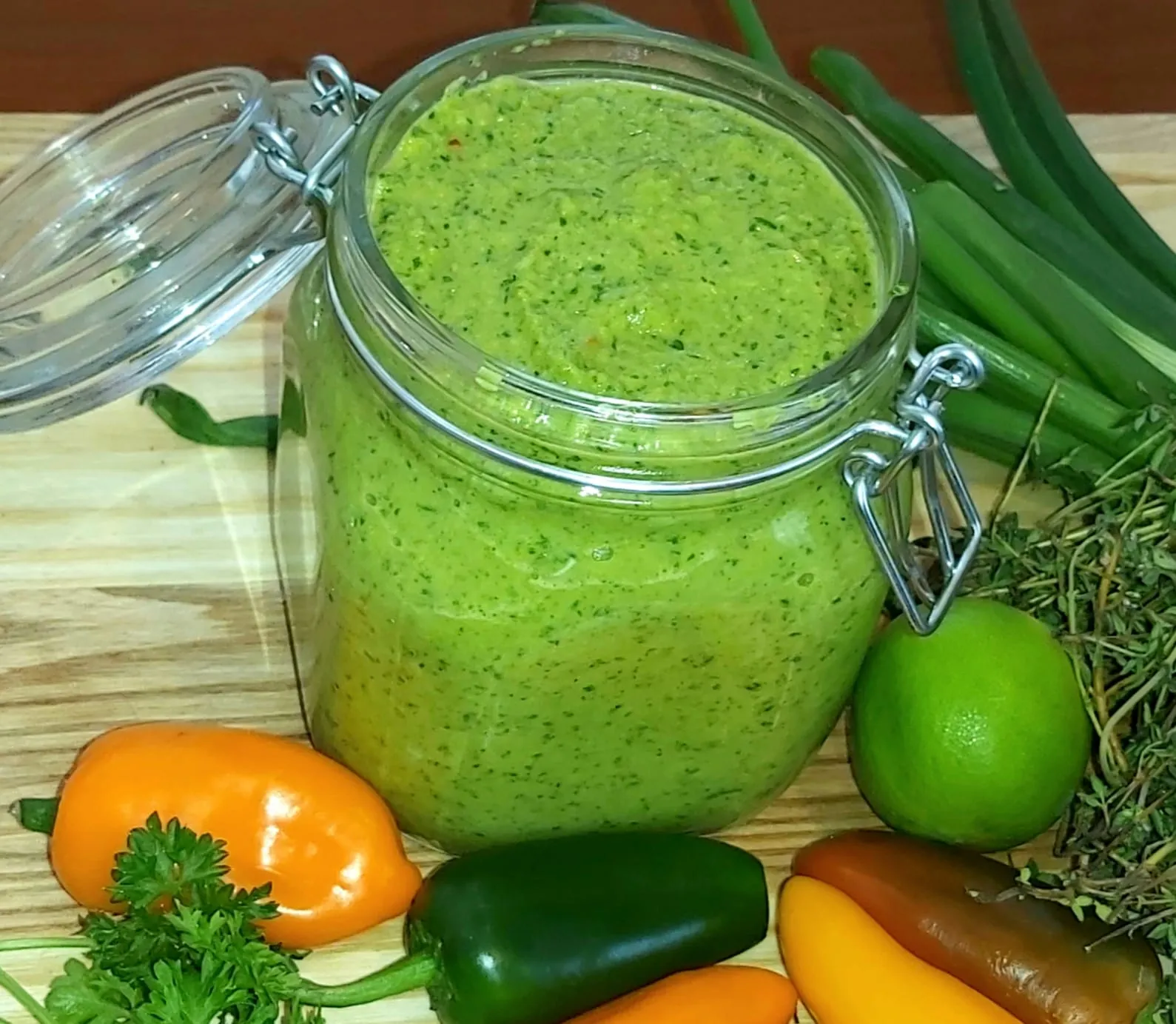
Green seasoning is a blended paste of fresh herbs, aromatics and chilli, used across the Caribbean as an all-purpose marinade and flavour base. Trinidad and Tobago is where it is most identified, and Guyana, Jamaica and the wider region all have versions.
The source describes it as known to the Caribbean and some parts of Africa, which is a fair way of putting it. Its home is the Caribbean. What it resembles in Africa is a family of green pastes that do similar work: Senegalese nokoss, Moroccan chermoula, and the blended pepper bases used across West Africa. Those are related in function rather than in origin, and green seasoning as it is made here is Caribbean.
It goes on everything: meat, seafood, grains, stews. Composition varies enormously by household and island, and the version here is a modest one built on parsley, coriander, celery, onion, garlic, scotch bonnet and thyme. Bigger versions include chive, culantro, pimento peppers and ginger. It keeps about a week refrigerated, and freezing it in ice cube trays is the standard way to hold a large batch, which is how most Caribbean kitchens handle it.
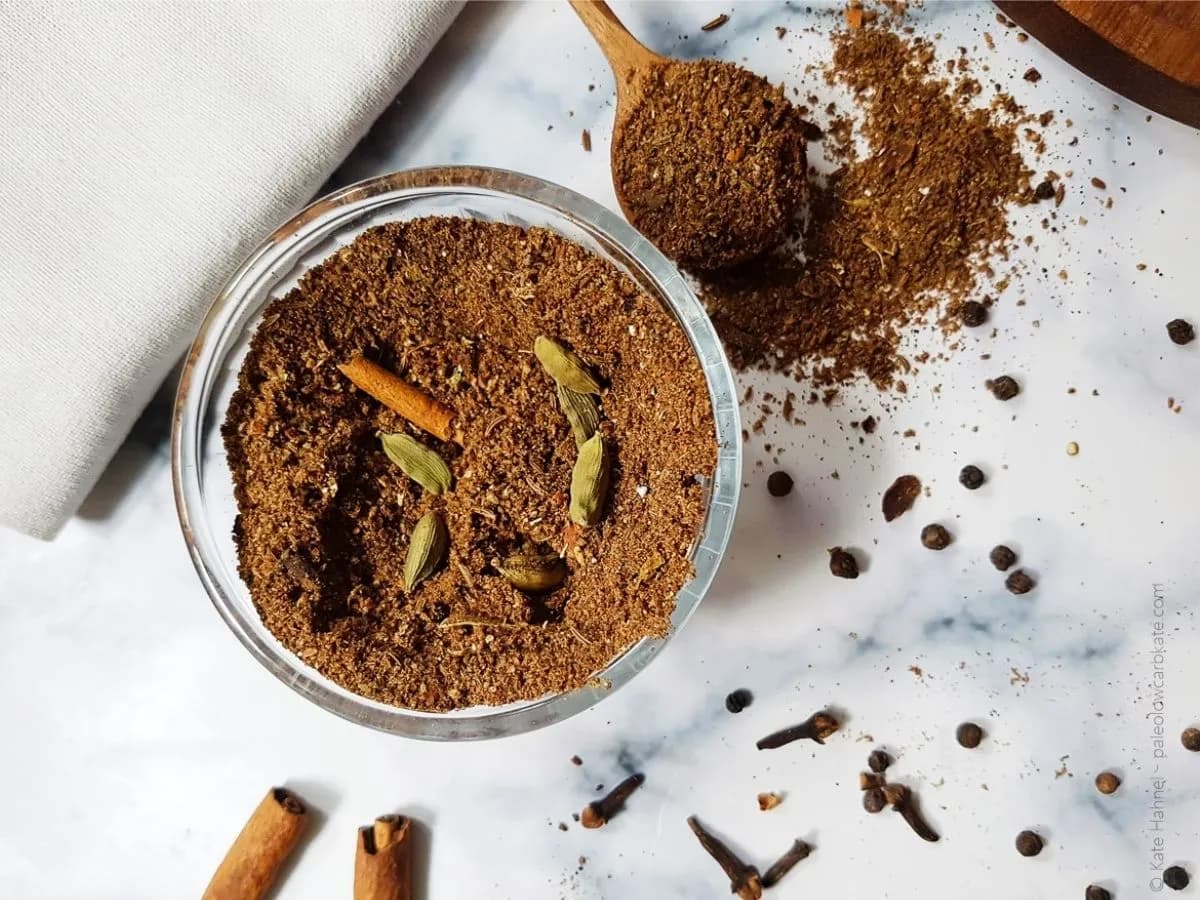
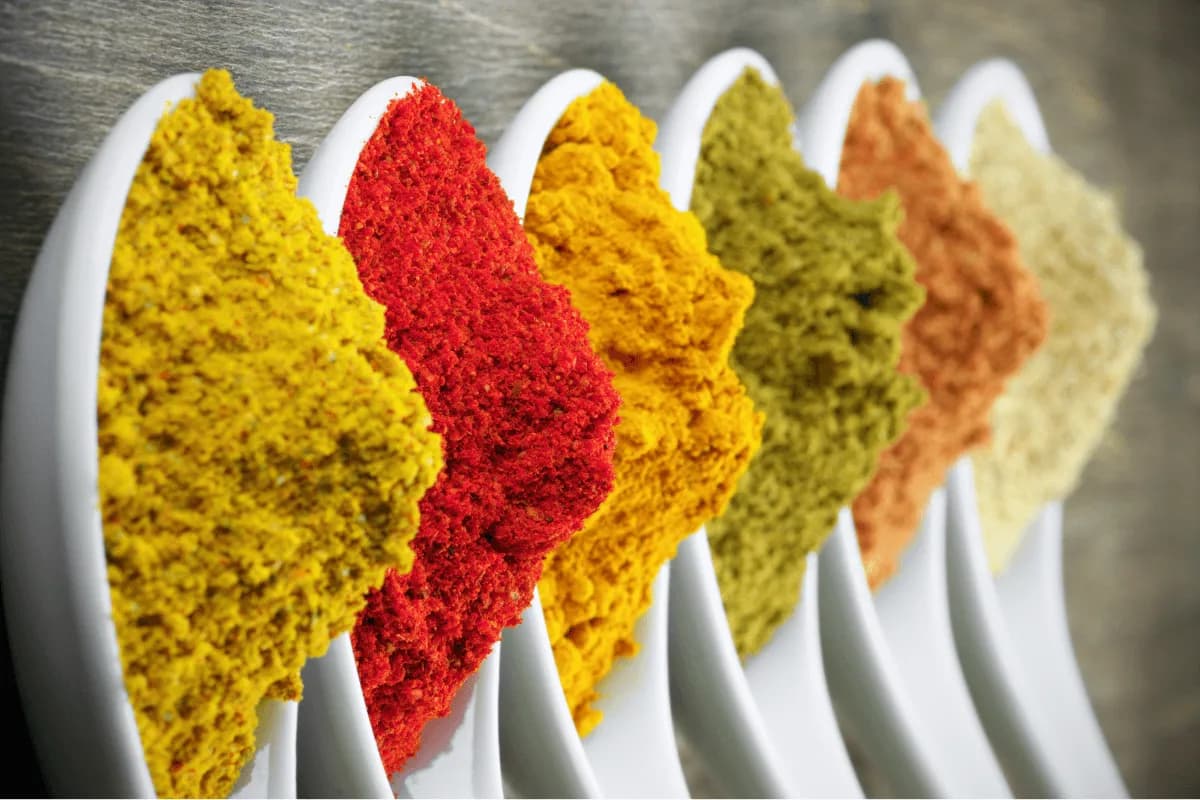
A dry rub for chicken: thyme, cayenne, cumin, paprika, garlic powder, black pepper, oregano, onion powder and salt. It carries no country and it is a broadly Western blend, the direct counterpart to the fish seasoning already in this collection.
That is worth saying plainly on a platform documenting African food, because Africa has a great many chicken seasonings that this is not. Nigerian suya spice, yaji, is built on ground peanuts with paprika, cayenne and ginger. Ethiopian berbere combines chilli with cardamom, fenugreek and rue. Moroccan ras el hanout can run to a dozen or more spices. Peri peri from Mozambique and Angola leads with African bird's eye chilli and lemon. Any of those would be the regional answer.
What is here is a competent all-purpose rub, useful for roasting, grilling or frying, and it keeps for months in a sealed jar. It is filed under Worldwide Recipes rather than presented as African. One practical note the source makes and is right about: the salt is adjustable and can be left out entirely, which is worth doing if you are also using a seasoning cube or a brine, since both already carry a great deal.
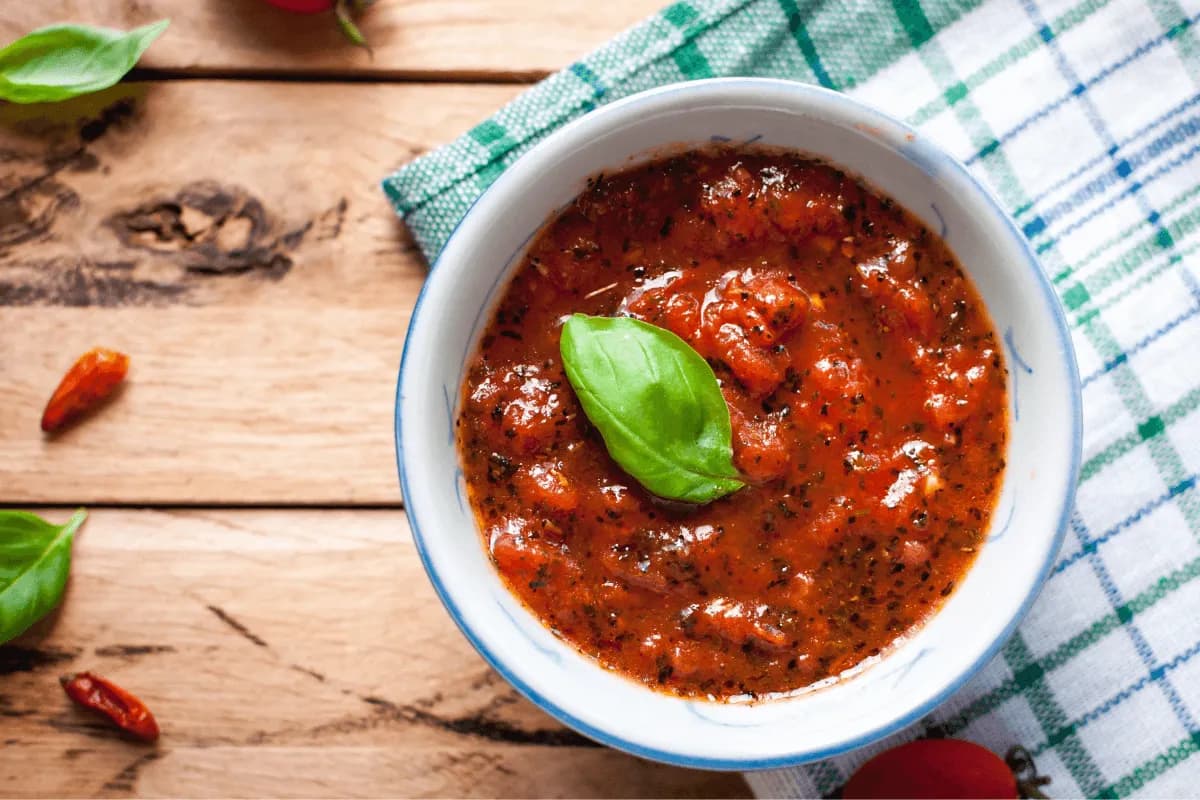
Tinned tomato sauce sweetened with honey and cooked down briefly. No country is claimed; it is a shortcut sauce for homemade pizza.
This is the shortest recipe in the entire archive, two ingredients, and it is worth being honest about what that means. The source's own article promises olive oil and garlic; neither appears in the ingredient list or the method. What is actually written is tinned tomato sauce with honey stirred in and simmered for seven minutes. That will make a perfectly serviceable pizza sauce, and it will taste of tinned tomato and honey.
The honey is doing a real job, though, and it is worth understanding rather than dismissing. Tinned tomatoes are noticeably acidic, and a small amount of sugar counteracts that acidity rather than making the sauce sweet, the same reason Italian cooks put a pinch of sugar into a long-cooked tomato sauce. Two tablespoons in a tin is more than a pinch, so taste as you go.
The seven-minute cook is the other half of it. Tinned tomato sauce is thin, and reducing it slightly gives you something that sits on the dough rather than soaking into it.
Olive oil, garlic, oregano and salt would improve it considerably and are all in the source's own description.
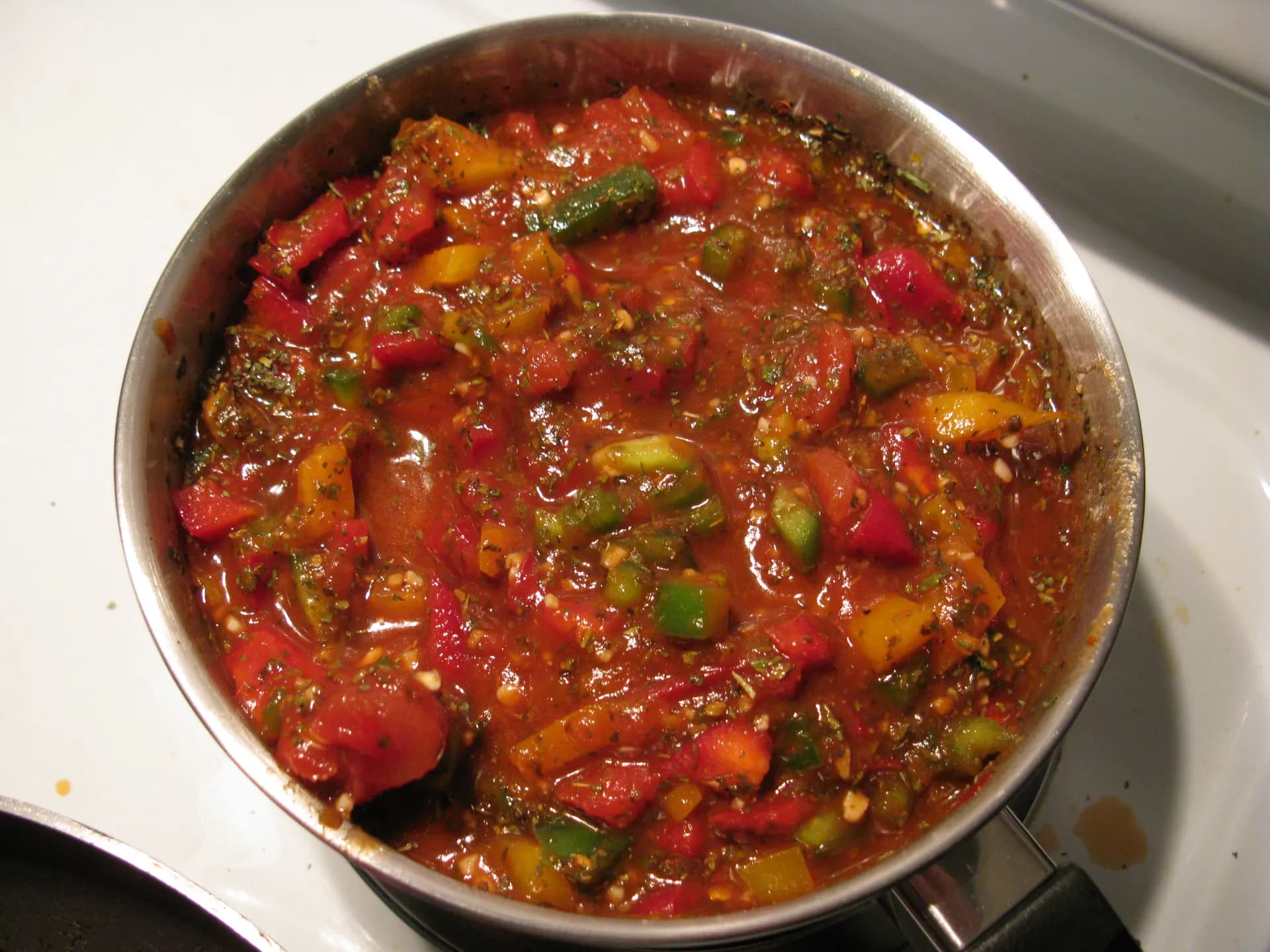
Matbucha is roasted peppers and tomatoes cooked down slowly with garlic and paprika into a thick, dark, jammy dip. It is Moroccan Jewish in origin and is now eaten across Israel and the wider Middle East as a mezze staple.
The name says what it is: matbucha means cooked salad in Arabic, which describes both the dish and the crucial technique. This is not a fresh salsa but something reduced by half over an hour or more, until the water has cooked out and the peppers and tomatoes have concentrated into something closer to a preserve. Rushing that stage gives you a thin tomato sauce, which is a different and lesser thing.
Its journey is worth recording. Matbucha travelled from Morocco to Israel with Jewish immigrants in the mid-twentieth century, and it is now so established there that it is sold in every supermarket. In Morocco it is served as part of a mezze spread; in Israel it is understood as an appetizer. Same dish, slightly different place at the table.
Red peppers rather than green is not incidental. The source notes that green peppers turn bitter in matbucha, which is correct, red peppers are ripe and sweet and reduce into something quite different.
It freezes well, which is why the recipe makes three jars.
Dietary tags are provided by contributors as a guide, not verified by AFN, and they depend on the products you buy. If you have a serious allergy, check every ingredient yourself. Cooking, allergies and your own judgement