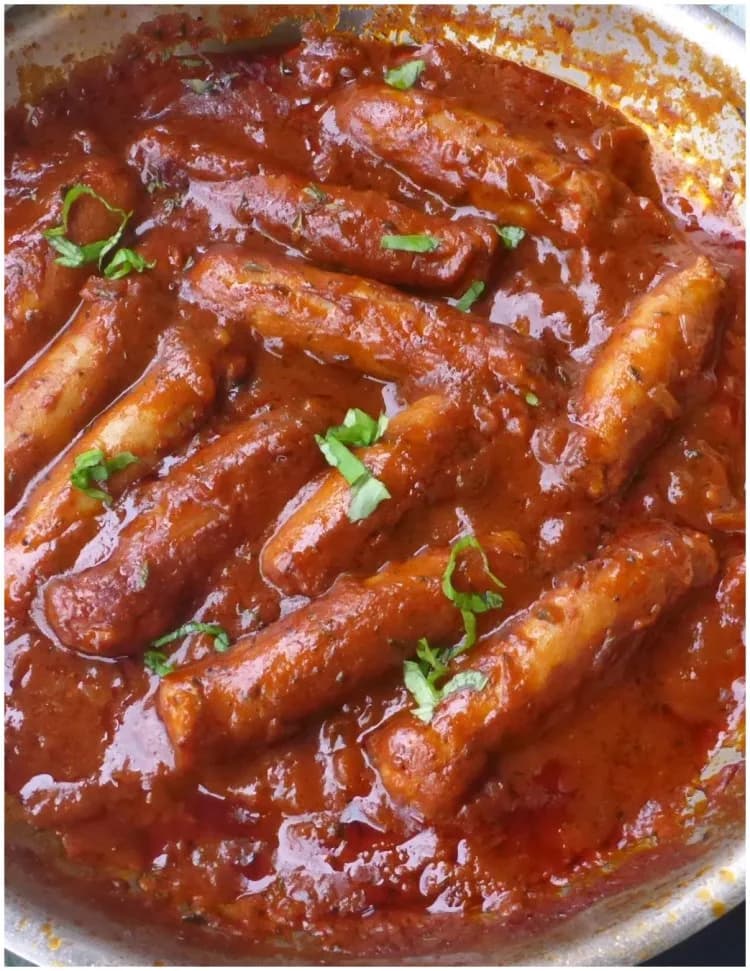
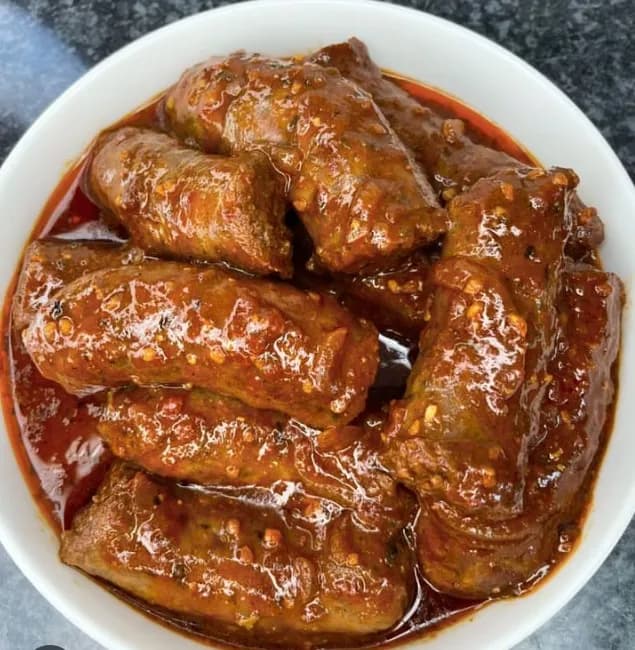
Peri Peri Chicken Sauce
4.74.67 out of 5, 3 ratings1 hr 10 min


Cookies on African Food Network
We use essential cookies to make the site work. We would also like to set analytics cookies and advertising cookies, but only if you agree. You can choose each one separately. Read our cookie policy

Browse the archive by country, course and cooking time.
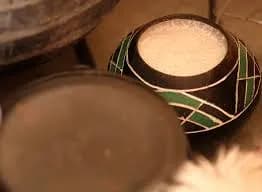
Umqombothi is Xhosa beer, brewed from maize meal, maize malt and sorghum malt. It is thick, cloudy, sour smelling and low in alcohol, usually under three per cent, and it is not made to be compared with lager. It is a different category of drink with a different purpose. Its purpose is ceremonial before it is social. In Xhosa practice umqombothi is brewed for the return of the abakwetha, the young men coming back from ulwaluko, the initiation and circumcision rite. It is central when families communicate with the amadlozi, the ancestors, and it appears at traditional weddings, funerals and imbizo, the community meetings where matters are decided. A gathering of consequence has umqombothi at it, and its absence would be noticed as a statement. The drink is not confined to South Africa. Sorghum beer is brewed across the continent under many names: dolo in Burkina Faso, pito in Nigeria, ingwebu among the Ndebele of Zimbabwe, which is their word for froth. Brewing is done outdoors over an open fire, cooled at ambient temperature, and the recipes are held within families and passed down rather than written.
3 days 1 hrHardSouth Africa
Recipe by Jennifer · Africook

Dishes passed down through generations
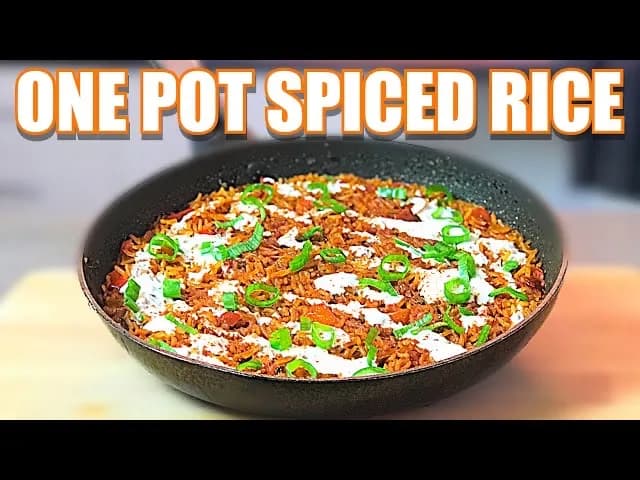 Peri Peri Spiced Rice35 min · Southern Africa
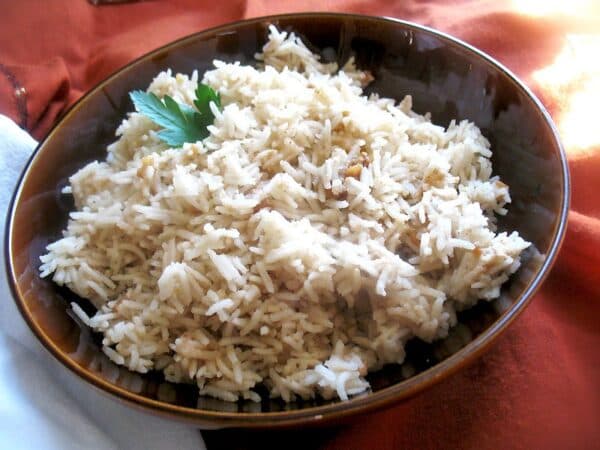 Peanut Butter RiceSouthern Africa
 Cape Malay Pickled Fish50 min · Southern Africa
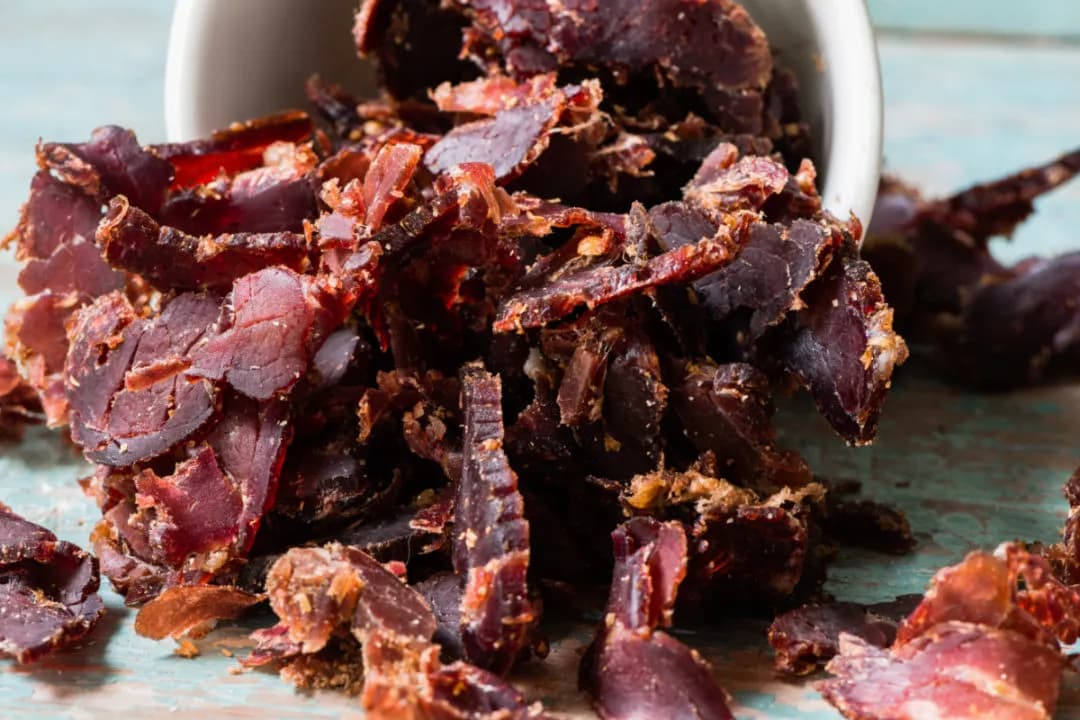 Biltong30 min · Southern Africa
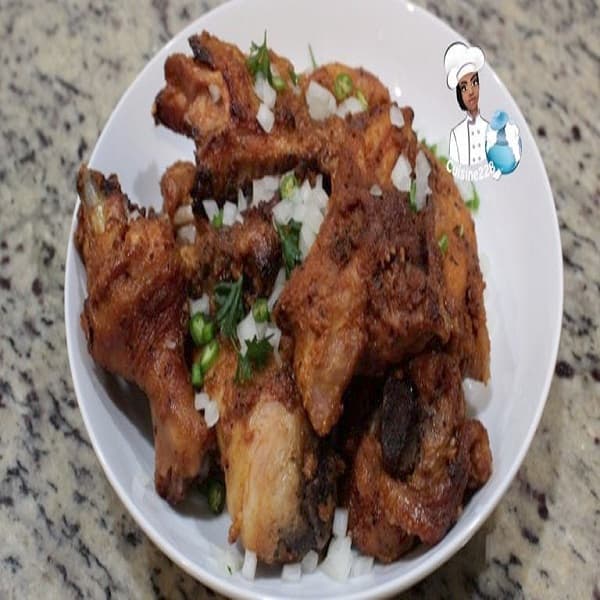 Baked Teriyaki ChickenSouthern Africa
 Vetkoek (South African Fried Bread)45 min · Southern Africa
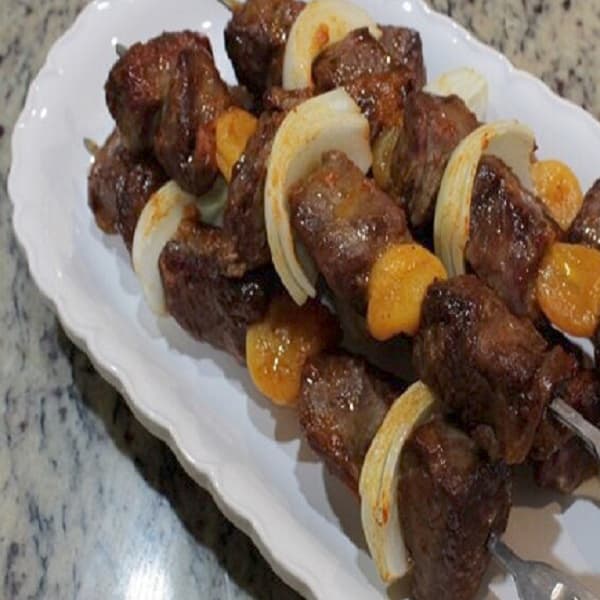 Dried Apricot and Lamb Sosaties1 hr 15 min · Southern Africa
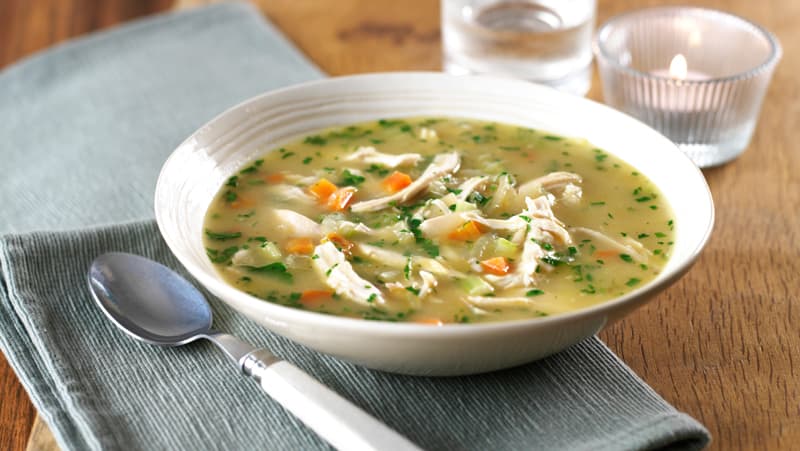 Chicken Soup43 min · Southern Africa
Dietary tags are provided by contributors as a guide, not verified by AFN, and they depend on the products you buy. If you have a serious allergy, check every ingredient yourself. Cooking, allergies and your own judgement