We use essential cookies to make the site work. We would also like to set analytics cookies and advertising cookies, but only if you agree. You can choose each one separately. Read our cookie policy

Loading
Recipes
Browse the archive by country, course and cooking time.
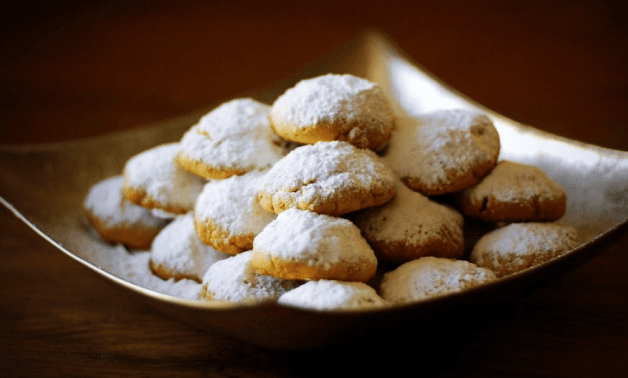
Kahk are round Egyptian shortbread-style cookies, buttery and crumbly, buried under a heavy layer of icing sugar, and made for Eid.
Their history is unusually well documented for a biscuit. Kahk is believed to date to Ancient Egypt: carvings showing people making it have been found in temple ruins at Memphis and Thebes, and a recipe was recorded in the Great Pyramid of Khufu at Giza. Few foods anyone still eats have that kind of paper trail.
They are made in enormous quantity in the weeks before Eid al-Fitr, and the making is social, families and neighbours gathering to shape trays of them together, which is as much the tradition as the eating.
Fillings vary. Plain kahk is common, but so are versions stuffed with agameya, a paste of honey, ghee, flour and nuts; with dates; with pistachio or walnut; or with lokum.
The texture is what people judge them on: a proper kahk should collapse in the mouth rather than snap. That comes from ghee and from not overworking the dough.
The icing sugar is not a garnish, it is applied generously and is part of the thing.
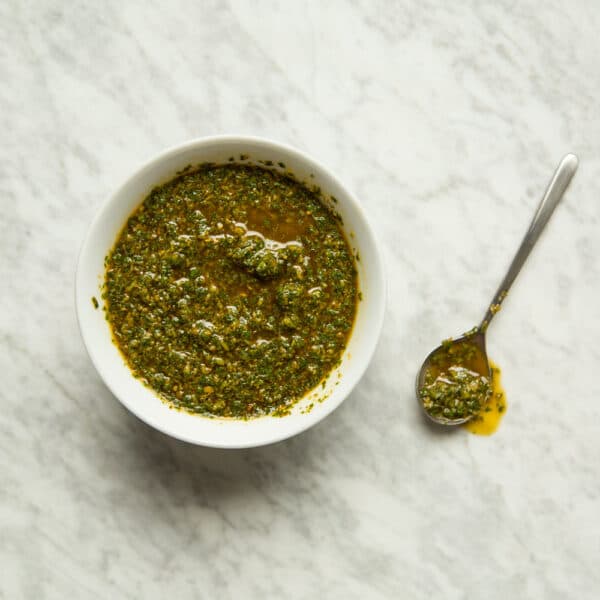
Lamb chops with chermoula and yellow rice is Moroccan, grilled or roasted lamb served with a fresh herb sauce and turmeric-stained rice.
Chermoula is the part worth knowing. It is a North African sauce and marinade built on fresh coriander and parsley, garlic, cumin, paprika, lemon and oil, and its name comes from the Arabic chermel, meaning to rub or to marinate. That etymology describes exactly how it is used: rubbed into meat or fish before cooking, and often served again alongside as a sauce.
It is most associated with fish, where it is close to standard across Morocco and Algeria, but it works with lamb particularly well, the herbs and lemon cut through fat in a way that a heavier sauce would not.
Lamb runs through Moroccan cooking at every level, from long slow tagines to chops straight off a grill, and this is at the fast end of that range.
The rice is coloured and lightly perfumed with turmeric rather than saffron, which is the everyday choice, visually similar, entirely different in flavour and cost.
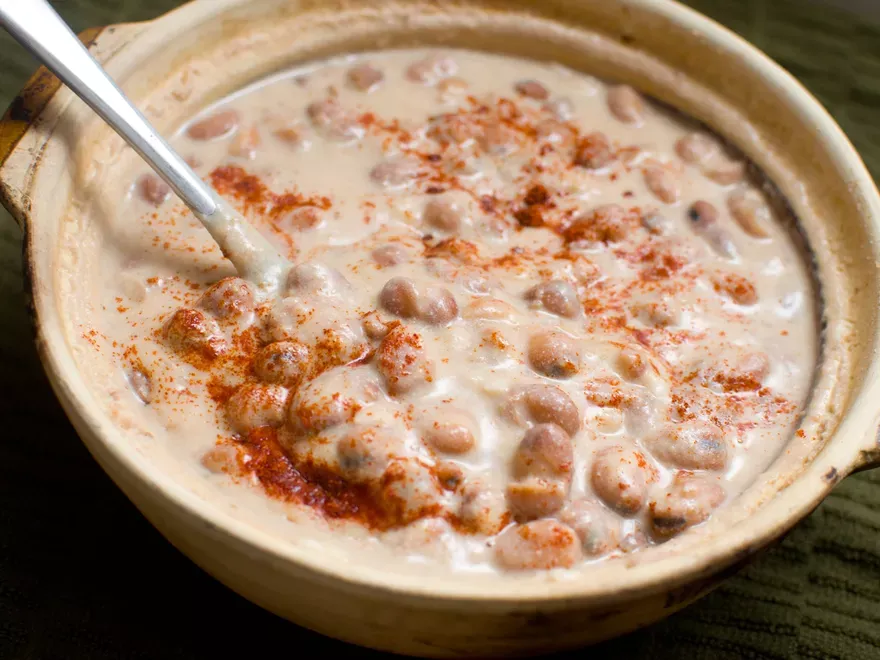
Ful medames is stewed fava beans dressed with olive oil, cumin, garlic and lemon, and it is Egypt's national dish. It is eaten at any hour, though breakfast is when it belongs most, and it is sold from carts across Cairo and Giza in the mornings.
Traditionally it is cooked and served in a large metal jug, the qedra, over a very long slow heat, often overnight, which is why street ful has a depth that a quick home version does not. What the beans are dressed with varies endlessly: parsley, onion, chilli, tomato, hard eggs, tahini.
Its versions across the region are worth knowing. In Somalia, fuul is a breakfast staple served with eggs and laxoox or canjeero flatbread, spiced with xawaash, the blend of cumin, coriander, cardamom, cloves, turmeric and more that makes it noticeably hotter than the Egyptian version. In Morocco it is bissara, made from fava beans and split green peas cooked with garlic, eaten especially in the north during cold weather. This particular recipe includes tahini, which is a Levantine addition rather than a classic Egyptian one, and it uses tinned beans rather than the overnight cook.
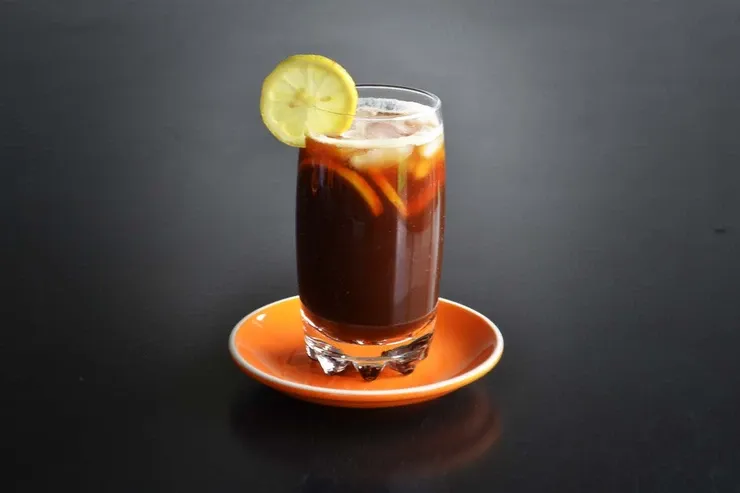
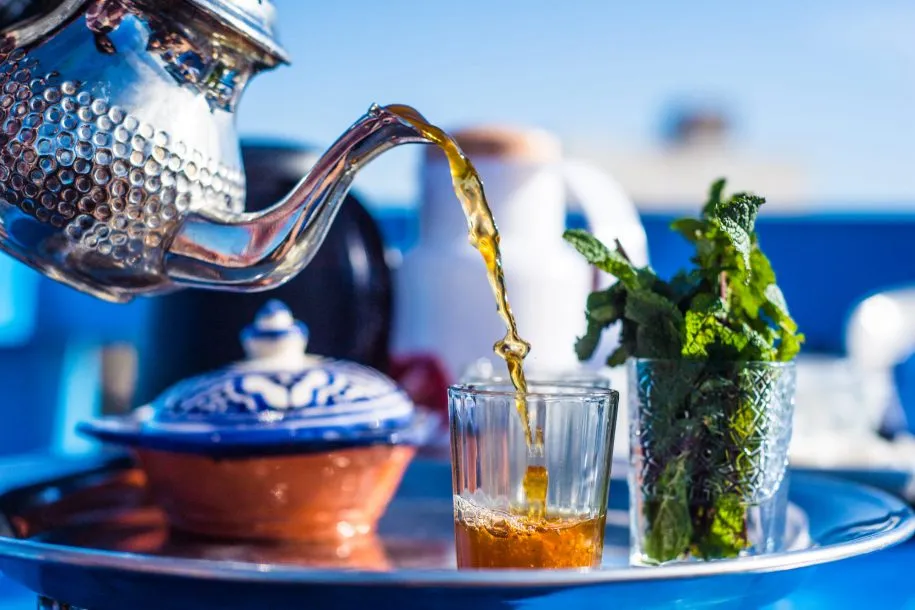
Moroccan mint tea is green tea infused with spearmint and heavily sweetened, and in Morocco it is not simply a drink. It is a sign of hospitality and friendship, served all day, after every meal and through every conversation, and Moroccans take enough pride in it to argue over who among their friends makes the best cup.
Its history is more recent and more accidental than most people expect. Tea reached Morocco in quantity through the Crimean War in the 1850s, when the British East India Company diverted shipments intended for the Baltic states and found itself with a surplus of Chinese tea to sell. Moroccans were the first to infuse it with mint, as a way of countering the bitterness of gunpowder green tea, and the combination stuck.
It is drunk across Morocco, Algeria, Tunisia, Libya and Mauritania, and in parts of the Near and Middle East. It is called shai bi na'na' in classical Arabic and atay or latay in Maghrebi Arabic. The method here involves two rinses of the tea leaves before the tea is made, one of which is kept as the essence and returned to the pot, and one discarded. That step is what removes the harshest bitterness while keeping the strength.