


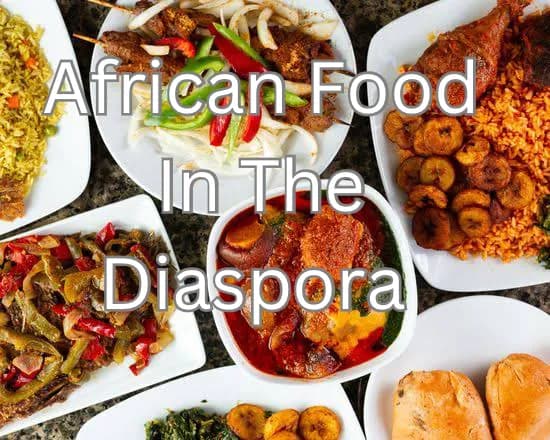
African food in the diaspora stands out amidst the bustling streets of distant cities, as the echoes of ancestral flavors still resonate on plates and in palates of our distant relatives. The Journey of African food in the Diaspora is a tale of resilience, creativity, and cultural fusion. As the tantalizing aromas of spices and the vibrant colors of exotic ingredients fill kitchens and restaurants worldwide, a rich narrative unfolds, a story of how the culinary heritage of Africa continues to evolve and captivate hearts far from its shores. Join us on a journey that transcends borders and time, exploring the delectable world of African food in the diaspora.
In This Article, African food in the diaspora refers to the culinary traditions and practices of people of African descent who live outside of the African continent. As Africans migrated to different parts of the world, they carried their food traditions with them, which have since evolved and adapted to local ingredients, cooking methods, and cultural influences.
The Culture of African Food in the Diaspora
Here are some key aspects of African food culture in the diaspora:
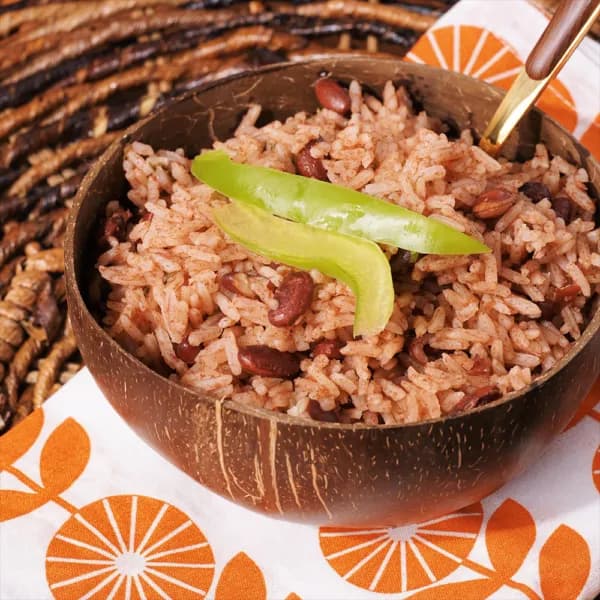
Fusion of African and Local Cuisines: In the diaspora, African food has often merged with the culinary traditions of the countries where Africans settled. This fusion has resulted in unique and vibrant food cultures. For example, in the Caribbean, African culinary traditions have blended with indigenous, European, and Indian influences to create dishes like jerk chicken, callaloo, and rice and peas.
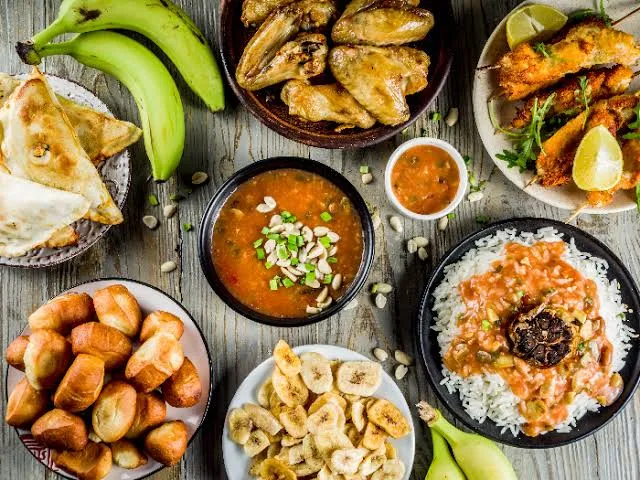
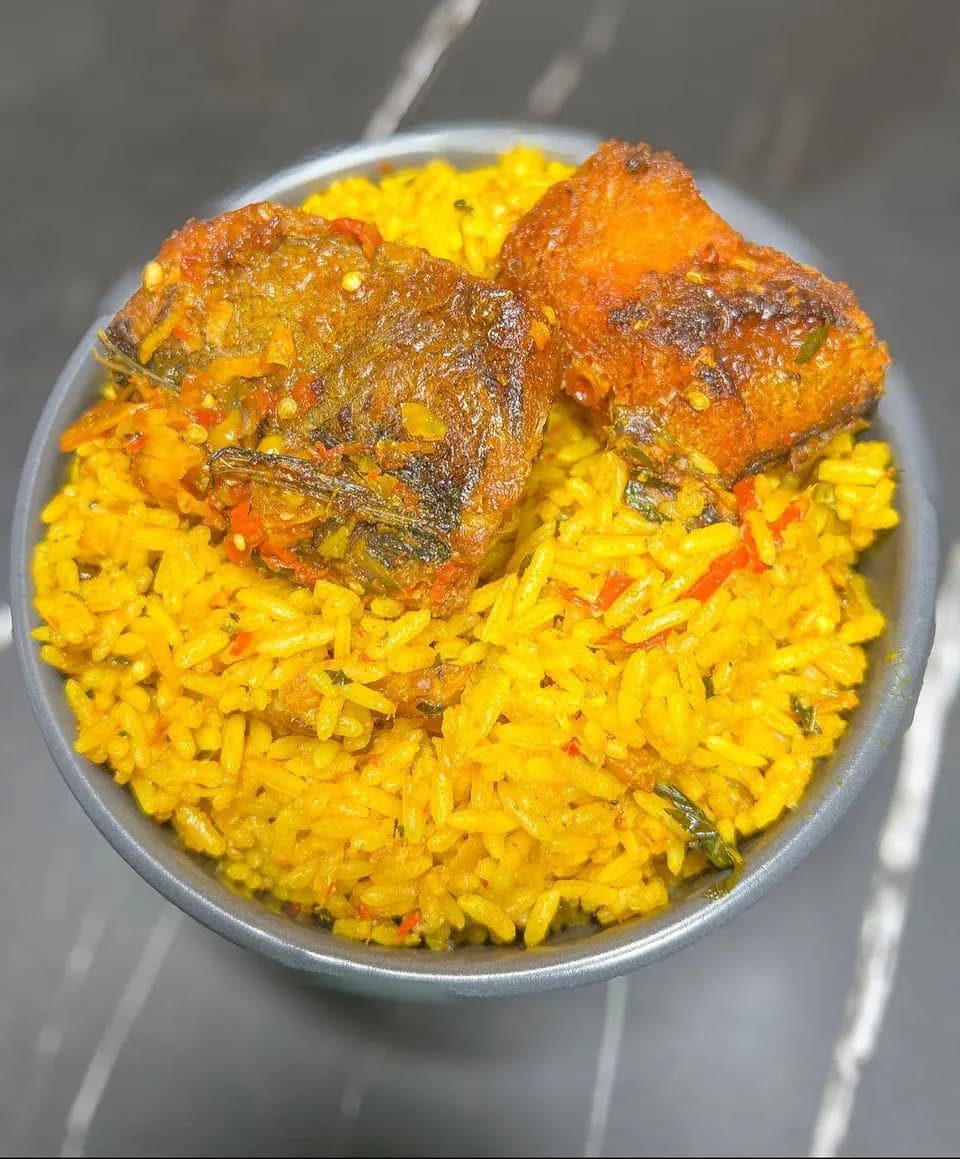
Preservation of Traditional African Dishes: Many African communities in the diaspora actively preserve their traditional dishes. These recipes are often passed down through generations and maintained as an important part of their cultural heritage. Popular examples include jollof rice, fufu, injera, and egusi soup.
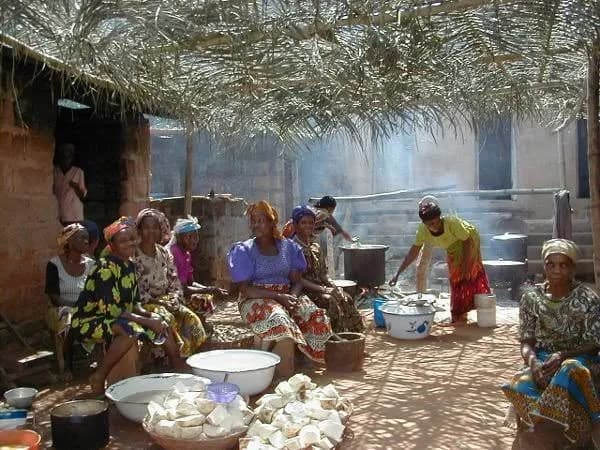
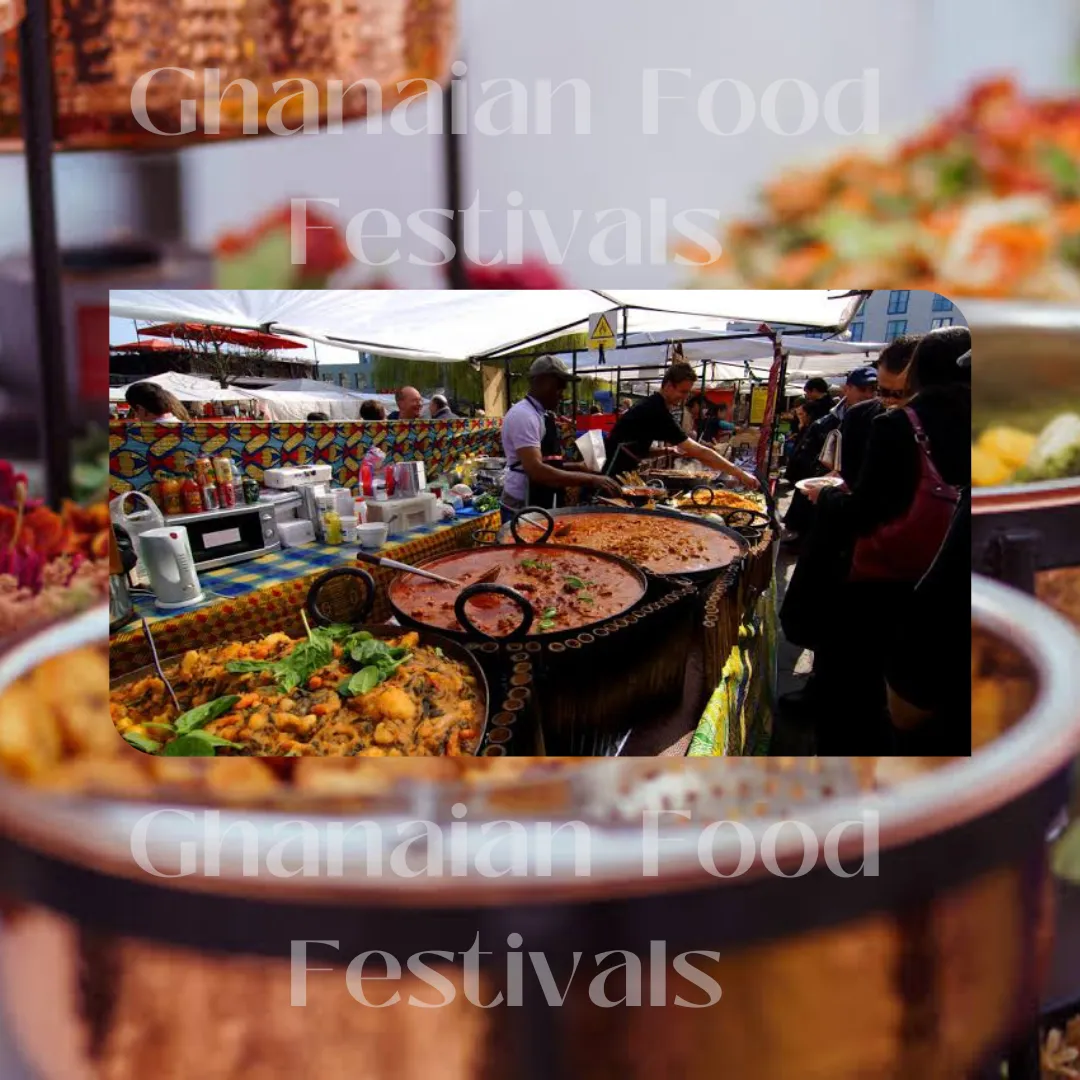
Community and Social Gatherings African food plays a central role in community and social gatherings within diasporic communities. Events such as weddings, festivals, and religious celebrations often feature a variety of traditional African dishes. These occasions provide an opportunity for people to connect with their cultural roots, share stories, and celebrate together.
Restaurants and Food Businesses African cuisine has gained recognition in the diaspora, leading to the establishment of numerous African restaurants and food businesses. These establishments serve as hubs for both the African diaspora and people from other backgrounds who are interested in experiencing African flavors. They offer a diverse range of dishes from various African regions, showcasing the richness and diversity of African culinary traditions.
Influence on Mainstream Food Culture African food has also made its way into mainstream food culture in many parts of the world. Dishes like West African jollof rice and Ethiopian injera have gained popularity and can be found in non-African restaurants. African ingredients such as plantains, yams, and spices like berbere and harissa are being incorporated into contemporary recipes, showcasing the influence of African cuisine on global food trends.
Overall, African food culture in the diaspora reflects the resilience, adaptability, and creativity of African communities as they maintain and share their culinary heritage while embracing the influences of their new environments.




living in seattle making proper injera is a whole project because the cold apartment air messes with the three day ersho fermentation. most Ethiopian stores on Rainier Avenue carry imported berbere which saves me, but getting pure brown teff flour that isn't cut with white wheat flour so the eyes form properly on the electric mitad is still so hard out here.
Finding proper coarse mealie meal for pap in Los Angeles is an absolute mission. I end up driving past three robots to the Mexican market in East LA just to buy Maseca corn flour, but it never sits quite right with a lekker spicy chakalaka like back home. Still haven't found a decent substitute for Mrs Ball's chutney out here either.
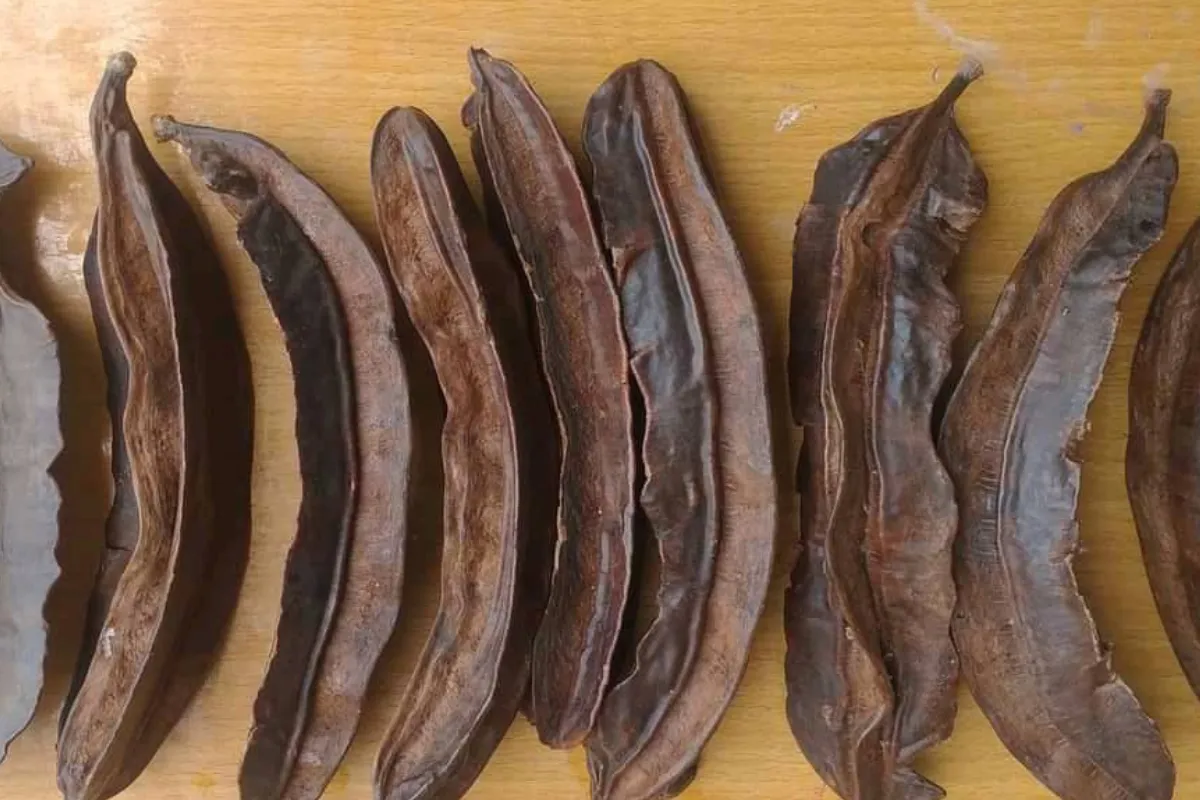
Chale you mentioned West African food abroad but you missed how our people struggle to get actual waakye leaves or proper dried salted tilapia for the shito. Herh, without that dark smoked fish smell from the market here in Takoradi, the shito they make over there just tastes like regular fried chilli oil oo.