


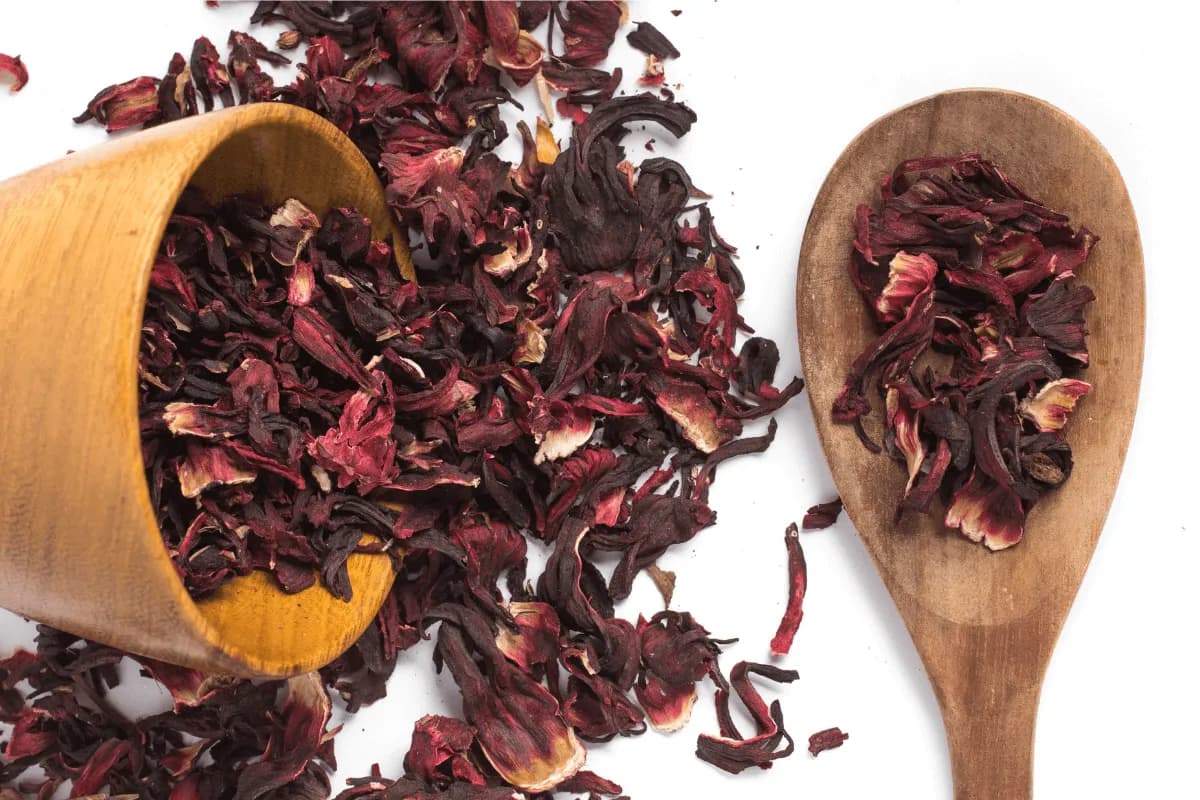
Sorrel Hibiscus is a plant that has recently acquired popularity due to its possible health benefits. Sorrel (Rumex acetosa) and Hibiscus (Hibiscus sabdariffa) are different plants that share some similarities but also have many differences.
This article will explore the differences between sorrel and Hibiscus, the potential health benefits, culinary uses, and side effects. We will also discuss who should avoid consuming sorrel Hibiscus and why.
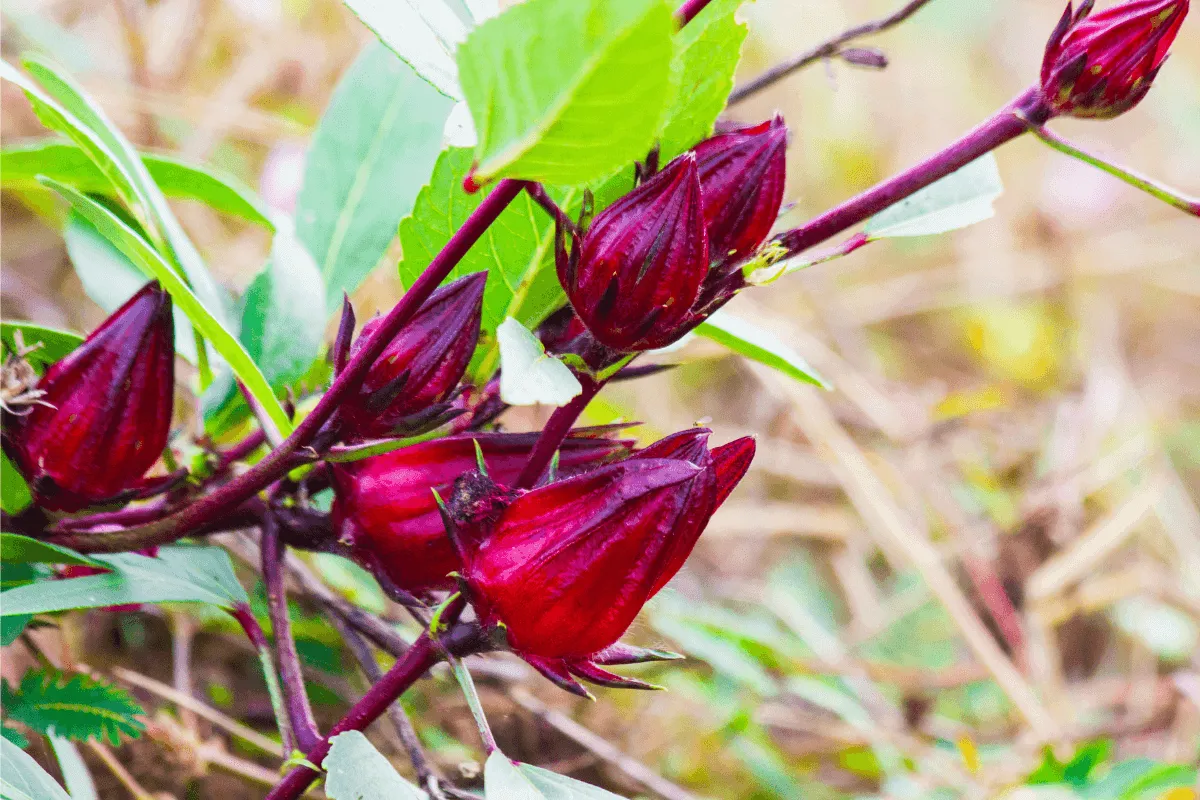
Is Sorrel and Hibiscus the Same?
Explanation of Sorrel and Hibiscus Plants Sorrel is a perennial herb native to Europe and Asia. It has a tart, lemony flavor and is often used in soups, stews, and sauces. Sorrel leaves are rich in vitamin C, potassium, and magnesium.
Hibiscus, on the other hand, is a tropical plant native to Africa. It is commonly known as Roselle or Jamaican sorrel. The plant produces red flowers that make a tart, cranberry-flavored tea. Hibiscus is rich in antioxidants and has been shown to have potential health benefits.
The plant is called "sorrel hibiscus" due to its resemblance to hibiscus in appearance, while its leaves have a sour taste similar to sorrel.
Key Differences Between Sorrel and Hibiscus
- Sorrel is a perennial herb, while Hibiscus is a tropical plant.
- Sorrel has a tart, lemony flavor, while Hibiscus has a cranberry flavor.
- Sorrel is rich in vitamin C, potassium, and magnesium, while Hibiscus is rich in antioxidants.
Common Confusions
Sorrel and Hibiscus are often confused due to their similar tart flavors and use in teas. However, they are two different plants with distinct characteristics and nutritional profiles.
Health Benefits of Sorrel Hibiscus
Antioxidant Properties Antioxidants found in sorrel and hibiscus protect the body from free radical damage. Free radicals are unstable substances that can cause cell damage and help to create chronic diseases such as cancer, heart disease, and Alzheimer's.
Potential Cardiovascular Benefits Hibiscus has been linked to possible cardiovascular benefits. According to research, hibiscus tea helps lower blood pressure, lower LDL cholesterol levels, and enhance blood sugar levels.
Immune System Support Sorrel is rich in vitamin C, which is necessary for a healthy immune system. Vitamin C aids in the prevention of infections and illnesses by boosting the formation of white blood cells.
Nutritional Content Sorrel and Hibiscus are both rich in vitamins and minerals. Sorrel is a good vitamin C, potassium, and magnesium source, while Hibiscus is rich in antioxidants, vitamin C, and iron.
Can you eat Sorrel Hibiscus?
Culinary Use: Sorrel and Hibiscus are used in culinary applications. Sorrel is often used in soups, stews, and sauces, while Hibiscus makes tea, jams, and jellies. Both plants can also be used to make refreshing beverages.
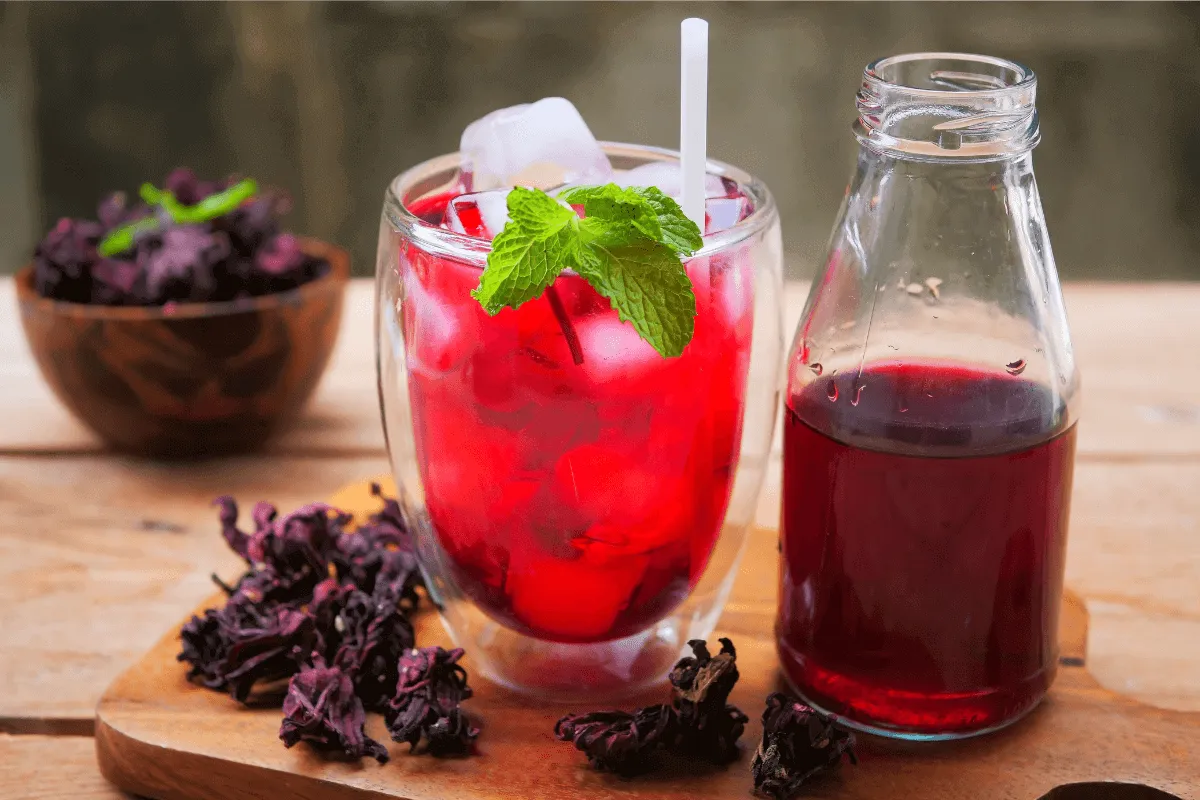
Popular Dishes and Beverages In Jamaica, hibiscus tea is popular during Christmas. The tea is made by boiling hibiscus flowers with ginger, cloves, and sugar. In Nigeria, sorrel is used to make a refreshing drink called Zobo, which is made by boiling sorrel leaves with ginger, cloves, and sugar.
Side Effects of Sorrel Hibiscus
Potential interactions with medications hibiscus has been shown to interact with certain medications, including diuretics and antihypertensive drugs. It is important to consult with a healthcare provider before consuming Hibiscus if you are taking any medications.
Allergic Reactions Some people may be allergic to sorrel or Hibiscus. Itching, hives, and difficulty breathing are all symptoms of an allergic reaction and difficulty breathing.
Impact on Blood Pressure While hibiscus has been shown to lower blood pressure in some people. It may also cause a drop in blood pressure that is too low in others. It is important to monitor blood pressure when consuming Hibiscus.
Gastrointestinal Issues Consuming large amounts of sorrel or Hibiscus may cause gastrointestinal issues such as diarrhea and stomach cramps.
Who Should Not Drink Sorrel?
Pregnancy Pregnant women should avoid consuming sorrel as it may cause contractions and increase the risk of miscarriage.
Low Blood Pressure People with low blood pressure should avoid consuming Hibiscus as it may cause a drop in blood pressure that is too low.
Kidney Disorders People who have kidney disorders should avoid consuming Hibiscus as it may increase the risk of kidney damage.
Allergies and SensitivitiesPeople with allergies or sensitivities to sorrel or Hibiscus should avoid consuming them.
Conclusion
Sorrel Hibiscus is a plant has grown in popularity in recent years as a result of its possible health benefits. Sorrel and Hibiscus are two different plants with distinct characteristics and nutritional profiles.
While both plants have potential health benefits, they may also have side effects and should be consumed in moderation. It is important to consult with a healthcare provider before consuming sorrel Hibiscus if you have any health conditions or are taking any medications.

glad you pointed out the difference between rumex acetosa and hibiscus sabdariffa. when I first moved to Toronto i went to a Caribbean shop in Scarborough asking for zobo leaves and got so confused when the man offered me fresh green sorrel leaves! back home in Nigeria we only dry the red calyces for zobo and boil it with lots of ginger and pineapple rind. e sweet sha, and it really helps with my blood pressure o.
Really nice breakdown of the botanical difference. In East Africa and Sudan we brew the dried hibiscus calyces into deep red karkadeh with a stick of cinnamon. Here in Seattle I can easily get dried hibiscus flowers at the Somali market in Rainier Valley, but finding fresh green Rumex sorrel leaves is almost impossible unless you go to a high-end farmers market in July.
Good distinction! In South Africa we mostly stick to rooibos for daily health tea, but since moving to LA I buy dried roselle calyces from the Ethiopian market on Fairfax to brew cold drinks. Sourcing actual Rumex acetosa here is nearly impossible unless you grow it in your garden. Steeped with cloves and a bit of sweetener, roselle tea is proper lekker on a hot day.
People keep mixing these two up because of the name sorrel! In Accra, school kids buy chilled sobolo in small plastic bags every afternoon. The natural tartness from the dried roselle calyx is so strong, you don't even need extra acid. My grandmother always said it cools the body down during hot season paa.
Herh, sobolo is a whole lifestyle in Ghana oo. You didn't mention adding pineapple peels and hwentia (grains of selim) when boiling the dried calyces! That is what gives it that deep spice and medicinal kick for blood flow, not just boiling the red flowers alone chale.