Nous utilisons des cookies essentiels au fonctionnement du site. Nous aimerions aussi déposer des cookies de mesure d’audience et des cookies publicitaires, uniquement avec votre accord. Vous pouvez choisir séparément pour chacun. Lire notre politique relative aux cookies
Loading
Recettes
Parcourez les archives par pays, par plat et par temps de cuisson.
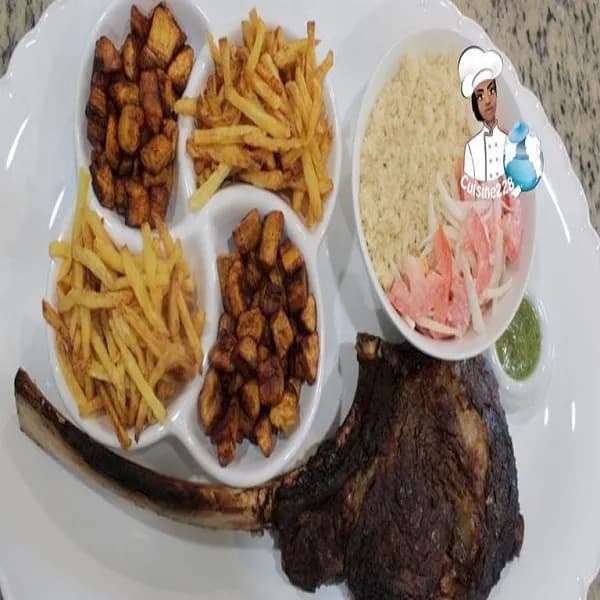
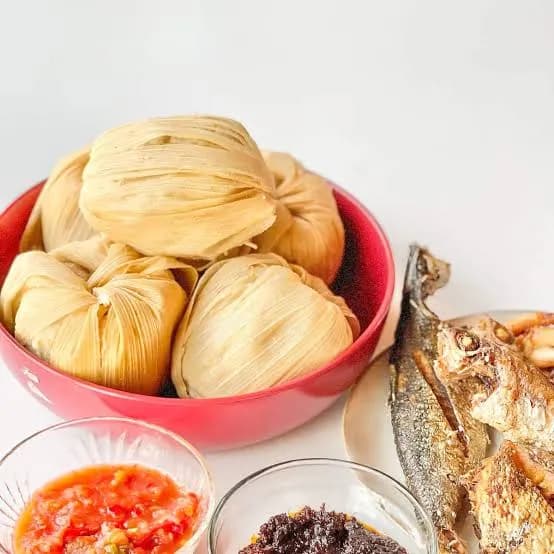
This is a plate rather than a dish: attiéké, steak and alloco together, which is how Ivorians eat all three. Each element is a staple in its own right and the combination is what turns them into a meal.
Attiéké is the foundation. It is fermented cassava, grated and steamed into fine pale granules that look like couscous and taste nothing like it, carrying a distinct sourness from a fermentation of a few days. It originated in the coastal districts of Côte d'Ivoire centuries ago and is eaten at every meal of the day by Ivorians of every age. That sour note is the thing people either take to immediately or need a few platefuls to appreciate, in the same way sourdough divides opinion.
Alloco is fried ripe plantain, and it is eaten across the region under different names: dodo in Nigeria, makemba in the Congo, amanda in Togo, kelewele in Ghana. Its caramelised sweetness against the sour attiéké is the balance the plate depends on, with the steak providing the third element. In Abidjan the combination is sold from roadside maquis and eaten with the fingers, and any drink at all is considered appropriate alongside it.
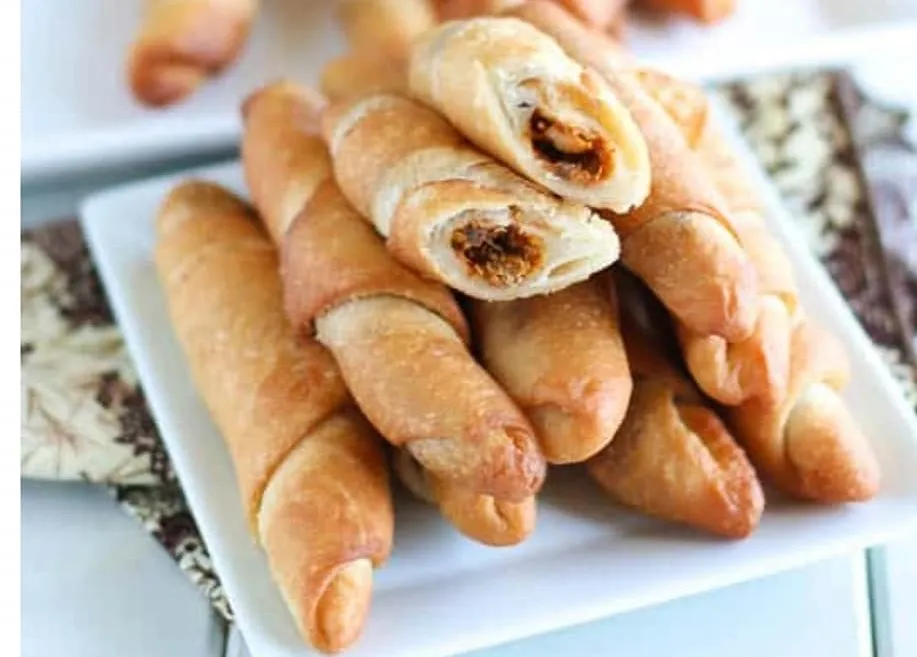
The fish roll is a West African street snack: a simple enriched dough wrapped around seasoned flaked fish and deep fried until crisp. It is eaten across Cameroon, Nigeria and Ghana, sold from bakeries, roadside stands and glass warmers, and it sits on the small chops platter alongside meat pie, puff puff and spring rolls.
Its name shifts with its shape. Rolled into a cylinder it is a fish roll; made in the manner of a folded half moon pie it is called a fish pie. The two are the same idea and Nigerians and Ghanaians use both terms. The source for this recipe gives Cameroonians the credit for making them best, which is the kind of claim that gets argued about rather than settled.
Mackerel is the standard fish, called titus in Nigeria after a brand name that became the general term for the frozen fish sold across the country. It is steamed, boned, flaked and seasoned with onion, spring onion and cayenne, which is a short ingredient list doing a lot of work. The dough is where the technique sits: too much handling gives a hard roll rather than a crisp one, which the source identifies as the usual failure. Baking is possible and gives a lighter, less crisp result.
Oyster mushrooms grilled and tossed in suya spice. It is a plant-based version of the Nigerian street food, and it works better than most meat substitutions do.
**The traditional suya spice contains ground peanuts, and this recipe includes them.** The source flags it and offers to leave them out, which is honest, but it is worth stating clearly, because a peanut allergy and a suya spice blend are a genuinely dangerous combination and the name gives no warning.
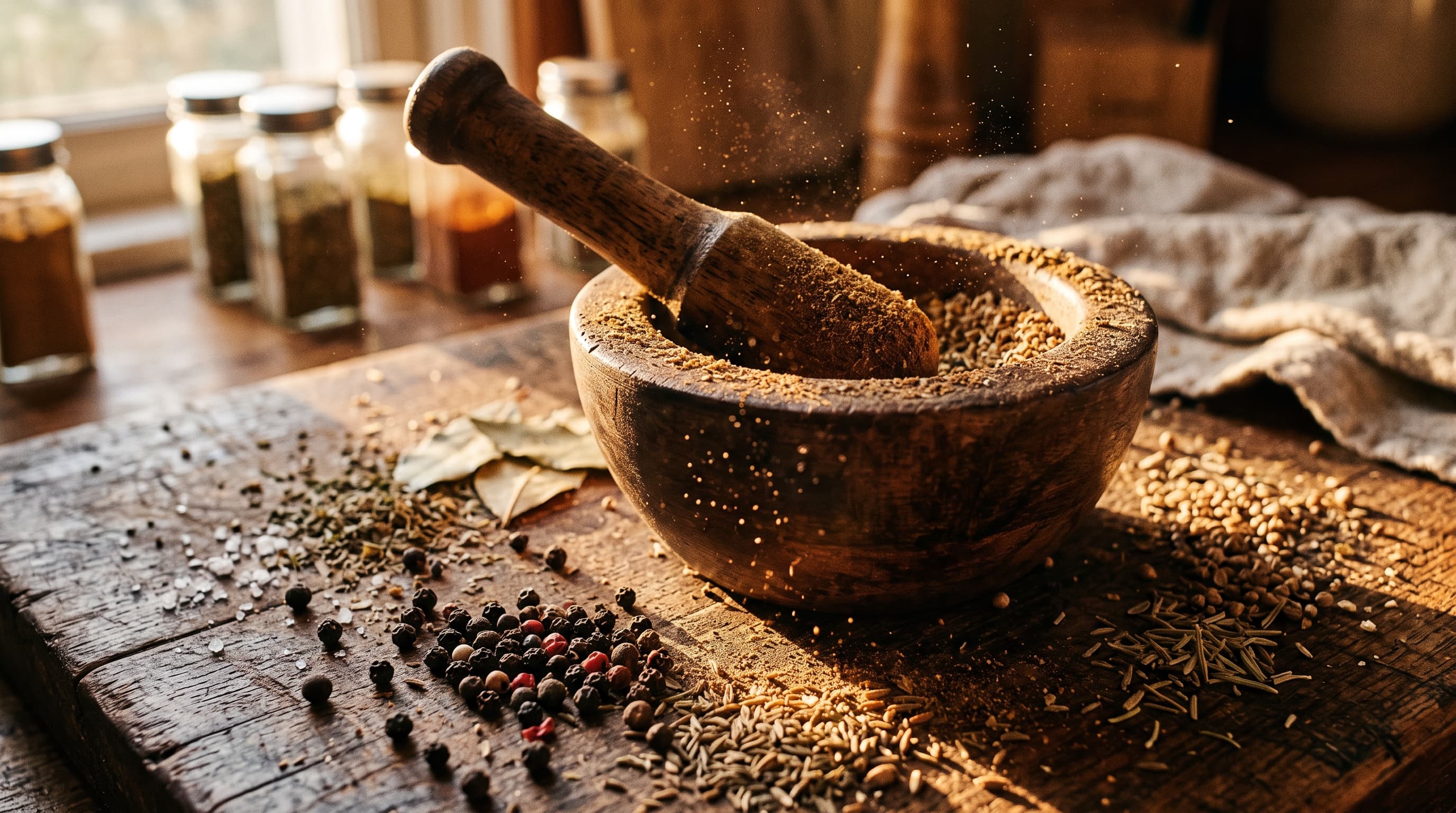
Suya proper is skewered beef, ram or chicken rubbed in yaji, the spice blend of ground roasted peanuts, ginger, cayenne, garlic, onion powder and paprika, and grilled over open coals. It is Hausa in origin, from northern Nigeria, and it is sold across Nigeria, Cameroon, Niger, Ghana and parts of Sudan. Kyinkyinga is the Ghanaian name, agashe the Sudanese.
Oyster mushrooms are the right substitution and not an arbitrary one. Shredded, they have a fibrous, layered structure that genuinely resembles pulled meat, they take on the dry rub readily, and they char well. Most vegetables do neither.
The source's method is very compressed, one step reads "put in a preheated medium", with the word oven missing, and has been filled out below.
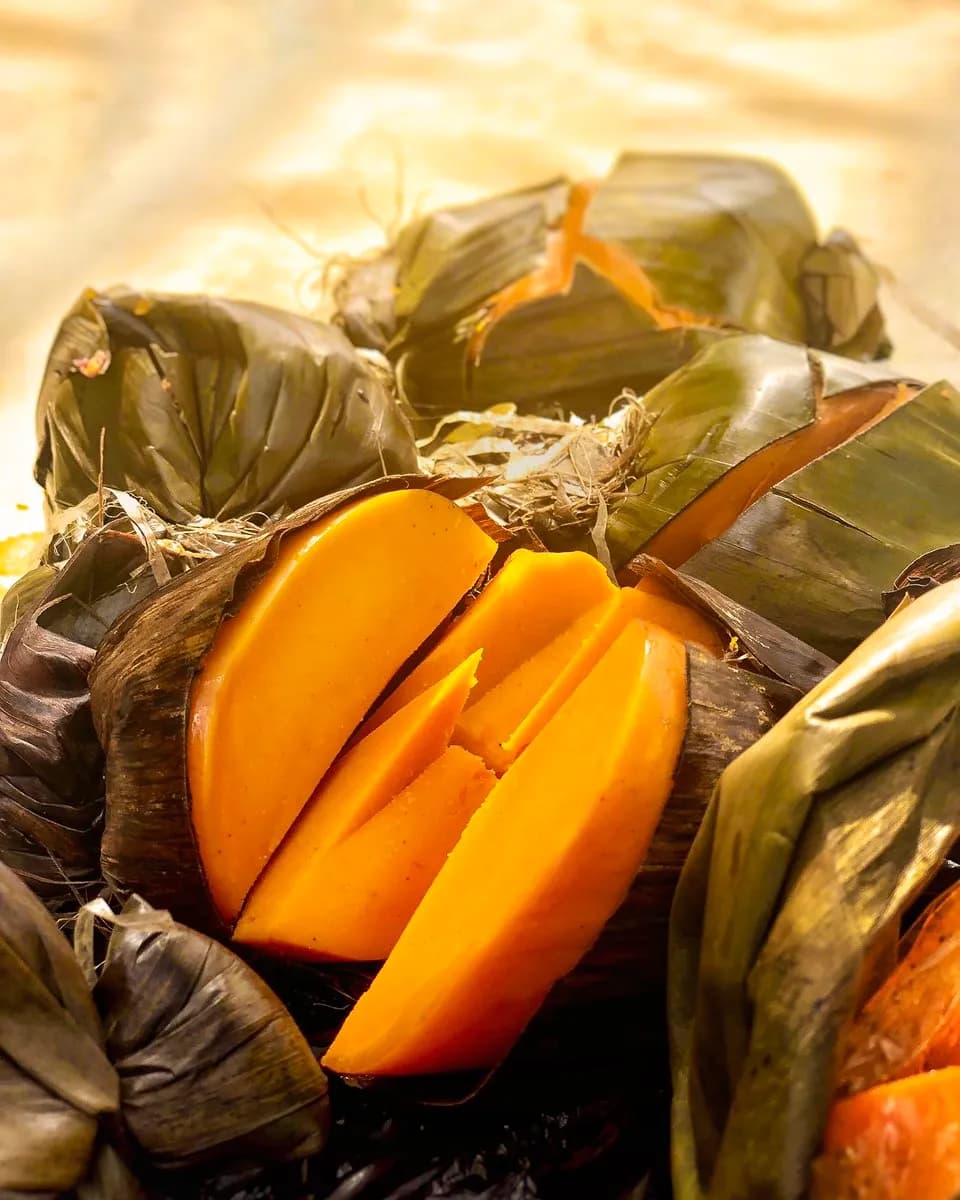
Okpa is a steamed pudding of Bambara nut flour and palm oil, wrapped and cooked in boiling water until it sets solid. It is the street food of Enugu, and anyone travelling into the city from Onitsha or Lagos will hear the sellers calling okpa di oku, meaning okpa is hot.
Bambara groundnut is an indigenous African legume, grown long before peanuts arrived from South America, and it is the same nut behind several dishes across the continent. It is known as jugo beans in southern Africa, and okpa itself is also called igba and ntucha. The seeds come in small pods and are extremely hard, so hard that domestic grinders cannot handle them and only industrial mills will do the job. That is why okpa flour is bought rather than made.
Restraint is the principle. Bambara nuts have a good flavour of their own, and the source is emphatic that adding onions and crayfish ruins it, which is unusual advice in Nigerian cooking where those two go into almost everything. Palm oil, salt, stock cubes and pepper are the whole seasoning. The mixture looks alarmingly watery when mixed, and that is correct. The ratio in the recipe gives the right texture, and using less water produces something rock hard.