Nous utilisons des cookies essentiels au fonctionnement du site. Nous aimerions aussi déposer des cookies de mesure d’audience et des cookies publicitaires, uniquement avec votre accord. Vous pouvez choisir séparément pour chacun. Lire notre politique relative aux cookies
Loading
Recettes
Parcourez les archives par pays, par plat et par temps de cuisson.
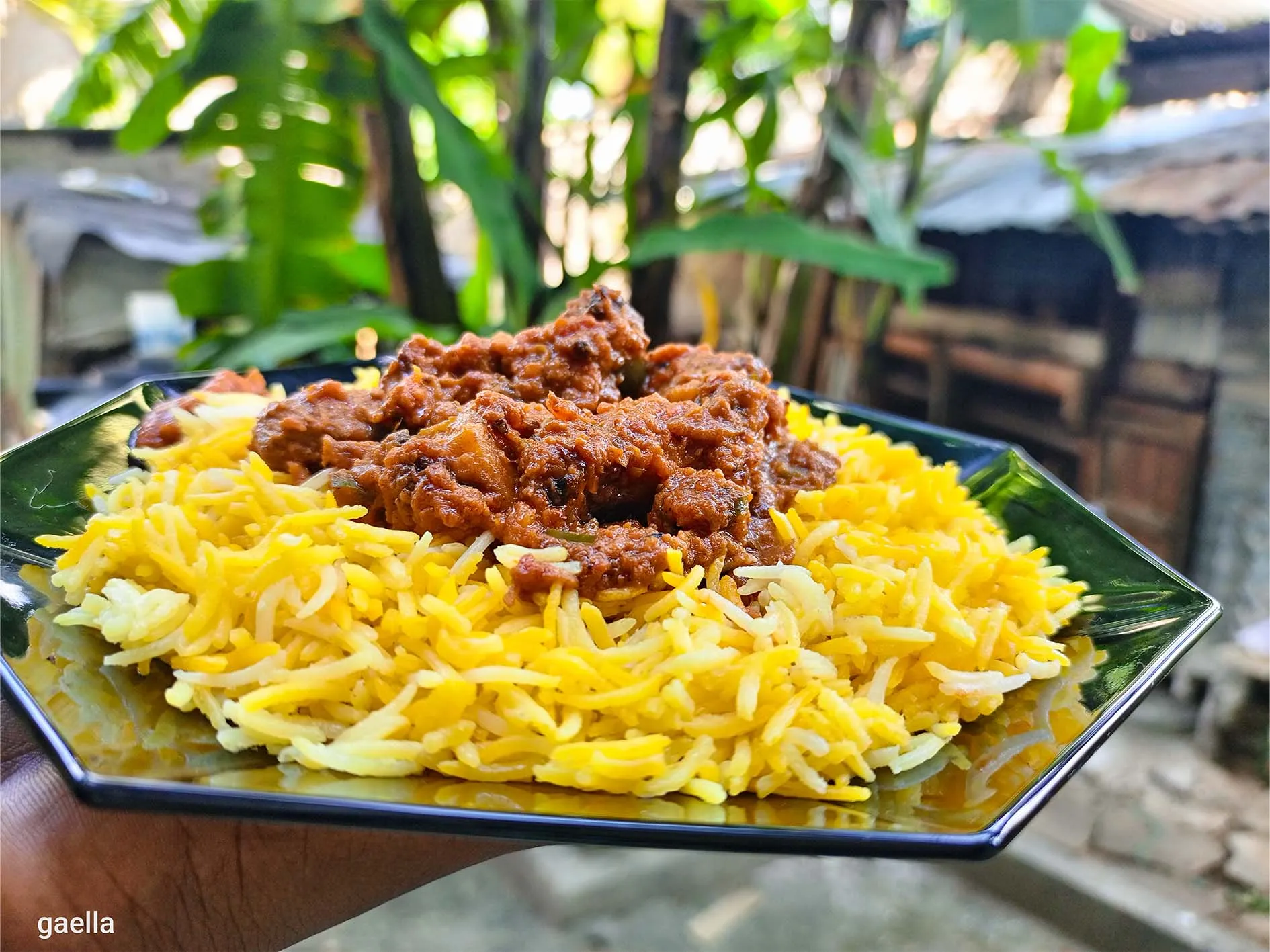
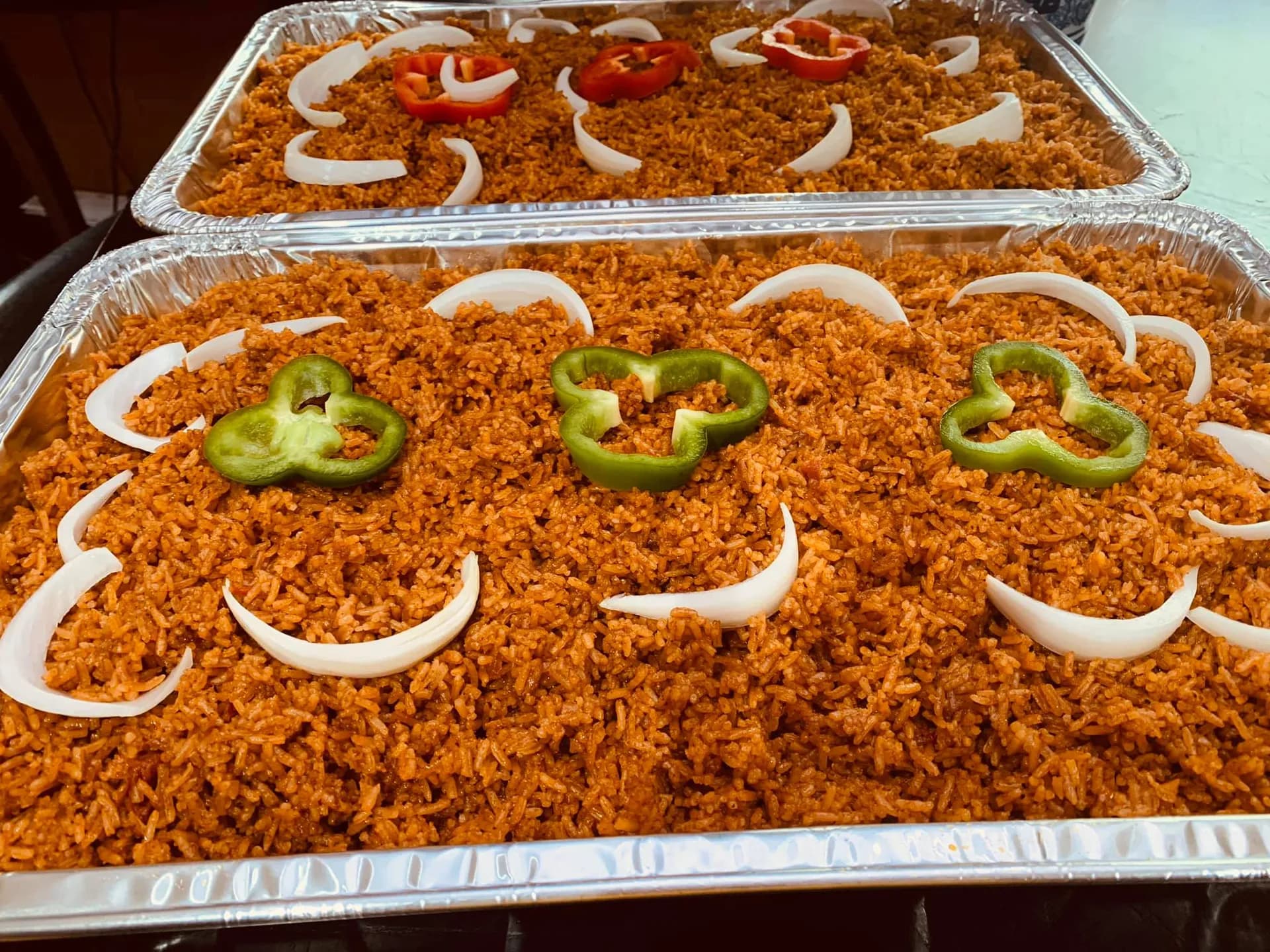
Kenyan biryani is a Swahili coast dish, and the coast is where the Indian Ocean has been depositing influences on East Africa for more than a thousand years. Arab, Persian and Indian traders working the monsoon routes brought rice, spices and techniques to Mombasa, Lamu and Zanzibar, and what developed there is neither Indian nor Arab but Swahili.
The biryani method itself is unmistakably South Asian: meat cooked in a spiced yoghurt gravy, rice parboiled separately with whole spices, the two layered and steamed together so the rice finishes in the gravy's steam. The Kenyan version keeps that structure. What it does differently is in the details, with fried onions used in quantity, tomato leaning heavier than in most Indian versions, and fried potatoes worked through the meat rather than served alongside.
It is occasion food. Biryani appears at Kenyan weddings, at Eid, and at the large family meals where the effort is justified by the number of people eating. The orange food colouring streaked through part of the rice, which purists elsewhere would query, is standard in Kenya and is part of what a Kenyan expects a biryani to look like. Served with kachumbari, the raw tomato and onion salad, it is one of the clearest expressions of what the coast is.
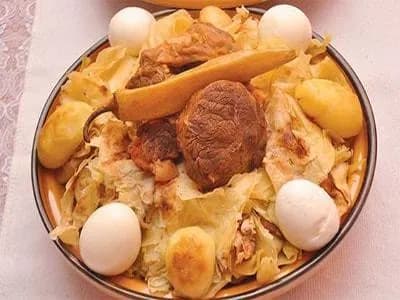
Chekhchoukha, also written chakhchoukha, is torn flatbread under a spiced meat and chickpea sauce, and the name describes the tearing. It comes from tacherchert in the Chaouia language, meaning to crumble or to tear into small pieces, and the bread is broken by hand rather than cut.
It is a Chaoui dish, from the Aurès mountains of eastern Algeria, and it spread from there into Constantine, Biskra and the rest of the country. Its origin is in shepherds' food, the substantial thing eaten on returning home on cold winter nights, and it kept that character even as it became a dish for festive occasions and celebrations rather than everyday eating.
The bread is rougag, also called trid, a very thin round flatbread made from fine semolina. It is torn, steamed briefly to soften, then heaped on a plate and covered with marqa, the sauce of diced lamb, tomato, onion and chickpeas spiced with dried red chilli, caraway, ras el hanout, black pepper and cumin. Two versions are recognised: chakhchoukha of Biskra, which is this one, and chakhchoukha dfar, which uses a different flatbread and differs in taste and thickness. Which pot it is made in also varies, with some cities using clay and others iron.
Ghanaian jollof rice is defined against its rivals as much as on its own terms, and Ghanaians are entirely comfortable with that. It is a tomato based rice, aromatic rather than fiery, seasoned with curry powder, garlic and ginger, and cooked in basmati. Every one of those choices is a position in an argument.
The rice is the clearest one. Ghanaians use basmati, which stays separate and perfumed and carries the aromatics; Nigerians use long grain parboiled, which absorbs the tomato base and takes on the smoke. Neither is a mistake. They produce genuinely different dishes that share a name, and the preference in each country is consistent enough to be a national marker.
The jollof rivalry between Ghana and Nigeria is the continent's most famous culinary argument, conducted on social media, at dinner tables and in the press with an intensity that has very little to do with rice and a great deal to do with two confident countries enjoying themselves. The honest position on the origin is that the dish descends from the Senegambian rice tradition rather than from either country. The honest position on which is better is that both are right within their own tradition, and Ghanaians serve theirs at every social gathering and celebration that matters.
Thiakry is millet couscous stirred into sweetened yogurt and milk, served cold, and it is one of the most widely eaten sweet things in Senegal and the Gambia. It is also written thiakri, chakery, caakiri and degue, and the spelling shifts with the language and the writer while the dish stays the same.
Millet is the reason it exists. It is one of the principal grains of Senegal, grown across the drier interior where rice does not do well, and thiakry is among the most common things made from it. The grain is milled to a couscous and steamed, then cooled and folded into the dairy. In Dakar it is sold in every grocery store, which is a fair measure of how ordinary a food it is.
It is eaten at breakfast as readily as at the end of a meal, which puts it in the same category as yogurt everywhere: sweet, cold, and not confined to dessert. Raisins, mango, grated coconut and chopped almonds are all standard on top, and vanilla and nutmeg are the usual flavourings. Its close relation ngalakh, made with peanut paste and baobab, is the elaborated festival version of the same base. Thiakry is the everyday one.