Tunisian Mloukhia
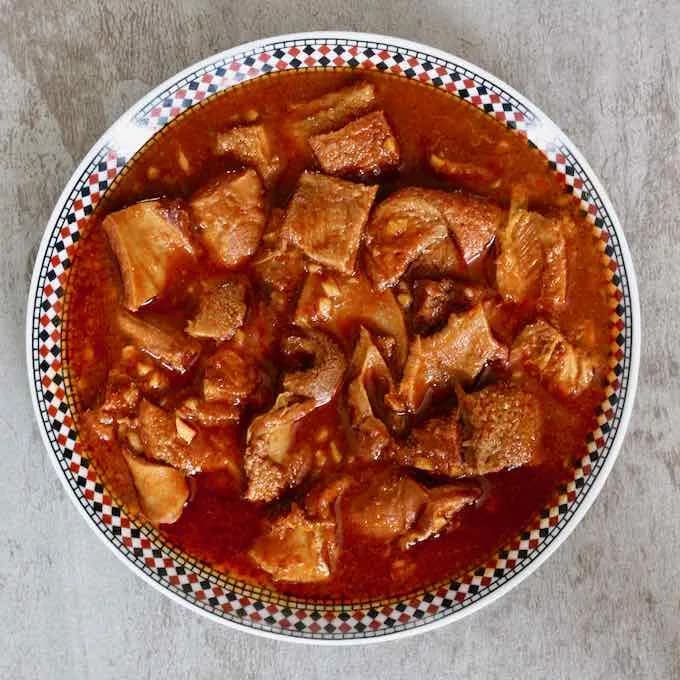
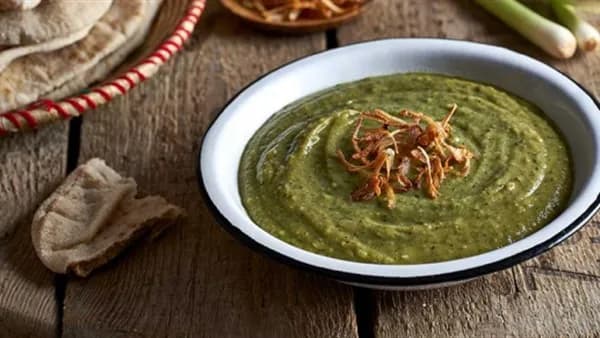
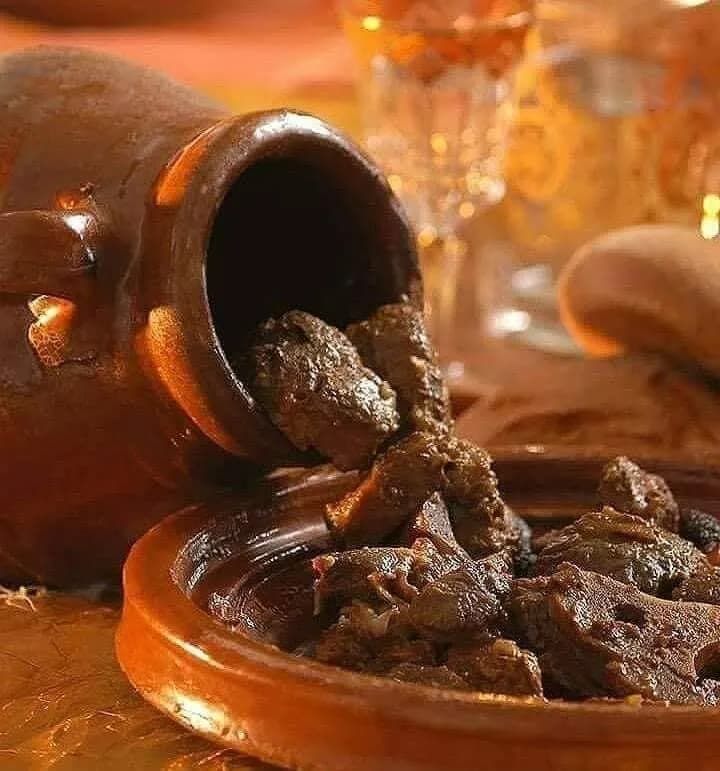
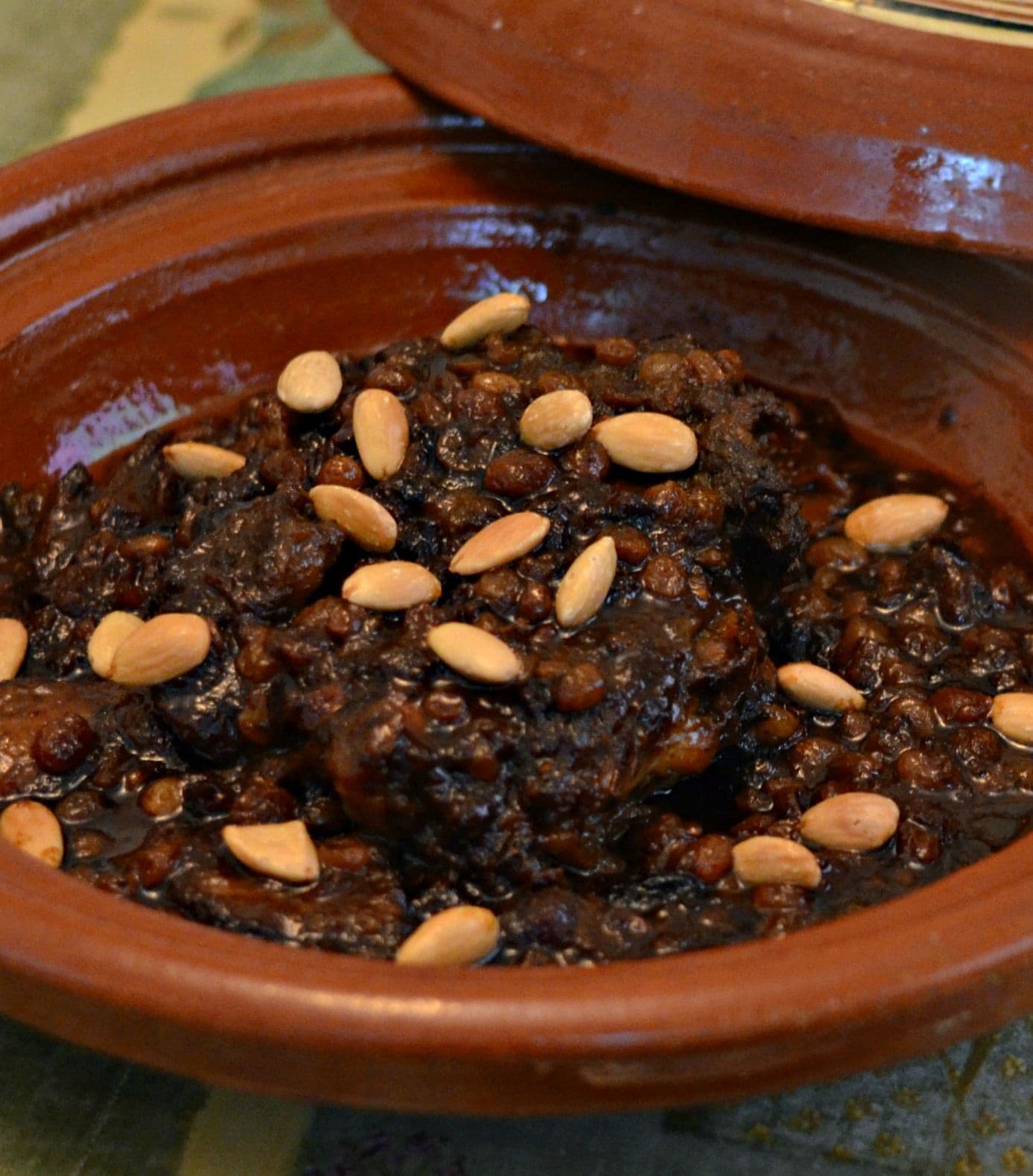
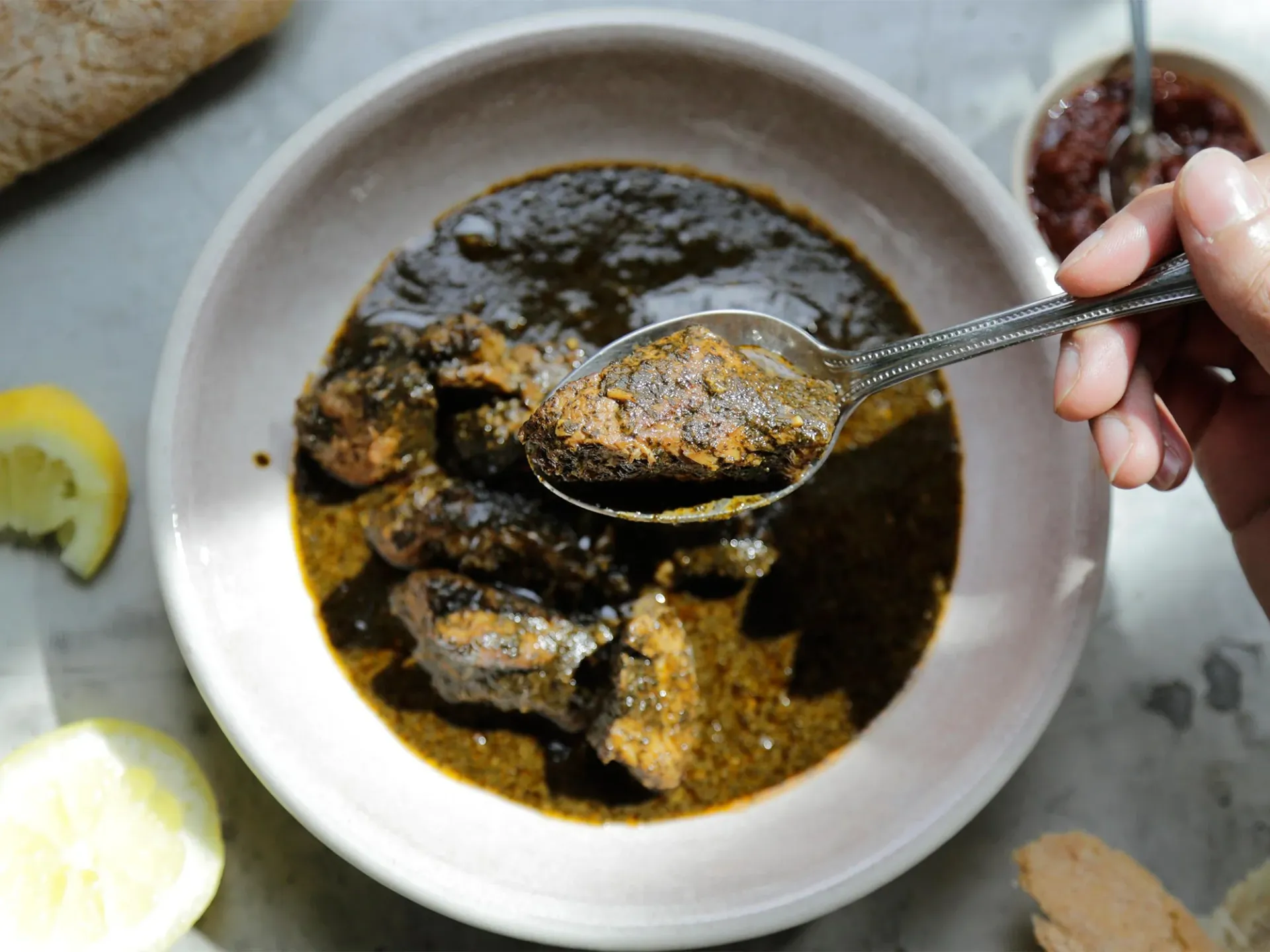
Tunisian mloukhia is not the dish of the same name eaten in Egypt, and the difference is fundamental. Egyptians cook the fresh leaves of jute mallow into a green soup. Tunisians dry the leaves, grind them to a powder, and cook that powder in oil for hours until it turns from green to deep brown and finally to something close to black. The two share a plant and almost nothing else. The name carries a claim. Mloukhia derives from the Arabic malik, meaning king, and in Tunisia the dish is called the delicacy of the king. It is cooked slowly over the low heat of a kanoun, a charcoal brazier, for at least eight hours in the traditional method, and it is not unusual for the paste to be started the evening before and finished the next day. Its occasions are precise and they cross religious lines. Tunisian Muslims eat it on Ras el am, the first day of the Hegira new year, so that the year begins under the sign of green, which is the colour of Islam and of hope. It appears at the end of mourning periods and on the first day of Eid al-Fitr. The Jews of Nabeul kept the same custom and now cook mloukhia for Rosh Hashanah. Tunisians say plainly that there is no middle position on it: you love it or you do not.
Tunisia6 hr 30 minBlessing