Nous utilisons des cookies essentiels au fonctionnement du site. Nous aimerions aussi déposer des cookies de mesure d’audience et des cookies publicitaires, uniquement avec votre accord. Vous pouvez choisir séparément pour chacun. Lire notre politique relative aux cookies
Loading
Recettes
Parcourez les archives par pays, par plat et par temps de cuisson.
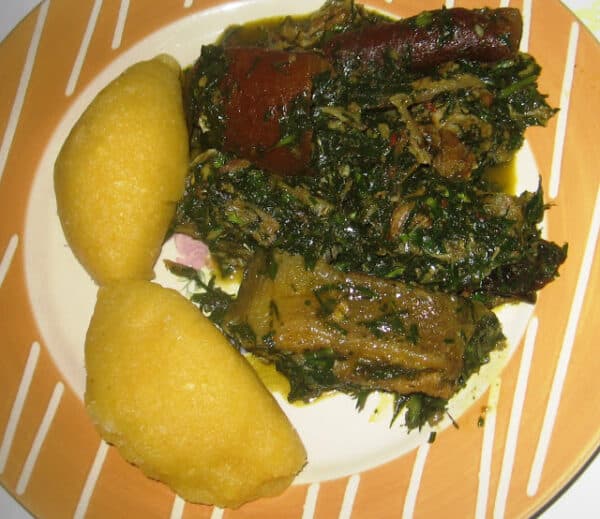
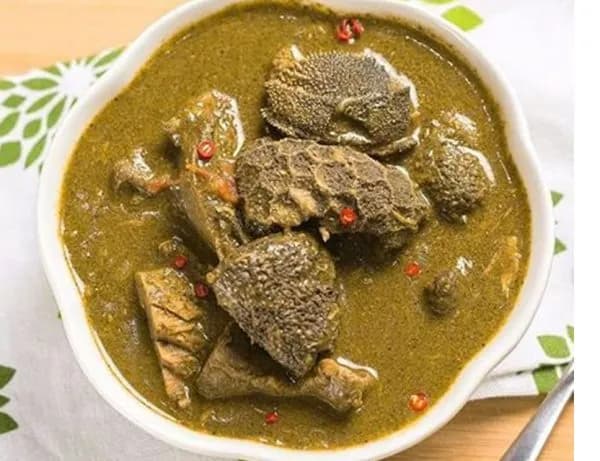
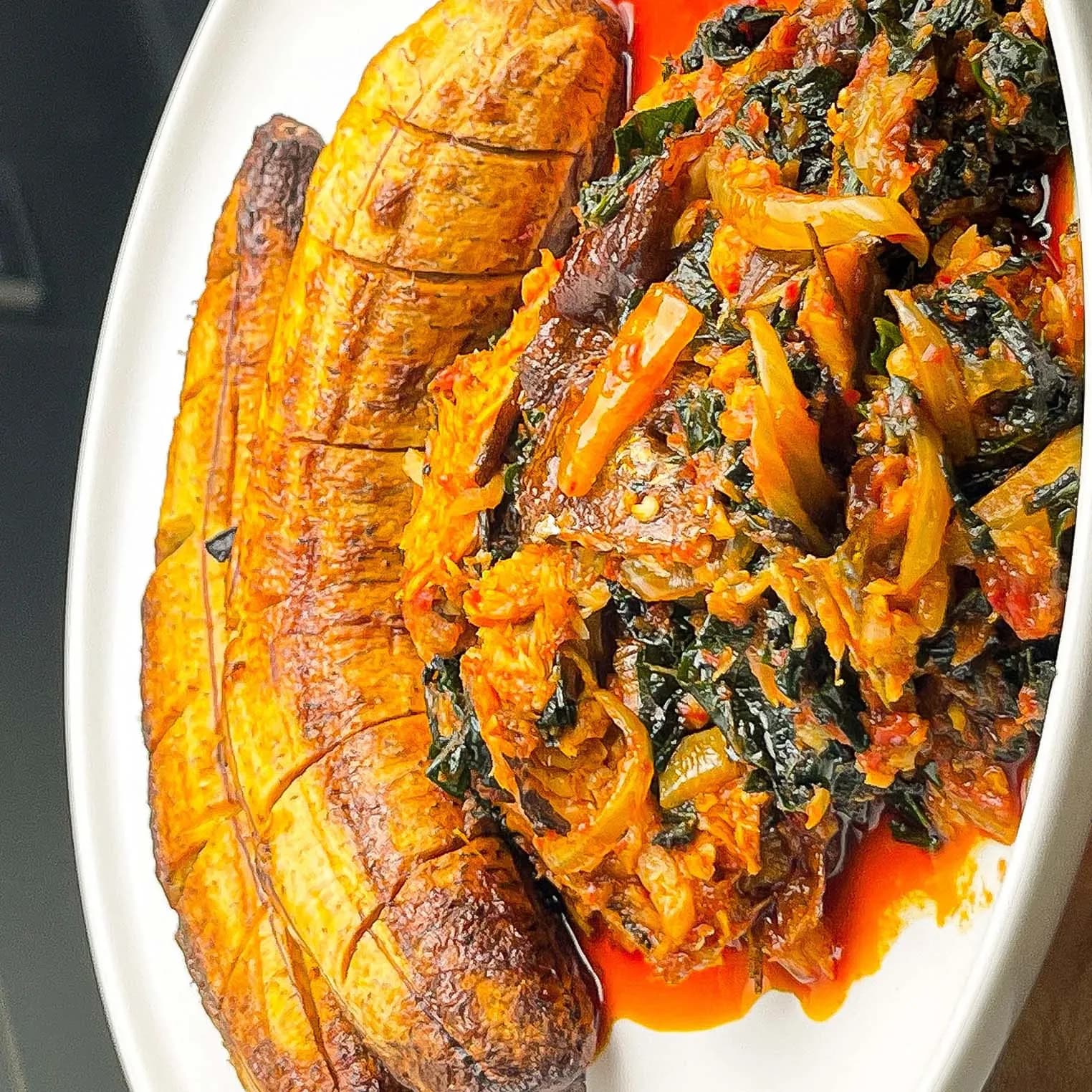
Afang soup belongs to the Efik and Ibibio people of Cross River and Akwa Ibom in southeastern Nigeria, and it is built on two vegetables that do quite different jobs.
Afang, okazi to the Igbo, and known botanically as Gnetum africanum, is a tough, wiry forest leaf with a faintly bitter edge. It is sliced extremely finely, almost shredded, because whole it would be unpleasant to eat. Waterleaf is the counterweight: soft, quick to wilt, and full of moisture, which is what gives the soup its body without much added liquid.
The pairing is the point, and it is what separates afang from edikang ikong, the other great vegetable soup of the same region. Edikang ikong uses waterleaf and ugu, the pumpkin leaf, and reads as sweeter and greener. Afang uses waterleaf and okazi, and carries that characteristic bitterness. People from the region can tell them apart instantly, and the leaf is the whole distinction.
Around the vegetables sits an assortment that scales with the household budget, beef, shaki, dried and fresh fish, periwinkle, crayfish, palm oil, pepper. It is a soup that has long been read as a marker of a generous table, and it is served with any of the swallows.
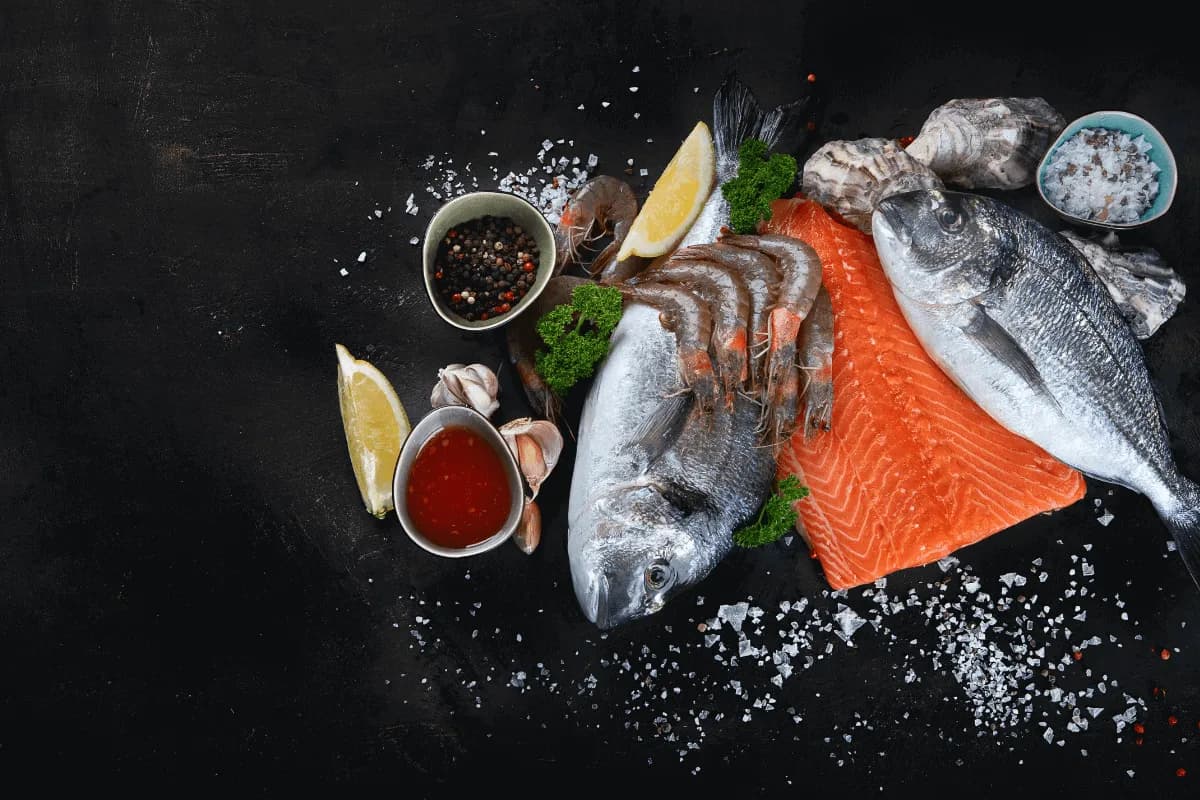
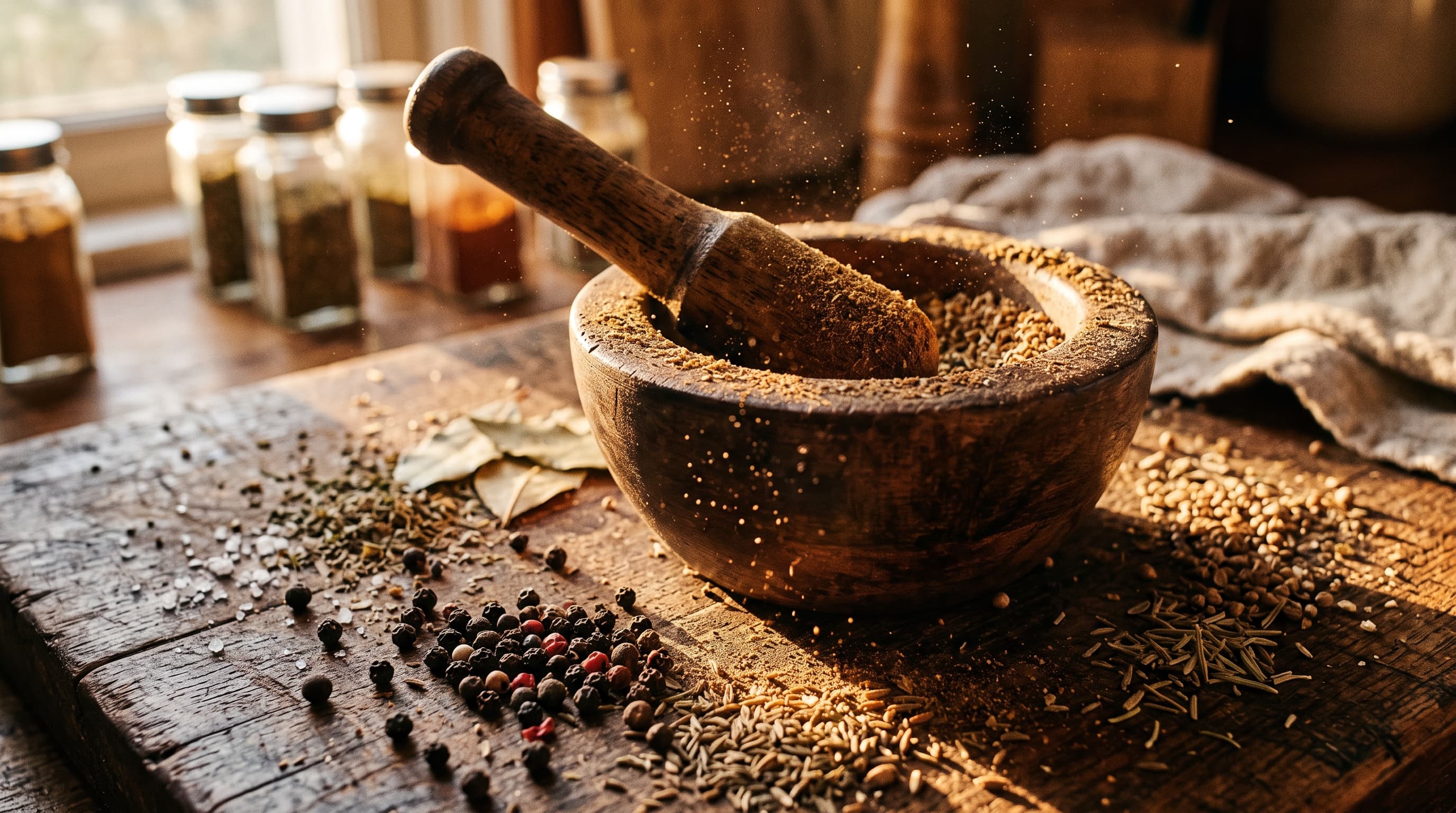
This is a dry spice rub for fish, and it belongs to no particular cuisine. Paprika, thyme, oregano, garlic powder, onion powder, salt, black pepper and cayenne is a broadly Western seasoning profile, and the source claims no country for it.
That is worth stating plainly on a platform documenting African food, because Africa has a great many specific fish seasonings that this is not. Nigerian fish is seasoned with blended pepper, ginger and stock cubes. Senegalese fish carries rof, a stuffing of parsley, garlic and chilli pushed into slashes in the flesh. Moroccan fish is marinated in chermoula, built on coriander, cumin, paprika and preserved lemon. Any of those would be the regional answer to the question this recipe is asking.
What is here is a competent all purpose blend, useful for grilling, baking or pan frying, and it keeps for months in a sealed jar. It is filed under Worldwide Recipes rather than presented as African, since inventing a heritage for a paprika and oregano rub would be exactly the kind of claim this archive should not make.
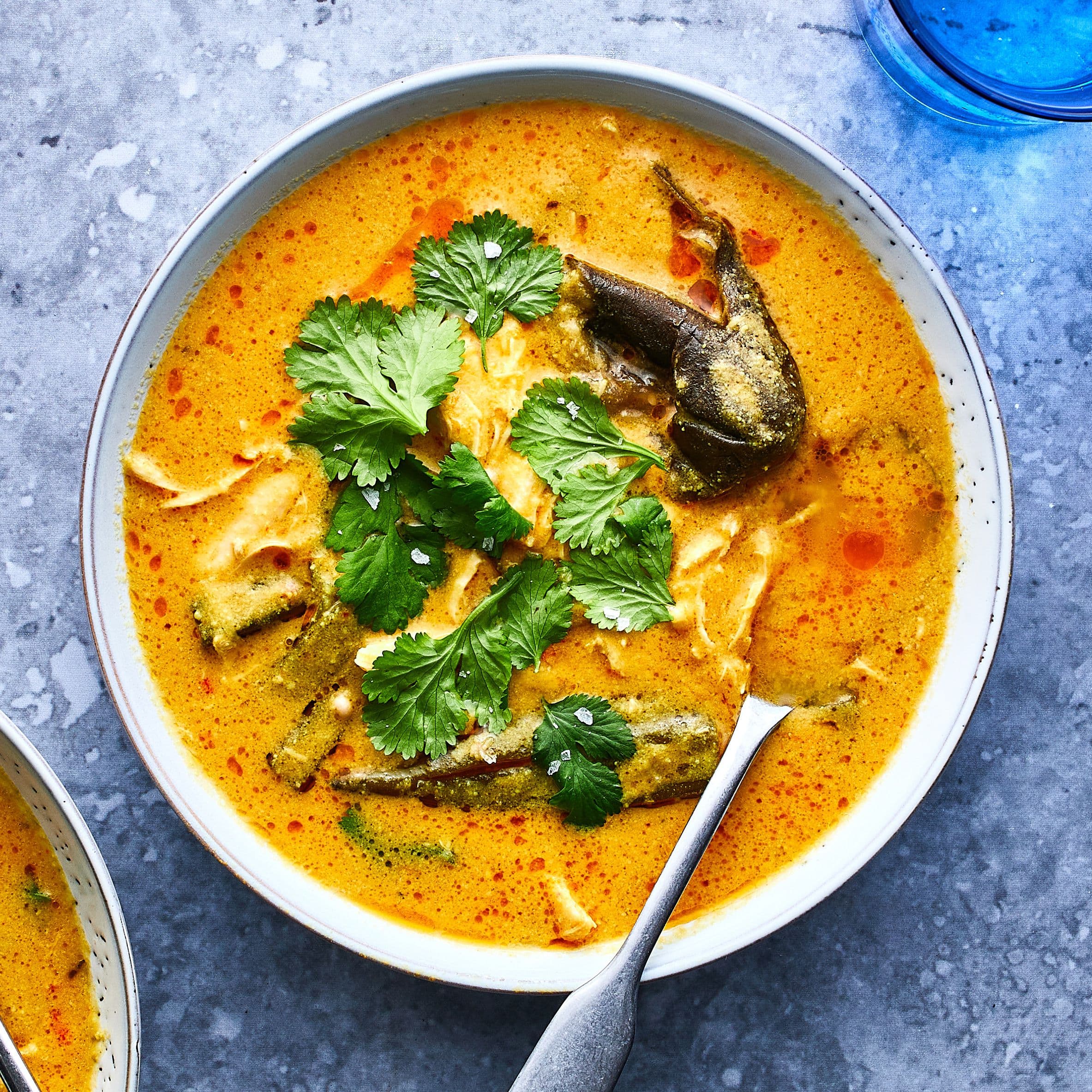
Peanut butter soup, nkatenkwan in Twi, is one of Ghana's defining dishes, and versions of it are cooked right across West Africa under different names.
It is built by combining peanut butter, or blended roasted peanuts, with stock and a tomato base, then simmering until the oil separates and rises. That separation is the marker of a finished soup and it takes time; rushed, the soup tastes raw and pasty.
The dish belongs to a wider family. Nigerian groundnut soup and Senegalese mafé share the same foundation, and the differences are in what goes with it, meat, chicken or fish, and the vegetables that accompany.
It is served most classically with fufu, the pounded cassava and plantain swallow, and also with rice or omo tuo, the rice balls.
The soup is naturally rich and quite heavy, and it is usually made with chilli to balance that. Without heat it can be cloying.
Peanuts are one of the most serious food allergens, and there is no version of this dish without them.
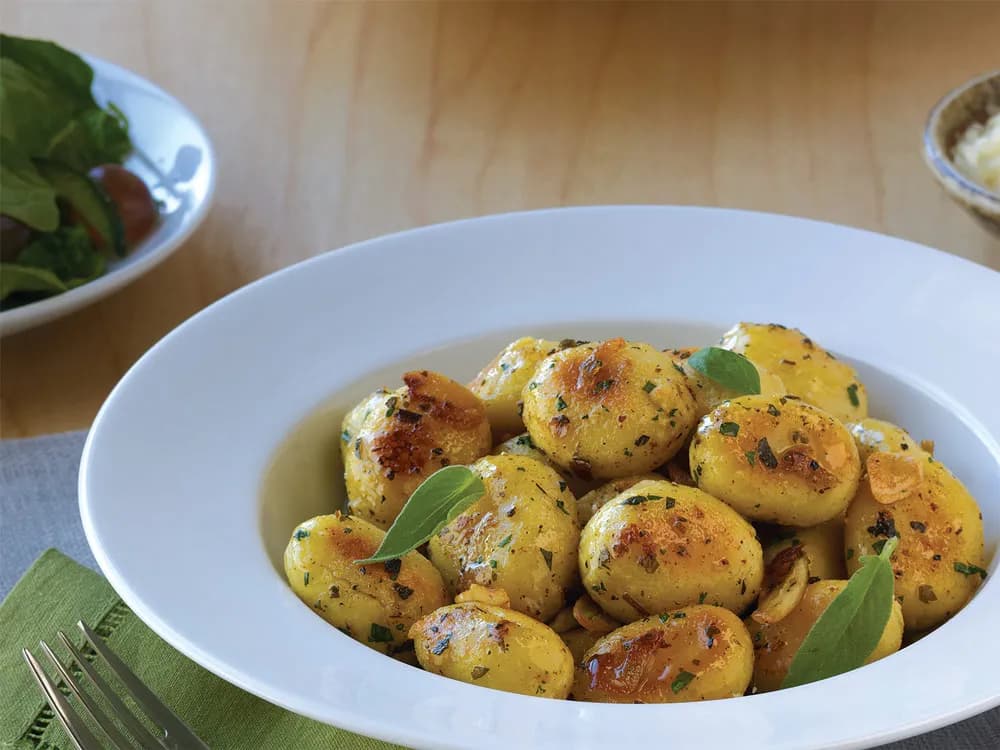
Potato gnocchi tossed in butter with garlic, sage and Parmesan. It is Italian, and it is filed under Worldwide Recipes with its URL unchanged.
Gnocchi are small dumplings rather than pasta in the strict sense, made from cooked mashed potato bound with flour and usually egg, though ricotta versions exist and are lighter. The pairing with butter and sage is the classic one, and it works because gnocchi are mild and starchy: browned butter and the resinous, faintly medicinal note of sage give it something to push against, and nothing more elaborate is needed.
One thing the source gets right and is worth repeating: gnocchi are done when they float. They are cooked through the moment they rise to the surface of the water, usually within two or three minutes, and leaving them in longer makes them waterlogged and heavy. This is one of the few pasta-adjacent things with a completely reliable visual signal.
Its freezing advice is also sound. Gnocchi should be frozen raw, spread out on a tray until solid, then bagged, and cooked from frozen. Thawing them first turns them to paste.
The source contains an amusing error: it says gnocchi is the plural of gnocchi. The singular is gnocco.