


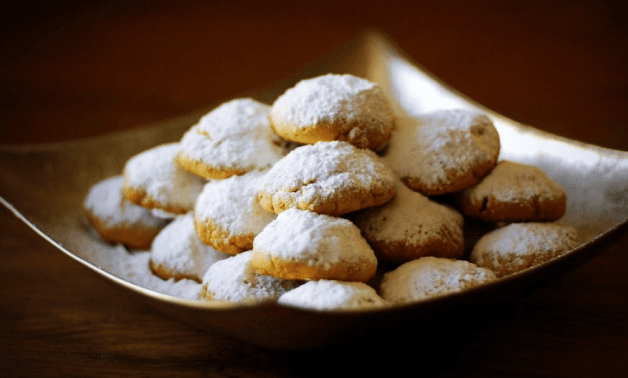
Kahk
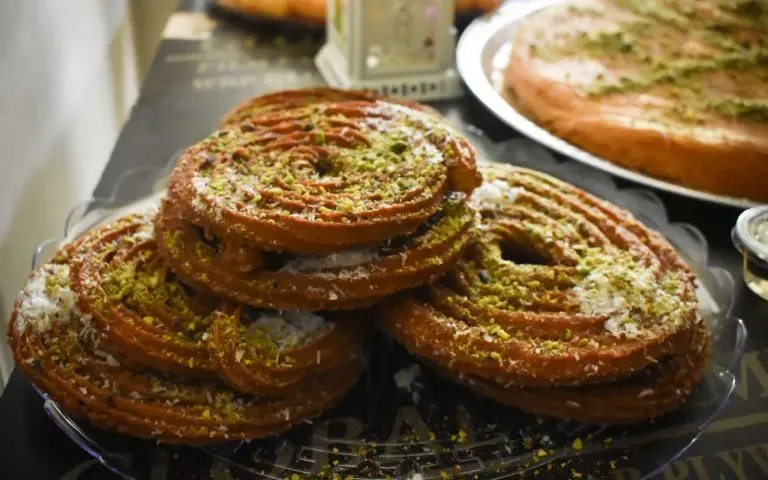
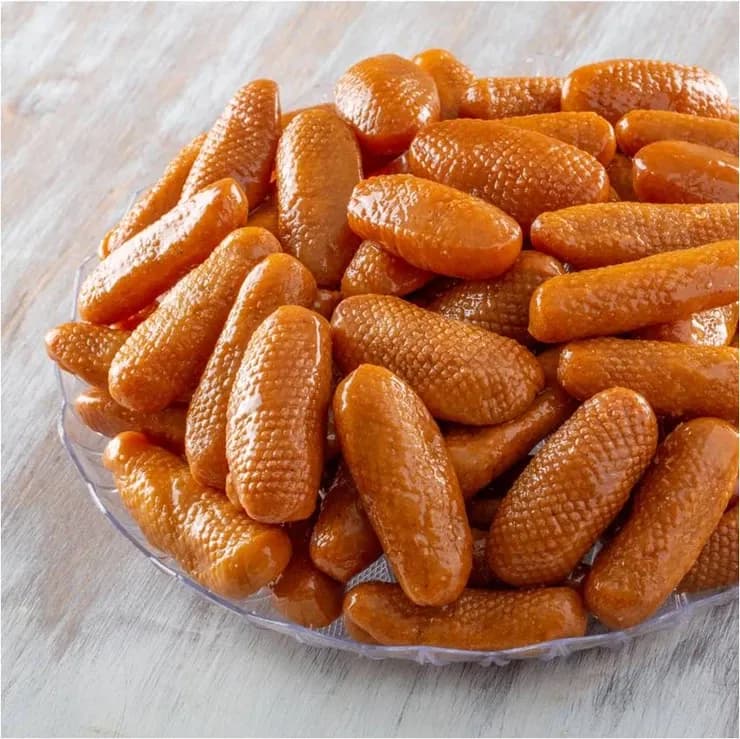
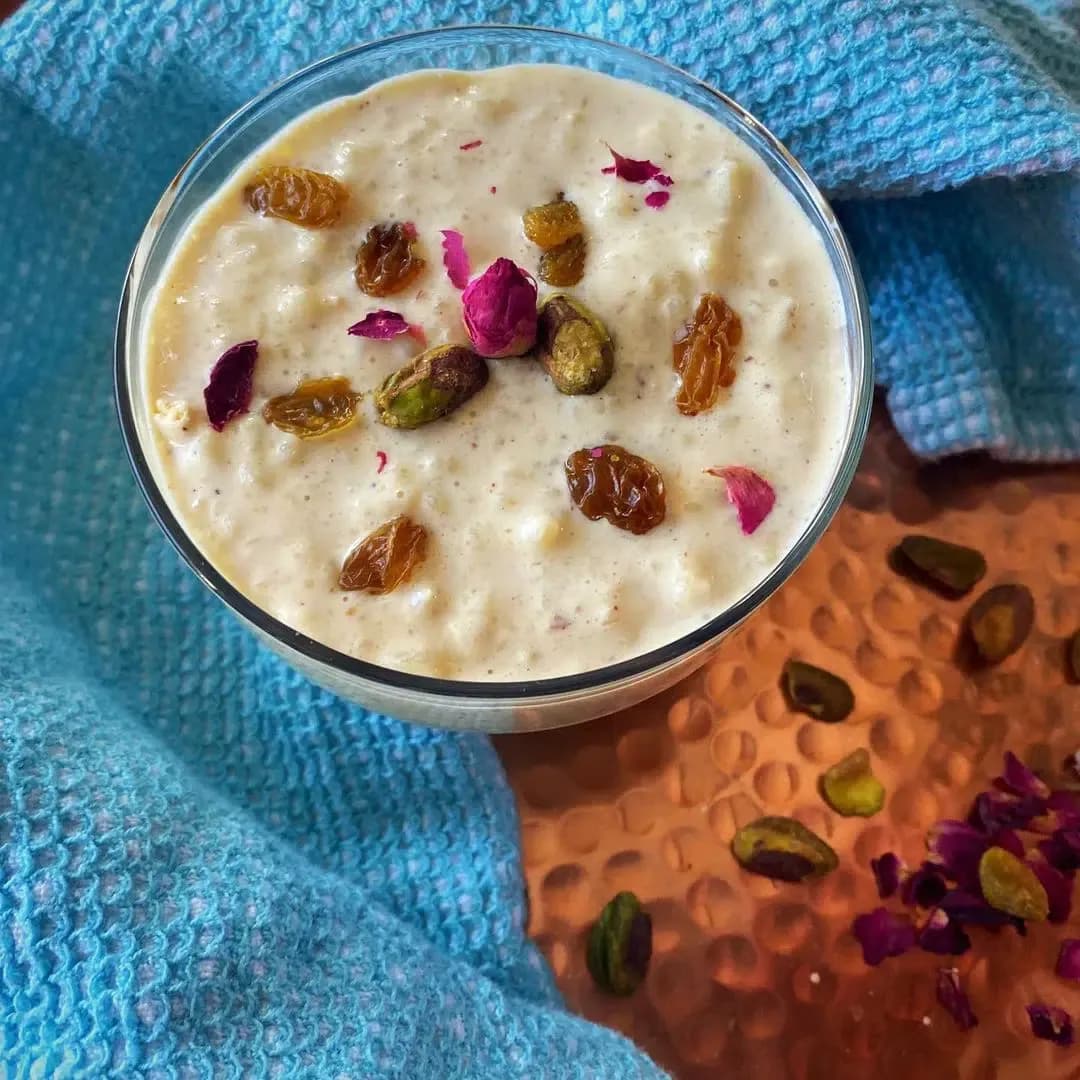
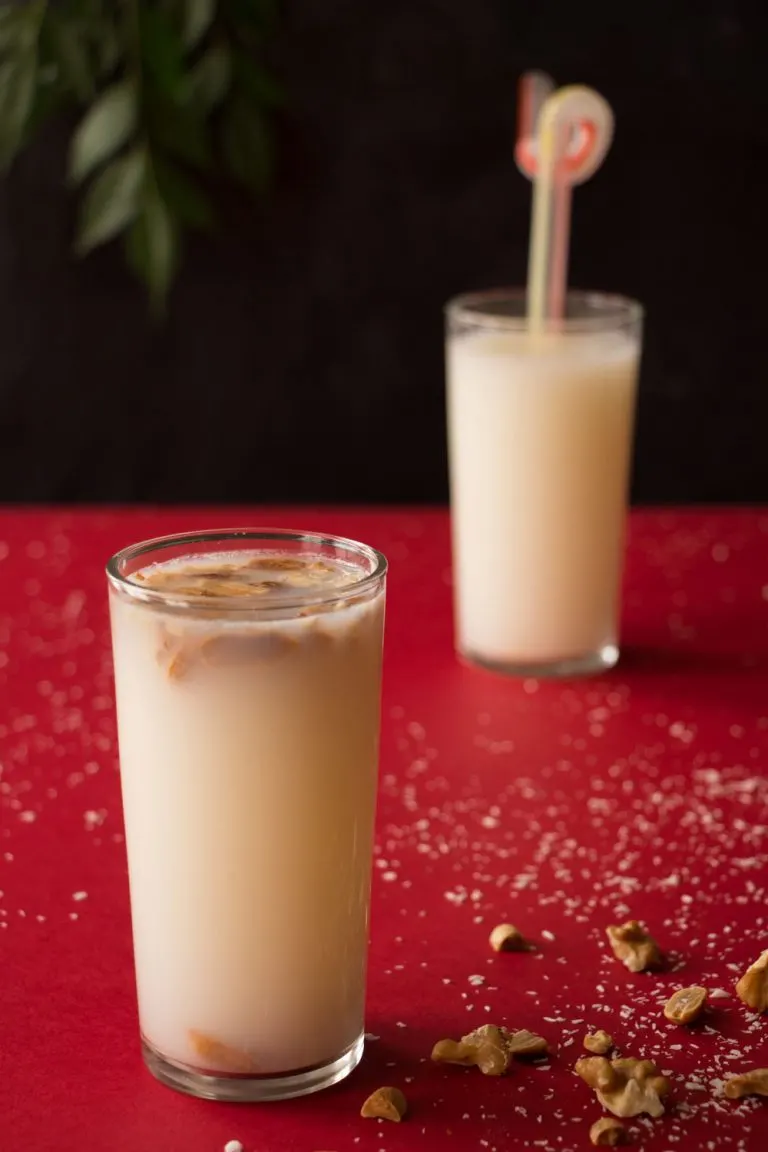
Kahk are round Egyptian shortbread-style cookies, buttery and crumbly, buried under a heavy layer of icing sugar, and made for Eid. Their history is unusually well documented for a biscuit. Kahk is believed to date to Ancient Egypt: carvings showing people making it have been found in temple ruins at Memphis and Thebes, and a recipe was recorded in the Great Pyramid of Khufu at Giza. Few foods anyone still eats have that kind of paper trail. They are made in enormous quantity in the weeks before Eid al-Fitr, and the making is social, families and neighbours gathering to shape trays of them together, which is as much the tradition as the eating. Fillings vary. Plain kahk is common, but so are versions stuffed with agameya, a paste of honey, ghee, flour and nuts; with dates; with pistachio or walnut; or with lokum. The texture is what people judge them on: a proper kahk should collapse in the mouth rather than snap. That comes from ghee and from not overworking the dough. The icing sugar is not a garnish, it is applied generously and is part of the thing.
Egypt22 minBlessing