Nous utilisons des cookies essentiels au fonctionnement du site. Nous aimerions aussi déposer des cookies de mesure d’audience et des cookies publicitaires, uniquement avec votre accord. Vous pouvez choisir séparément pour chacun. Lire notre politique relative aux cookies
Loading
Recettes
Parcourez les archives par pays, par plat et par temps de cuisson.
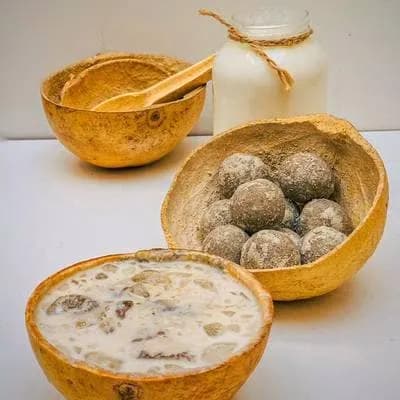
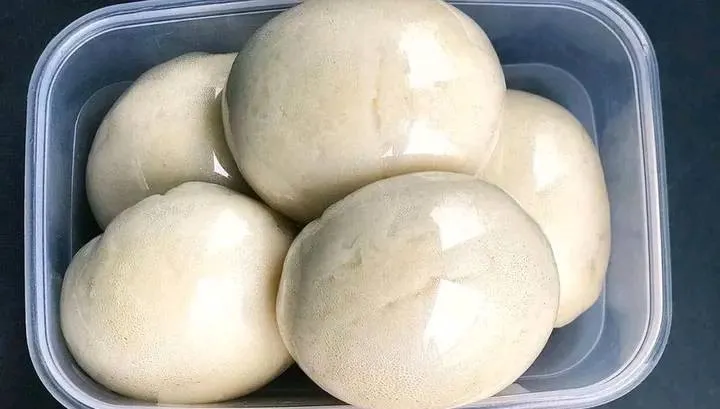
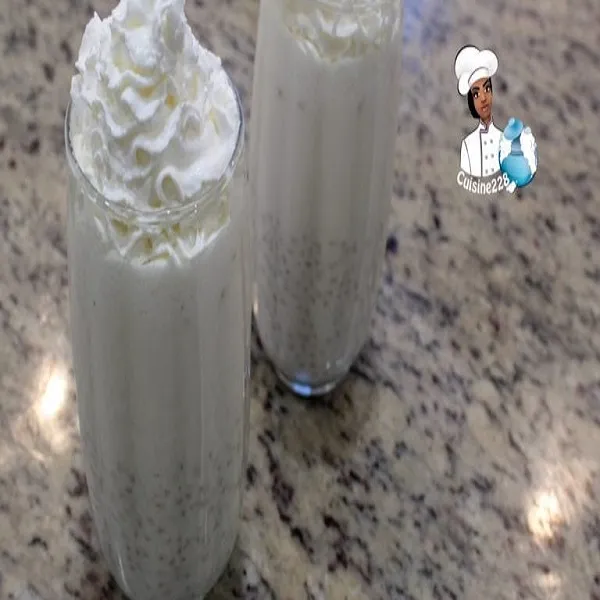
Fura da nono is millet and milk, and the name says exactly that: fura is the millet ball, nono is the fermented milk. Spiced millet dough is rolled into balls, then mashed into soured milk and drunk from a bowl or a calabash. It is both a meal and a drink and Nigerians do not find that ambiguous.
It belongs to the Sahel and to the peoples who move across it. The Fulani, the Hausa and the Zarma-Songhai all make it, and it is eaten across northern Nigeria, Niger and Ghana. Its logic is the logic of cattle keeping: milk that will not keep in the heat is soured deliberately, and millet that grows where little else does is what goes with it.
The way it is sold explains its form. Vendors carry the fura balls and the nono separately and combine them to order, mashing the millet into the milk in front of the customer, which lets them sell two products from one stand and keeps the fura from going soggy before it is bought. In a hot climate, a cold, sour, filling drink that costs very little is a serious thing rather than a refreshment, and fura da nono has held its place in northern Nigerian life without needing to modernise.
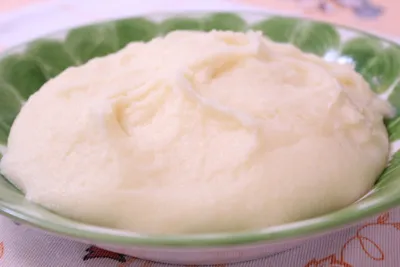
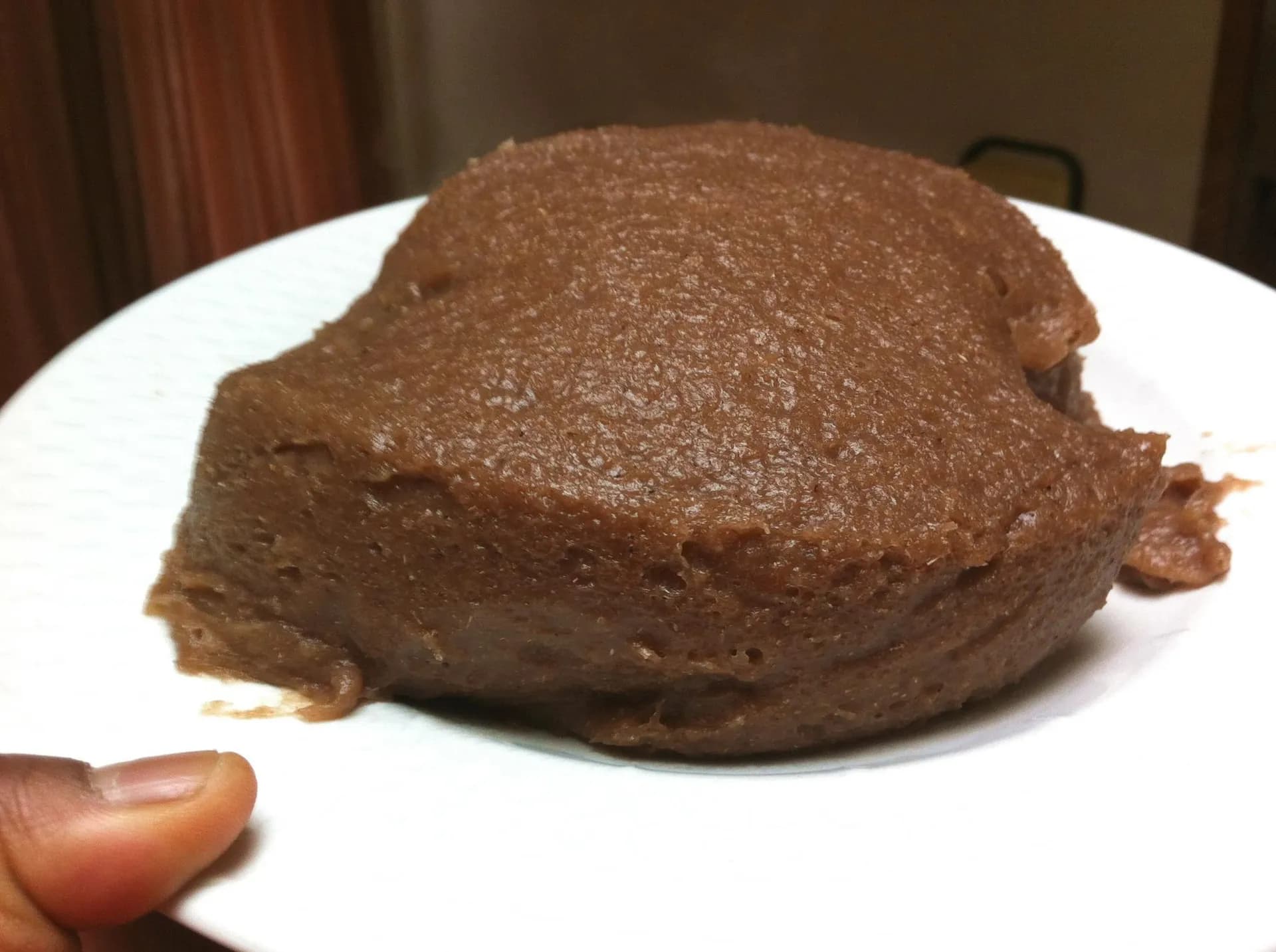
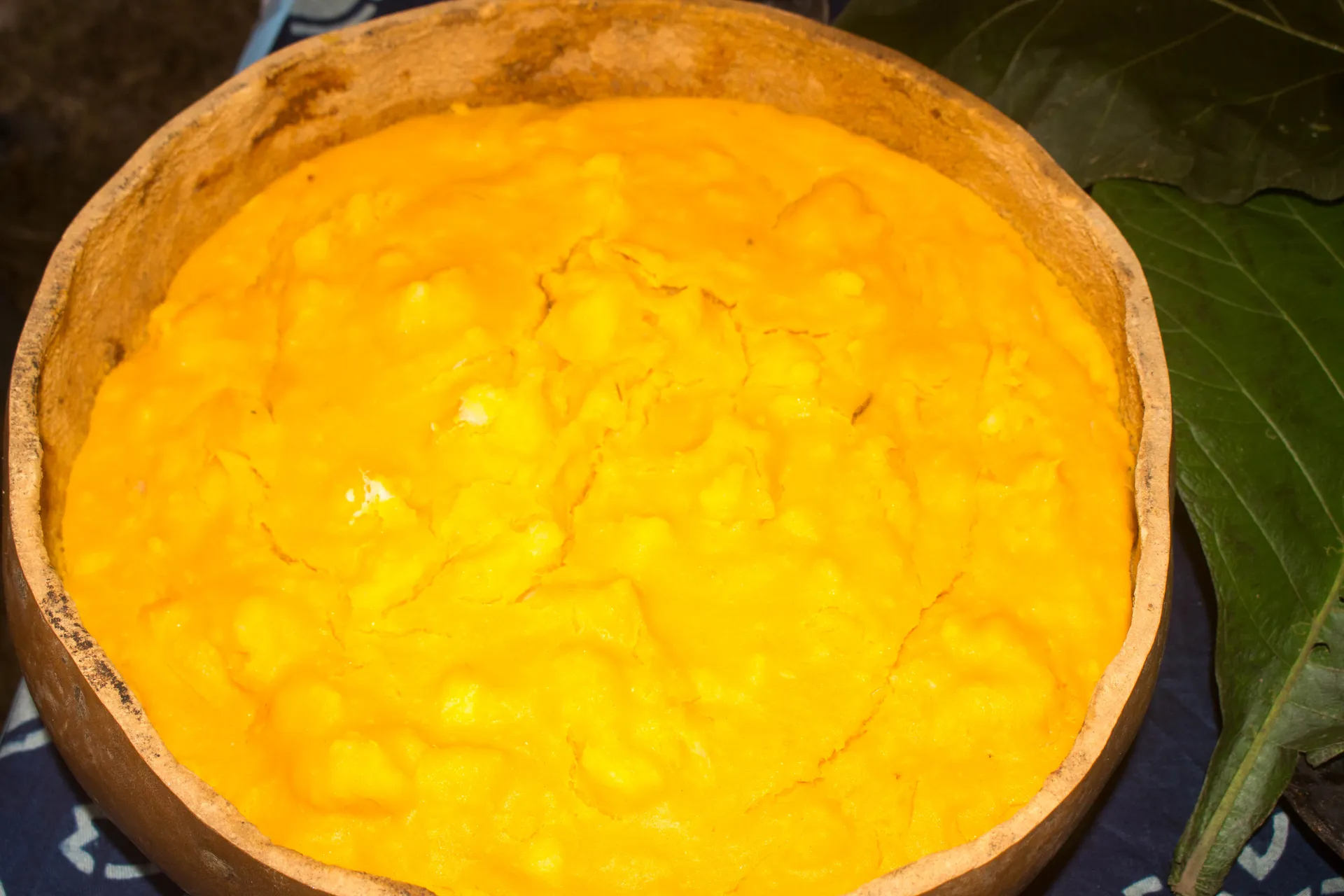
Ogi is fermented cereal porridge, sour, smooth and pale, and it is among the first things most Nigerians ever eat. It is called akamu in Igbo and pap in English, and it is made from maize, sorghum or millet steeped in water for up to three days, wet milled, sieved to remove the husks, and then fermented for several more days until it turns distinctly sour.
That sourness is the point and it is what separates ogi from any other cereal porridge. It also does real work: fermentation makes the grain more digestible and gives ogi a probiotic character, which is a large part of why it has been the standard weaning food for Nigerian infants for generations and why it is given to people who are unwell or recovering.
The same base goes in two directions. Thinned and cooked, it is the porridge eaten at breakfast with akara, moin moin, fried plantain or bread. Cooked much thicker and left to set, it becomes agidi or eko, sliced and eaten with pepper soup or stew. Across the region the names change without the thing changing much: koko in Ghana, uji in Kenya, where it is more often made from millet and sorghum. Three grains are used in Nigeria, and white corn, yellow corn and guinea corn each give a slightly different result.
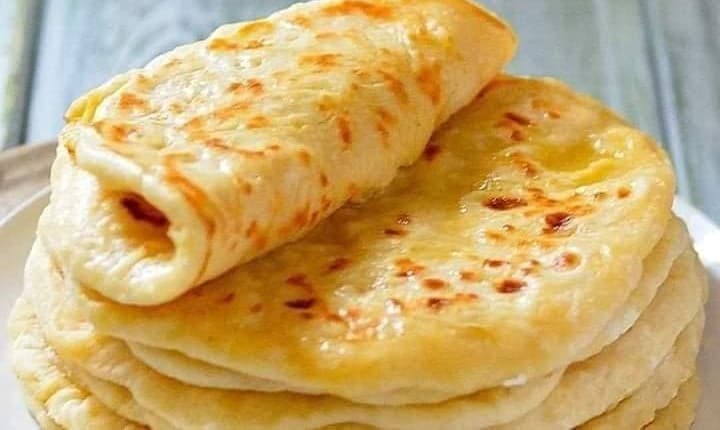
The thick, risen pancake is a North American and British form rather than an African one, and the source for this recipe says so directly: it describes itself as a basic UK recipe. It is included here as a plain reference version, not as a dish with a claim on the continent.
That distinction matters because Africa has its own pancakes and they are not this. The Nigerian pancake, known colloquially as diet, is thin, dense and deliberately savoury, carrying onion and ground pepper in the batter alongside the sugar. Hausa masa is a fermented rice cake, spongy and slightly sour, cooked in a pan of round wells. Ethiopian injera is a fermented teff flatbread that functions as a plate. Each of those is a distinct thing with its own technique and its own place at a table.
What this recipe offers is the baking powder raised, egg and milk enriched, butter cooked pancake that most of the world now recognises from breakfast menus. It is genuinely good and genuinely simple, and there is no reason not to make it. There is also no reason to describe it as African cooking, and the honest position is to present it as what it is.
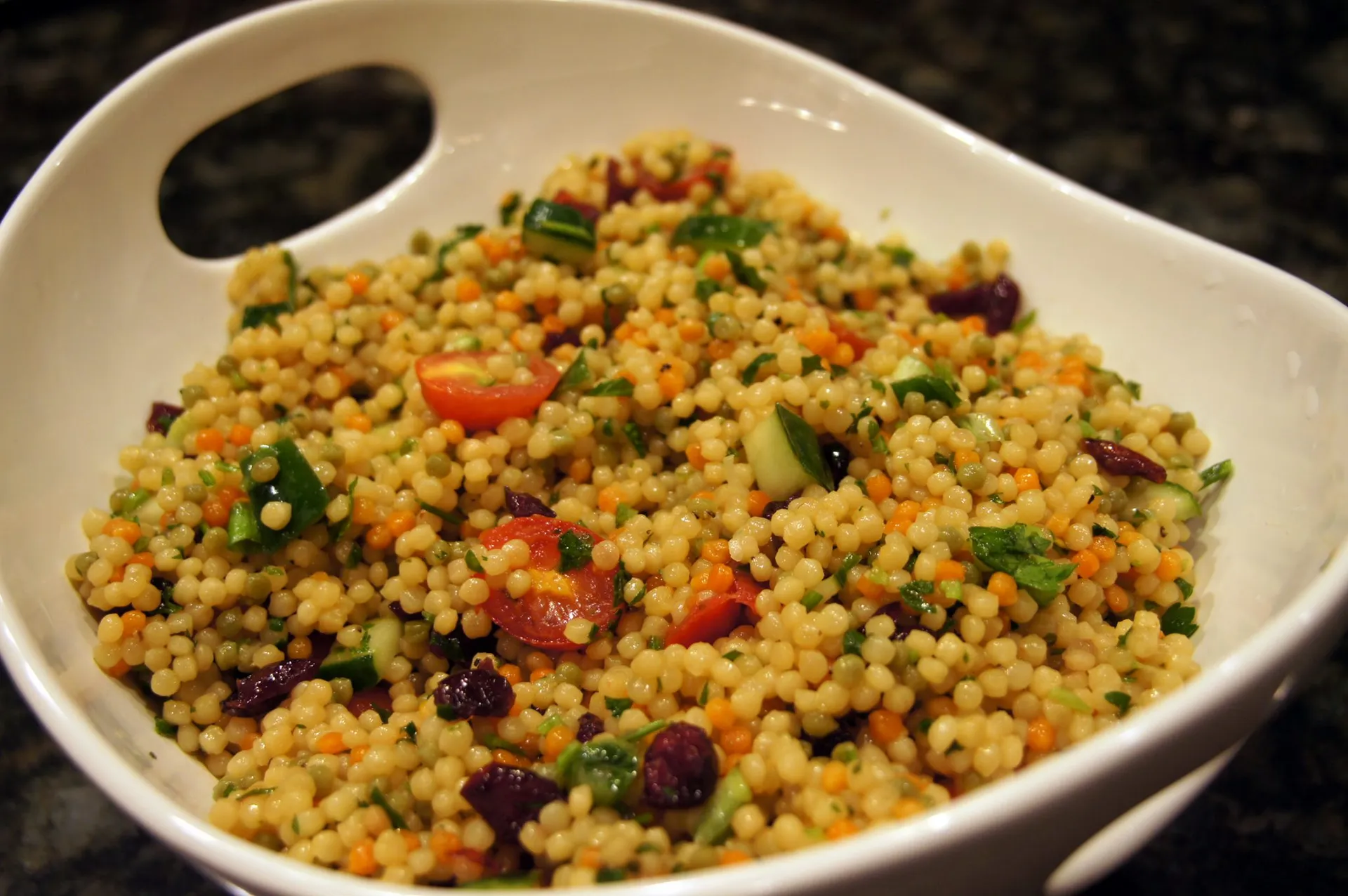
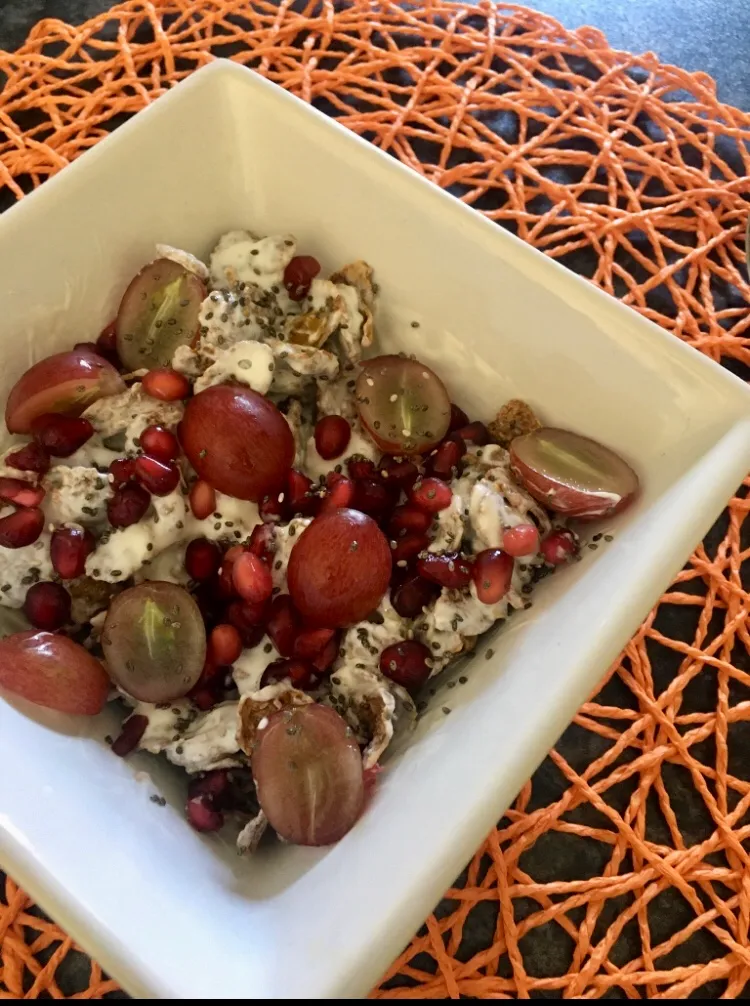
Thiakry is millet couscous stirred into sweetened yogurt and milk, served cold, and it is one of the most widely eaten sweet things in Senegal and the Gambia. It is also written thiakri, chakery, caakiri and degue, and the spelling shifts with the language and the writer while the dish stays the same.
Millet is the reason it exists. It is one of the principal grains of Senegal, grown across the drier interior where rice does not do well, and thiakry is among the most common things made from it. The grain is milled to a couscous and steamed, then cooled and folded into the dairy. In Dakar it is sold in every grocery store, which is a fair measure of how ordinary a food it is.
It is eaten at breakfast as readily as at the end of a meal, which puts it in the same category as yogurt everywhere: sweet, cold, and not confined to dessert. Raisins, mango, grated coconut and chopped almonds are all standard on top, and vanilla and nutmeg are the usual flavourings. Its close relation ngalakh, made with peanut paste and baobab, is the elaborated festival version of the same base. Thiakry is the everyday one.