

Nous utilisons des cookies essentiels au fonctionnement du site. Nous aimerions aussi déposer des cookies de mesure d’audience et des cookies publicitaires, uniquement avec votre accord. Vous pouvez choisir séparément pour chacun. Lire notre politique relative aux cookies

Loading
Recettes Algeria
De Dobara à Zviti, de Mtewem à Chekhchoukha. Toute la cuisine Algeria, telle qu'on la prépare chez soi.
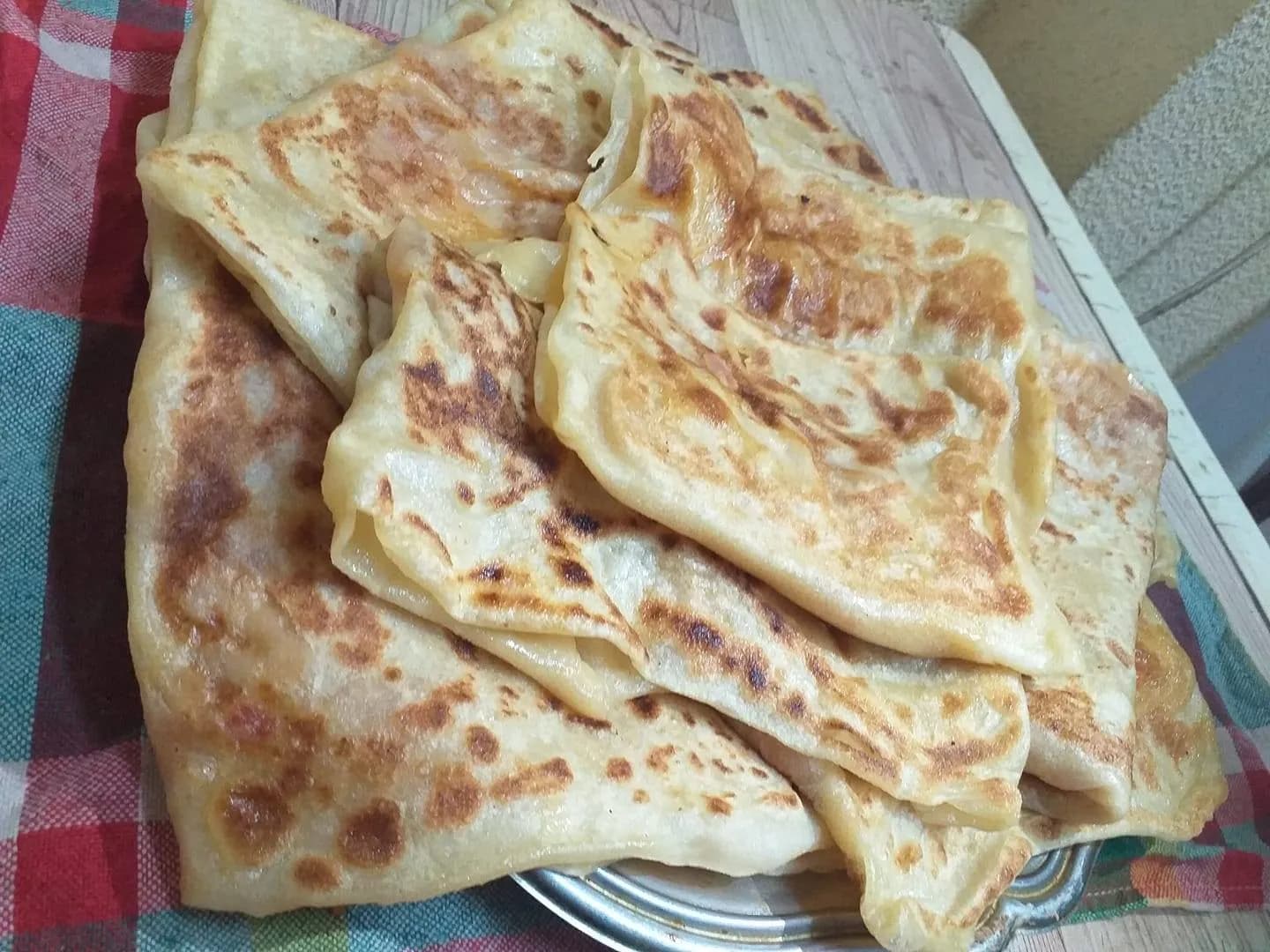
Kesra is the Algerian flatbread: round, soft and chewy, cooked on a flat pan and marked by the rings of the pan it is cooked on. It is eaten with savoury and sweet meals alike, and it is the domestic alternative to the French baguettes that fill Algerian and Tunisian bakeries as a legacy of colonisation.
Its names change across the country. It is khobz ftir in Algiers, kesra in the east, and aghroum n'tajin in Kabylia. It is native to eastern Algeria and is traditionally made with semolina rather than plain flour, along with oil, salt and water and nothing else. This particular recipe uses all purpose flour instead, which is a departure from the traditional semolina base and will give a softer, less characteristically grainy bread.
It is unleavened. There is no yeast, no rising, only a rest of twenty minutes or so to relax the dough so it stops springing back when rolled. A heavy pan works best, and a cast iron one with embossed rings gives the circular pattern kesra is recognised by. Sesame or nigella seeds are a common addition worked into the dough. It is served alongside Algerian soups and stews, and berkoukes in particular is conventionally eaten with it.
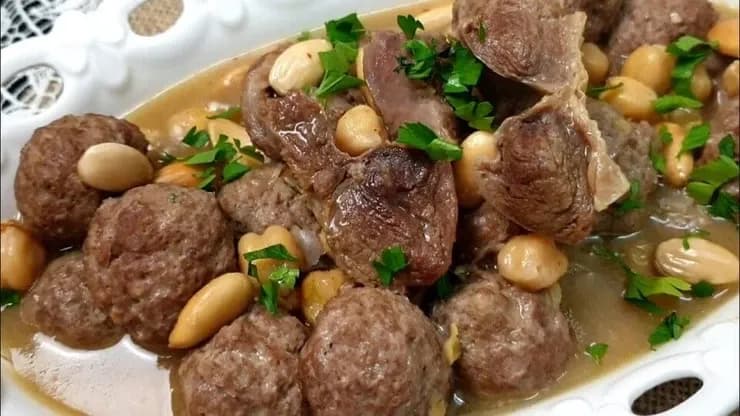
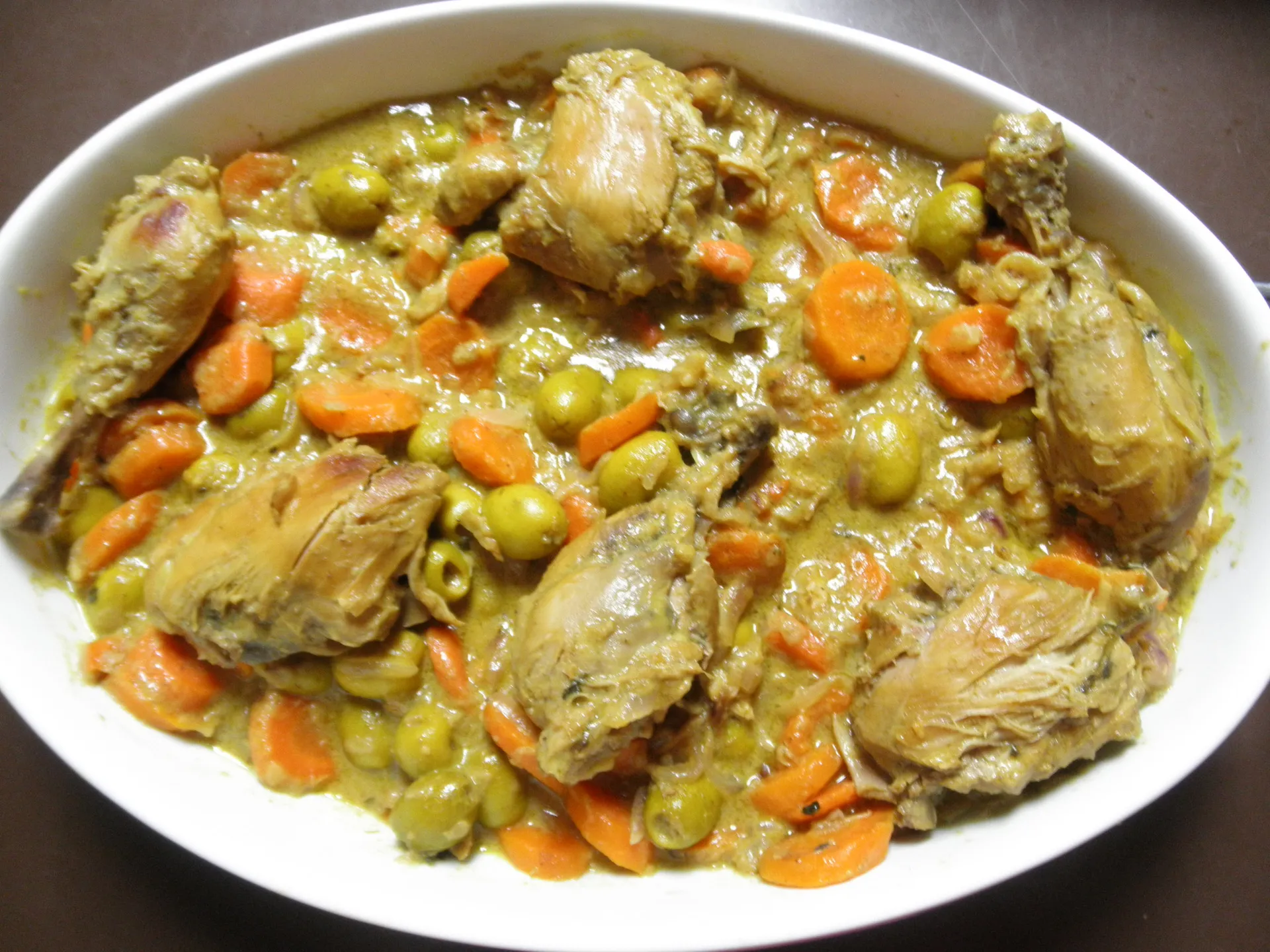
Tajine zitoun is an Algerian chicken and olive dish, zitoun meaning olives in Arabic, and it is a fixture at iftar during Ramadan and at occasions generally. Chicken, green olives, onion and carrot are cooked together and the sauce is finished with lemon juice and, in most versions, a little flour to thicken it.
It looks like a Moroccan tagine and is not one, though both countries cook in earthenware and the resemblance is real. What distinguishes Algerian cooking, and this dish in particular, is the spice handling: restrained rather than layered, letting the olives and lemon carry the flavour instead of burying them under a heavy blend. Saffron or turmeric provides the colour.
The olives need attention. Two cups of green olives brings a lot of salt with it, and the recipe is explicit about washing them well before use. Some cooks blanch them briefly for the same reason. Cooking the chicken bones in the broth and removing them before serving is the other technique worth noting: the source describes deboning the breast first, using the bones to build the sauce, then returning the browned meat at the end, which gives depth without anyone having to negotiate bones at the table.
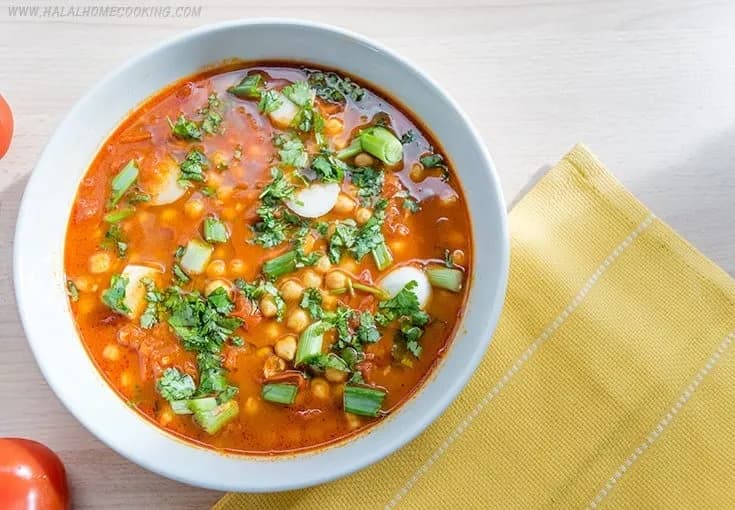
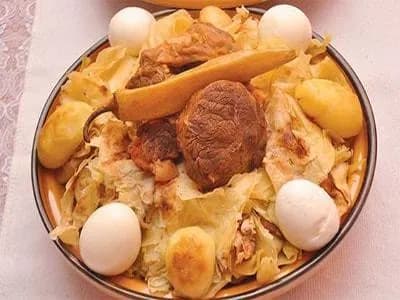
Chekhchoukha, also written chakhchoukha, is torn flatbread under a spiced meat and chickpea sauce, and the name describes the tearing. It comes from tacherchert in the Chaouia language, meaning to crumble or to tear into small pieces, and the bread is broken by hand rather than cut.
It is a Chaoui dish, from the Aurès mountains of eastern Algeria, and it spread from there into Constantine, Biskra and the rest of the country. Its origin is in shepherds' food, the substantial thing eaten on returning home on cold winter nights, and it kept that character even as it became a dish for festive occasions and celebrations rather than everyday eating.
The bread is rougag, also called trid, a very thin round flatbread made from fine semolina. It is torn, steamed briefly to soften, then heaped on a plate and covered with marqa, the sauce of diced lamb, tomato, onion and chickpeas spiced with dried red chilli, caraway, ras el hanout, black pepper and cumin. Two versions are recognised: chakhchoukha of Biskra, which is this one, and chakhchoukha dfar, which uses a different flatbread and differs in taste and thickness. Which pot it is made in also varies, with some cities using clay and others iron.
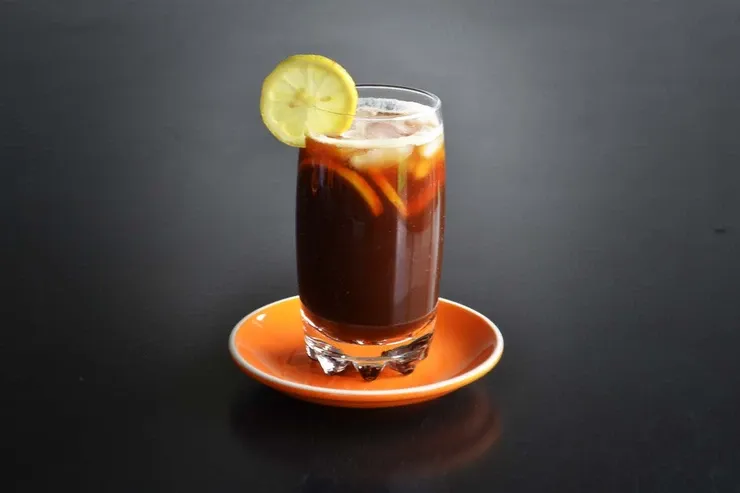
Mazagran is strong coffee poured over ice with lemon and sugar, and it has a fair claim to being the original iced coffee. It takes its name from Mazagran in Algeria, and it is Algerian in origin even though it is now far better known in Portugal.
The lemon has a practical history. It was added to improve the flavour of low quality coffee beans, which is a origin story shared by a good many drinks, and it turned out to make something worth drinking in its own right. The combination of citrus acidity against the bitterness of strong coffee is what the drink is, and good beans are not wasted on it.
It is traditionally served in a tall narrow glass, and there is an eponymous porcelain or clay vessel of the same name. The Portuguese version is the one most people encounter, sometimes made with espresso and lemon, sometimes with rum added. The recipe here is a Nespresso-branded version, which is worth noting: it specifies particular capsules, and any strong espresso or very strong brewed coffee substitutes. What it does not include, oddly, is the lemon that the article itself identifies as the defining ingredient.