Nous utilisons des cookies essentiels au fonctionnement du site. Nous aimerions aussi déposer des cookies de mesure d’audience et des cookies publicitaires, uniquement avec votre accord. Vous pouvez choisir séparément pour chacun. Lire notre politique relative aux cookies
Loading
Recettes
Parcourez les archives par pays, par plat et par temps de cuisson.
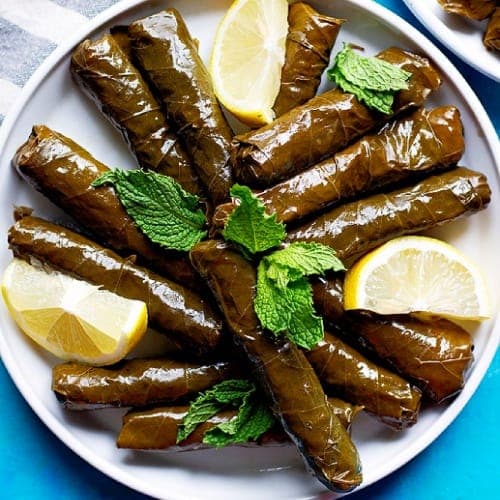
Dolma, known in Egypt as Warak Enab (grape vine paper), are tender grape leaves stuffed with a fragrant mixture of spiced rice, fresh herbs, and sometimes minced meat, then tightly rolled and arranged in a pot to cook slowly in a bright, lemony broth until the filling is perfectly cooked and the leaves are silky and tender. The preparation of Dolma is a communal activity in Egyptian and Levantine households, with family members gathering around a table to roll hundreds of leaves for celebrations. The tightly rolled parcels, no larger than a finger, are arranged in concentric circles in the pot and weight down with a plate to prevent them unravelling during cooking. The result is a dish of impressive elegance built from simple ingredients.
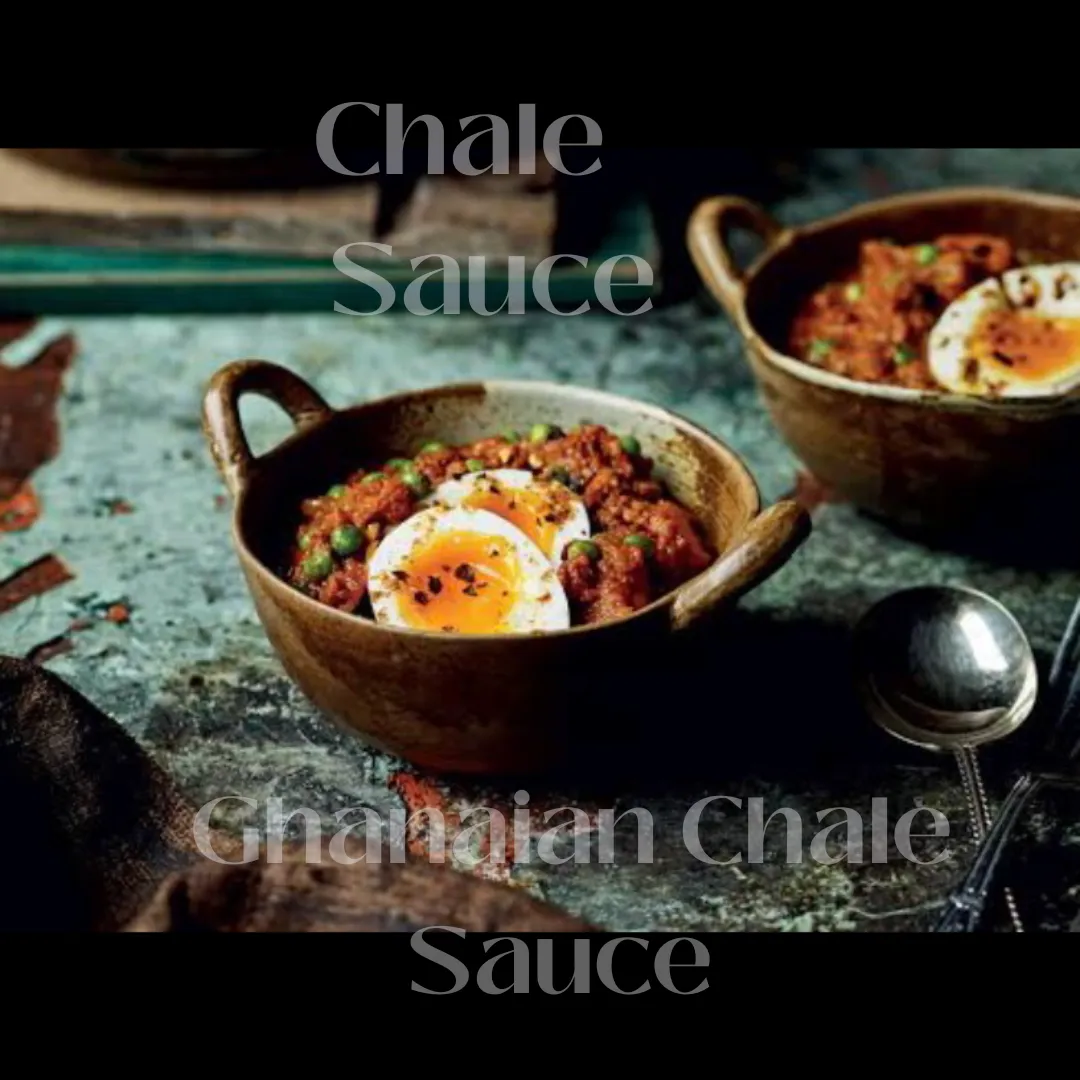
Doro Wat is Ethiopia's most celebrated dish, a deeply spiced, slow-cooked chicken stew made with the country's signature berbere spice blend and niter kibbeh (Ethiopian spiced clarified butter), enriched with whole boiled eggs that absorb the complex, fiery sauce as they cook. It is the dish that defines Ethiopian cuisine for the world. Preparing Doro Wat properly requires patience. Caramelising a large quantity of onions for up to an hour in niter kibbeh forms the foundation, this long-cooked onion base is what gives the stew its extraordinary depth and the sauce its thick, velvet-like body. The berbere adds heat, complexity, and colour. The result is one of the most flavourful chicken dishes in the world.
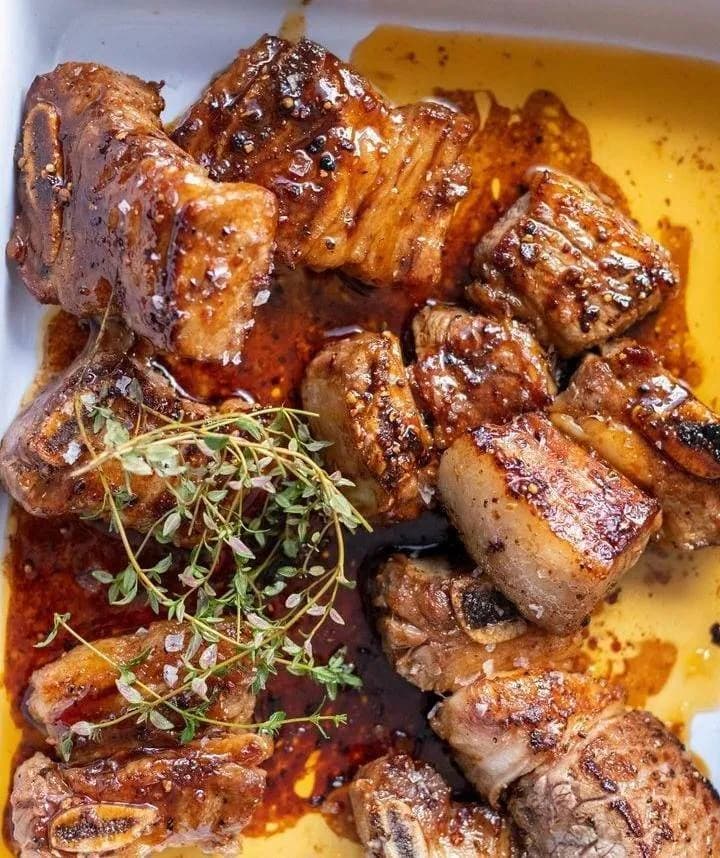
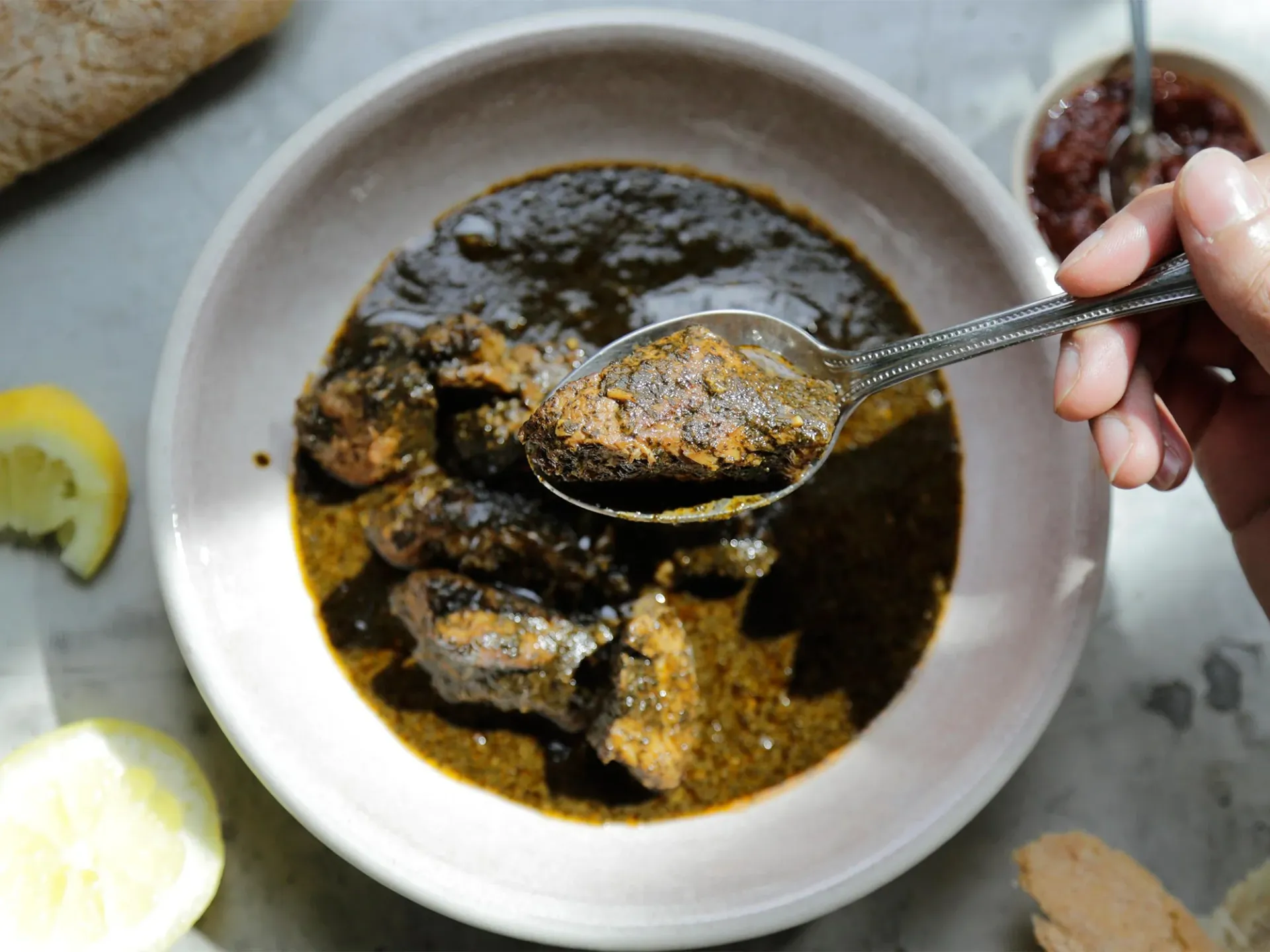
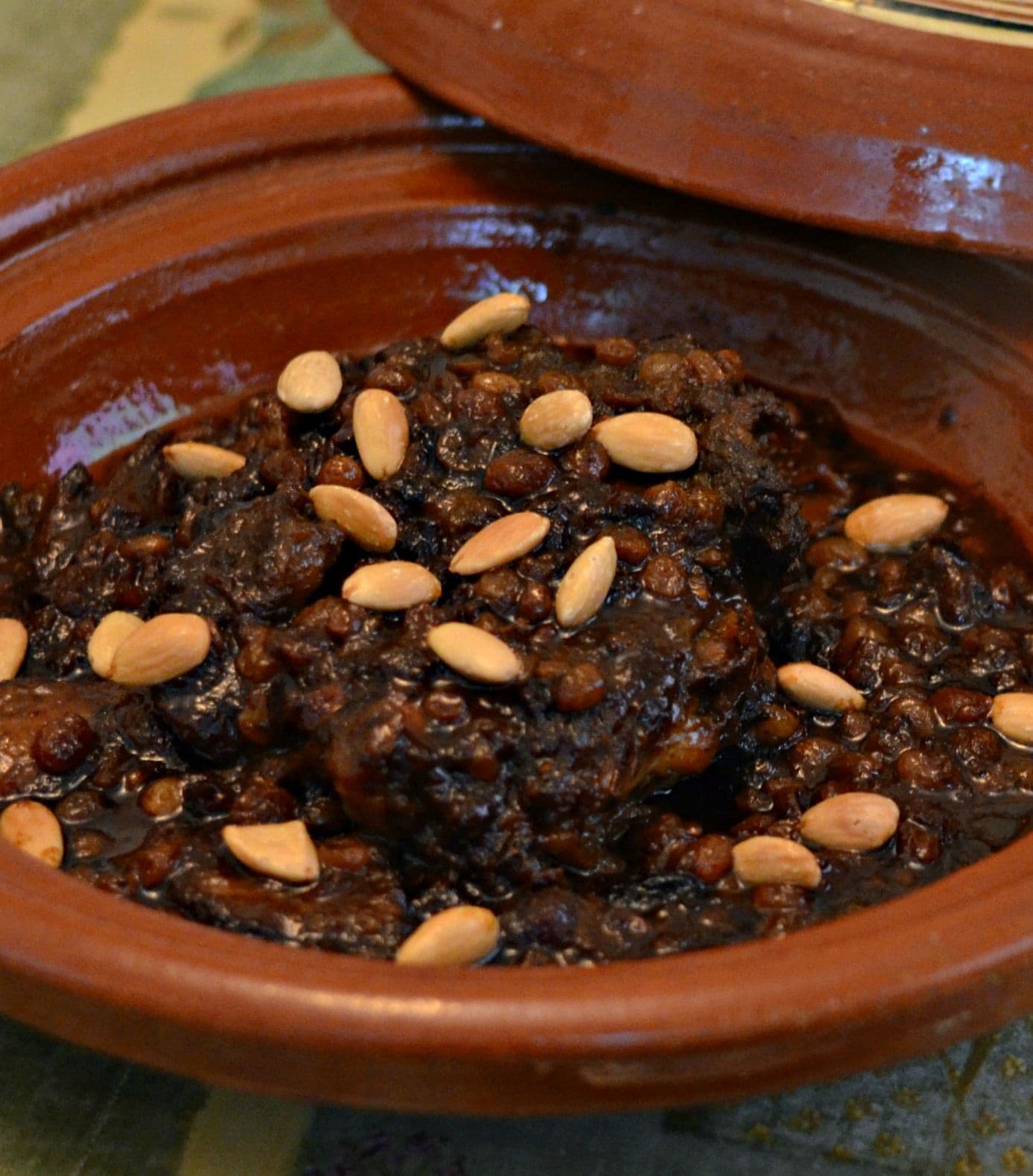
Cabrito is Angolan goat stew, cooked slowly and built on wine and fortified wine rather than the palm oil or tomato base most West African stews use.
Goat is central to Angolan eating, and the eastern region is where it is raised, enough to supply the country and to sell across the borders. It carries an occasion weight that other meats do not: at celebrations, graduation parties and holidays, a goat dish on the table is what people go for first.
The Portuguese influence is what makes the stew unusual on this continent. Red wine, brandy and sherry all go into it, and the long slow cooking that follows breaks down a cut that would otherwise be tough while the alcohol reduces to something concentrated and savoury. Four centuries of Portuguese colonial presence left this kind of cooking embedded in Angolan food, alongside the indigenous techniques.
The word cabrito means kid goat in Portuguese, and younger animals are the preference, more tender, less strongly flavoured.
**Contains alcohol.** Most cooks off during the long simmer, but not all of it.
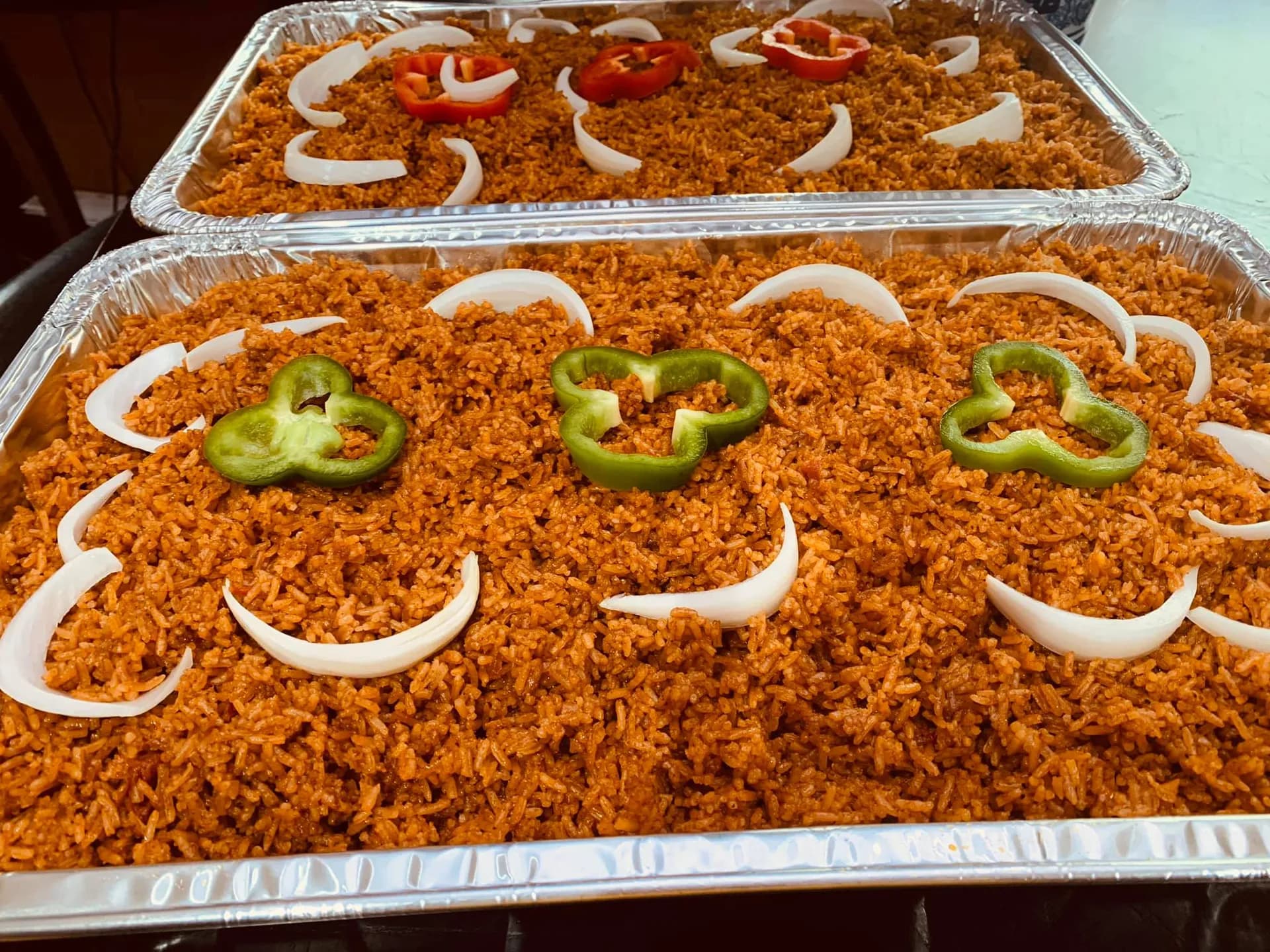
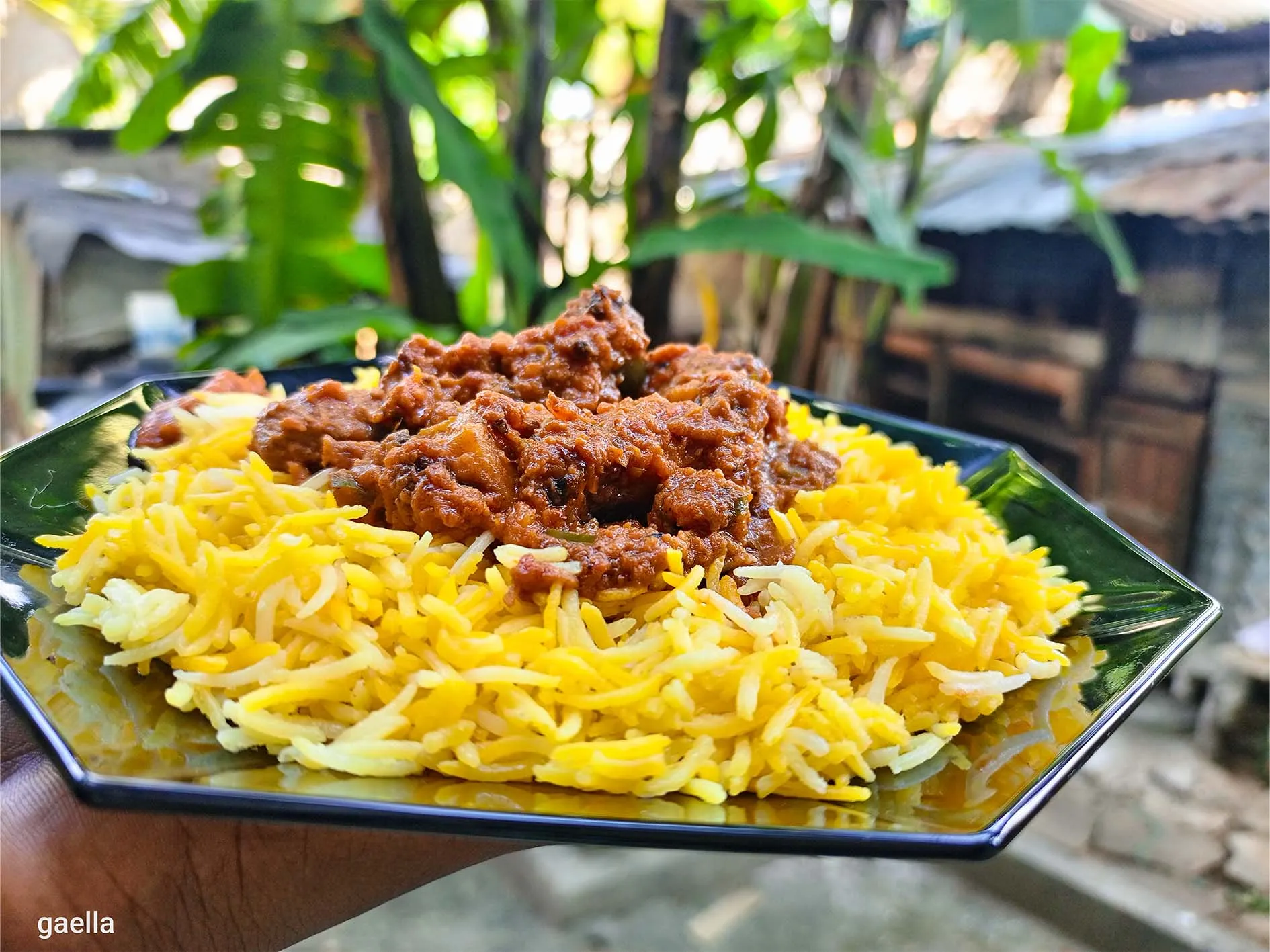
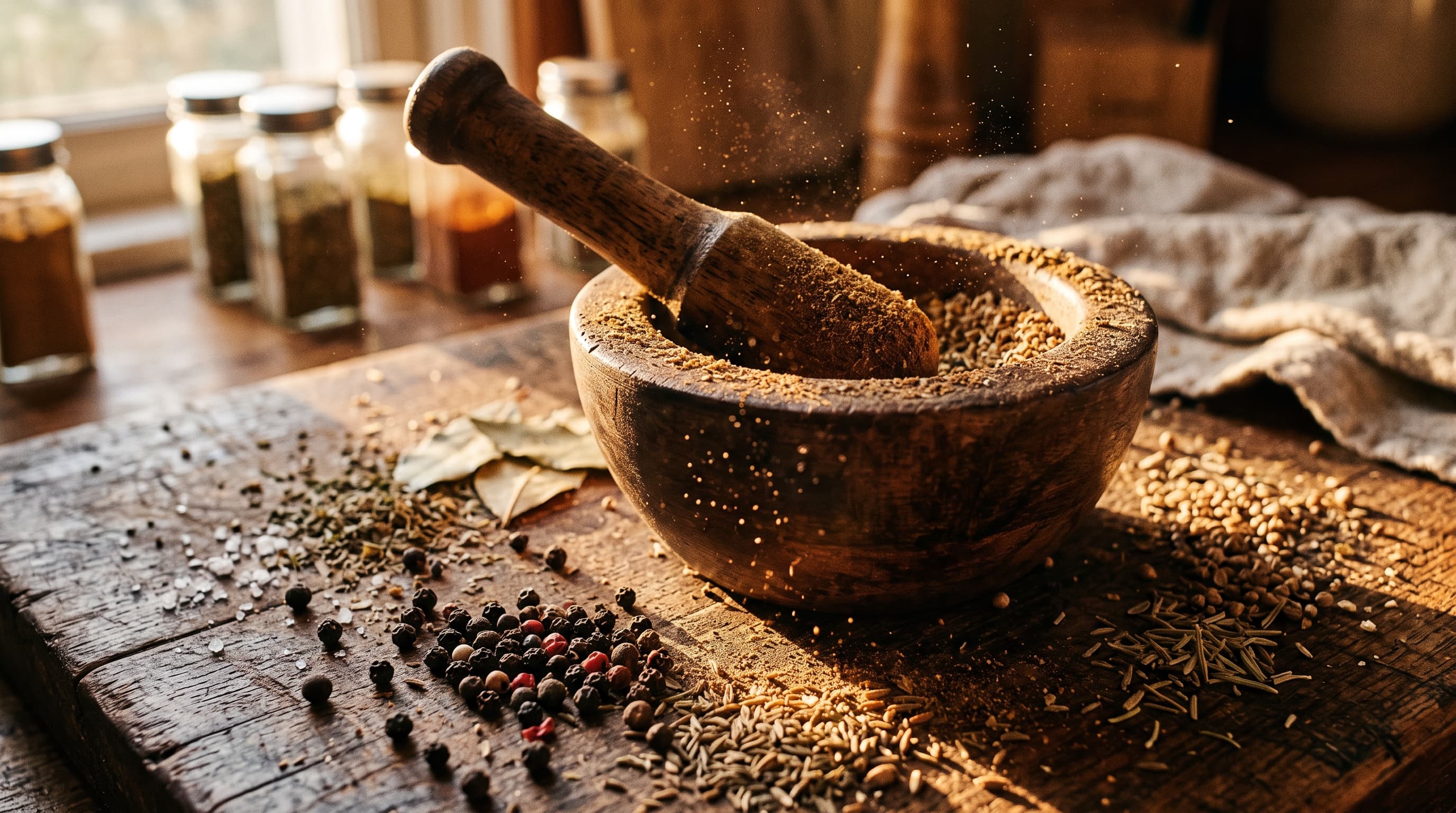
Pilau is the spiced rice of the East African coast: rice cooked with cumin, cardamom, cloves, cinnamon and turmeric until every grain carries the spice. It is celebration food across Kenya, Tanzania, Uganda and Zanzibar, made for weddings, for Eid, and whenever a guest of consequence arrives.
It reached the Swahili coast through centuries of Indian Ocean trade, and the family it belongs to runs from Persian polow through Central Asian plov to South Asian pulao. The East African version is milder than the Indian one and does not use curry, which is the distinction the source draws and it is a fair one. The defining spice mix has its own name, pilau masala, and there is a recipe for it on this site.
An important note about this page. Its written description is of a full pilau: caramelised beef, potatoes, tomatoes and pilau masala simmered in meat stock. The recipe card attached to it is something else entirely, a plain spiced rice with no meat, no potatoes and no stock. The recipe below follows the card, since that is the actual recipe on the page, and the result is a good vegetarian side dish. It is not, however, the celebratory beef pilau the description promises.
Browning the onions properly is the step that matters most in either version.