Nous utilisons des cookies essentiels au fonctionnement du site. Nous aimerions aussi déposer des cookies de mesure d’audience et des cookies publicitaires, uniquement avec votre accord. Vous pouvez choisir séparément pour chacun. Lire notre politique relative aux cookies
Loading
Recettes
Parcourez les archives par pays, par plat et par temps de cuisson.
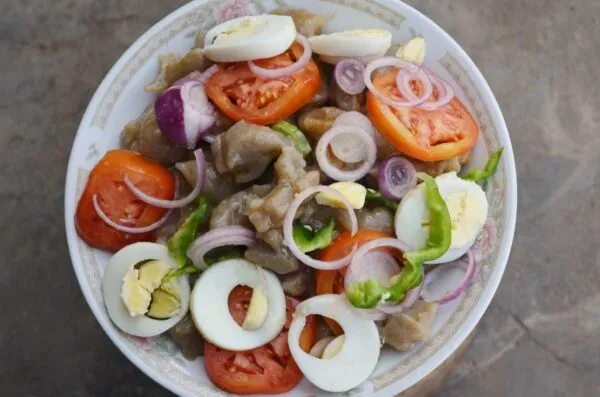
Dan wake is a northern Nigerian dish of dumplings made from bean flour and kuka, the powdered leaf of the baobab tree. The name translates from Hausa as son of beans, and the dumplings cook in water until they float, then are drained and dressed with oil and spice, and eaten with a salad of raw vegetables and hard egg.
Kuka is what colours it and what makes it northern. Baobab leaf powder is used across the Sahel as a thickener and a green vegetable, and its slightly mucilaginous quality helps bind the bean flour dough. Potash, kanwa, is the third component, a traditional alkaline salt used across West African cooking to soften and to alter texture, and it is what gives dan wake its particular chew.
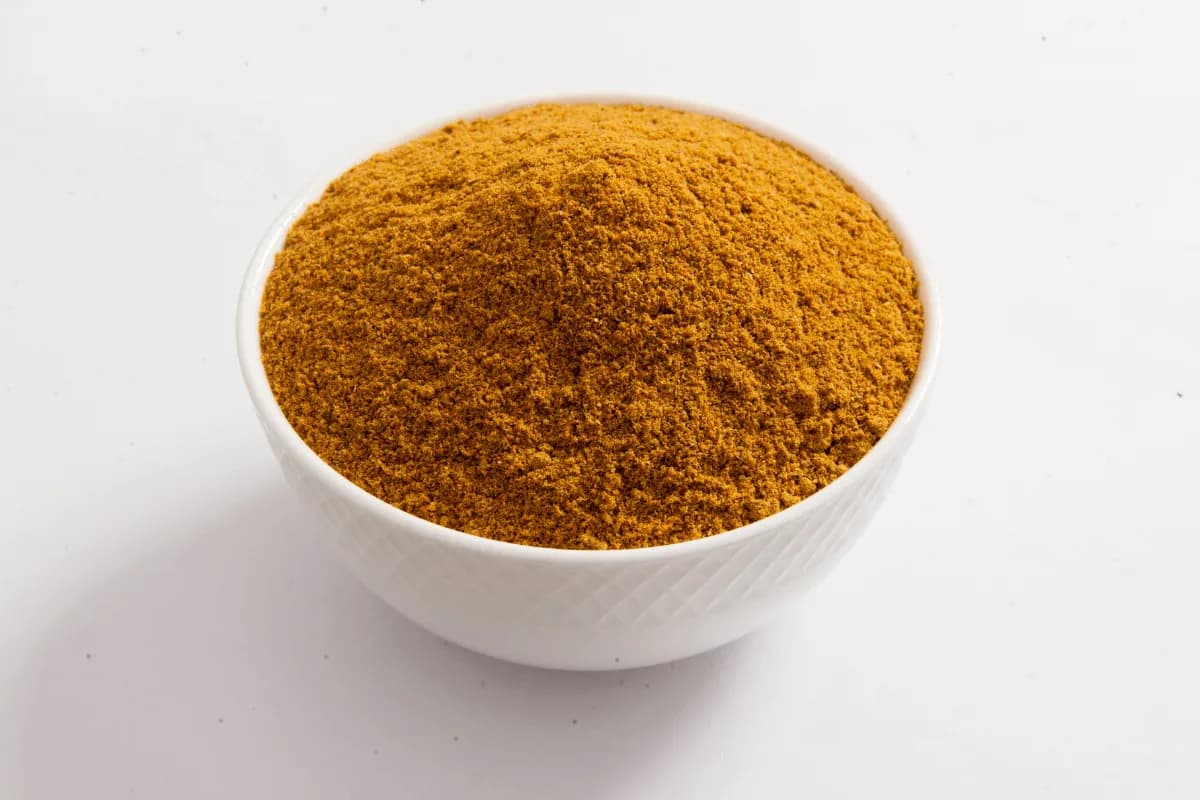
It is deliberately plain on its own. The dumplings carry almost no seasoning and rely entirely on what is put on them: yaji, the peanut based suya spice, fried oil, sliced onion, cabbage, tomato and cucumber, and often a sauce alongside. That construction, a neutral base plus an assertive dressing, is common across northern Nigerian street food and it is why dan wake is sold from stalls rather than mainly cooked at home.
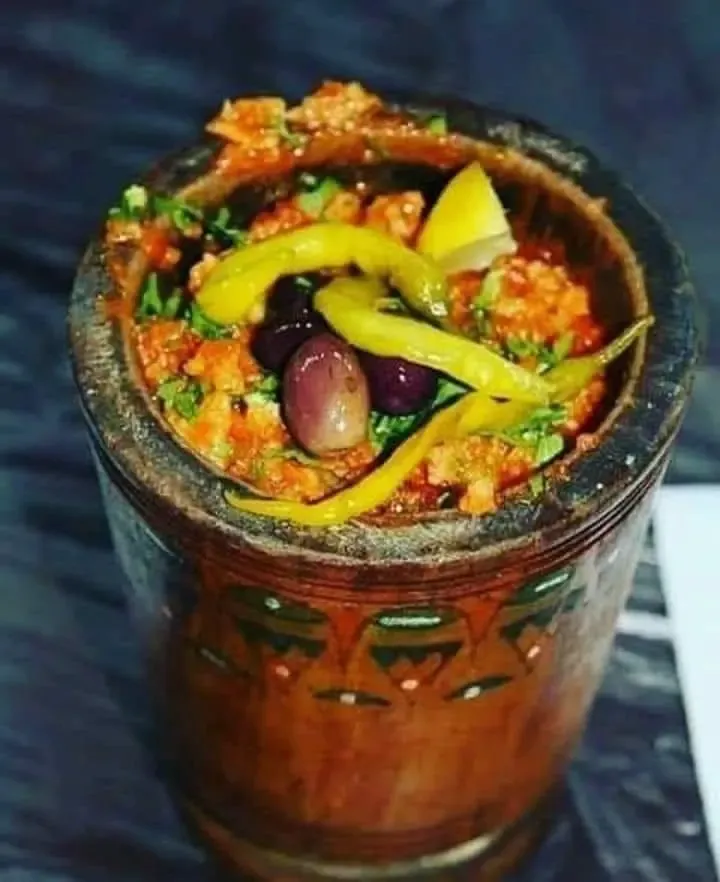
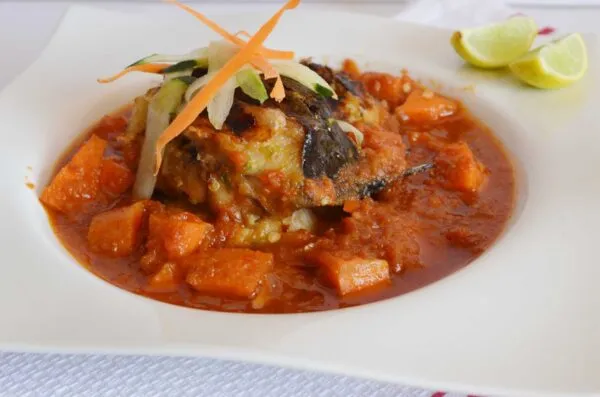
Akotonshi is stuffed crab, and in Ghana it is feast food. Large fresh blue or red crabs are cooked whole, the meat picked out and mixed with a heavily spiced tomato and pepper base, then packed back into the cleaned shells, topped with breadcrumbs and browned under heat.
The spicing is what marks it as Ghanaian rather than a generic stuffed crab. Nutmeg, cumin, cloves and thyme go in alongside dried shrimp and African bird peppers, and grains of paradise appear in some versions. Grains of paradise, Aframomum melegueta, is a West African spice related to cardamom that gave the Guinea coast its old European name, the Grain Coast, and its presence here is a marker of the region rather than a flourish.
It is a dish for occasions. Ghanaians associate it with public celebrations and family gatherings rather than with everyday cooking, partly because fresh crab bought from local fishermen is not an everyday purchase. The crab shells serve as the serving vessel, which is much of its appeal at a table, and ramekins do the job when whole crabs are not available.
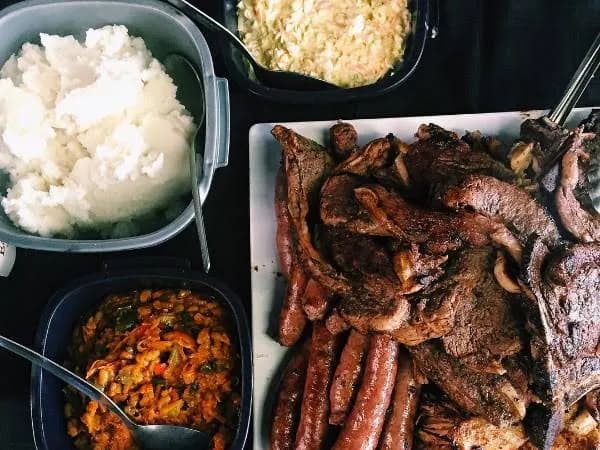
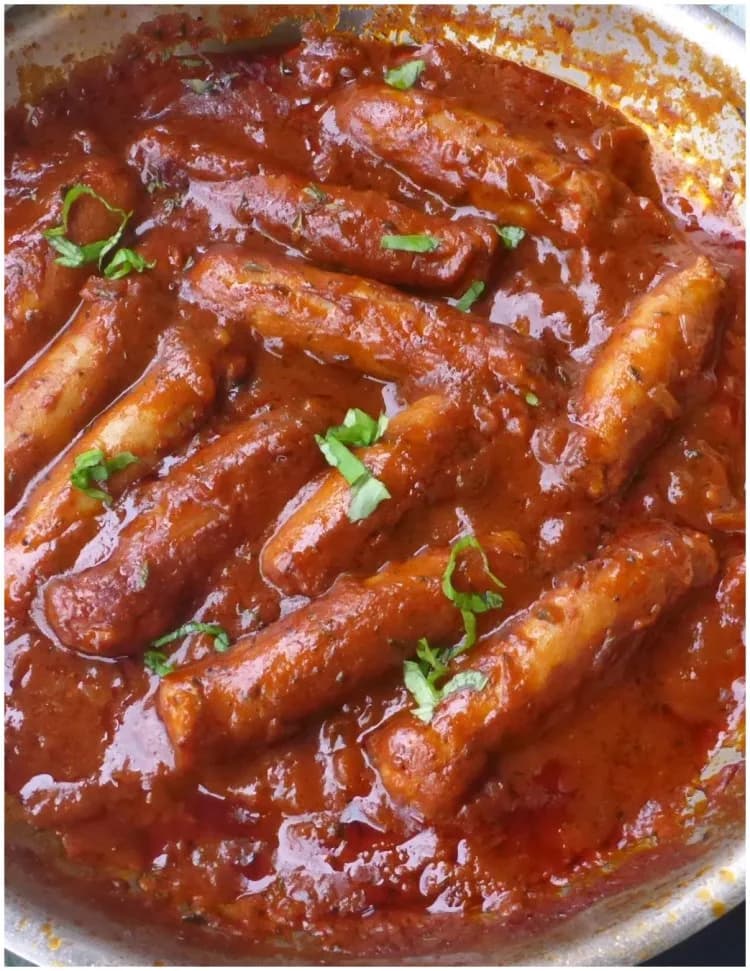
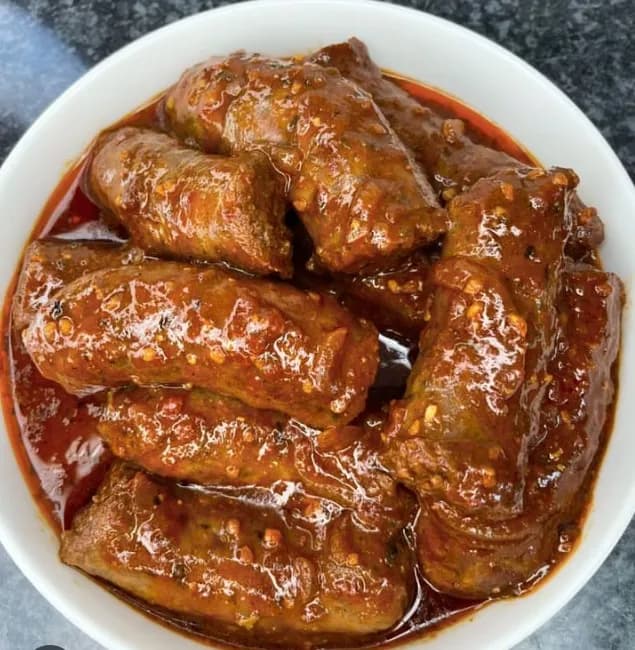
Chakalaka boerewors puts two South African staples together: boerewors, the coiled farmer's sausage of beef and spice that is the centre of any braai, and chakalaka, the spiced vegetable relish of onion, pepper, carrot, chilli and beans that goes alongside almost everything.
Boerewors is protected by law in South Africa. Regulations set a minimum meat content and cap the amount of cereal and fat, and coriander is the defining spice, with nutmeg, cloves and allspice alongside it. It is always sold and cooked as a continuous coil rather than in links, and cutting it into pieces before cooking, as this recipe does, is a departure from how it is usually treated.
Chakalaka's origins are generally placed in the townships of Johannesburg, where it is said to have been made by mineworkers from what was available, and it has since become a national side dish served hot or cold. The two together, cooked in one pan over a fire, is home cooking rather than a documented traditional dish, and the source describes it in the first person as something the contributor made. It is included as given.
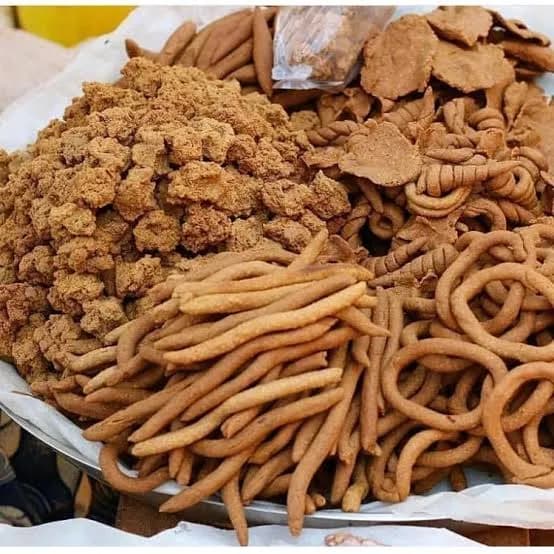
Kuli kuli is a peanut snack eaten across Nigeria, Benin, northern Cameroon and Ghana, and it is one of the most widely recognised street foods in West Africa. It is made from peanuts alone, and the technique is what makes it: the oil is deliberately pressed out of the ground paste before the remaining solids are shaped and fried.
That extraction is the point. Removing the oil leaves a dense, dry paste that fries into something genuinely crunchy rather than soft, and it also produces the frying oil as a by-product, so nothing is wasted. It is a piece of processing knowledge that predates industrial oil pressing and is still done by hand in Hausa communities in northern Nigeria, where the snack has its strongest association.
It takes different shapes in different places: small sticks, rings, flat discs and irregular pieces are all standard, and the form varies by region and by seller. English names for it, groundnut cake and peanut snack among them, are approximations rather than translations. Kuli kuli is eaten on its own, mixed into garri with sugar and water, crumbled over salad, or served alongside fura and koko. Crushed to a powder it becomes the peanut component of suya spice, which is where most people outside the region encounter it without knowing.