Nous utilisons des cookies essentiels au fonctionnement du site. Nous aimerions aussi déposer des cookies de mesure d’audience et des cookies publicitaires, uniquement avec votre accord. Vous pouvez choisir séparément pour chacun. Lire notre politique relative aux cookies
Loading
Recettes
Parcourez les archives par pays, par plat et par temps de cuisson.
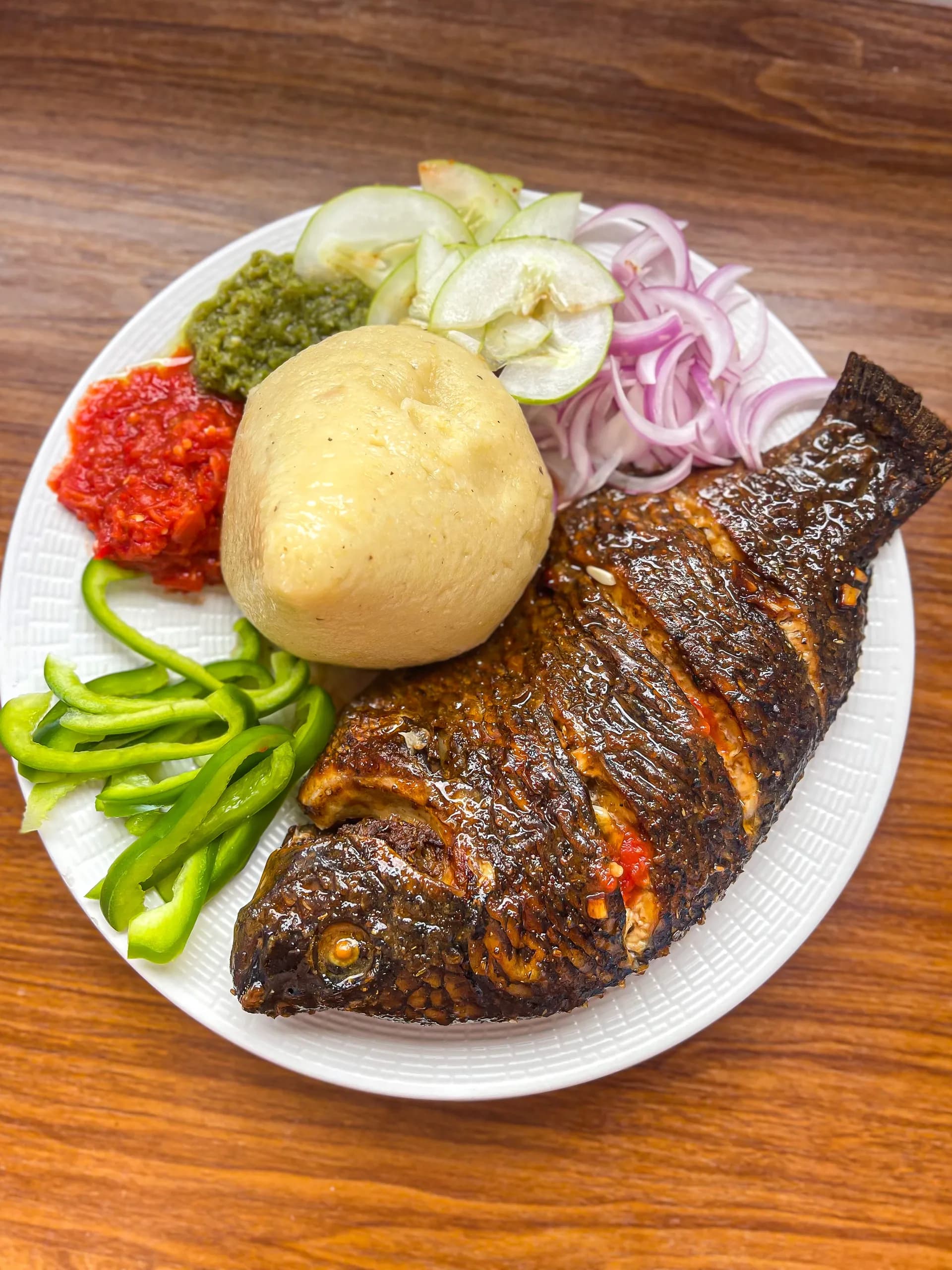
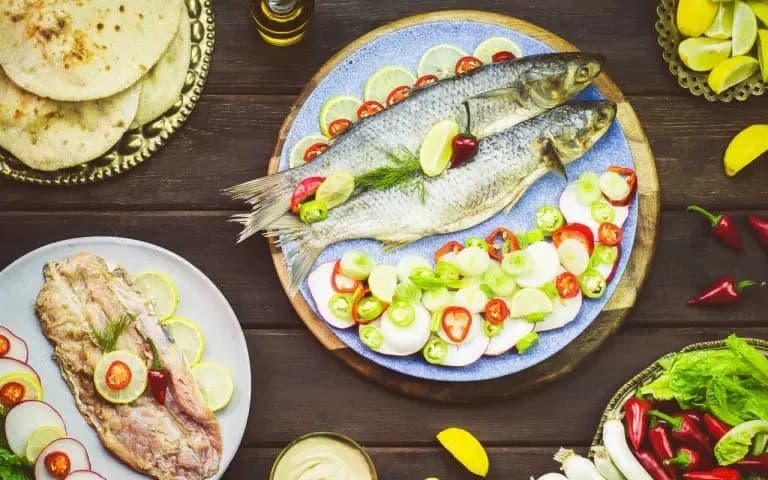
Tilapia is native to Africa, including Ghana, and it is one of the fish Ghanaians eat most. It belongs to the Cichlidae family, grows fast, and has a mild flavour and tender flaky flesh that takes on whatever seasoning it is given, which is why it appears in so many different preparations.
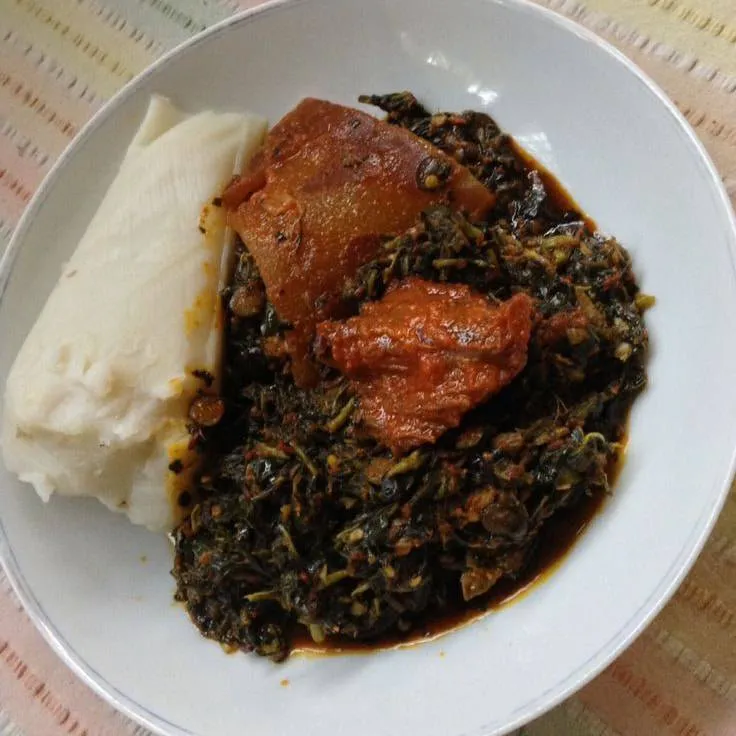
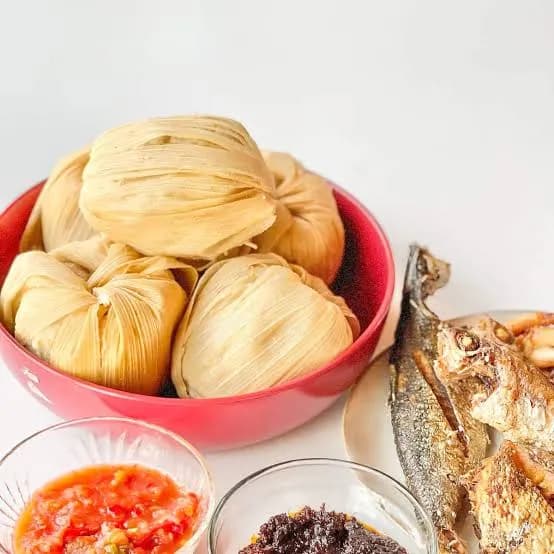
In Ghana it is most closely associated with banku, the fermented corn and cassava dough. Grilled tilapia with banku and a fierce pepper sauce is one of the country's defining meals, sold from roadside grills and chop bars and eaten with the fingers. The tang of the fermented banku against the mild fish is the whole reason the pairing works.
This version bakes rather than grills, which is the practical domestic method and gives a cleaner result without a charcoal grill. The seasoning is a marinade rather than a rub, built on oil, garlic, ginger, chilli and soy sauce, and the source names two commercial Ghanaian spice blends among the ingredients. Any all purpose seasoning stands in. Banku and tilapia is generally eaten as lunch or dinner rather than breakfast, though the source is relaxed about that, noting there are no strict rules.
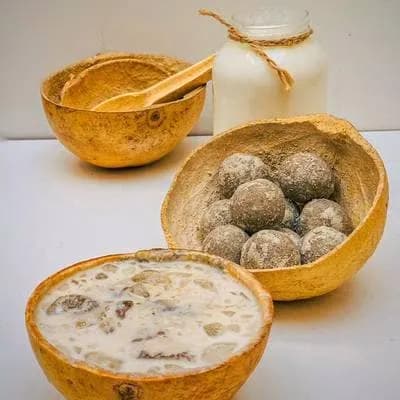
Millet porridge is one of the oldest breakfasts on the continent. Millet is an ancient cereal grain eaten across Africa and Asia for thousands of years, and pearl millet in particular is a staple across the Sahel, where it grows in conditions that defeat most other grains.
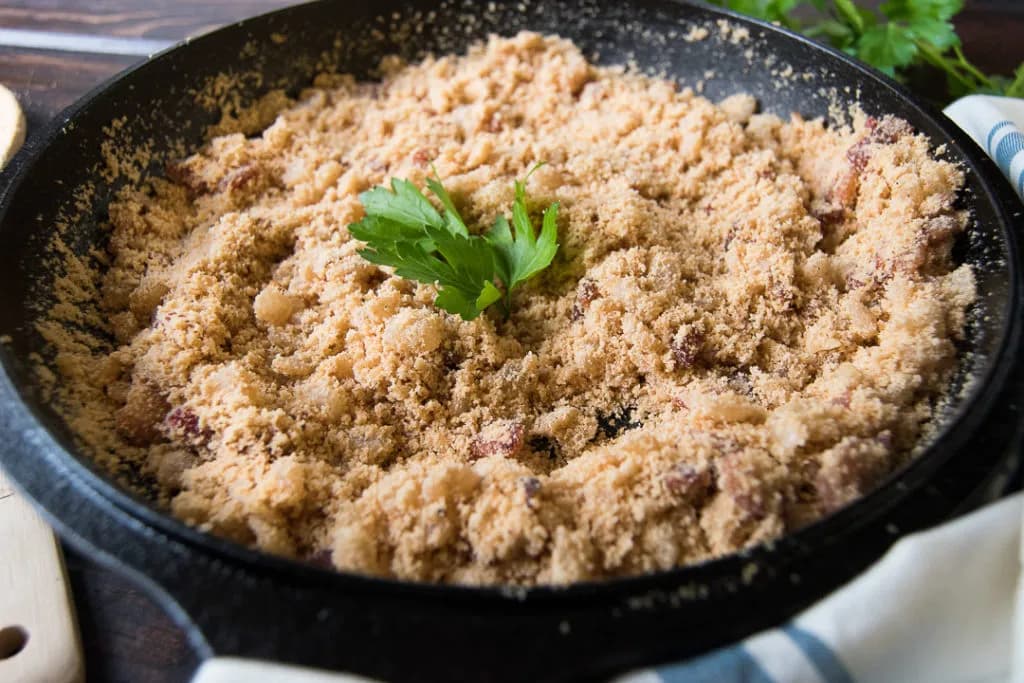
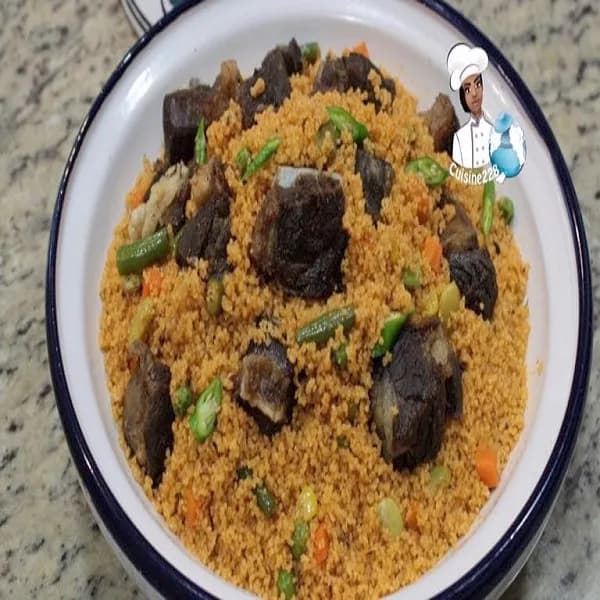
Porridges made from it appear under many names. Fura in northern Nigeria and Niger is millet worked into balls and mixed with fermented milk. Ogi and koko are made from fermented millet or maize across West Africa. Uji in East Africa is often millet based. This particular recipe is a plainer, contemporary preparation, rinsed and simmered rather than fermented, and its flavour ideas run to cinnamon apple and pumpkin spice, which places it in a Western health food register rather than a West African one.
The grain itself does the work. Millet has a mild, faintly sweet and nutty flavour, cooks to a texture close to cream of wheat, and turns genuinely creamy when blended after cooking. It carries more protein and fibre than most grains and no gluten at all, which is why it has found a second audience outside the regions that have always eaten it. No country is claimed here, because the porridge as written belongs to none in particular.
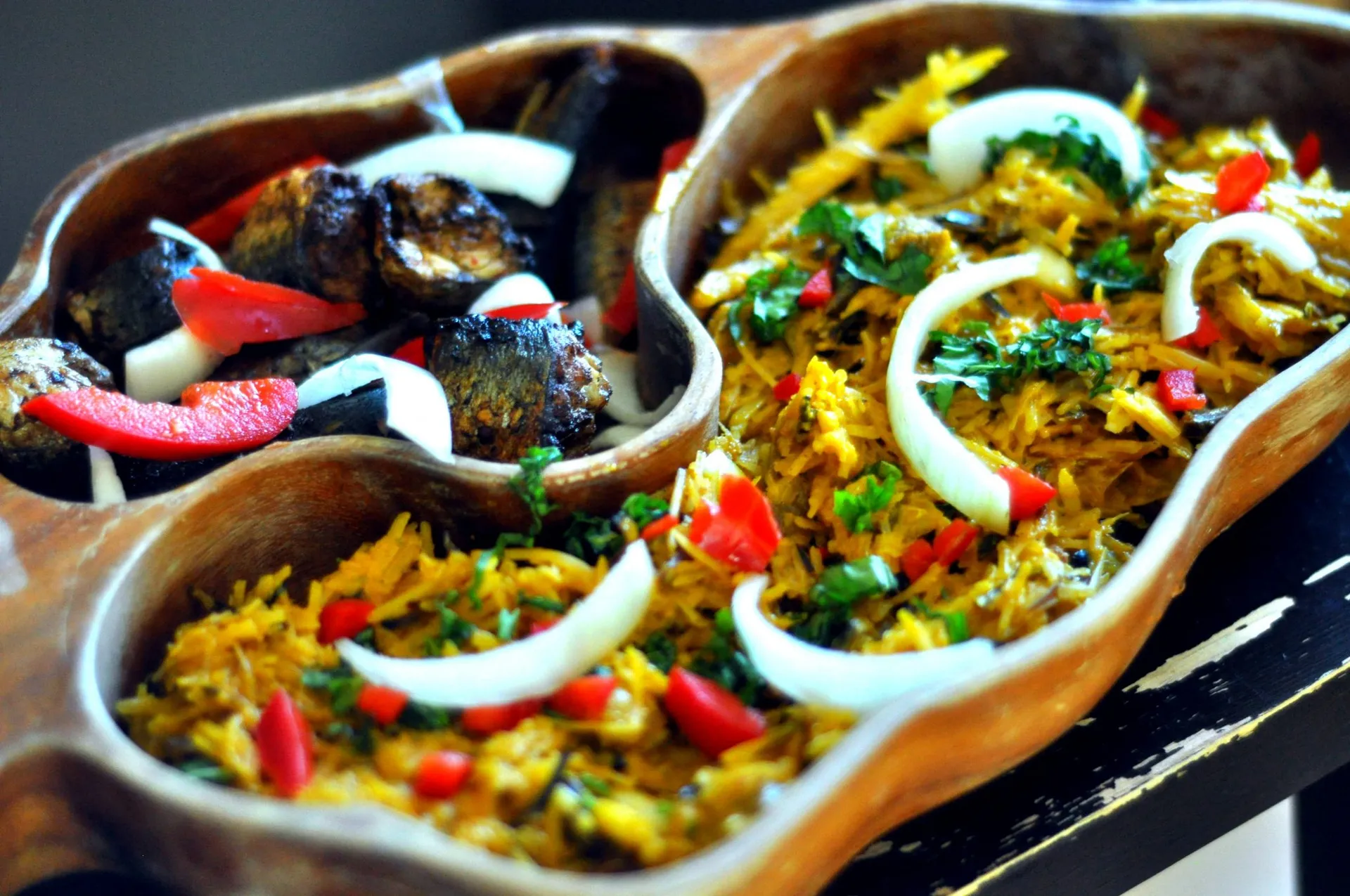
African salad is the Igbo dish of abacha and ugba, and it is a salad only in the loosest sense. Abacha is cassava that has been cooked, shredded on a special grater, soaked overnight, rinsed and dried in the sun. Ugba is fermented oil bean seed, cooked for hours, sliced, rinsed and left to ferment. Neither is cooked when the dish is assembled.
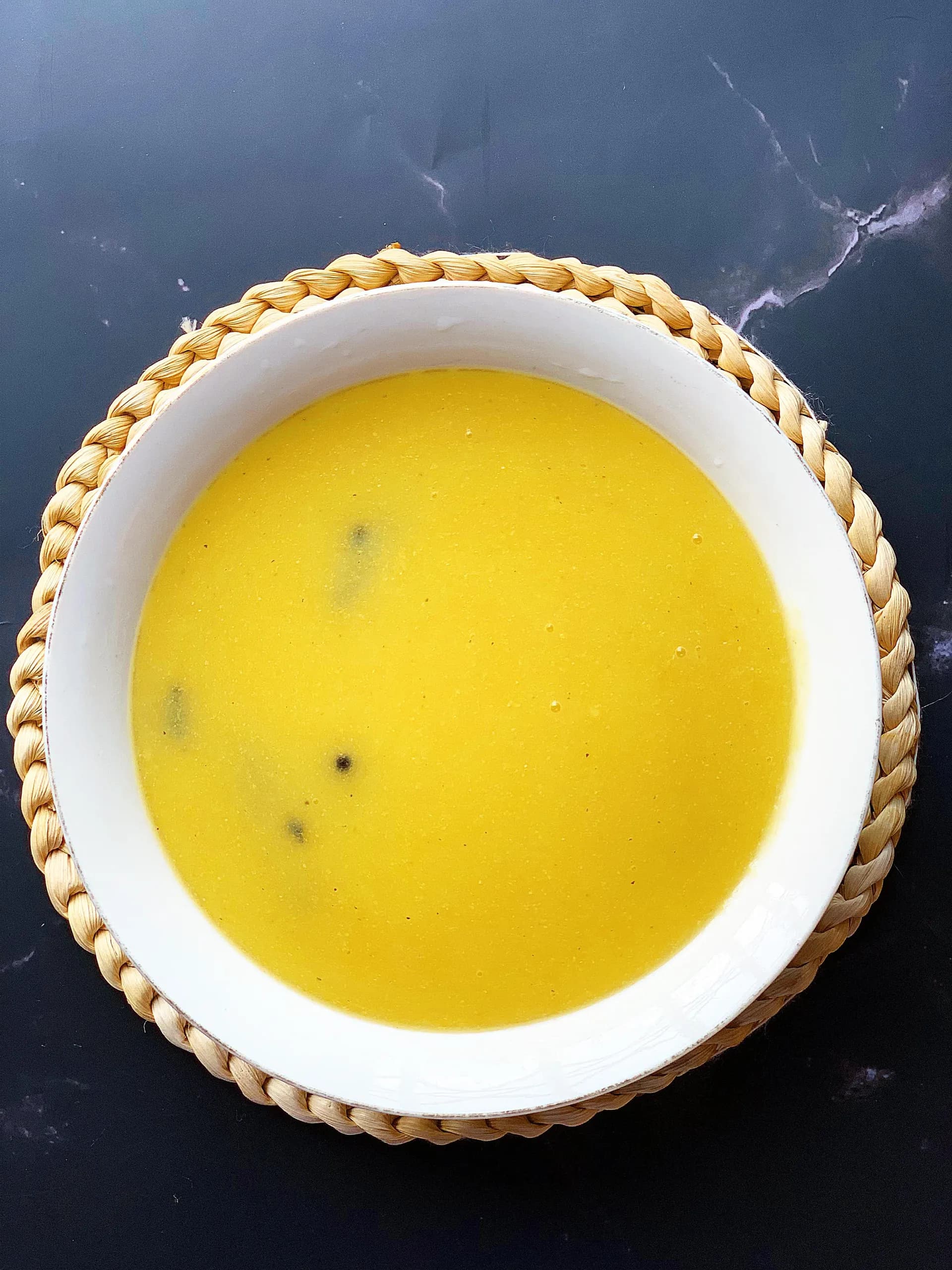
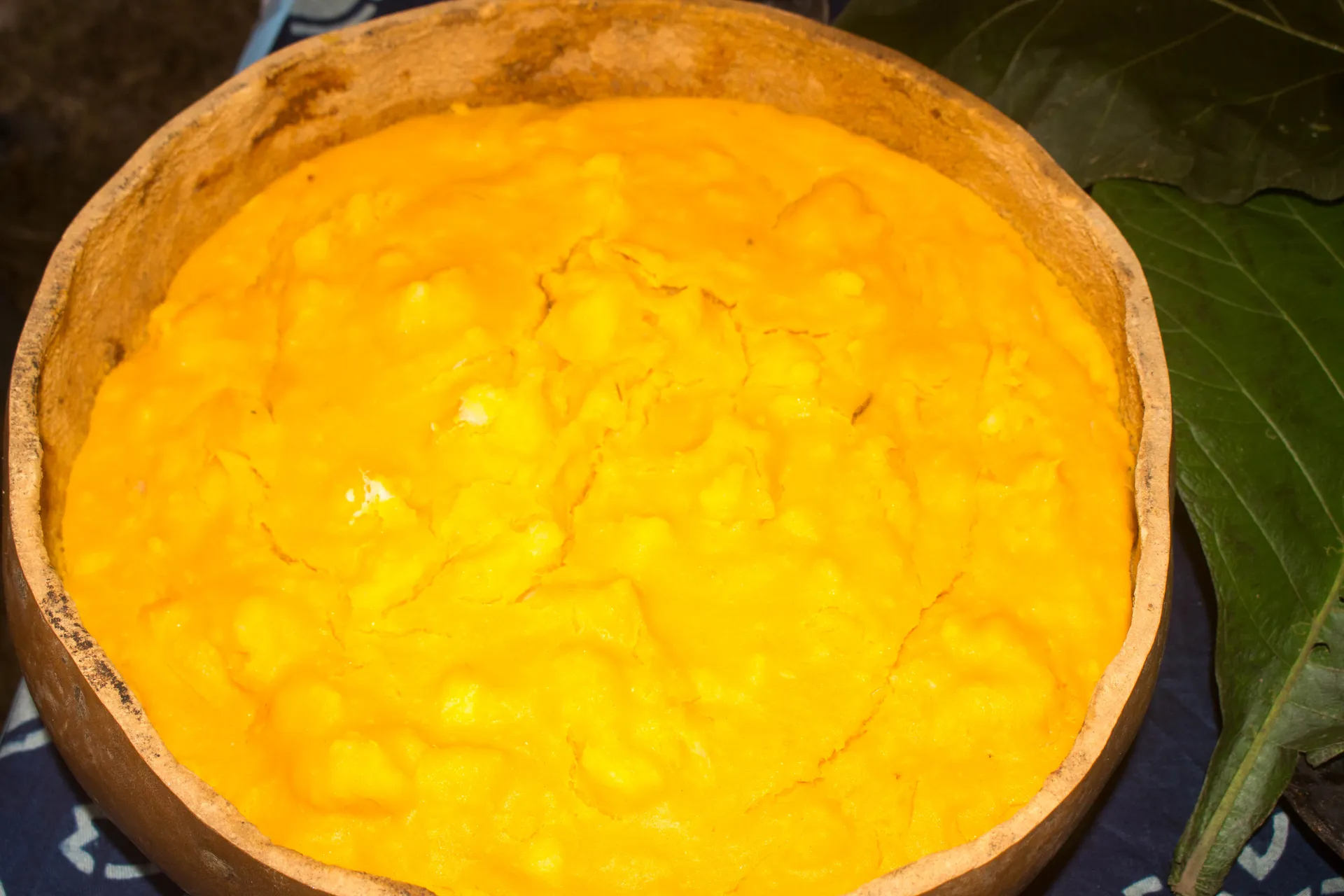
That is the striking thing about it: almost the entire preparation happens off the stove. Palm oil is turned into a thick yellow paste by working it with potash solution, and everything else is folded into that paste in sequence. The order matters, and Igbo cooks are firm about it, because the components will not distribute evenly if they all go in together.
It belongs to ceremony. At an Igbo wedding, abacha is reserved for the important guests, and it is served with chilled palm wine, which is the pairing anyone from the region will name. Despite being filling enough to be a meal, it is treated as a snack rather than a main course. It can be served cold or warmed briefly, and the choice between the two is a matter of household preference rather than correctness.
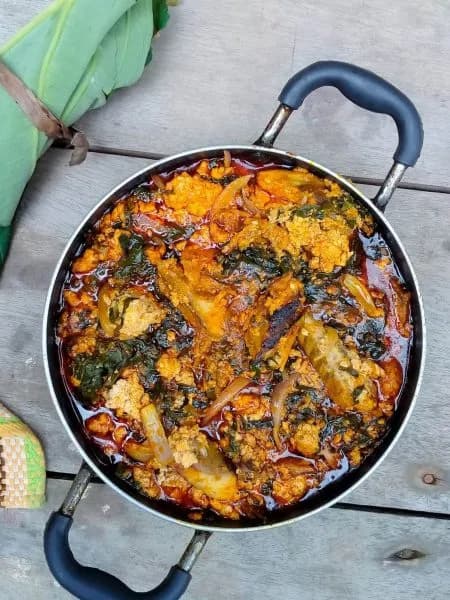
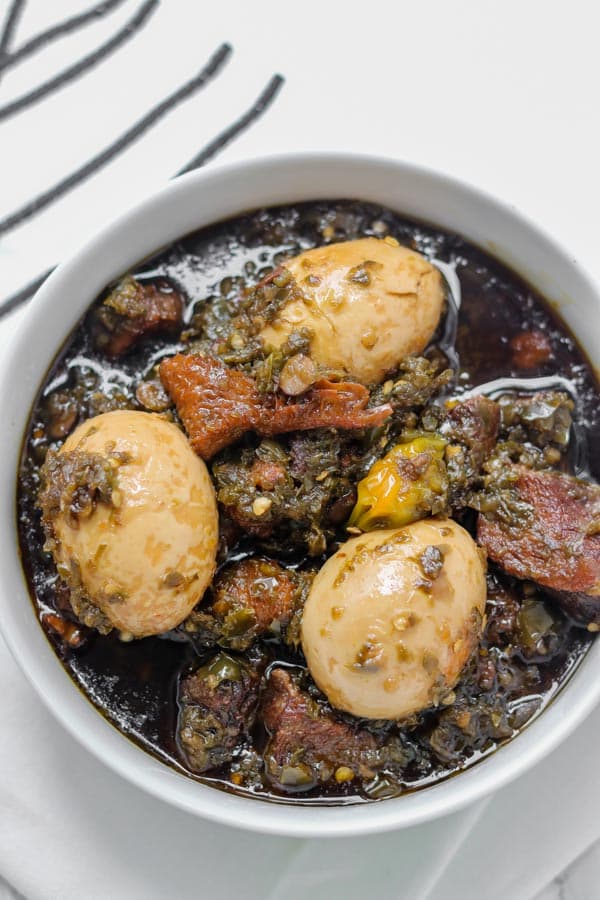
Ayamase is the green pepper stew of southwestern Nigeria, known almost as widely by two other names, ofada sauce, after the rice it is served with, and designer stew, which is what Lagos took to calling it.
It is defined by two things that would be faults in almost any other stew. The peppers are green rather than red, which gives the sauce its unusual dark olive colour. And the palm oil is deliberately bleached, heated until it stops smoking and loses its red pigment, which strips out the characteristic palm flavour and leaves something nuttier and smokier behind. That bleaching step is the whole signature of the dish, and a version made with unbleached oil is a different sauce.
Around that sit iru, the fermented locust bean that carries the deep savoury note, assorted meats including offal, and boiled eggs, which are close to obligatory.
The name points to a person. Ayamase is traced to Ikenne-Remo in Ogun State and to a woman remembered as Mrs Felicia, Iya Mase, the wife of Mase, who is credited with the dish. It travelled from there into Lagos party food, where its reputation as something special was made.
It is served with ofada rice, the short, unpolished local rice whose earthy flavour is the intended partner.