Nous utilisons des cookies essentiels au fonctionnement du site. Nous aimerions aussi déposer des cookies de mesure d’audience et des cookies publicitaires, uniquement avec votre accord. Vous pouvez choisir séparément pour chacun. Lire notre politique relative aux cookies
Loading
Recettes
Parcourez les archives par pays, par plat et par temps de cuisson.

Beetroot pancakes are ordinary pancakes with cooked beetroot blended into the batter, which turns them deep pink and adds an earthy sweetness.
The beetroot does two things. It colours the batter dramatically, which is most of the appeal and the main reason the recipe exists for children. And it contributes moisture and a mild natural sweetness, so the pancakes need less sugar than a plain batter would.
They are made in the ordinary way, blended, rested briefly, cooked on a moderately hot pan, and the technique holds no surprises. Cooking them slightly slower than plain pancakes helps, because the extra moisture from the beetroot means the middle needs a little longer while the outside is already colouring.
Served with fresh fruit or berries on top, which is the usual suggestion, they make a breakfast that looks considerably more elaborate than it is.
**Filed as Worldwide**, the source describes it as a Continental recipe, and it makes no African claim. The page is kept and reclassified rather than removed.
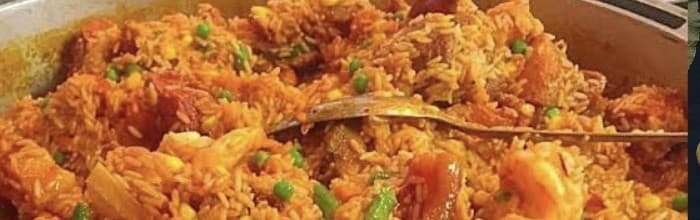
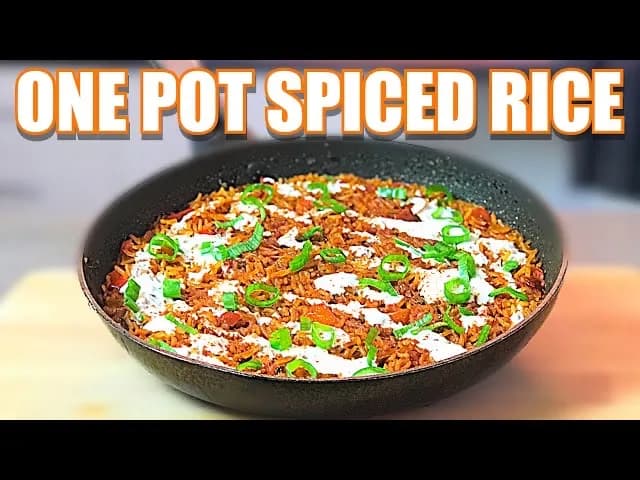
Pilau is the spiced rice of the East African coast: rice cooked with cumin, cardamom, cloves, cinnamon and turmeric until every grain carries the spice. It is celebration food across Kenya, Tanzania, Uganda and Zanzibar, made for weddings, for Eid, and whenever a guest of consequence arrives.
It reached the Swahili coast through centuries of Indian Ocean trade, and the family it belongs to runs from Persian polow through Central Asian plov to South Asian pulao. The East African version is milder than the Indian one and does not use curry, which is the distinction the source draws and it is a fair one. The defining spice mix has its own name, pilau masala, and there is a recipe for it on this site.
An important note about this page. Its written description is of a full pilau: caramelised beef, potatoes, tomatoes and pilau masala simmered in meat stock. The recipe card attached to it is something else entirely, a plain spiced rice with no meat, no potatoes and no stock. The recipe below follows the card, since that is the actual recipe on the page, and the result is a good vegetarian side dish. It is not, however, the celebratory beef pilau the description promises.
Browning the onions properly is the step that matters most in either version.
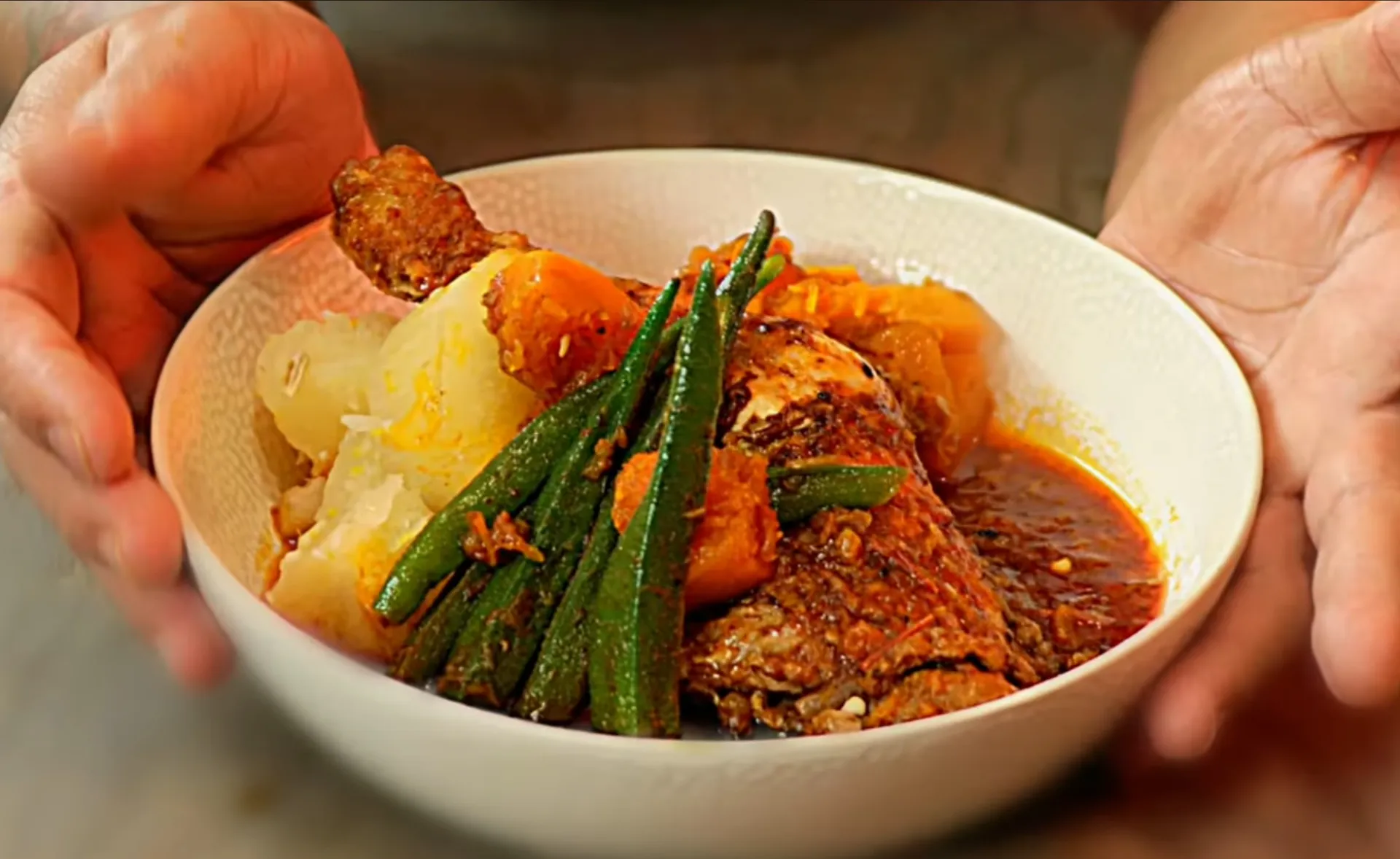
Catfish pepper soup is a hot, thin, aromatic broth built on the Nigerian pepper soup spice blend, and it is what fills local bars in the evening.
The fish has a name that tells you how it is bought. Catfish in Nigeria is widely called point and kill, you point at a live fish in a tank and it is killed and cooked for you there. That freshness is much of the point, because catfish deteriorates quickly and the difference between fresh and not is stark.
The broth follows the pepper soup rules: no thickener, no palm oil, and the aromatics doing all the work. Calabash nutmeg, ehuru, is the defining spice, with uda and uziza seed alongside, and the heat is meant to be substantial.
Catfish suits it particularly well. It is oily enough to give the broth body without any thickener, and firm enough to hold together in the pot, which softer fish do not.
It is drunk as much as eaten, and it is a standard remedy for cold weather and for colds. It is also served with white rice or agidi.
Fresh catfish is slimy and needs washing thoroughly, often with hot water or lime.
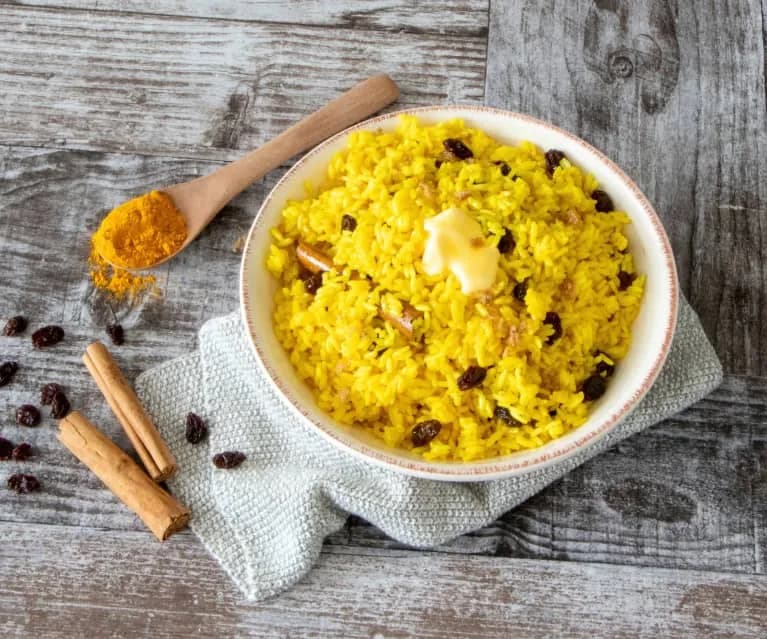
Rice cooked with turmeric, cinnamon, raisins and sugar into a sweet golden side dish. It is South African, from the Cape Malay tradition, and it is served alongside savoury curries and meat.
Sweet rice as a savoury accompaniment is the thing to understand. Cape Malay yellow rice contains sugar, raisins and cinnamon, and it goes with curry, bobotie and roast meat, the sweetness is deliberately set against savoury and spiced food rather than served as a dessert. That contrast runs right through Cape Malay cooking and it is the same instinct behind bobotie's fruit chutney and the apricot jam in pickled fish.
The community it comes from was formed by people brought to the Cape from Southeast Asia as slaves and political exiles by the Dutch from the seventeenth century onwards, and the dish is one of many that carries that history directly. Related yellow rices exist across the world, nasi kuning in Indonesia, kaha buth in Sri Lanka, and the family resemblance is not coincidental.
Turmeric is what colours it. Saffron is used in more expensive versions and annatto elsewhere.
**A significant problem with this page.** Its ingredient list merges two separate recipes, a yellow rice and a marinated roast chicken, into one list, and its method covers both. Only the rice belongs here.