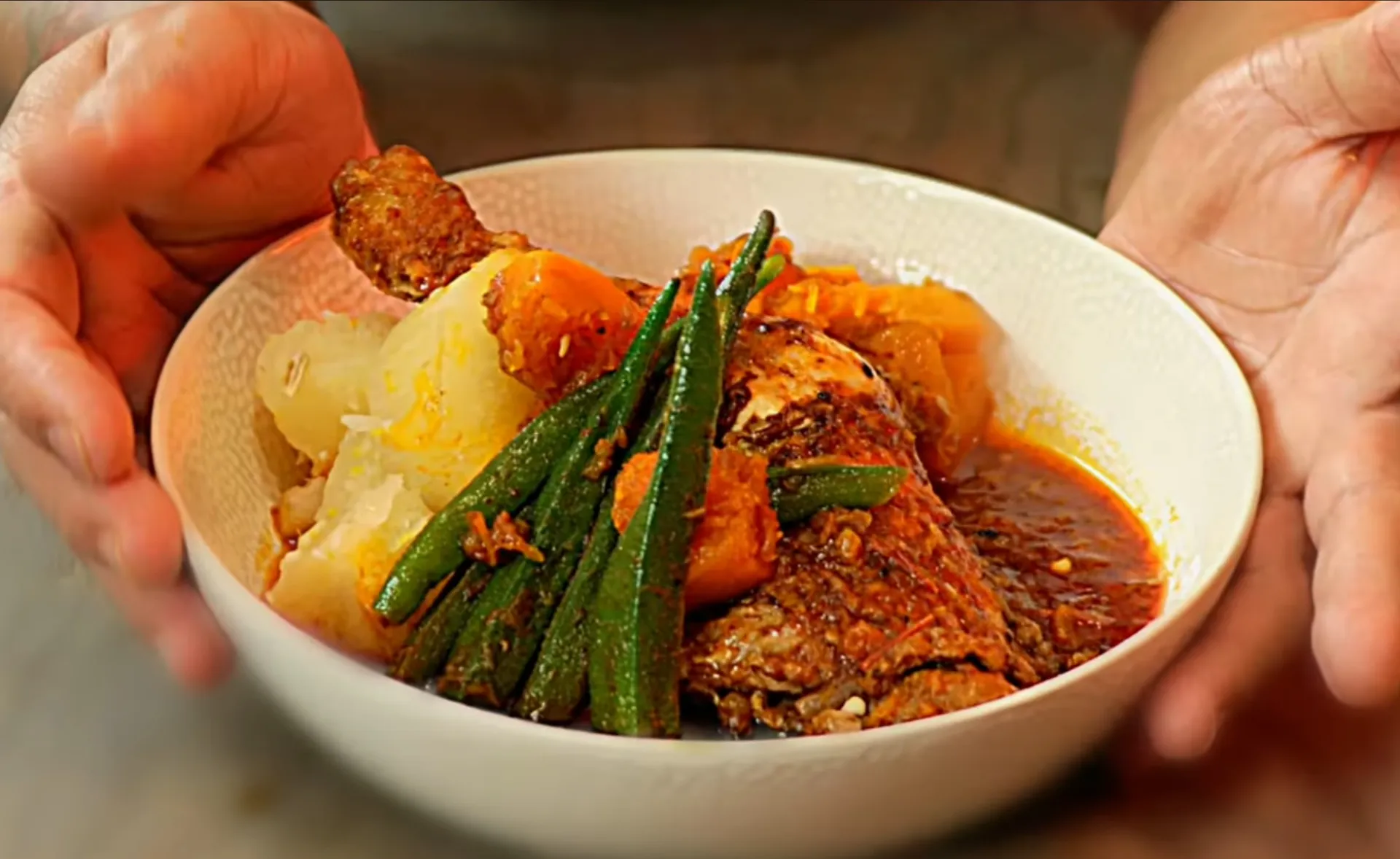
Muamba De Galinha (Angolan Chicken Stew)
4.54.5 out of 5, 4 ratings45 min


Cookies sur African Food Network
Nous utilisons des cookies essentiels au fonctionnement du site. Nous aimerions aussi déposer des cookies de mesure d’audience et des cookies publicitaires, uniquement avec votre accord. Vous pouvez choisir séparément pour chacun. Lire notre politique relative aux cookies
Parcourez les archives par pays, par plat et par temps de cuisson.
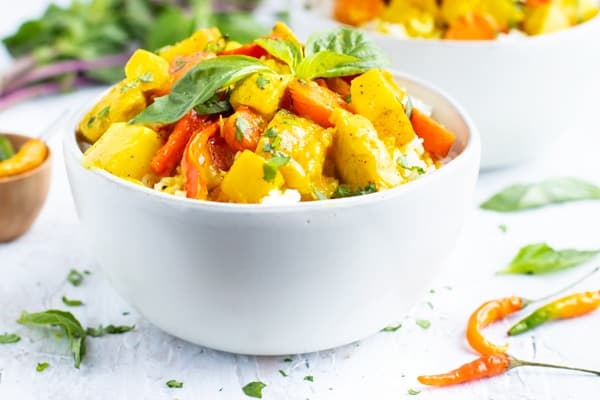
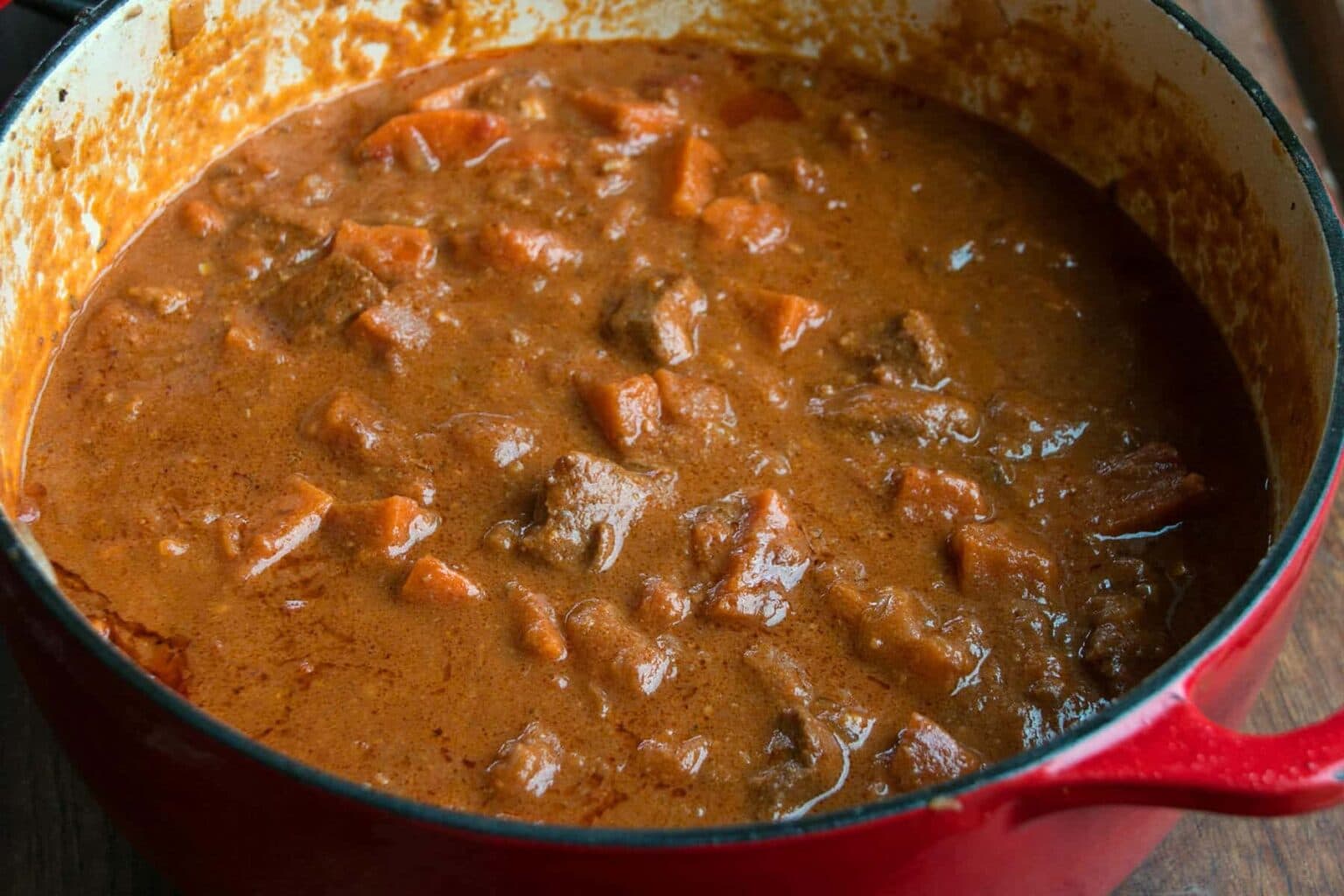
Coconut chicken curry is a one-pan dish of chicken simmered in coconut milk with a curry spice blend and whatever vegetables are to hand, broccoli, cabbage, peppers, potato, carrot. The word curry is worth being precise about. It is not a single spice or a single dish. It comes from English usage during colonial rule in India, applied broadly to spiced saucy dishes, and it now covers an enormous range of unrelated cooking across South Asia, Southeast Asia, the Caribbean and East Africa. A curry powder sold in a jar is a blend, and the blends differ substantially between manufacturers and regions. Coconut milk versions belong mainly to the coastal and tropical end of that range, southern India, Thailand, Malaysia, the Caribbean, and the Swahili coast of East Africa, where coconut is grown and used heavily. This particular recipe is a general one rather than a regional tradition, which is its strength: it tolerates substitution well and is designed to be varied. **Filed as Worldwide**, the recipe as written makes no specific national claim, so attributing it to any one cuisine would be inventing detail.
40 minEasyNigeria · American
Recette de Jennifer · Africook

Des plats transmis de génération en génération
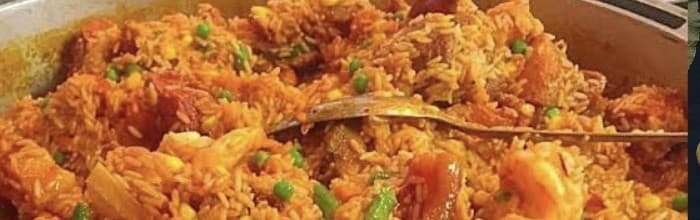
 Jollof Rice1 hr · West Africa
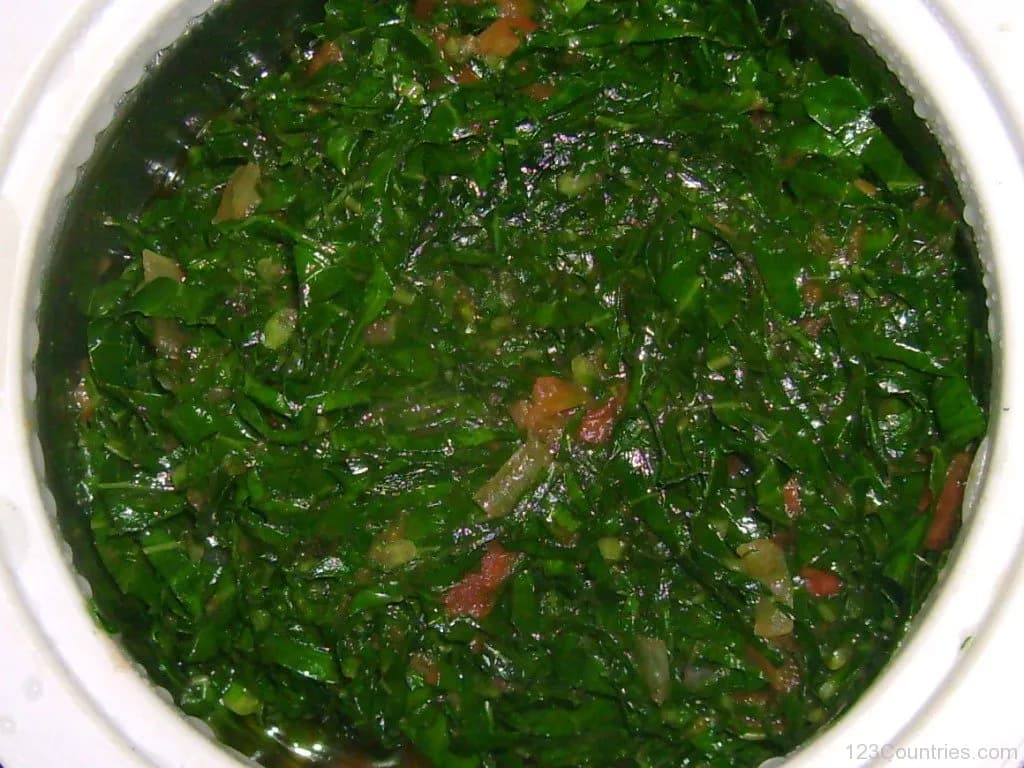 Sukuma Wiki50 min · East Africa
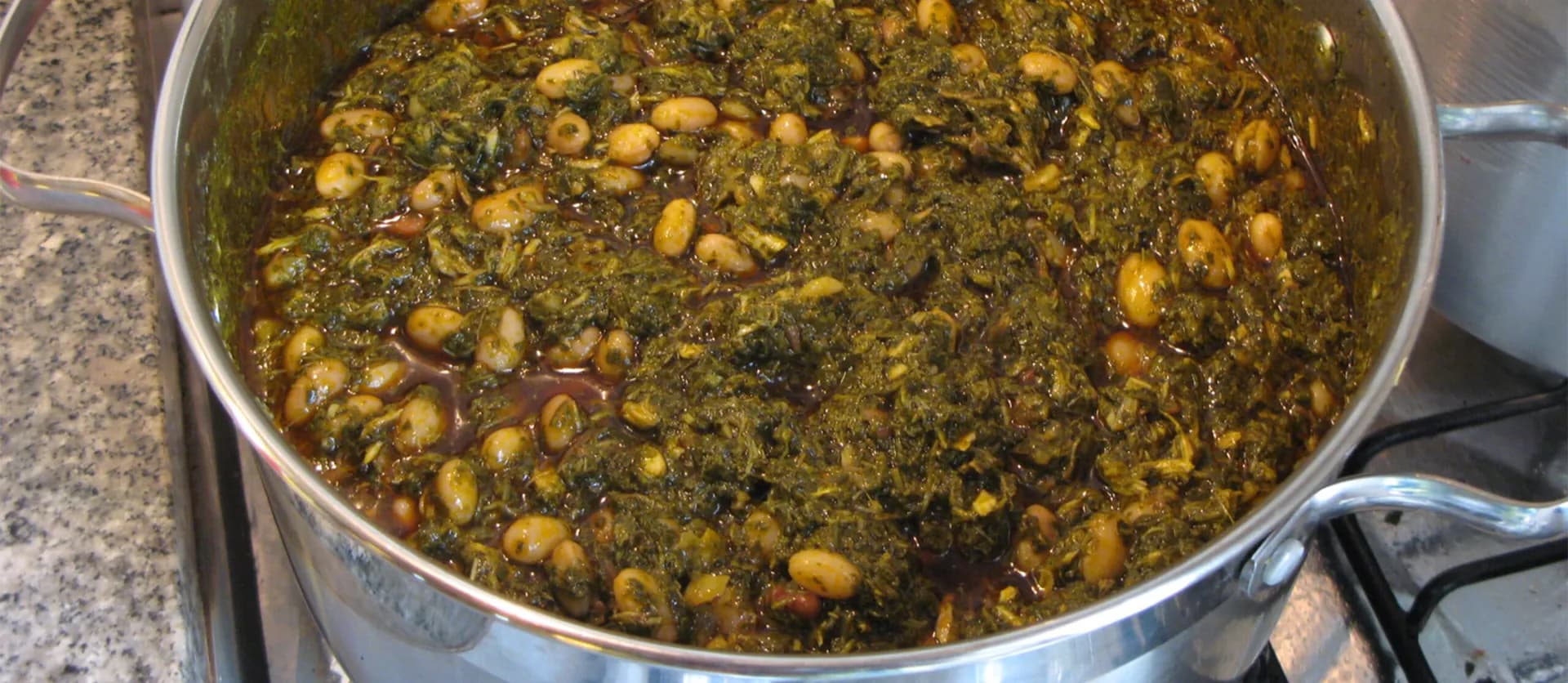
 Tsaramaso Malagasy (White Bean and Tomato Stew)2 hr 15 min · East Africa
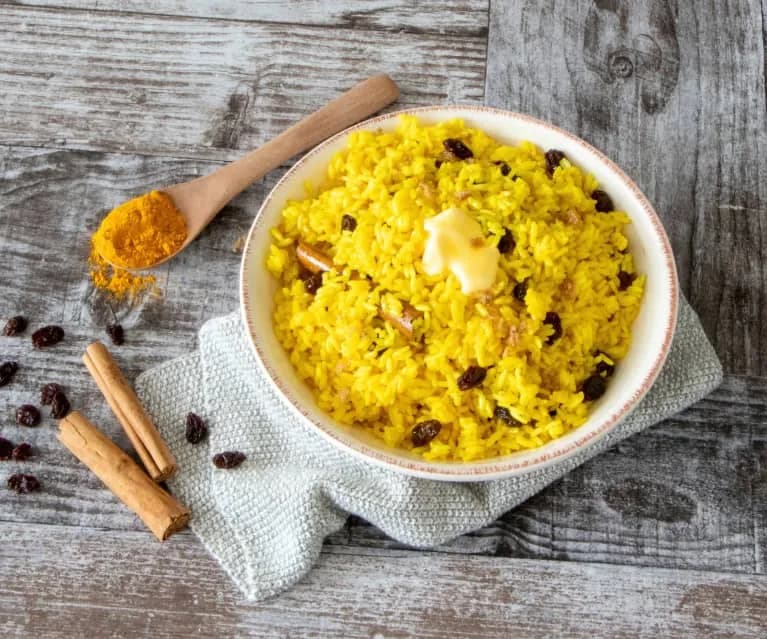 Cape Malay Yellow Rice50 min · Southern Africa
 Catfish Peppersoup50 min · West Africa
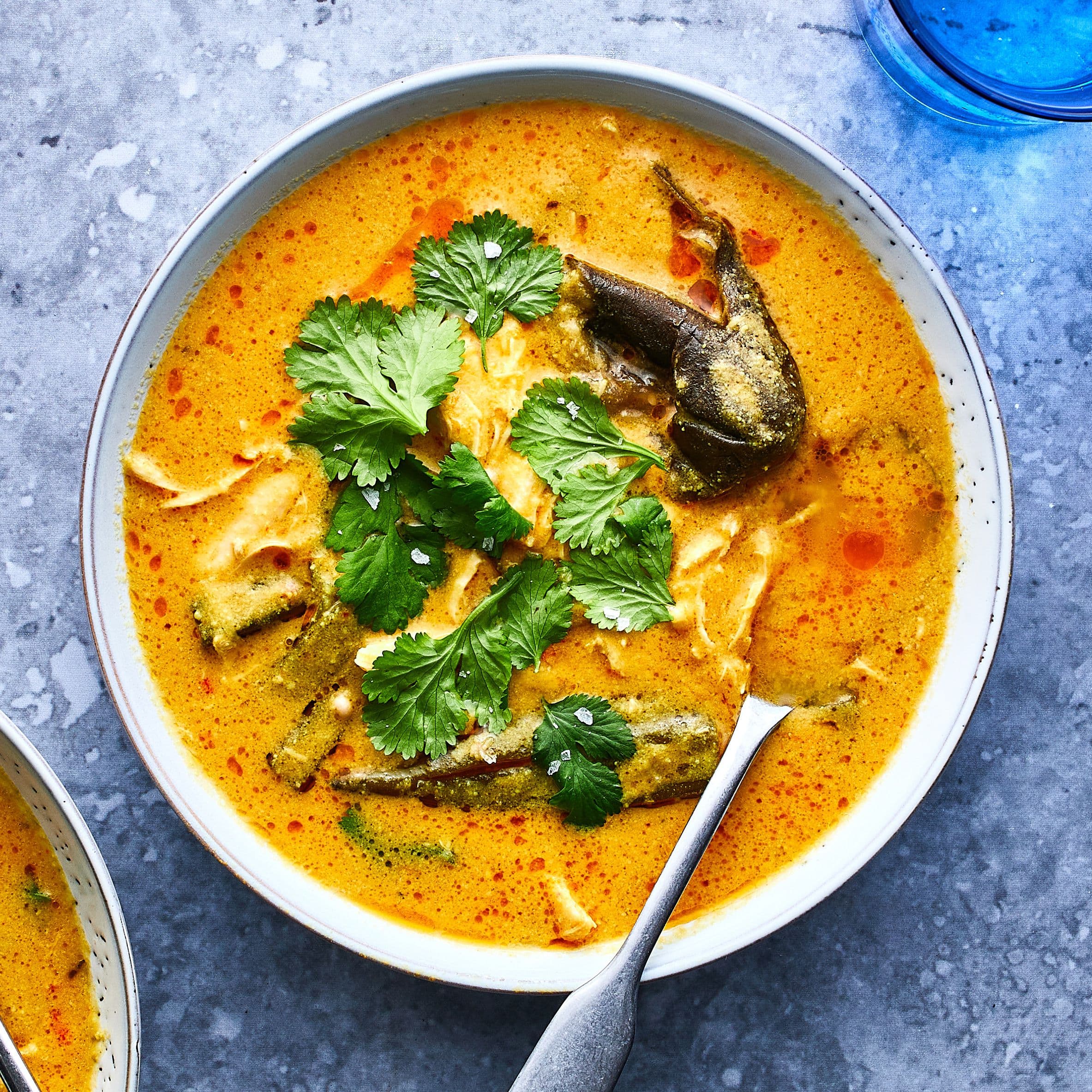 Peanut Butter Soup30 min · West Africa
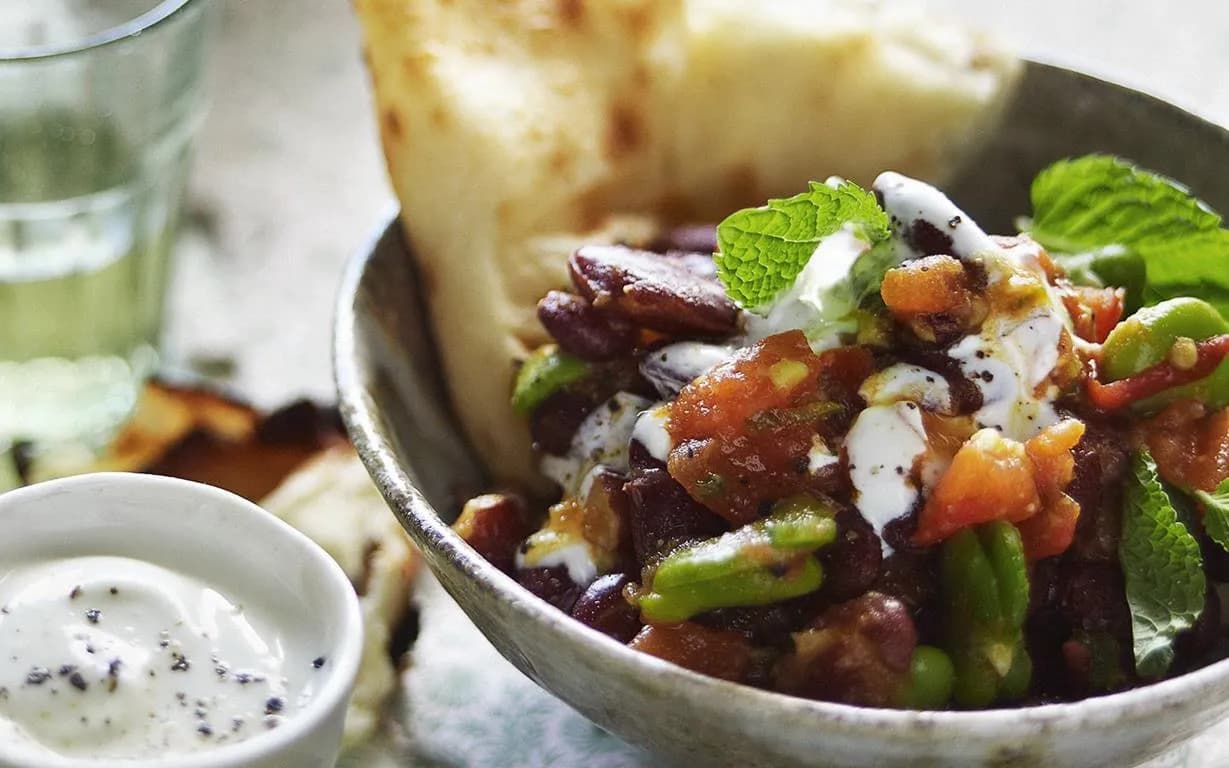 South African Stewed Green Beans50 min · Southern Africa
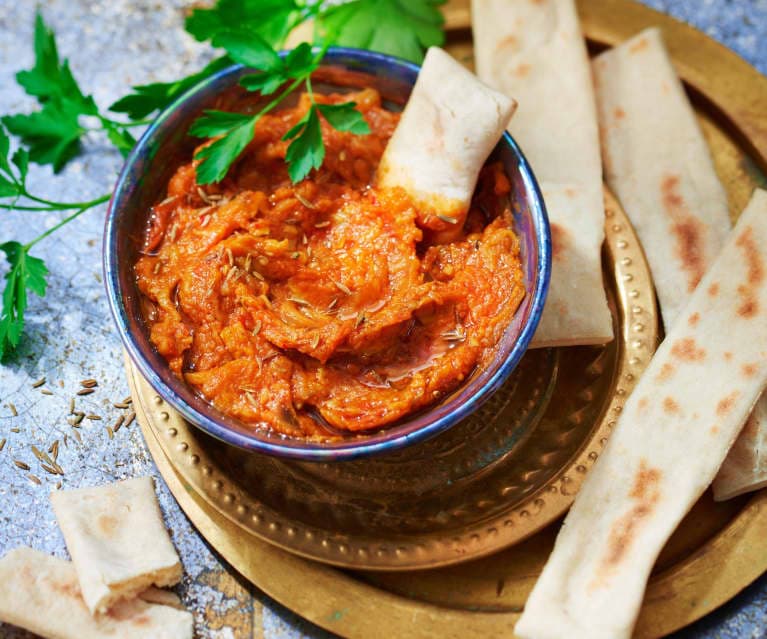 Moroccan Zaalouk (Cooked Eggplant and Tomato Salad)North Africa