Nous utilisons des cookies essentiels au fonctionnement du site. Nous aimerions aussi déposer des cookies de mesure d’audience et des cookies publicitaires, uniquement avec votre accord. Vous pouvez choisir séparément pour chacun. Lire notre politique relative aux cookies
Loading
Recettes
Parcourez les archives par pays, par plat et par temps de cuisson.
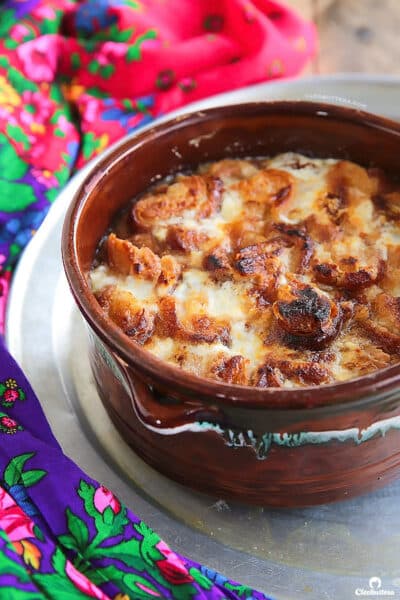
Om Ali is Egypt's most beloved dessert, a warm, sweet pudding made from torn pieces of puff pastry or bread baked in sweetened milk with nuts, coconut, and raisins until golden and bubbling. It sits somewhere between a bread pudding and a milk-soaked pastry and manages to be simultaneously comforting and festive. The dish is a fixture of Egyptian restaurants, home celebrations, and Ramadan gatherings, where it is often served in communal baking dishes at the end of a large meal. Despite its simplicity, Om Ali manages to taste luxurious, the puff pastry creates layered, crispy edges while the centre remains soft and creamy with the absorbed milk.
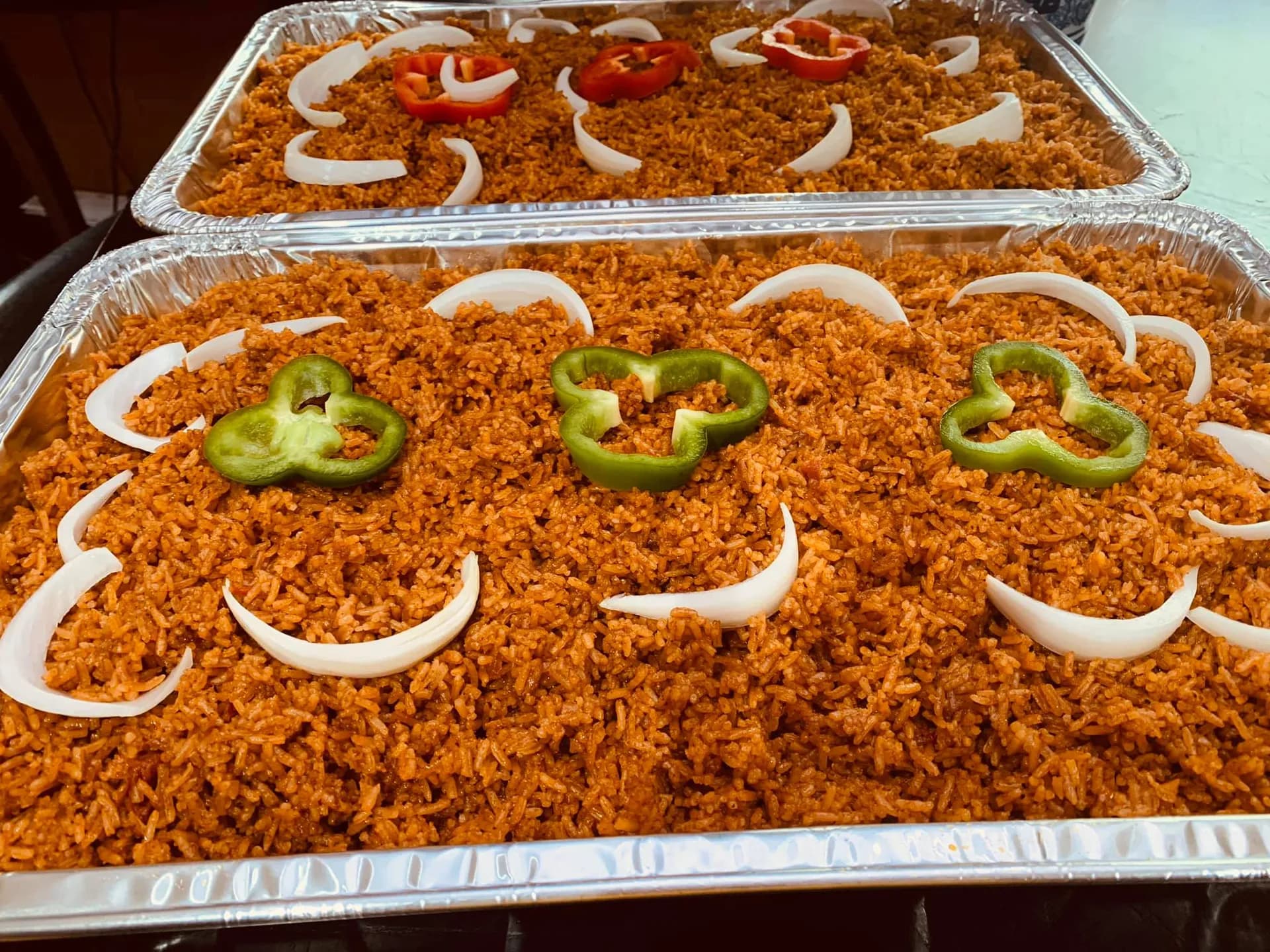
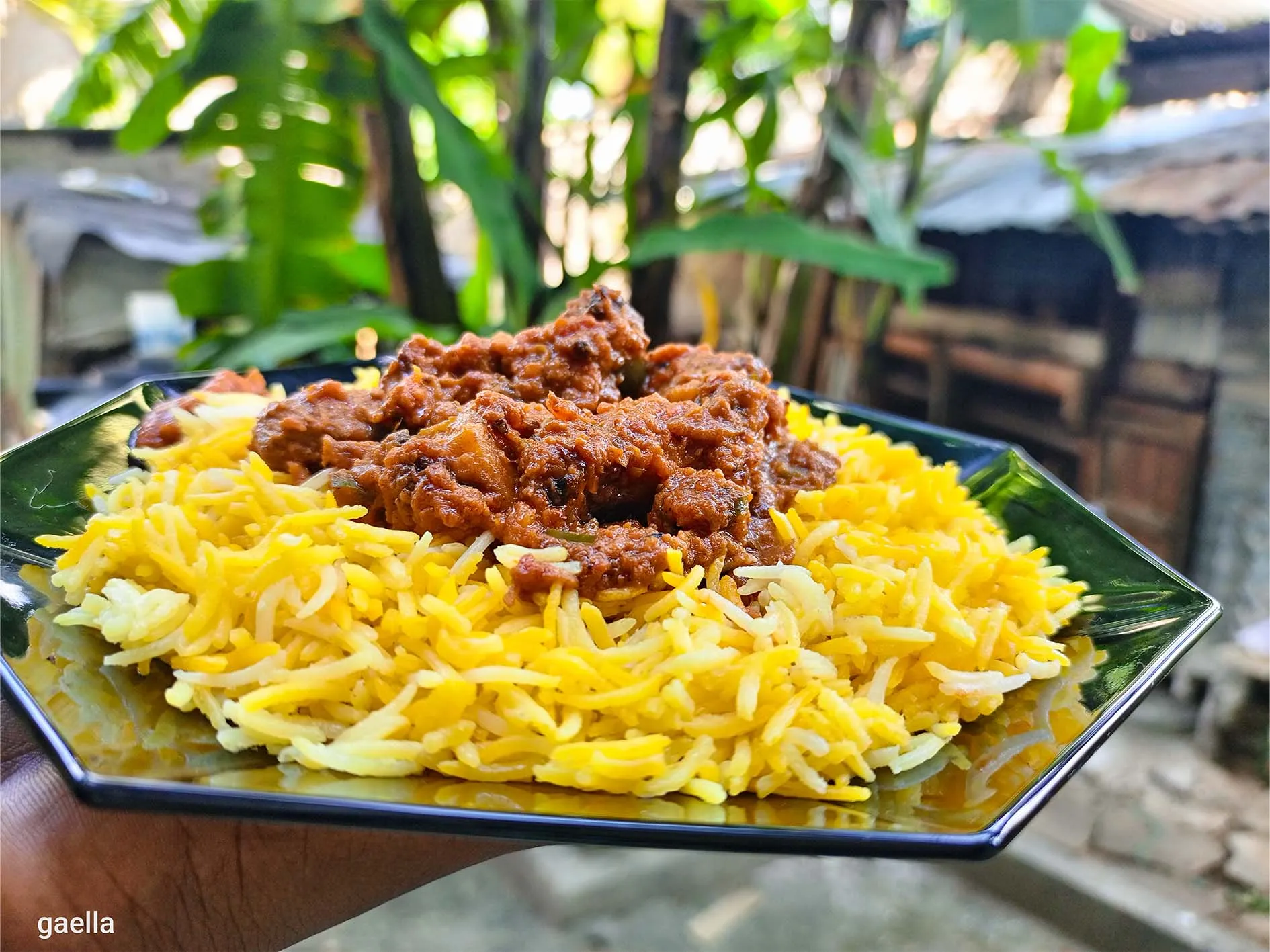
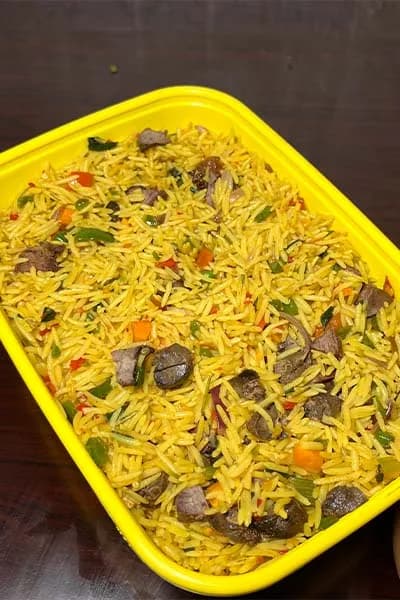
Nigerian fried rice is party food, and it sits beside jollof rice on the table at every celebration where both appear. Where jollof is red and built on a cooked tomato and pepper base, fried rice is pale gold, coloured by curry powder rather than tomato, and studded with diced vegetables and liver.
It is a Nigerian dish rather than a Chinese one, despite the shared name and the soy and oyster sauces that have entered the modern version. The rice is parboiled in seasoned meat stock so it takes flavour before it is ever fried, which is the opposite order to Chinese fried rice, and the vegetables go in raw at the end so they keep their bite and colour. Fried rice spice, sold as its own blend in Nigerian markets, is the thing to look for; curry powder is a different profile and contributors are firm on the point.
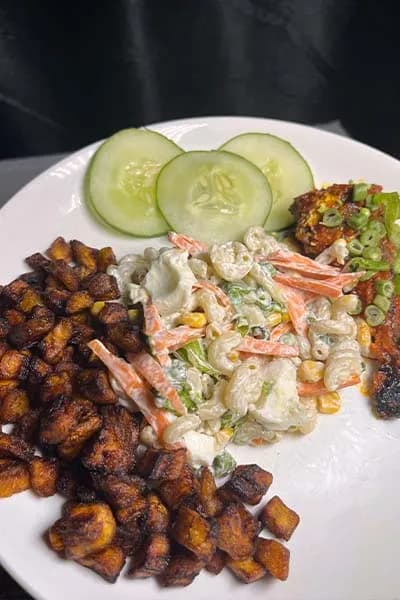
Liver is the traditional protein and the part most often left out abroad. Fried until firm and diced small, it gives a mineral depth that nothing else in the dish supplies. Shrimp, chicken and beef all appear alongside or instead. It is served with fried plantain, moi moi, coleslaw and chicken, and at a Nigerian party it is served with jollof rather than instead of it.
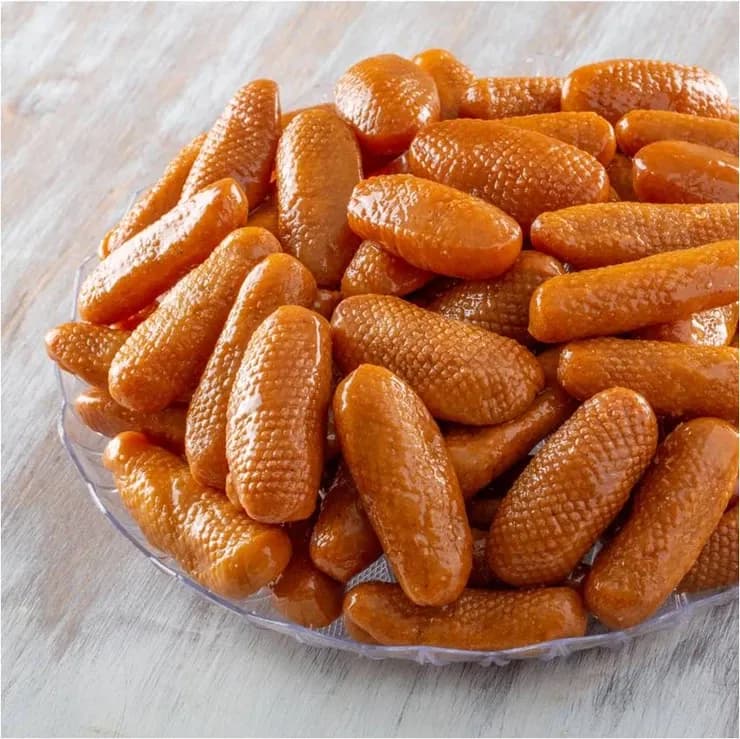
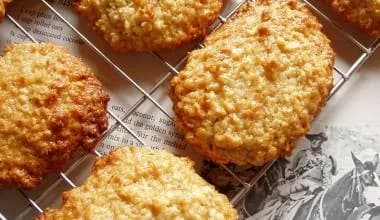
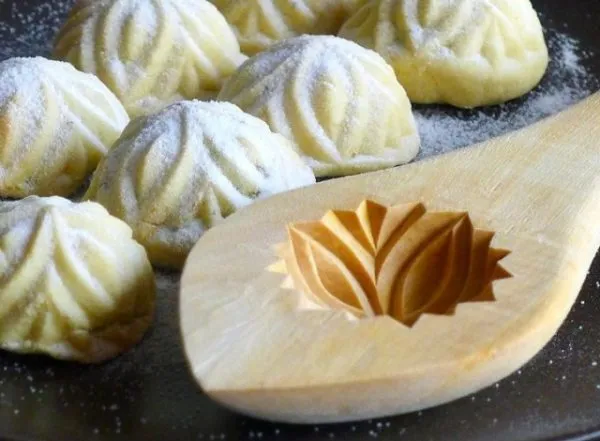
Makroud el louse is the almond version of makroud, and it is a genuinely different cookie from the one that name usually brings to mind. Ordinary makroud is a semolina pastry stuffed with date paste and deep-fried, then soaked in syrup. Makroud el louse has no semolina, no dates and no frying: it is ground almonds, sugar and egg, shaped, baked, dipped in an orange-flower syrup and rolled in icing sugar.
"Louse" is the Algerian word for almond, so the name simply distinguishes the almond one. Both are cut on the diagonal into the same lozenge shape, which is where the shared name comes from, makroud derives from the Arabic for something cut at an angle. The shape is the family resemblance; the ingredients are not.
Because there is no flour in the dough, this version is naturally gluten-free, which is unusual among North African pastries and is worth knowing if you need it. One caution: the source's own instructions send you to a floured work surface, which would undo that. Use icing sugar or a little extra ground almond instead.
These are keeping cookies. Sealed in a tin they hold for over a month, which is why they are made in quantity for Eid, Ramadan and weddings rather than a few at a time.
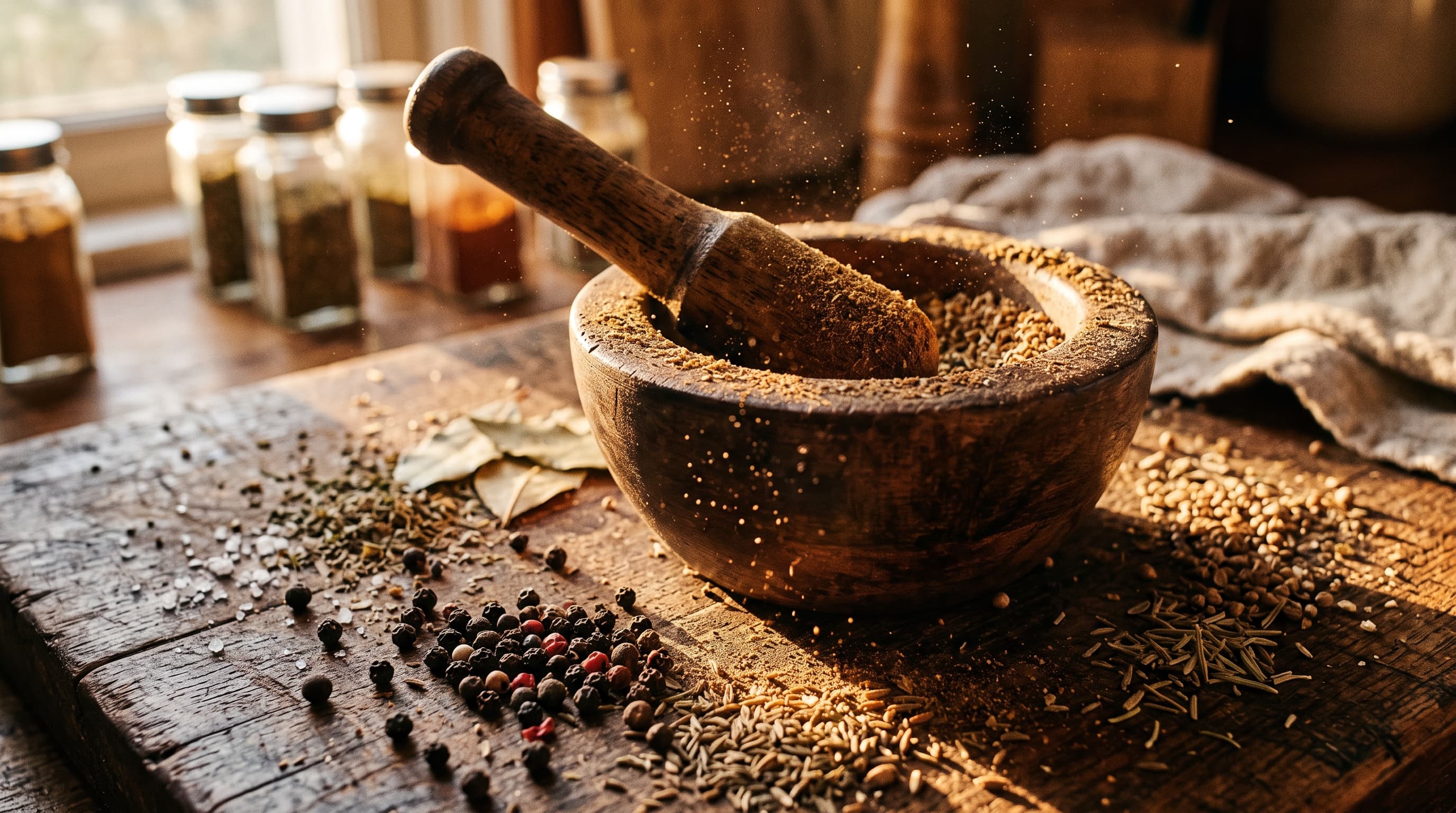
Pilau is the spiced rice of the East African coast: rice cooked with cumin, cardamom, cloves, cinnamon and turmeric until every grain carries the spice. It is celebration food across Kenya, Tanzania, Uganda and Zanzibar, made for weddings, for Eid, and whenever a guest of consequence arrives.
It reached the Swahili coast through centuries of Indian Ocean trade, and the family it belongs to runs from Persian polow through Central Asian plov to South Asian pulao. The East African version is milder than the Indian one and does not use curry, which is the distinction the source draws and it is a fair one. The defining spice mix has its own name, pilau masala, and there is a recipe for it on this site.
An important note about this page. Its written description is of a full pilau: caramelised beef, potatoes, tomatoes and pilau masala simmered in meat stock. The recipe card attached to it is something else entirely, a plain spiced rice with no meat, no potatoes and no stock. The recipe below follows the card, since that is the actual recipe on the page, and the result is a good vegetarian side dish. It is not, however, the celebratory beef pilau the description promises.
Browning the onions properly is the step that matters most in either version.