Nous utilisons des cookies essentiels au fonctionnement du site. Nous aimerions aussi déposer des cookies de mesure d’audience et des cookies publicitaires, uniquement avec votre accord. Vous pouvez choisir séparément pour chacun. Lire notre politique relative aux cookies

Loading
Recettes
Parcourez les archives par pays, par plat et par temps de cuisson.
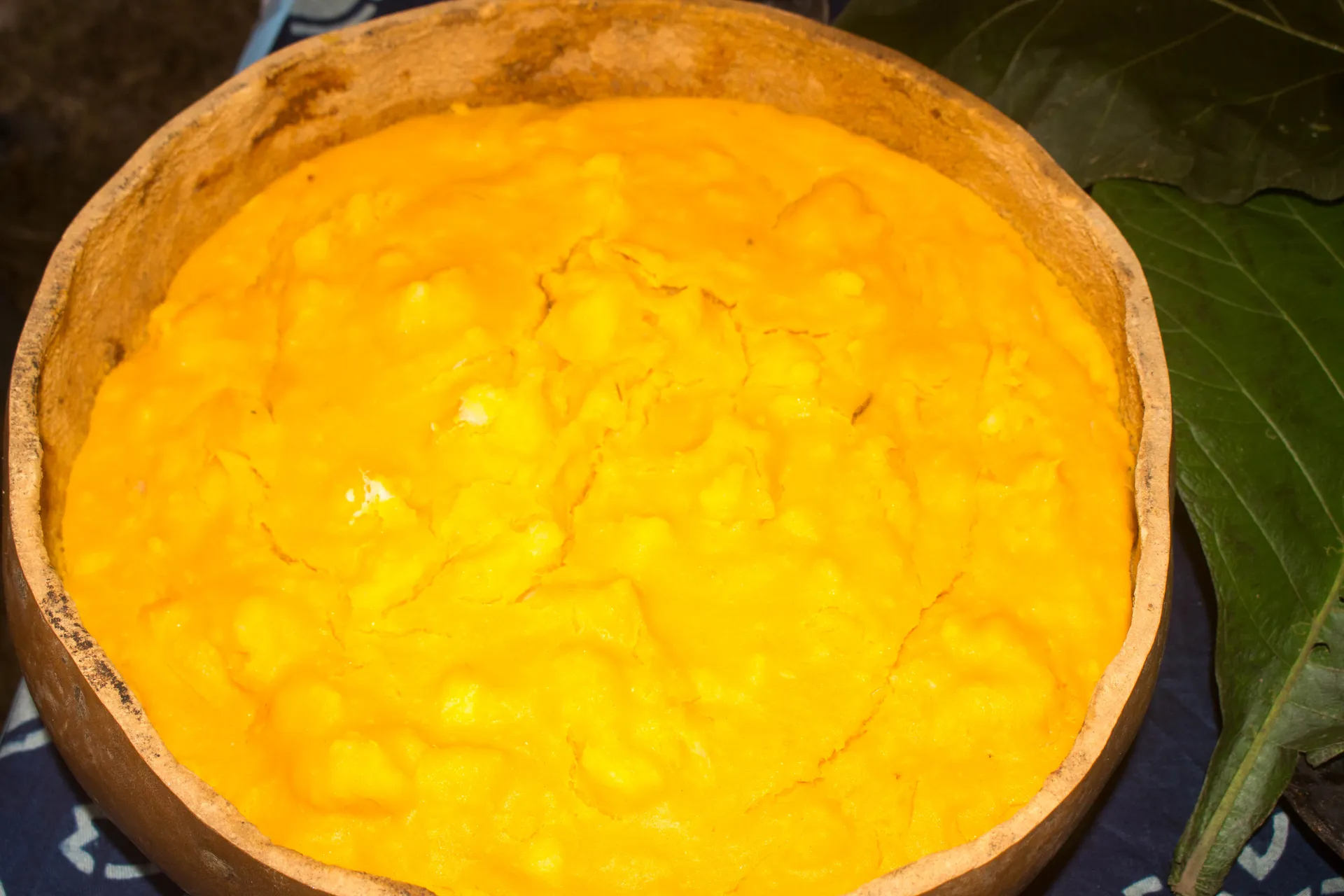
Yam is not simply a staple crop among the Igbo of south-eastern Nigeria. It is the crop, tied to land, status and the agricultural calendar in a way no other food is, and the yam that goes into this porridge carries that weight into an ordinary weekday meal.
Yam porridge is the most direct way to eat it. Slices are cooked until they begin to break down and thicken their own liquid, so the dish is both the yam and the sauce it makes. What marks the version out as Igbo rather than as one of the several other Nigerian yam pottages is the seasoning: ogiri, the fermented seasoning made from oil bean or melon seed, and uziza leaves, whose peppery aroma goes in at the very end. Palm oil supplies the colour and the richness, crayfish the savoury base.
Ogiri is the ingredient that decides the dish. Its fermented depth is what separates an Igbo yam porridge from a Yoruba or Hausa preparation of the same root, and households that leave it out are making something else. The porridge is eaten at breakfast and as a light lunch, and it belongs to ordinary domestic cooking rather than to any occasion.
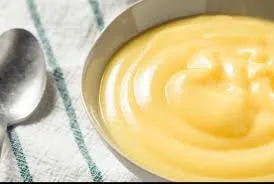
Ogi is fermented cereal porridge, sour, smooth and pale, and it is among the first things most Nigerians ever eat. It is called akamu in Igbo and pap in English, and it is made from maize, sorghum or millet steeped in water for up to three days, wet milled, sieved to remove the husks, and then fermented for several more days until it turns distinctly sour.
That sourness is the point and it is what separates ogi from any other cereal porridge. It also does real work: fermentation makes the grain more digestible and gives ogi a probiotic character, which is a large part of why it has been the standard weaning food for Nigerian infants for generations and why it is given to people who are unwell or recovering.
The same base goes in two directions. Thinned and cooked, it is the porridge eaten at breakfast with akara, moin moin, fried plantain or bread. Cooked much thicker and left to set, it becomes agidi or eko, sliced and eaten with pepper soup or stew. Across the region the names change without the thing changing much: koko in Ghana, uji in Kenya, where it is more often made from millet and sorghum. Three grains are used in Nigeria, and white corn, yellow corn and guinea corn each give a slightly different result.
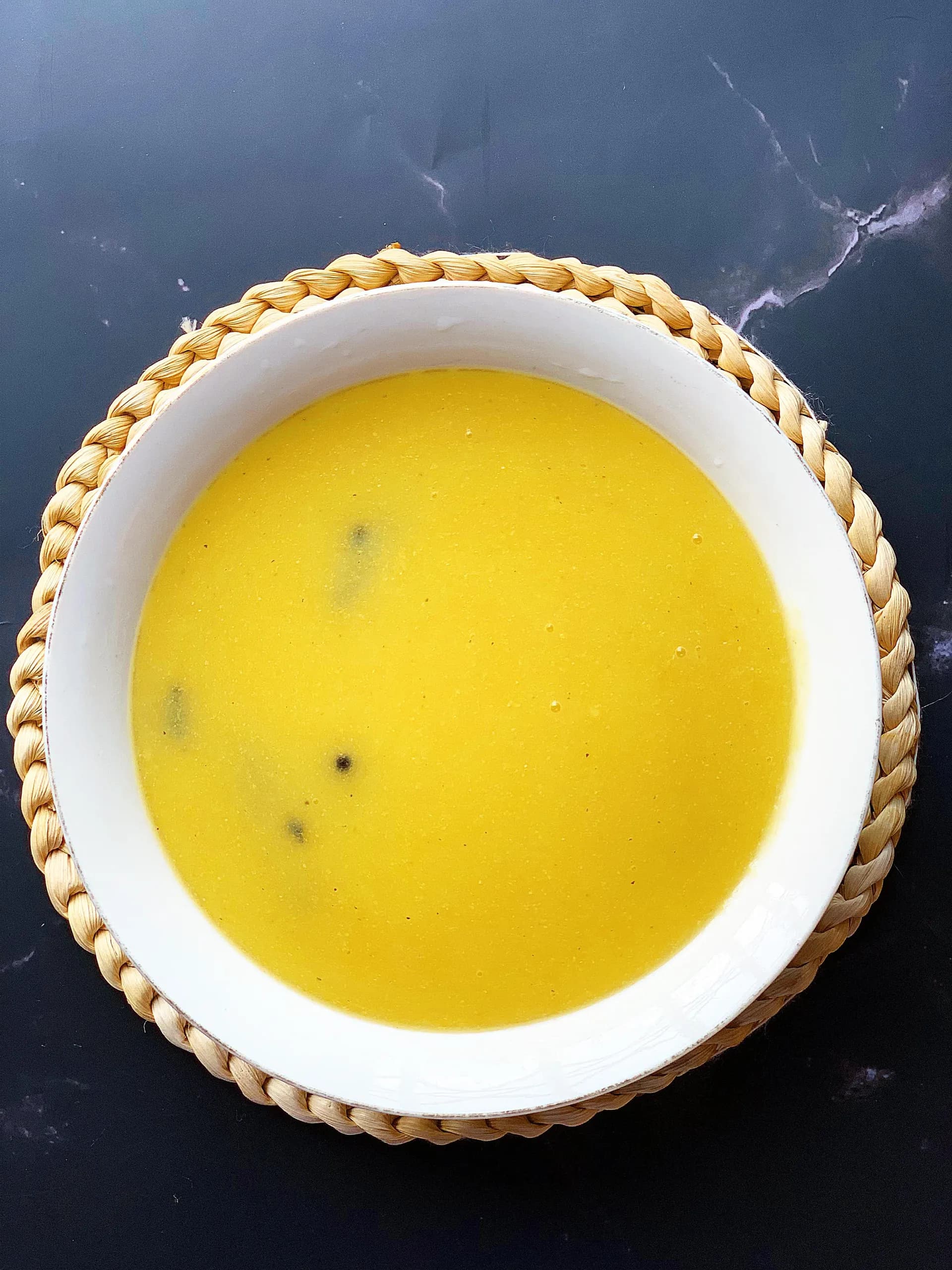
Corn dough porridge is a Ghanaian breakfast, particularly in the south, made from fermented corn dough thinned with water and cooked with grains of selim until thick. It is closely related to koko and to ogi across the border in Nigeria, all built on the same fermented maize.
Fermentation is what gives it its character. Corn is soaked, ground and left to sour for several days, which produces a distinctly tangy flavour and makes the grain easier to digest. Fermented corn dough is sold ready made at Ghanaian and Nigerian markets and grocers, in blocks or bags, and making it from scratch takes days rather than minutes.
Grains of selim, also called negro pepper or hwentia, is the spice that makes this Ghanaian rather than generic. It is a long dark pod with a smoky, slightly bitter, aromatic flavour, crushed into the water before the corn goes in. The other technique that matters is straining: the dough is slaked with water and passed through a strainer before it meets the heat, which is the only reliable way to avoid lumps. It is served hot with sugar, and often with milk, roasted nuts or coconut flakes.
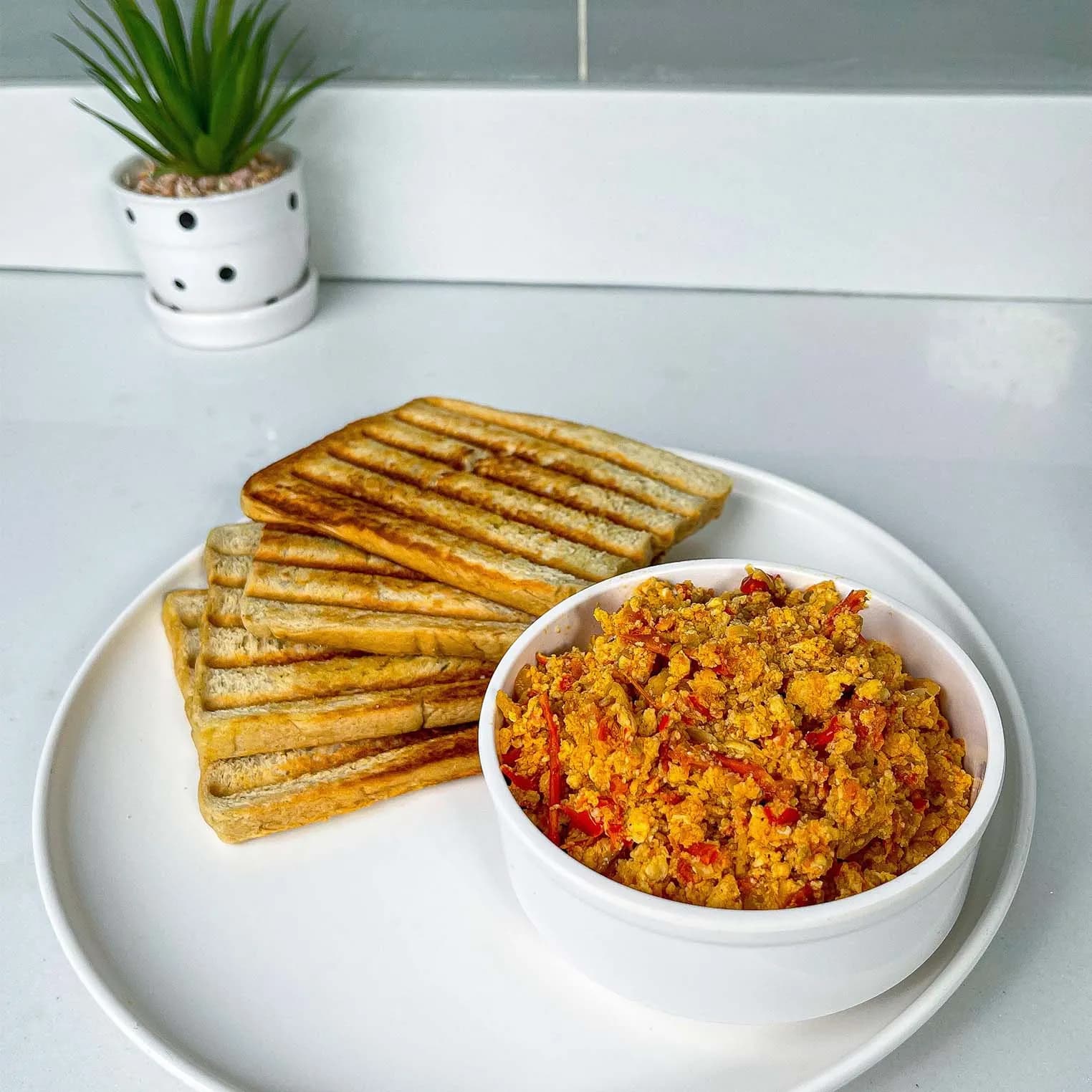
Egg sauce is a Nigerian breakfast staple: eggs cooked into a base of tomato, onion and scotch bonnet until scrambled through it. It is what plain yam is most often eaten with, and it is one of the fastest hot meals in the Nigerian repertoire.
What separates it from an omelette or from scrambled eggs is that the tomato base comes first. Onion and pepper are softened, tomatoes cooked down until they release their juices and soften, the seasoning goes in, and only then do the beaten eggs. The eggs are stirred through so the whole thing becomes one sauce rather than eggs with sauce on top.
Two ingredients in this version are worth noticing. Sesame oil in place of vegetable oil is unusual in a Nigerian kitchen and gives a distinctly nutty background, and curry powder alongside is a Nigerian habit rather than an Indian one. Both are the contributor's choices rather than the standard. Egg sauce is genuinely close to what is elsewhere called egg stew, and the two names are used for much the same dish across Nigeria and Ghana, with the difference usually being consistency rather than method.