

Nous utilisons des cookies essentiels au fonctionnement du site. Nous aimerions aussi déposer des cookies de mesure d’audience et des cookies publicitaires, uniquement avec votre accord. Vous pouvez choisir séparément pour chacun. Lire notre politique relative aux cookies

Loading
Recettes
Parcourez les archives par pays, par plat et par temps de cuisson.
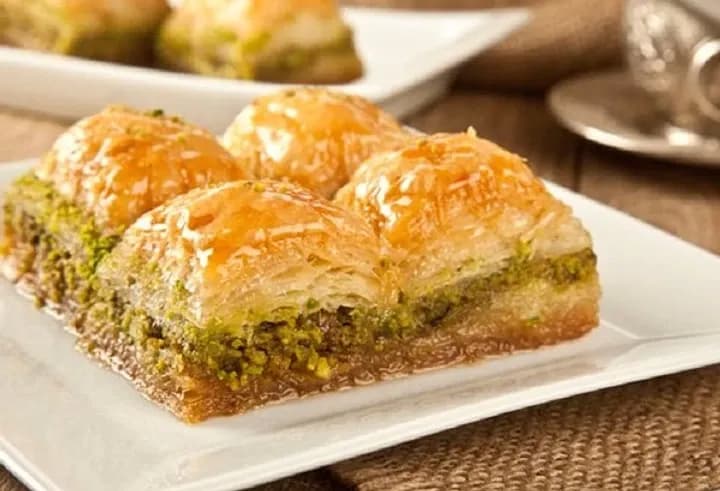
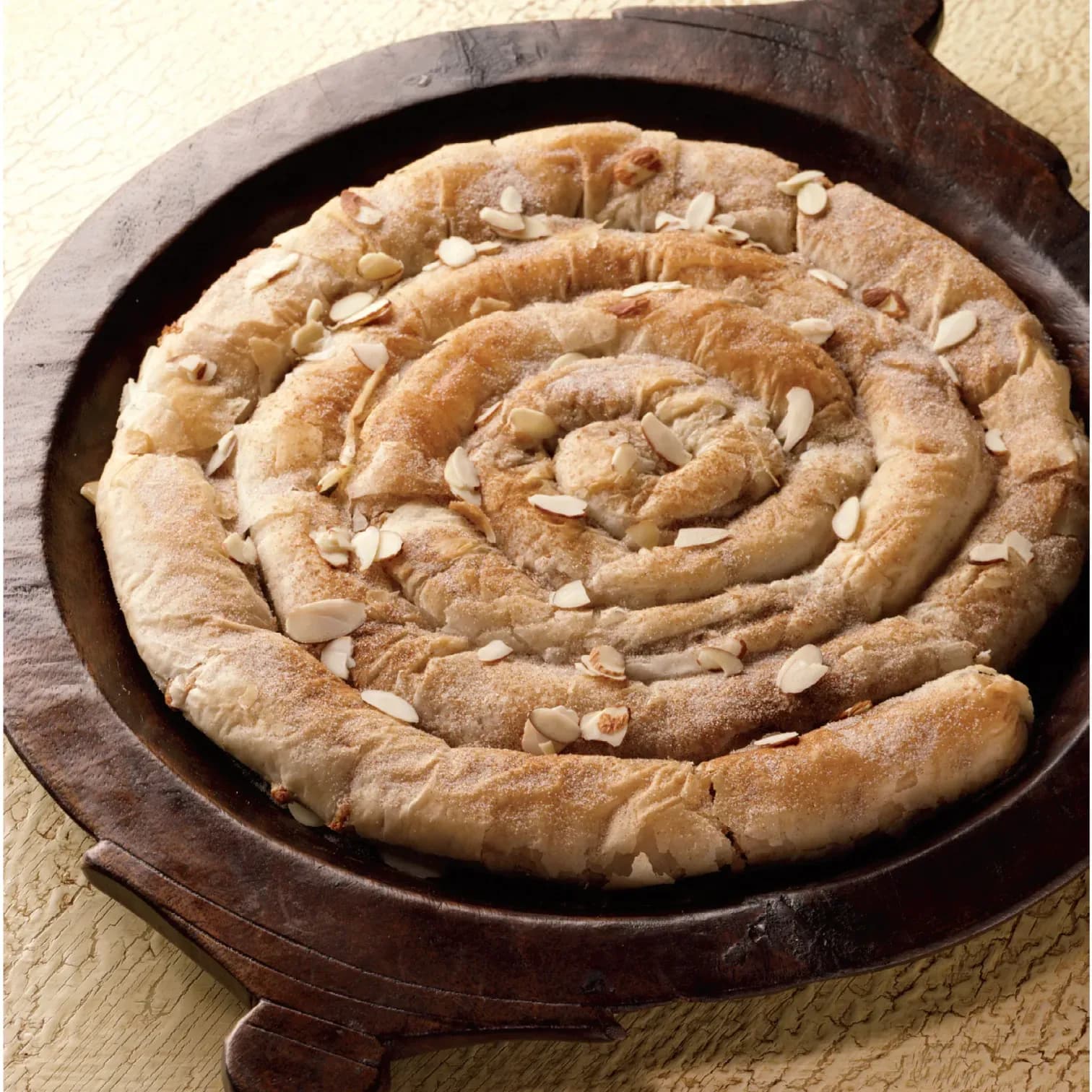
Pastilla is the Moroccan dish that most confounds people who meet it for the first time: shredded spiced poultry and toasted sweetened almonds, layered inside buttered pastry and dusted with icing sugar and cinnamon. Savoury and sweet are not separated but deliberately built into the same mouthful.
It is celebration food. Pastilla appears at weddings, at Eid, and when a household wants to demonstrate hospitality to a guest, and the effort involved is part of the message. Historically it was made with pigeon; chicken is now standard, and the shift is one of availability rather than taste.
The dish is known by both names. Bastila and pastilla are the same word under different regional pronunciations and are used interchangeably in Morocco. Its regional forms diverge considerably: Fes makes a lamb version, coastal Essaouira a seafood one with prawns and fish, and Atlas households work dried fruit in for extra sweetness.
Two notes on this particular version. Its ingredient list names both phyllo dough and filo sheets, which are the same thing under two spellings. And it gives no oven temperature, deferring to whatever is printed on the pastry packet. A hot oven is what the method needs, and the figure is given below. There are a lot of almonds here, which matters for anyone with a tree nut allergy.
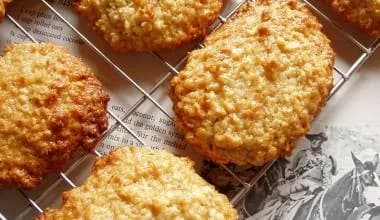
Ka'ak is a ring-shaped bread, crisp outside and soft within, scattered with sesame seeds. It is Libyan in this version, and made across a wide stretch of the Arabic-speaking world, Egypt, Iraq, Iran, Jordan, Lebanon, Palestine and Syria all have their own.
The shape is what defines it. Ka'ak is formed into a large ring, bigger and thinner than a bagel, which is why street vendors across the region can carry stacks of them on a pole or a cart. In Libya it is eaten at breakfast alongside hummus and falafel, and it comes in savoury and sweet versions.
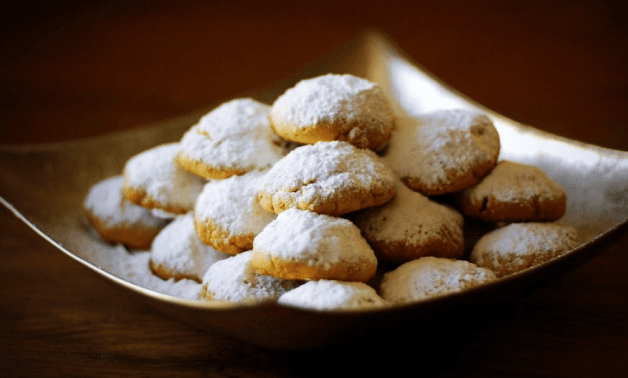
The name travels further than the shape does. Ka'ak, sometimes kahk or kahqa, covers a whole family of baked goods across the Arabic-speaking world, from this ring bread to the small filled Egyptian cookies eaten at Eid, which are a completely different thing. The word means something closer to "baked good" than to any specific item.
One technique in this recipe is worth borrowing for other breads. A tray of water is placed in the bottom of the oven while it heats, so the loaves bake in a steamy environment. Steam keeps the crust soft for the first minutes, letting the bread rise fully before the surface sets, and then produces a thin, crisp finish.
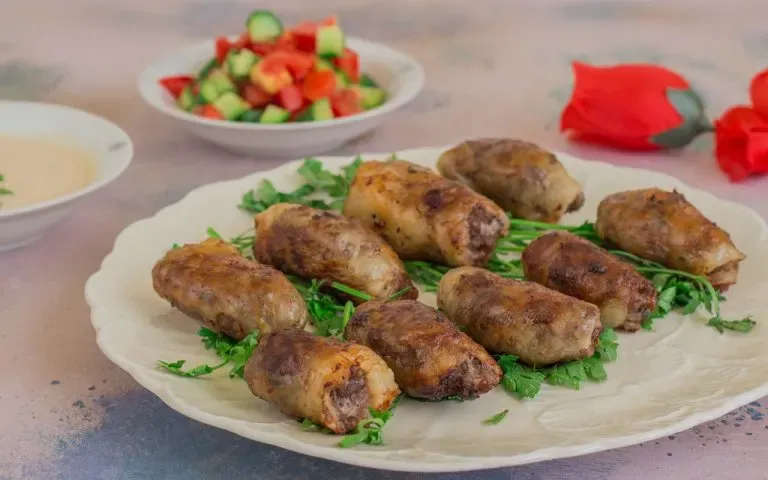
Tarb is kofta wrapped in caul fat and grilled, and the caul is what the dish is named for. Tarb is the Egyptian word for the lacy membrane of fat that surrounds a lamb's stomach, and wrapping seasoned minced lamb in it produces something that ordinary kofta cannot: the fat renders during cooking, bastes the meat from the outside in, and crisps to a golden shell.
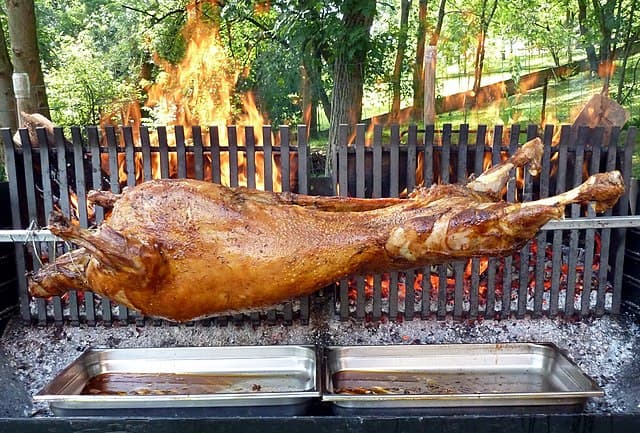
Its occasion is Eid al-Adha, the festival of sacrifice, and the connection is direct rather than customary. Eid al-Adha involves the slaughter of an animal and the distribution of its meat, and caul fat is one of the parts that becomes available when a whole lamb is broken down at home. A dish built on caul is a dish that belongs to the moment when a whole animal is being used, which is why tarb appears then and rarely otherwise.
Kofta itself runs across Egypt and the whole Middle East, minced meat with onion, parsley and spices, formed and grilled. Tarb is the version that takes it somewhere richer, and Egyptians treat it as a heavy dish for a family celebration rather than everyday food. It is found in the grilled meat restaurants that specialise in kofta, kebab and grilled chicken across Egypt, served with rice or pasta.
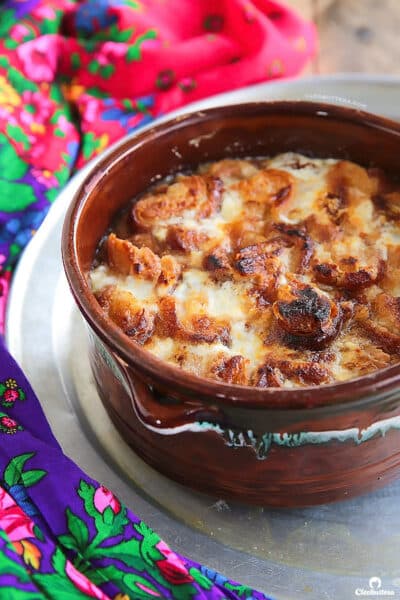
Om Ali is Egypt's most beloved dessert, a warm, sweet pudding made from torn pieces of puff pastry or bread baked in sweetened milk with nuts, coconut, and raisins until golden and bubbling. It sits somewhere between a bread pudding and a milk-soaked pastry and manages to be simultaneously comforting and festive. The dish is a fixture of Egyptian restaurants, home celebrations, and Ramadan gatherings, where it is often served in communal baking dishes at the end of a large meal. Despite its simplicity, Om Ali manages to taste luxurious, the puff pastry creates layered, crispy edges while the centre remains soft and creamy with the absorbed milk.