Nous utilisons des cookies essentiels au fonctionnement du site. Nous aimerions aussi déposer des cookies de mesure d’audience et des cookies publicitaires, uniquement avec votre accord. Vous pouvez choisir séparément pour chacun. Lire notre politique relative aux cookies
Loading
Recettes
Parcourez les archives par pays, par plat et par temps de cuisson.
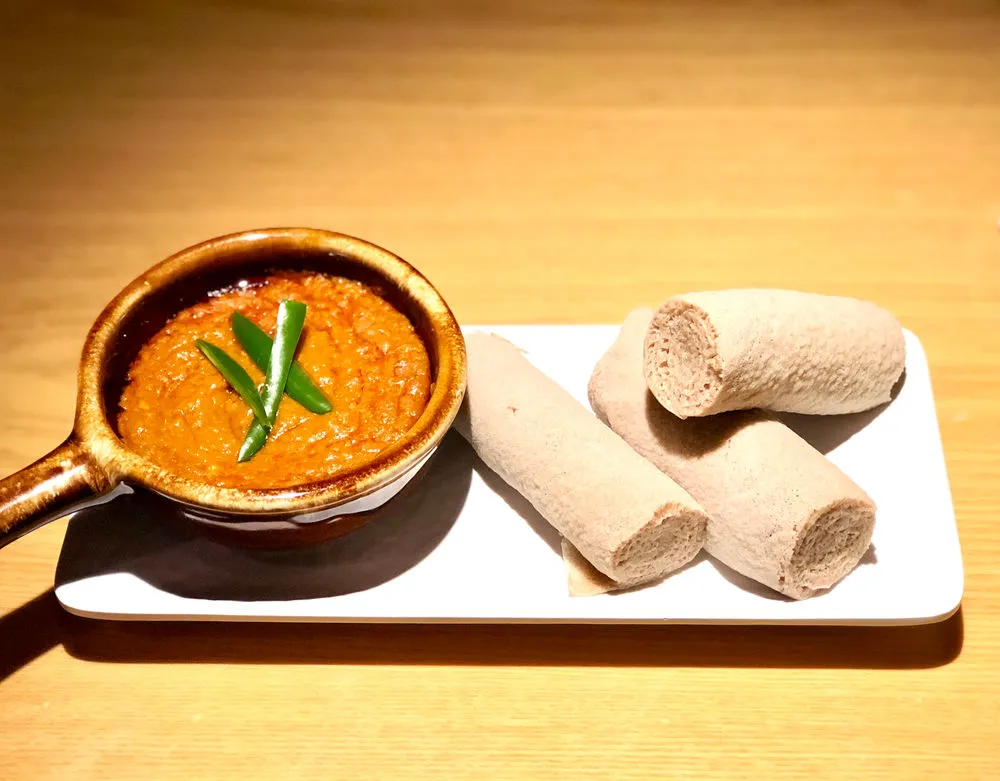
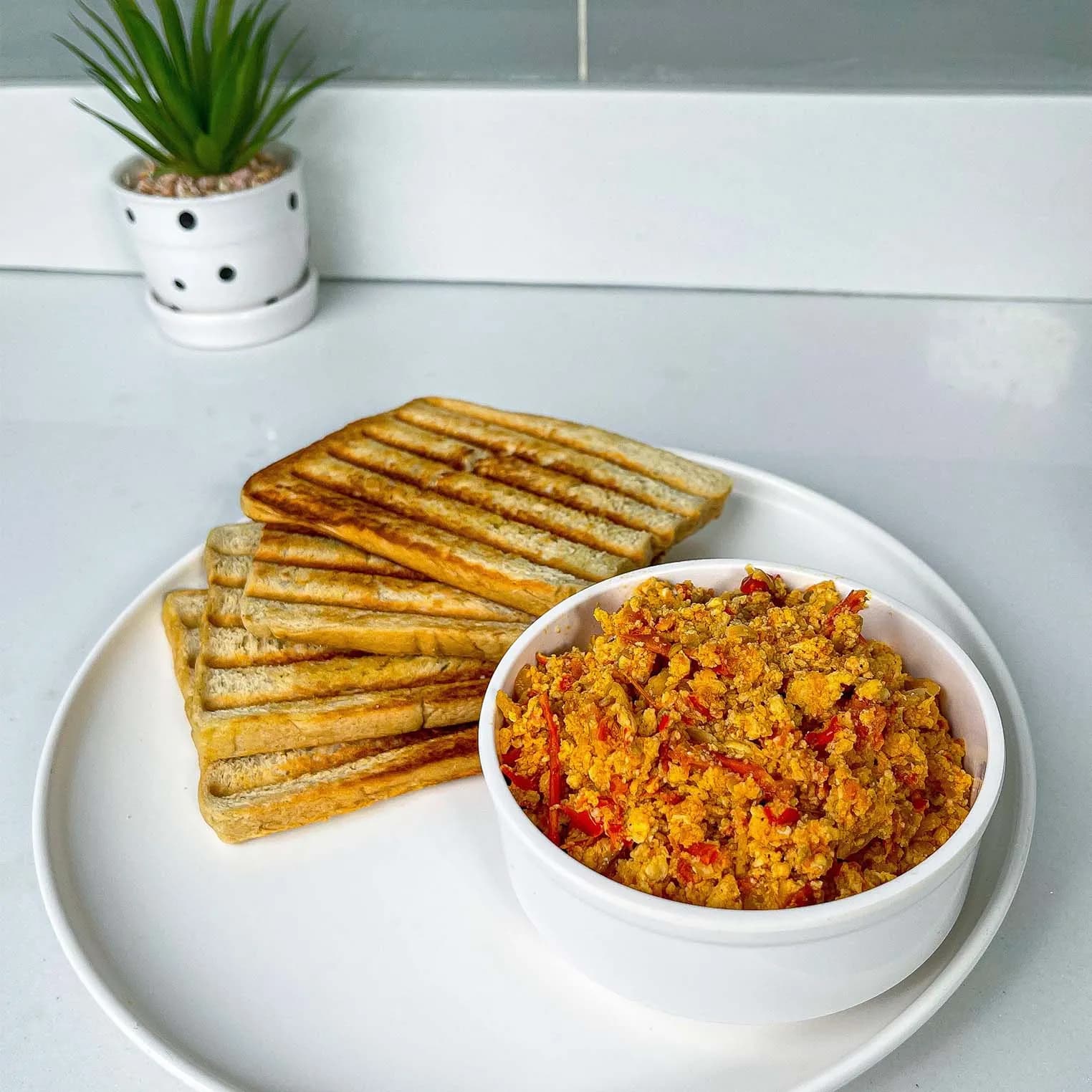
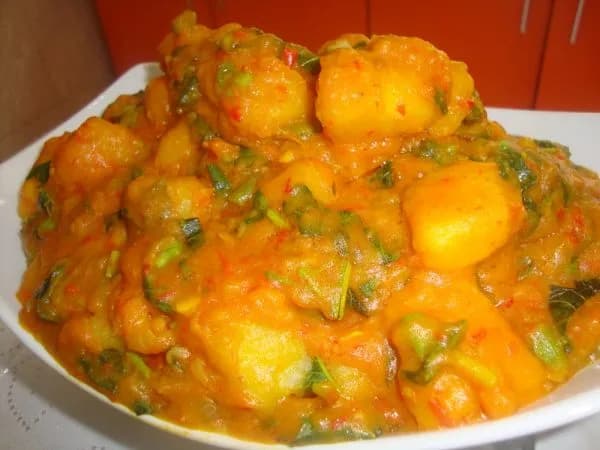
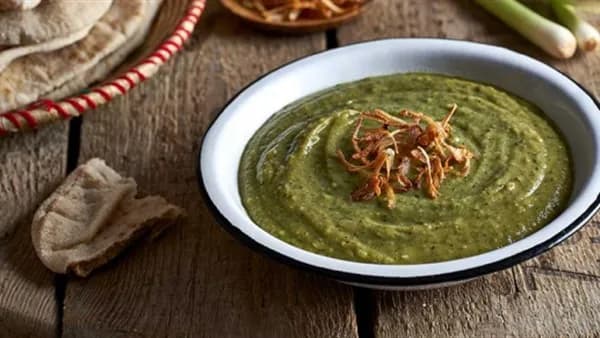
Shiro wat is ground chickpea stew, and it is among the most eaten dishes in Ethiopia and Eritrea. Onion, garlic, tomato and berbere are cooked down in oil, chickpea flour is whisked in, and the result thickens to something between a thick gravy and a puree, smooth enough to spread and eaten with injera.
Its position has a great deal to do with the religious calendar. Ethiopian Orthodox practice includes a very large number of fasting days, on which no meat, eggs or dairy are eaten, and shiro contains none of them. It is standard on Wednesdays and Fridays, through the eight weeks of Tsom, the Great Lent, and it is eaten during Ramadan by Ethiopian and Eritrean Muslims too. That is a dish serving two religions in one country without modification.
It is also cheap and quick, which explains the rest of its reach. Shiro powder, sold ready mixed with the spices already in it, is available across Ethiopia and increasingly abroad, in two kinds: mitten shiro, which is red and carries berbere, and netch shiro, which is white and mild. The dish takes different forms by consistency and name: shiro fessess is runny and served over injera with chillies, shiro tegamino is thick and cooked in an earthenware pot until it bubbles and caramelises at the base, and shiro fit fit shreds injera through it for breakfast.
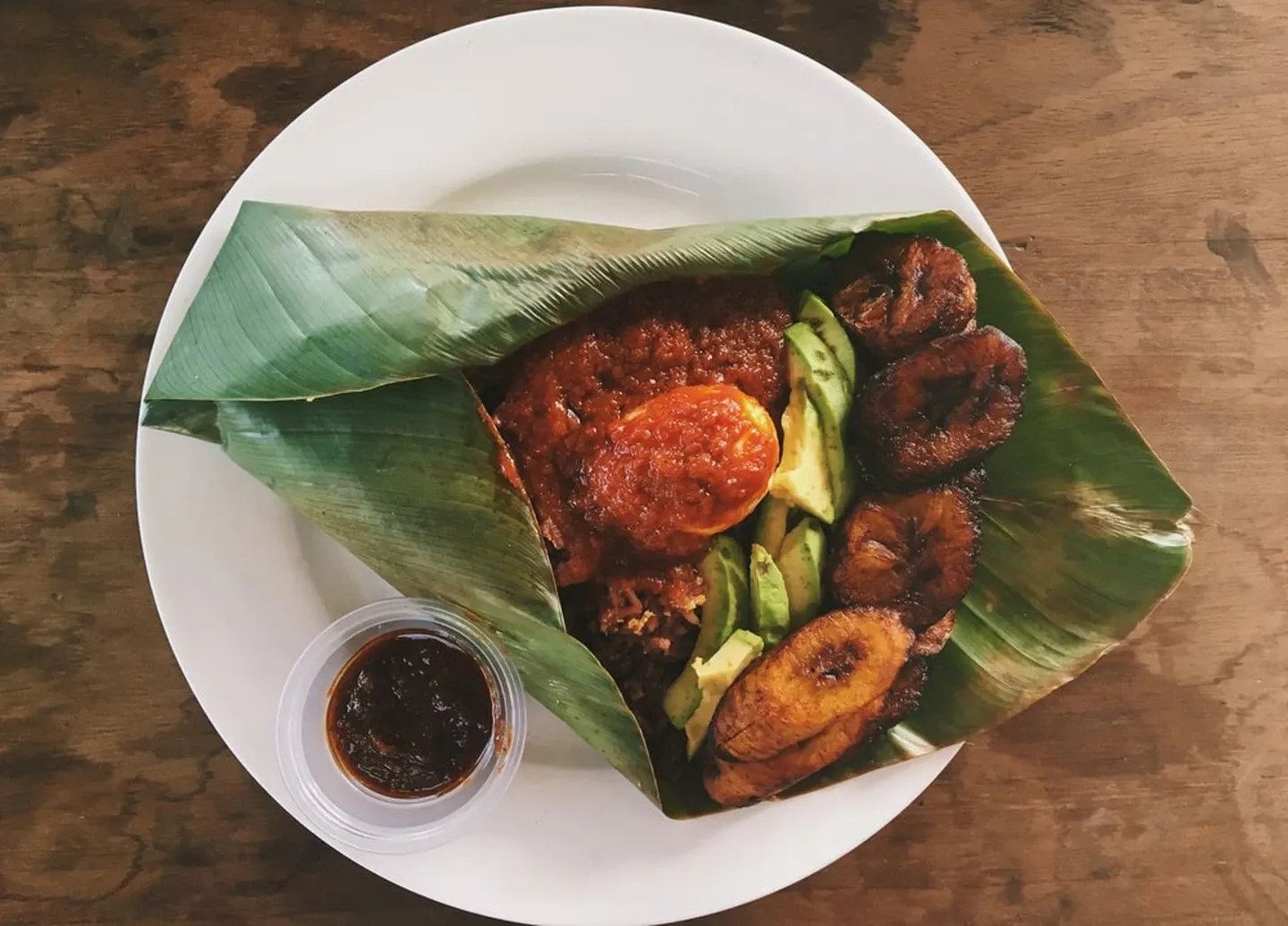
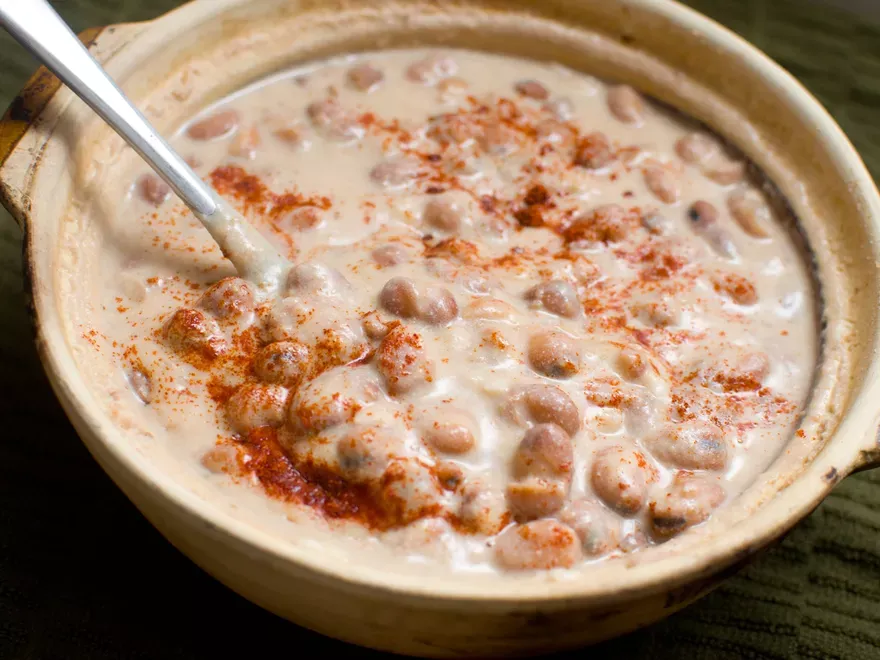
Waakye is rice and beans cooked together with dried millet or sorghum stalk leaves, which leach a deep reddish brown into the grain and give the dish both its colour and its name. It is Ghana's most loved street breakfast, and in Accra and Kumasi the waakye seller is a neighbourhood institution whose location is known, whose quality is debated and whose loyalty is genuinely held.
Sellers begin before dawn and often sell out by mid morning. The dish is bought wrapped in leaves and assembled to the customer's specification from a wide spread of accompaniments: shito, the dark Ghanaian pepper and fish sauce, gari, egg, spaghetti known as talia, fried plantain, avocado, salad, stew and fried fish or meat. A full waakye plate is substantial enough to carry someone through a working day, which is precisely what it is for.
The waakye leaf is the ingredient that cannot be substituted. It is the dried leaf sheath of a West African sorghum, called poporo oka in Yoruba and adako in Togo, and it functions as a colourant rather than a flavouring, with the quantity used determining how deep the colour runs. Black eyed beans are traditional and jasmine rice is the Ghanaian preference. The dish is eaten across West Africa under other names, as wanke in Lagos and ayimolou in Togo.
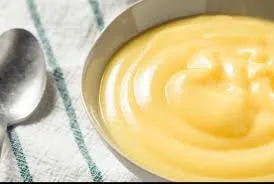
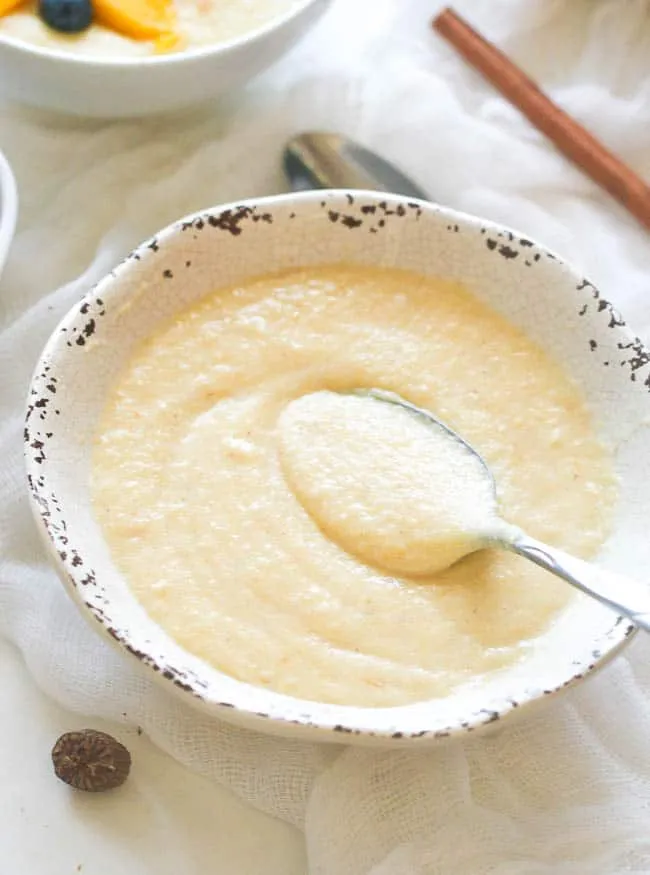
Ogi is fermented cereal porridge, sour, smooth and pale, and it is among the first things most Nigerians ever eat. It is called akamu in Igbo and pap in English, and it is made from maize, sorghum or millet steeped in water for up to three days, wet milled, sieved to remove the husks, and then fermented for several more days until it turns distinctly sour.
That sourness is the point and it is what separates ogi from any other cereal porridge. It also does real work: fermentation makes the grain more digestible and gives ogi a probiotic character, which is a large part of why it has been the standard weaning food for Nigerian infants for generations and why it is given to people who are unwell or recovering.
The same base goes in two directions. Thinned and cooked, it is the porridge eaten at breakfast with akara, moin moin, fried plantain or bread. Cooked much thicker and left to set, it becomes agidi or eko, sliced and eaten with pepper soup or stew. Across the region the names change without the thing changing much: koko in Ghana, uji in Kenya, where it is more often made from millet and sorghum. Three grains are used in Nigeria, and white corn, yellow corn and guinea corn each give a slightly different result.
The Nigerian egg roll is a whole hard cooked egg wrapped in a slightly sweet dough and deep fried, and it has nothing to do with the Chinese egg roll beyond the name. The closest comparison is a Scotch egg, with dough in place of sausage meat, and the resemblance ends at the structure.
It is street food and travel food. Egg rolls are sold from glass cases at bus stops, from hawkers' trays in traffic, and from the small kiosks that cluster around Lagos offices, and they exist because they solve a specific problem: something substantial, cheap and self contained that can be eaten with one hand in a stationary car. Anyone who has spent time in Lagos traffic understands the appeal without further explanation.
The dough is what makes it Nigerian rather than generic. Flour, baking powder, sugar, margarine and nutmeg produce something between a bread and a cake, faintly sweet against the plain salted egg inside, and that sweet and savoury combination is a Nigerian snack signature that also runs through buns, puff puff and chin chin. It is eaten with tea, fruit juice or chilled zobo, and it is substantial enough that people eat it as breakfast or lunch rather than as a snack.
Les mentions alimentaires sont fournies par les contributeurs à titre indicatif. Elles ne sont pas vérifiées par AFN et dépendent des produits que vous achetez. En cas d’allergie grave, vérifiez vous-même chaque ingrédient. Cuisine, allergies et votre propre jugement