Nous utilisons des cookies essentiels au fonctionnement du site. Nous aimerions aussi déposer des cookies de mesure d’audience et des cookies publicitaires, uniquement avec votre accord. Vous pouvez choisir séparément pour chacun. Lire notre politique relative aux cookies
Loading
Recettes
Parcourez les archives par pays, par plat et par temps de cuisson.
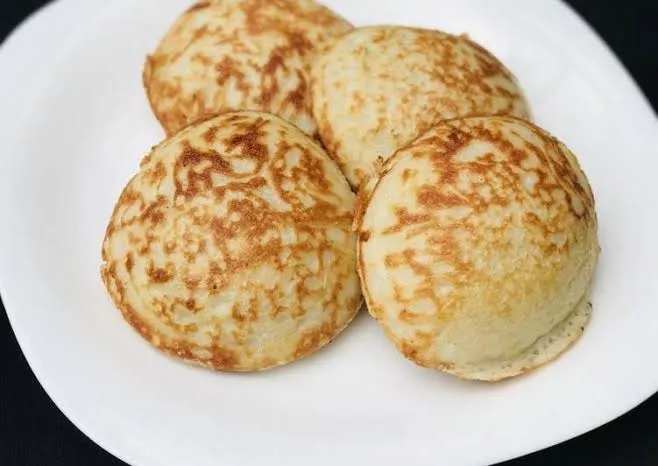
Masa, also called waina, is a fermented rice cake from the Hausa of Northern Nigeria: small, round, spongy underneath and browned on the surface, cooked in a dedicated pan with shallow round wells. It belongs to the Hausa, one of the largest ethnic groups in Africa, and it is among the dishes most closely identified with them.
The fermentation is what makes it. Rice is soaked, ground with cooked rice, and left to rise overnight, and the mild sourness that develops is what separates masa from any other rice pancake. The holes that open across the surface as it cooks are the visible evidence of that ferment, and a masa without them has not been left long enough.
It is breakfast food and snack food, sold from street stands and in markets across the north, and it appears at celebrations and family gatherings. What goes with it varies by household and by time of day: honey, groundnut oil, a peppery stew, or yaji, the same spice blend used on suya. Masa is a dish that has held its association with one people while spreading well beyond them, which is a fair description of how Hausa food generally has travelled through Nigeria.
Fried yam is called dundun in Yoruba, and it is one of the most eaten street foods in Nigeria. Yam is peeled, cut into thick chips, salted and fried until the outside crisps and the inside stays soft and floury. It is sold from roadside stands with a pepper sauce, and it is eaten at breakfast, at lunch and late at night.
Yam is the crop that Nigeria produces more of than anywhere else in the world, and dundun is the most direct thing to do with it. It costs almost nothing, needs three ingredients, and the frying takes minutes. That combination is what makes it street food: a vendor with a pot of oil and a sack of yam is in business.
Its usual partner is akara, the fried bean cake, and the pairing of dundun and akara with a ground pepper sauce is a standard Nigerian breakfast. It is also eaten with egg sauce, with fried fish, with stew, or on its own. The word dundun covers the fried treatment specifically, as distinct from the plain, pounded and porridge treatments of the same tuber, each of which occupies its own place on the Nigerian table.
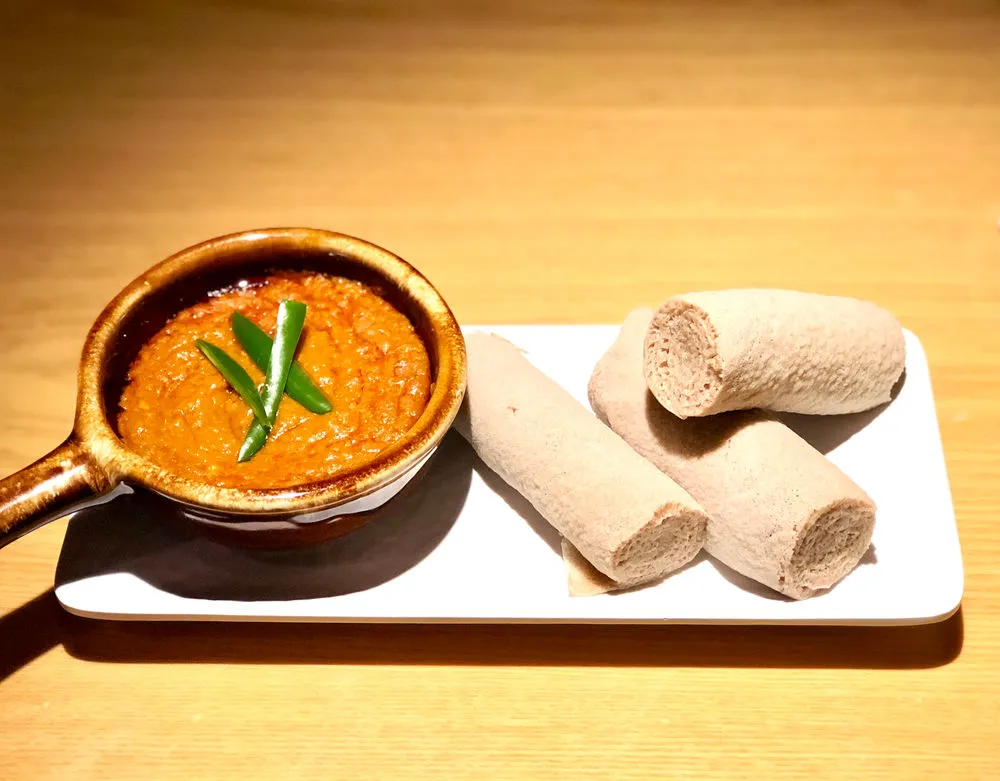
Shiro wat is ground chickpea stew, and it is among the most eaten dishes in Ethiopia and Eritrea. Onion, garlic, tomato and berbere are cooked down in oil, chickpea flour is whisked in, and the result thickens to something between a thick gravy and a puree, smooth enough to spread and eaten with injera.
Its position has a great deal to do with the religious calendar. Ethiopian Orthodox practice includes a very large number of fasting days, on which no meat, eggs or dairy are eaten, and shiro contains none of them. It is standard on Wednesdays and Fridays, through the eight weeks of Tsom, the Great Lent, and it is eaten during Ramadan by Ethiopian and Eritrean Muslims too. That is a dish serving two religions in one country without modification.
It is also cheap and quick, which explains the rest of its reach. Shiro powder, sold ready mixed with the spices already in it, is available across Ethiopia and increasingly abroad, in two kinds: mitten shiro, which is red and carries berbere, and netch shiro, which is white and mild. The dish takes different forms by consistency and name: shiro fessess is runny and served over injera with chillies, shiro tegamino is thick and cooked in an earthenware pot until it bubbles and caramelises at the base, and shiro fit fit shreds injera through it for breakfast.
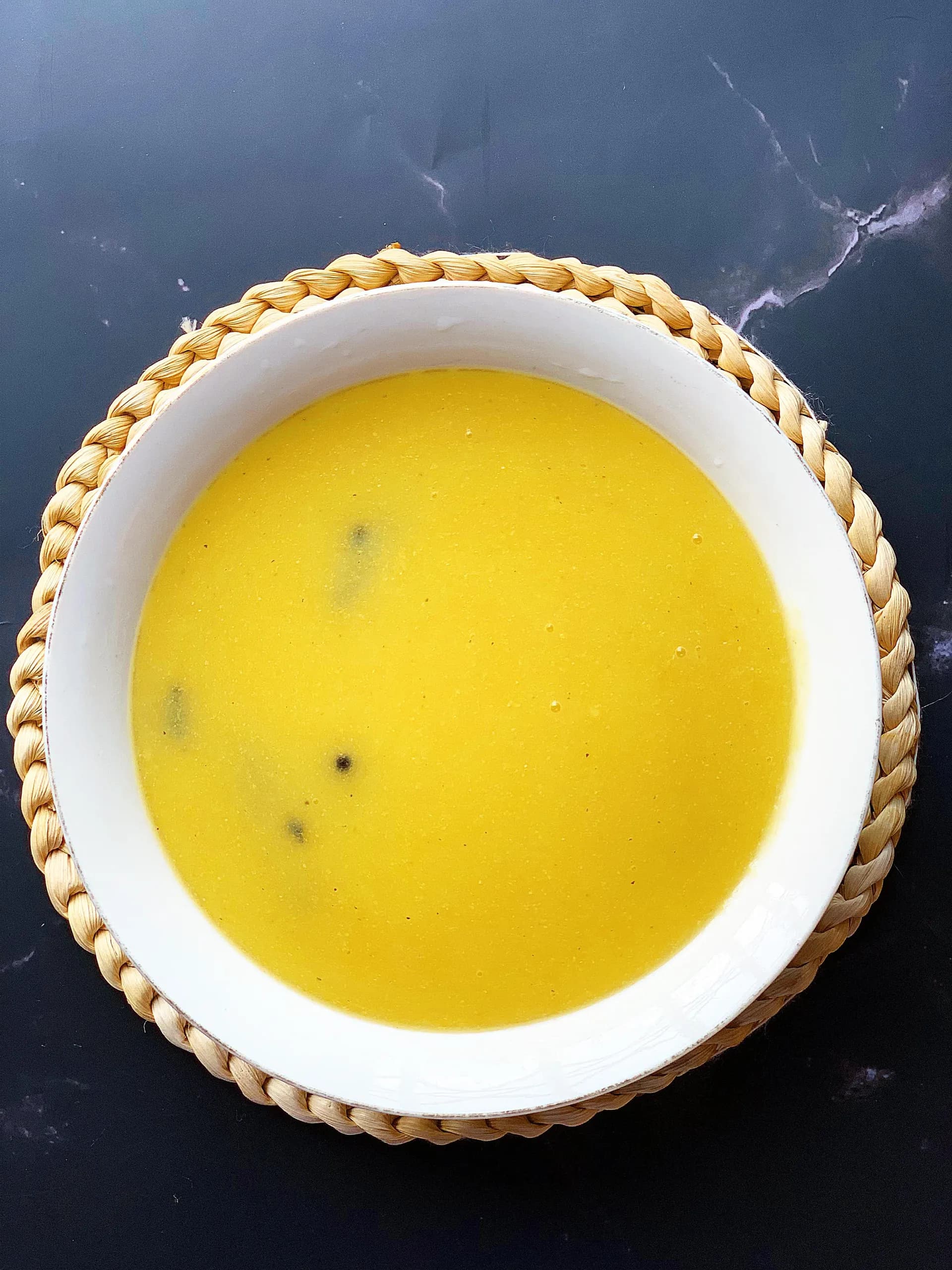
Corn dough porridge is a Ghanaian breakfast, particularly in the south, made from fermented corn dough thinned with water and cooked with grains of selim until thick. It is closely related to koko and to ogi across the border in Nigeria, all built on the same fermented maize.
Fermentation is what gives it its character. Corn is soaked, ground and left to sour for several days, which produces a distinctly tangy flavour and makes the grain easier to digest. Fermented corn dough is sold ready made at Ghanaian and Nigerian markets and grocers, in blocks or bags, and making it from scratch takes days rather than minutes.
Grains of selim, also called negro pepper or hwentia, is the spice that makes this Ghanaian rather than generic. It is a long dark pod with a smoky, slightly bitter, aromatic flavour, crushed into the water before the corn goes in. The other technique that matters is straining: the dough is slaked with water and passed through a strainer before it meets the heat, which is the only reliable way to avoid lumps. It is served hot with sugar, and often with milk, roasted nuts or coconut flakes.
Les mentions alimentaires sont fournies par les contributeurs à titre indicatif. Elles ne sont pas vérifiées par AFN et dépendent des produits que vous achetez. En cas d’allergie grave, vérifiez vous-même chaque ingrédient. Cuisine, allergies et votre propre jugement