Nous utilisons des cookies essentiels au fonctionnement du site. Nous aimerions aussi déposer des cookies de mesure d’audience et des cookies publicitaires, uniquement avec votre accord. Vous pouvez choisir séparément pour chacun. Lire notre politique relative aux cookies

Loading
Recettes
Parcourez les archives par pays, par plat et par temps de cuisson.
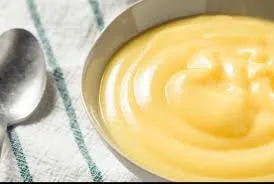
Ogi is fermented cereal porridge, sour, smooth and pale, and it is among the first things most Nigerians ever eat. It is called akamu in Igbo and pap in English, and it is made from maize, sorghum or millet steeped in water for up to three days, wet milled, sieved to remove the husks, and then fermented for several more days until it turns distinctly sour.
That sourness is the point and it is what separates ogi from any other cereal porridge. It also does real work: fermentation makes the grain more digestible and gives ogi a probiotic character, which is a large part of why it has been the standard weaning food for Nigerian infants for generations and why it is given to people who are unwell or recovering.
The same base goes in two directions. Thinned and cooked, it is the porridge eaten at breakfast with akara, moin moin, fried plantain or bread. Cooked much thicker and left to set, it becomes agidi or eko, sliced and eaten with pepper soup or stew. Across the region the names change without the thing changing much: koko in Ghana, uji in Kenya, where it is more often made from millet and sorghum. Three grains are used in Nigeria, and white corn, yellow corn and guinea corn each give a slightly different result.
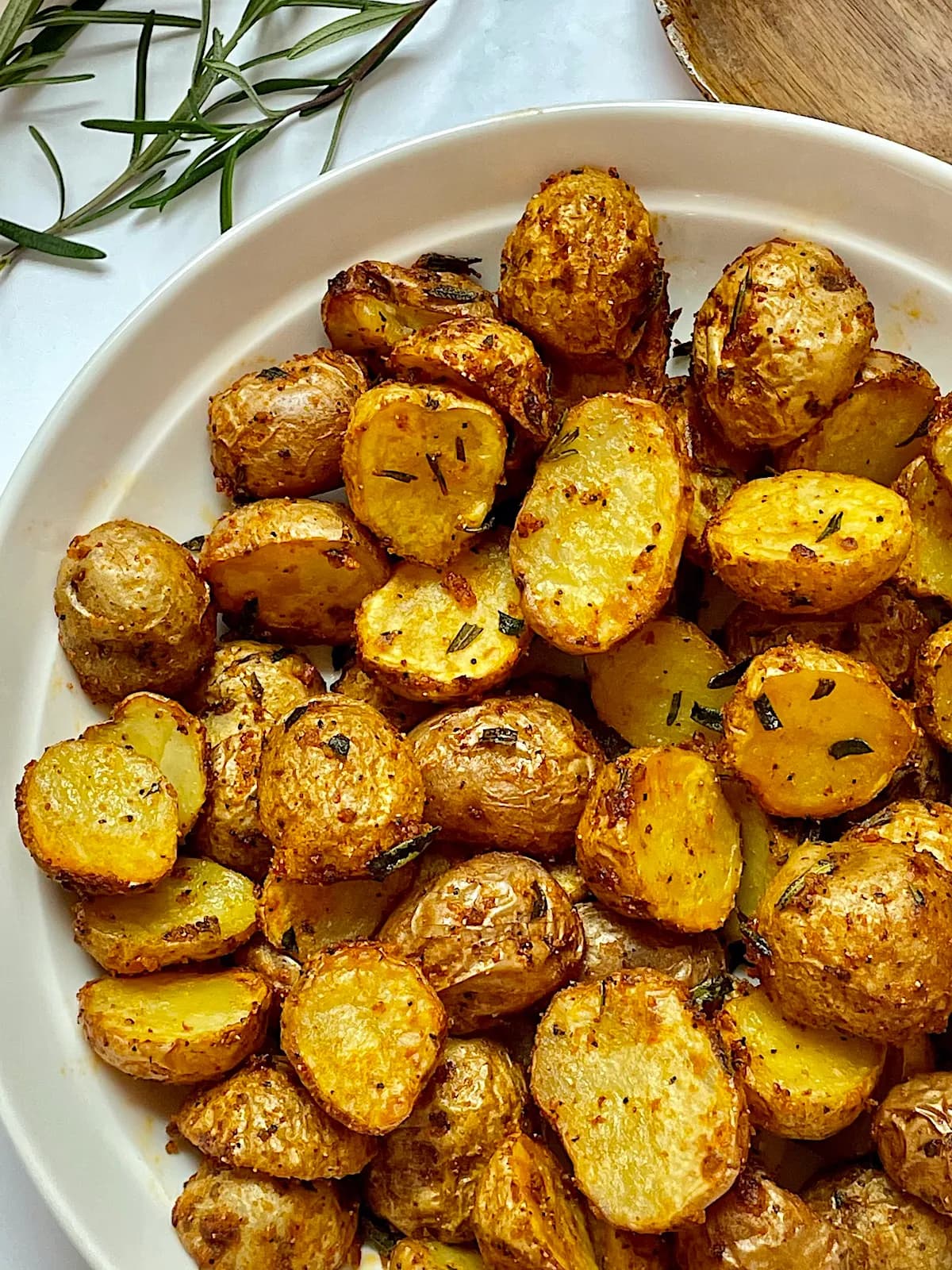
Baby potatoes tossed in olive oil, garlic powder and paprika and cooked in an air fryer until crisp outside and soft inside. There is no country attached to this and none is implied: it is a modern appliance recipe of the kind that exists in every cuisine that has adopted the air fryer.
It sits in Worldwide Recipes for that reason. Nothing about the seasoning, the technique or the ingredients points to any tradition. Paprika, garlic powder and rosemary is a broadly Western profile, and the air fryer itself is a domestic appliance of the last fifteen years.
African potato dishes exist and are quite different. Chtitha batata is the Algerian potato stew built on dersa, a garlic and chilli paste. Maakouda is the Moroccan fried potato cake. Irio is the Kenyan potato, pea and corn mash. Each has a name and a place. This is a good side dish and it is honestly labelled as what it is. One practical note: the source states a cook time of ten minutes and its own method says twenty to twenty-five, which is what the timing here follows.
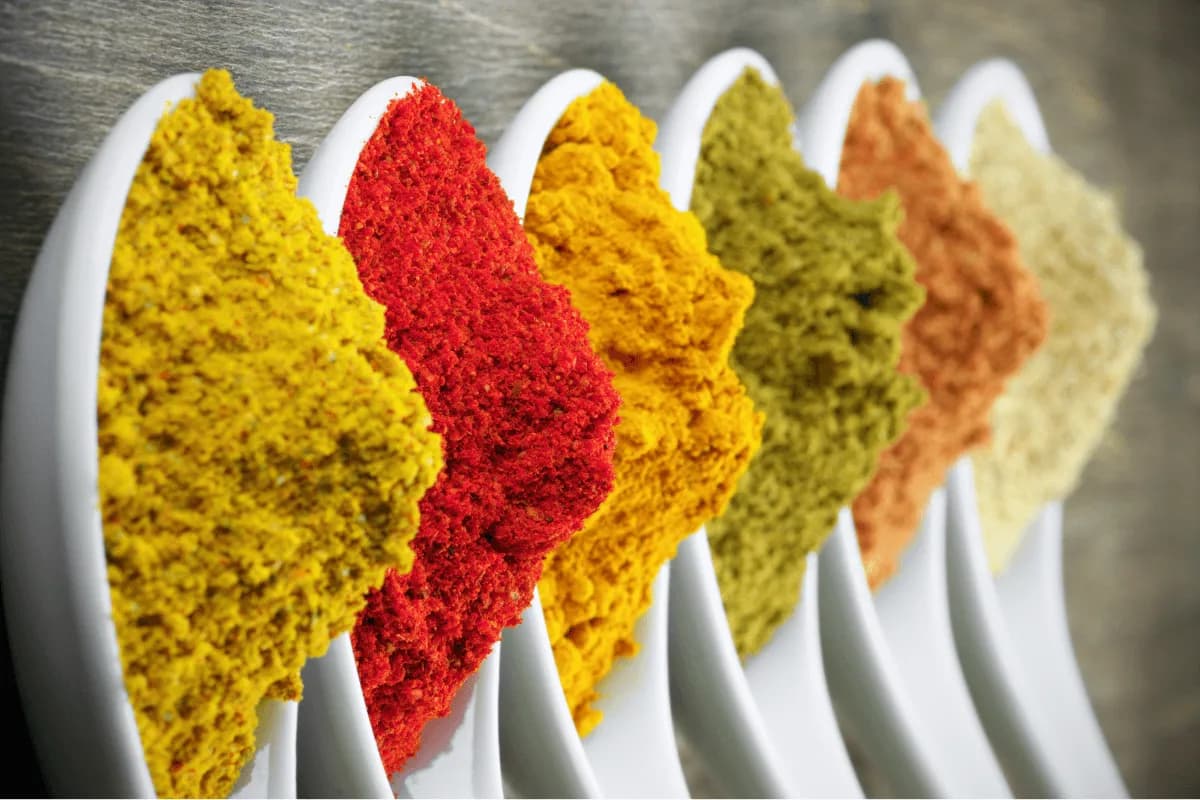
This is a dry spice rub for fish, and it belongs to no particular cuisine. Paprika, thyme, oregano, garlic powder, onion powder, salt, black pepper and cayenne is a broadly Western seasoning profile, and the source claims no country for it.
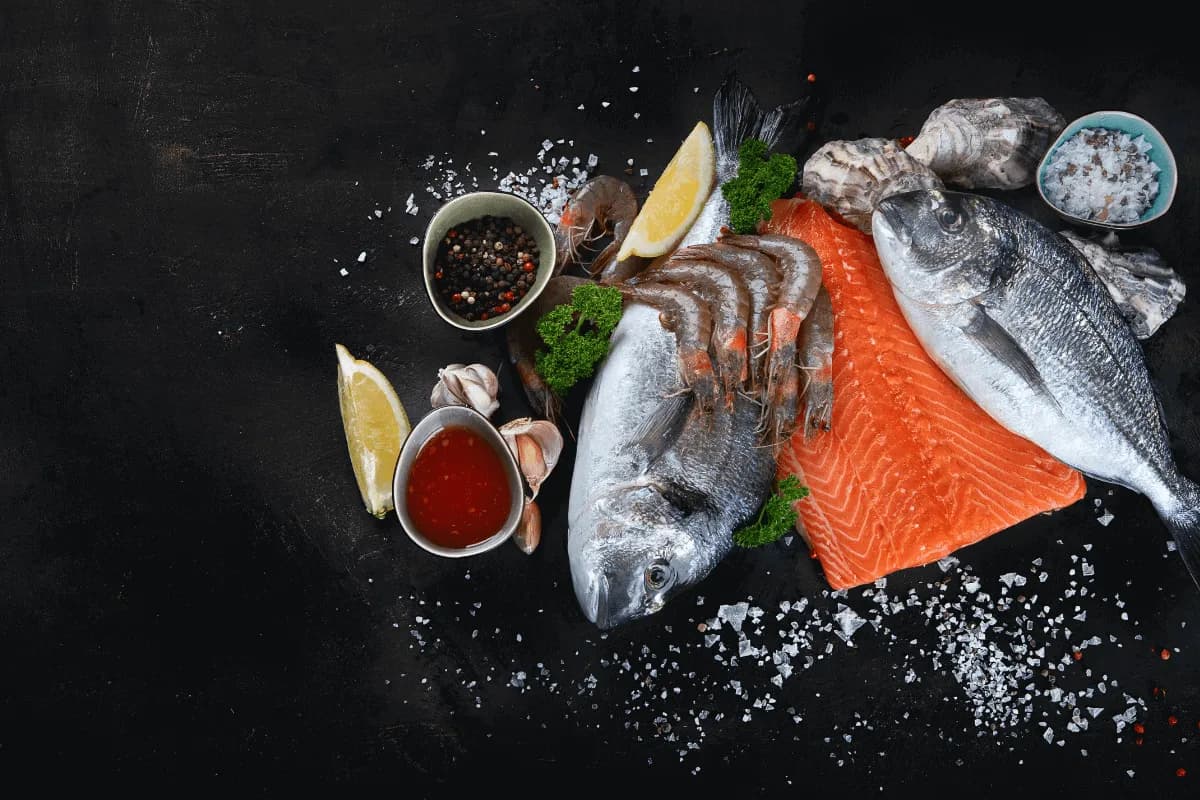
That is worth stating plainly on a platform documenting African food, because Africa has a great many specific fish seasonings that this is not. Nigerian fish is seasoned with blended pepper, ginger and stock cubes. Senegalese fish carries rof, a stuffing of parsley, garlic and chilli pushed into slashes in the flesh. Moroccan fish is marinated in chermoula, built on coriander, cumin, paprika and preserved lemon. Any of those would be the regional answer to the question this recipe is asking.
What is here is a competent all purpose blend, useful for grilling, baking or pan frying, and it keeps for months in a sealed jar. It is filed under Worldwide Recipes rather than presented as African, since inventing a heritage for a paprika and oregano rub would be exactly the kind of claim this archive should not make.
A dry rub for chicken: thyme, cayenne, cumin, paprika, garlic powder, black pepper, oregano, onion powder and salt. It carries no country and it is a broadly Western blend, the direct counterpart to the fish seasoning already in this collection.
That is worth saying plainly on a platform documenting African food, because Africa has a great many chicken seasonings that this is not. Nigerian suya spice, yaji, is built on ground peanuts with paprika, cayenne and ginger. Ethiopian berbere combines chilli with cardamom, fenugreek and rue. Moroccan ras el hanout can run to a dozen or more spices. Peri peri from Mozambique and Angola leads with African bird's eye chilli and lemon. Any of those would be the regional answer.
What is here is a competent all-purpose rub, useful for roasting, grilling or frying, and it keeps for months in a sealed jar. It is filed under Worldwide Recipes rather than presented as African. One practical note the source makes and is right about: the salt is adjustable and can be left out entirely, which is worth doing if you are also using a seasoning cube or a brine, since both already carry a great deal.
Les mentions alimentaires sont fournies par les contributeurs à titre indicatif. Elles ne sont pas vérifiées par AFN et dépendent des produits que vous achetez. En cas d’allergie grave, vérifiez vous-même chaque ingrédient. Cuisine, allergies et votre propre jugement