Nous utilisons des cookies essentiels au fonctionnement du site. Nous aimerions aussi déposer des cookies de mesure d’audience et des cookies publicitaires, uniquement avec votre accord. Vous pouvez choisir séparément pour chacun. Lire notre politique relative aux cookies
Loading
Recettes
Parcourez les archives par pays, par plat et par temps de cuisson.
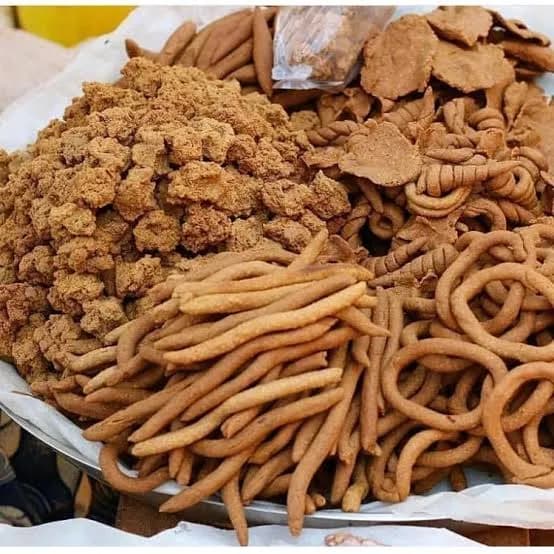
Kuli kuli is a peanut snack eaten across Nigeria, Benin, northern Cameroon and Ghana, and it is one of the most widely recognised street foods in West Africa. It is made from peanuts alone, and the technique is what makes it: the oil is deliberately pressed out of the ground paste before the remaining solids are shaped and fried.
That extraction is the point. Removing the oil leaves a dense, dry paste that fries into something genuinely crunchy rather than soft, and it also produces the frying oil as a by-product, so nothing is wasted. It is a piece of processing knowledge that predates industrial oil pressing and is still done by hand in Hausa communities in northern Nigeria, where the snack has its strongest association.
It takes different shapes in different places: small sticks, rings, flat discs and irregular pieces are all standard, and the form varies by region and by seller. English names for it, groundnut cake and peanut snack among them, are approximations rather than translations. Kuli kuli is eaten on its own, mixed into garri with sugar and water, crumbled over salad, or served alongside fura and koko. Crushed to a powder it becomes the peanut component of suya spice, which is where most people outside the region encounter it without knowing.
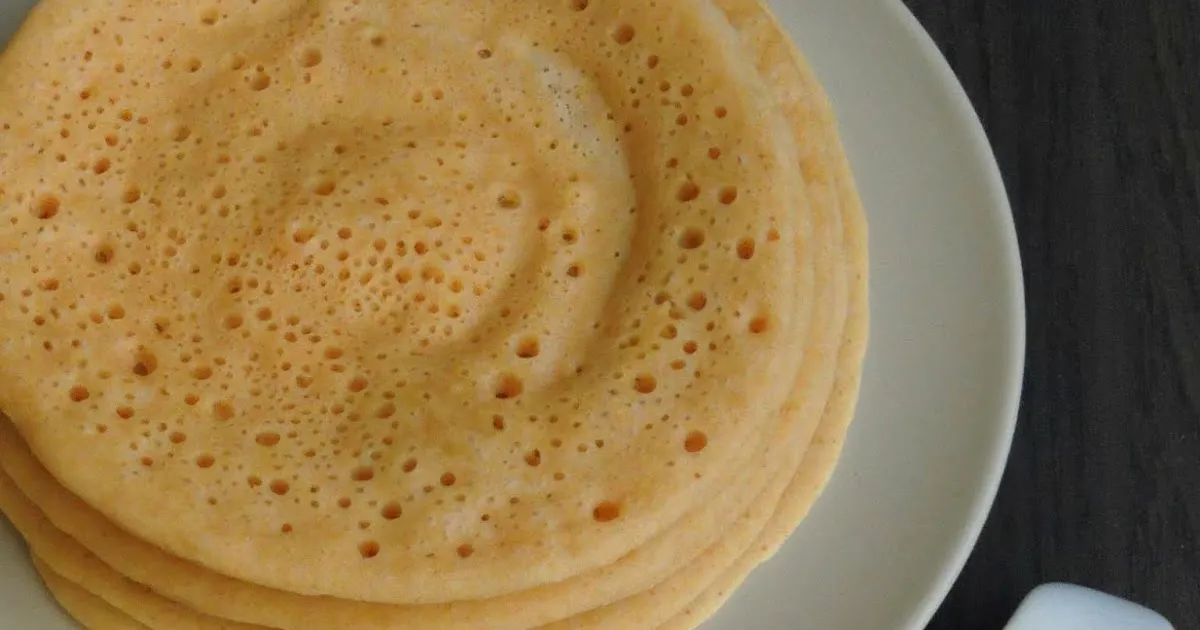
Alkubus is a Hausa steamed wheat bread from Northern Nigeria, plain by design and made to be eaten with something else. It is soft, faintly sour from the yeast, and it holds its shape well enough to be cut into rounds or wedges.
Its role on the plate is the role bread plays across the north: the thing that carries the soup. Alkubus is eaten most often with miyan taushe, the pumpkin and groundnut soup, and it also goes with agushi soup, vegetable soup, cabbage stew or a plain tomato sauce. That pairing with miyan taushe is the one Northern Nigerians name first.
There are two ways to make it and they produce different things. Baked in a greased pan and topped with carrot and onion, it is a loaf to be cut and eaten in slices. Portioned into wrappers and steamed over boiling water, it comes out softer and denser, closer to a dumpling, and that is the method the recipe here follows. Steaming rather than baking runs through a great deal of Hausa cooking, from dambu to danwake to masa, and alkubus belongs to that family more than it does to any oven tradition.
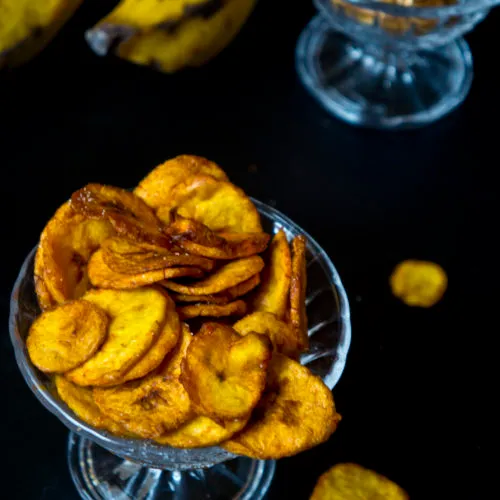
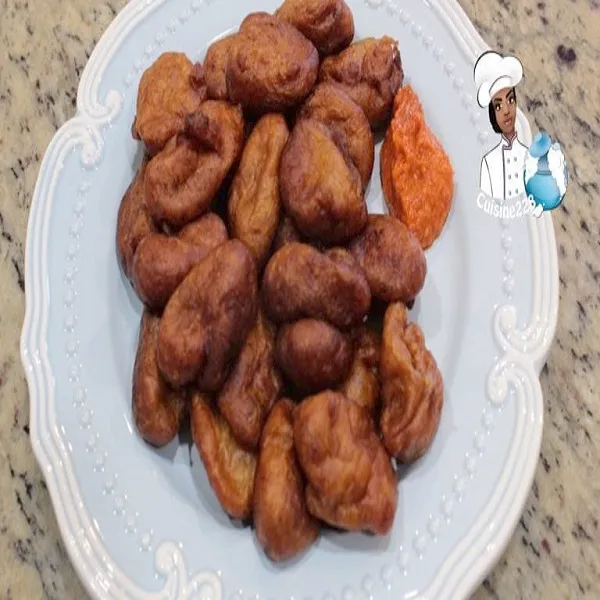
Klako, also written krakro, is a West African fritter made from mashed ripe plantain, and it is the plantain rather than the banana that matters. Ripe plantain has the sweetness and the starch to hold a fritter together; ordinary banana turns to liquid. The recipe here is savoury, seasoned with ginger, garlic, paprika and cayenne, which is the version most commonly eaten across Côte d'Ivoire, Togo and Ghana.
That savoury treatment is worth stating clearly, because the sweet version is what most people expect from anything called a banana fritter. Both exist. Sweet versions with sugar, egg and milk are made across the region and across the Caribbean, and the two have travelled together, which is no accident: the same cooking crossed the Atlantic with enslaved West Africans, and Caribbean banana fritters are a direct relation rather than a coincidence.
Plantain is abundant across the humid West African belt and very little of it is wasted. Fritters are one of several answers to fruit that has ripened past the point of frying in slices, alongside kelewele, the spiced fried plantain cubes of Ghana, and the many plantain and flour combinations across the region. They are made at home, sold at roadside stands, and eaten hot with the fingers, which is when they are at their best.
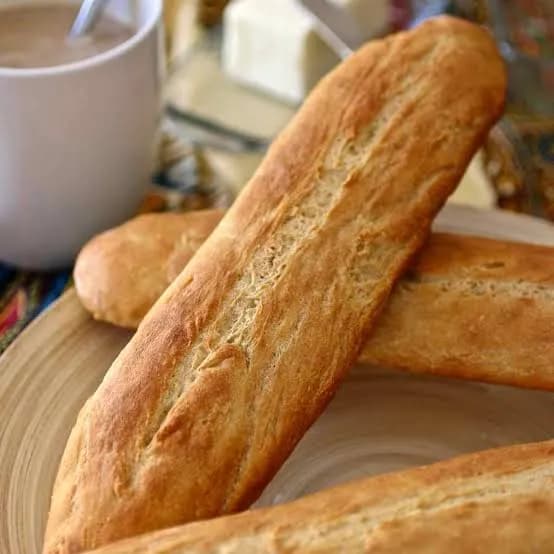
Tapalapa is a West African bread: a dense, chewy loaf with a firm crust, baked long and scored across the top, and sold from roadside ovens and small bakeries rather than from supermarkets. It is bought fresh in the morning, torn rather than sliced, and eaten with whatever the household has.
Its role is that of daily bread in the most literal sense. In the countries where it is baked, the tapalapa loaf is a breakfast item, split and filled with beans, egg, fried fish or a spread, and it is also what appears alongside a stew at other times of day. Baked in a wood fired oven, which is how most of it is still produced, it takes on a crust and a faint smokiness that a domestic oven does not reproduce.
The bread belongs to a wider West African tradition of European style leavened loaves that were absorbed into local baking and then developed independently, arriving somewhere quite distinct from any European original. Tapalapa is denser and chewier than a baguette, keeps considerably better, and is built to hold a filling without collapsing. The countries of the region that bake it treat it as their own, and the question of exactly where it began is not settled.
Les mentions alimentaires sont fournies par les contributeurs à titre indicatif. Elles ne sont pas vérifiées par AFN et dépendent des produits que vous achetez. En cas d’allergie grave, vérifiez vous-même chaque ingrédient. Cuisine, allergies et votre propre jugement