Nous utilisons des cookies essentiels au fonctionnement du site. Nous aimerions aussi déposer des cookies de mesure d’audience et des cookies publicitaires, uniquement avec votre accord. Vous pouvez choisir séparément pour chacun. Lire notre politique relative aux cookies
Loading
Recettes
Parcourez les archives par pays, par plat et par temps de cuisson.
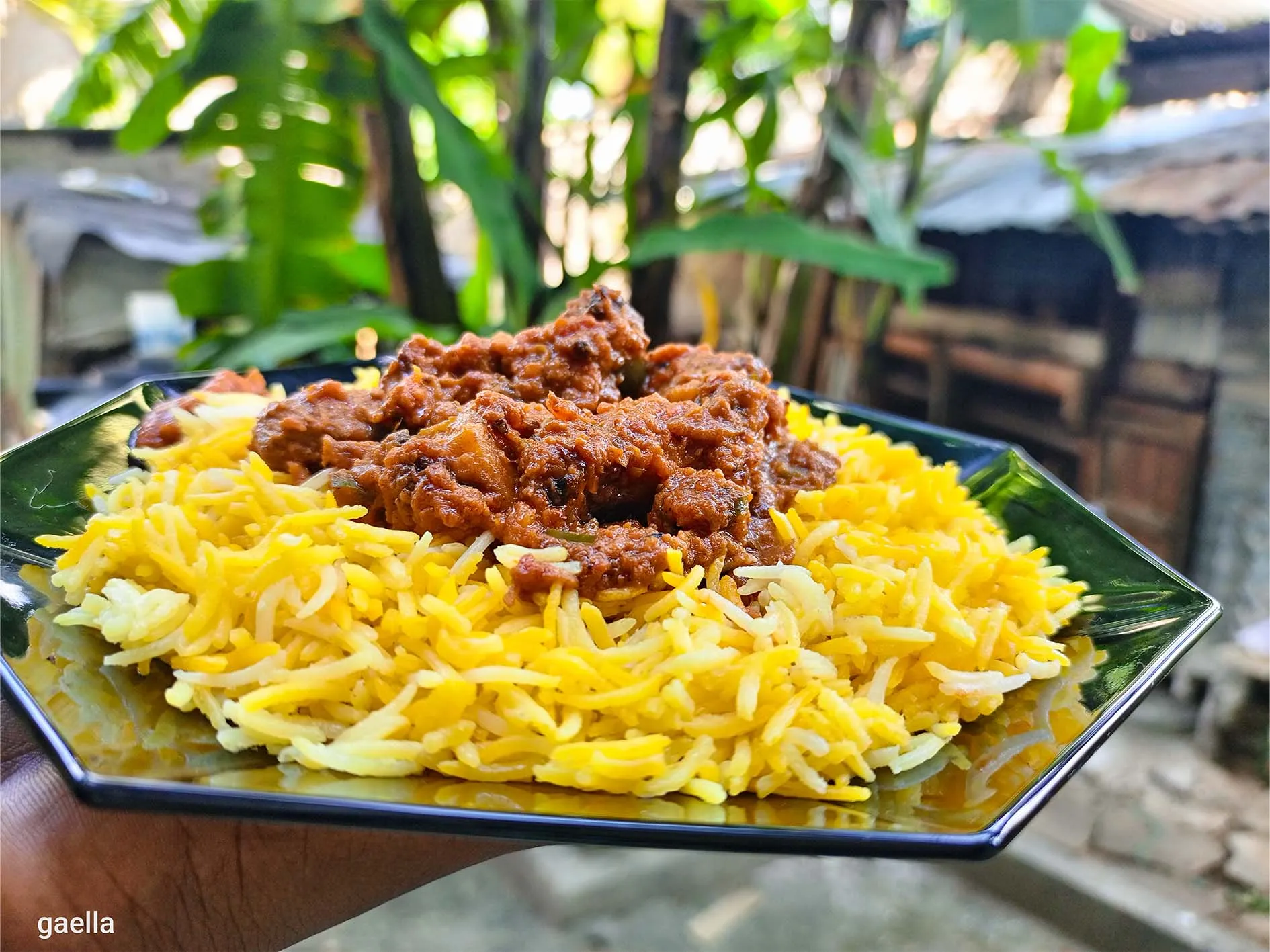
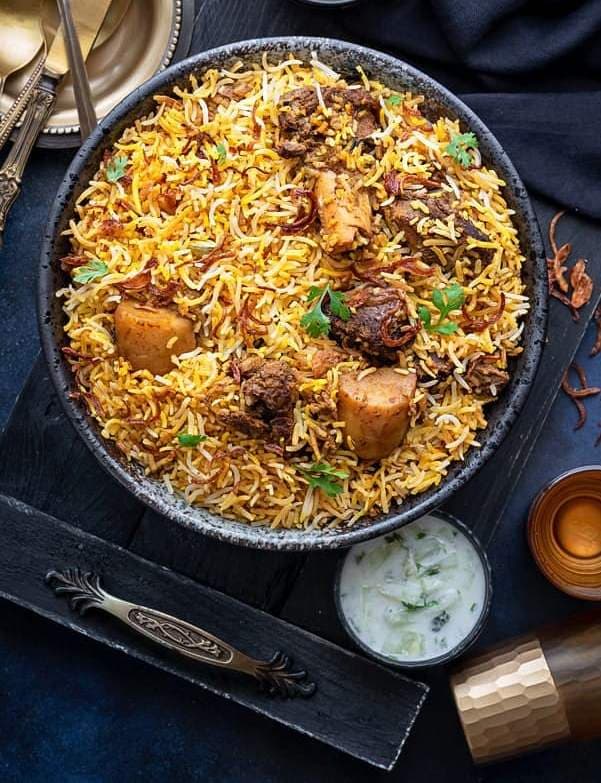
Kenyan biryani is a Swahili coast dish, and the coast is where the Indian Ocean has been depositing influences on East Africa for more than a thousand years. Arab, Persian and Indian traders working the monsoon routes brought rice, spices and techniques to Mombasa, Lamu and Zanzibar, and what developed there is neither Indian nor Arab but Swahili.
The biryani method itself is unmistakably South Asian: meat cooked in a spiced yoghurt gravy, rice parboiled separately with whole spices, the two layered and steamed together so the rice finishes in the gravy's steam. The Kenyan version keeps that structure. What it does differently is in the details, with fried onions used in quantity, tomato leaning heavier than in most Indian versions, and fried potatoes worked through the meat rather than served alongside.
It is occasion food. Biryani appears at Kenyan weddings, at Eid, and at the large family meals where the effort is justified by the number of people eating. The orange food colouring streaked through part of the rice, which purists elsewhere would query, is standard in Kenya and is part of what a Kenyan expects a biryani to look like. Served with kachumbari, the raw tomato and onion salad, it is one of the clearest expressions of what the coast is.
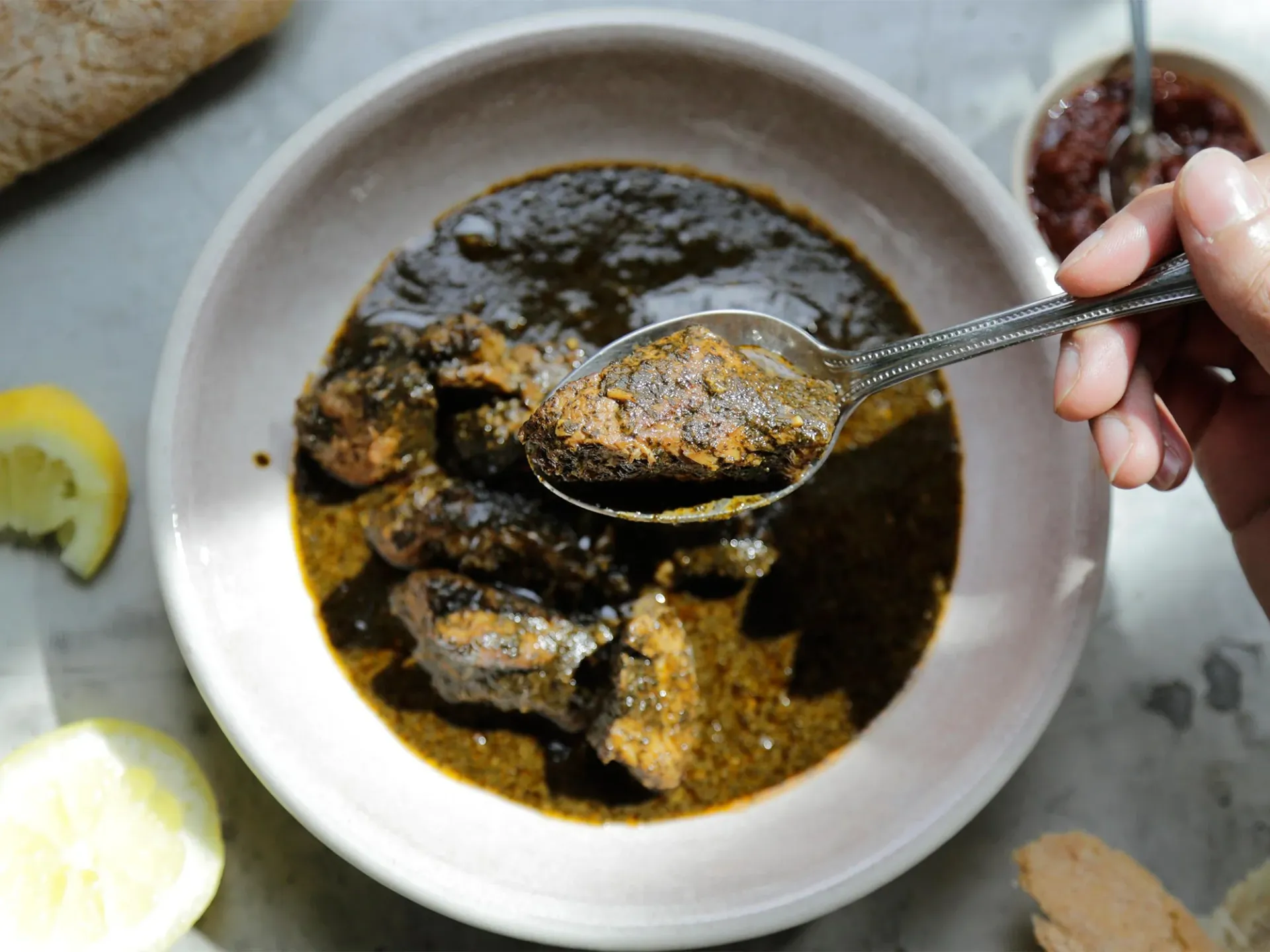
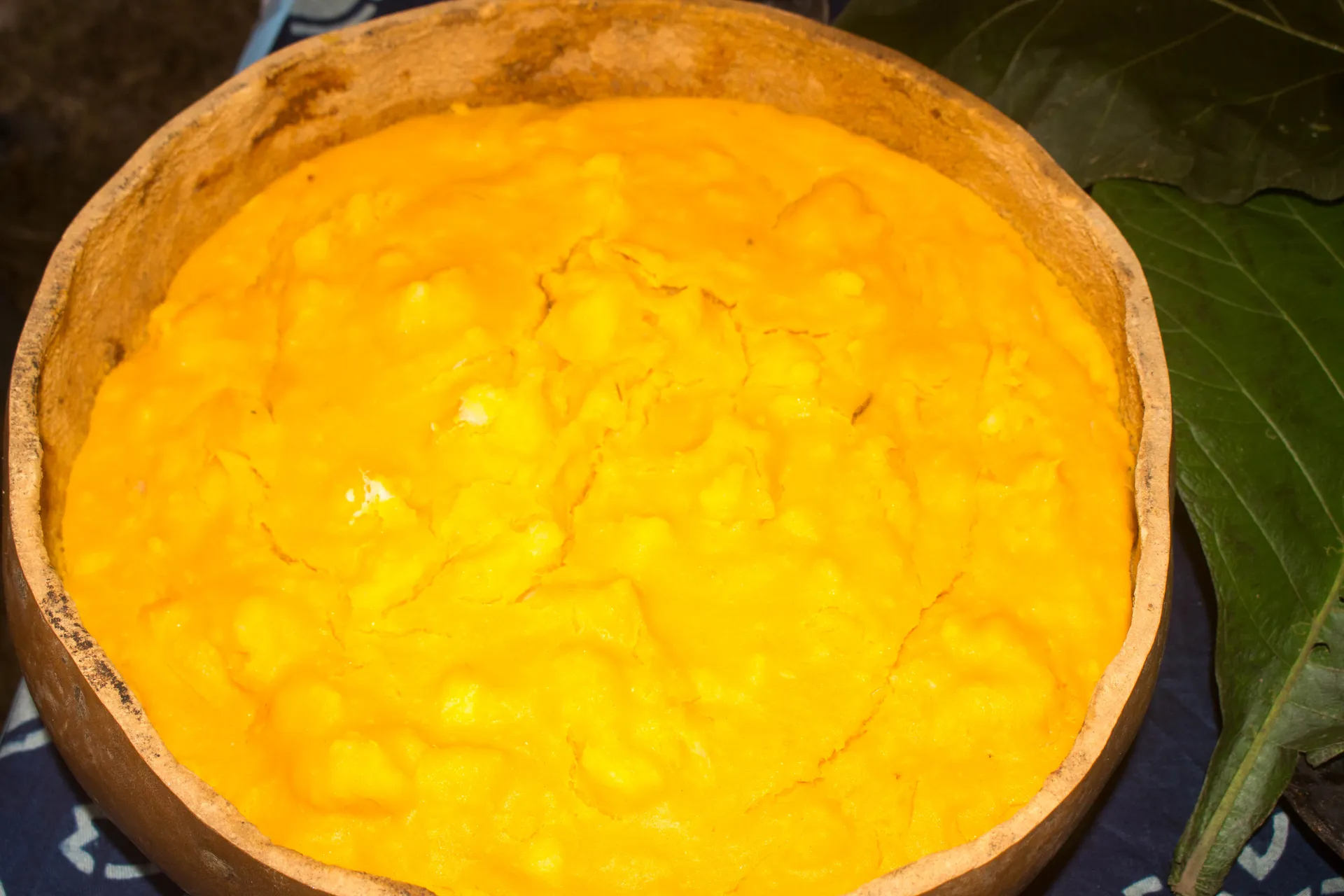
Tunisian mloukhia is not the dish of the same name eaten in Egypt, and the difference is fundamental. Egyptians cook the fresh leaves of jute mallow into a green soup. Tunisians dry the leaves, grind them to a powder, and cook that powder in oil for hours until it turns from green to deep brown and finally to something close to black. The two share a plant and almost nothing else.
The name carries a claim. Mloukhia derives from the Arabic malik, meaning king, and in Tunisia the dish is called the delicacy of the king. It is cooked slowly over the low heat of a kanoun, a charcoal brazier, for at least eight hours in the traditional method, and it is not unusual for the paste to be started the evening before and finished the next day.
Its occasions are precise and they cross religious lines. Tunisian Muslims eat it on Ras el am, the first day of the Hegira new year, so that the year begins under the sign of green, which is the colour of Islam and of hope. It appears at the end of mourning periods and on the first day of Eid al-Fitr. The Jews of Nabeul kept the same custom and now cook mloukhia for Rosh Hashanah. Tunisians say plainly that there is no middle position on it: you love it or you do not.
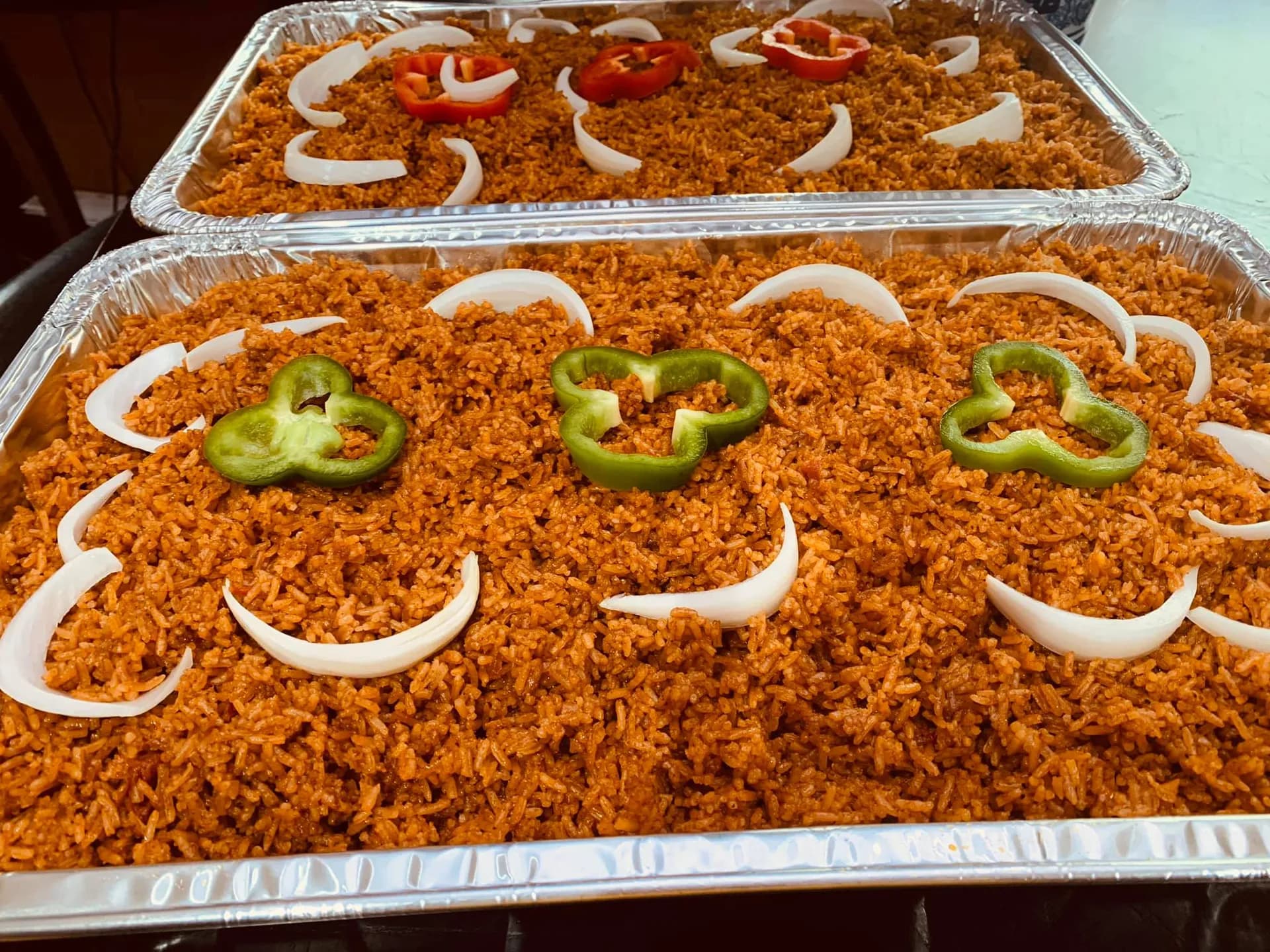
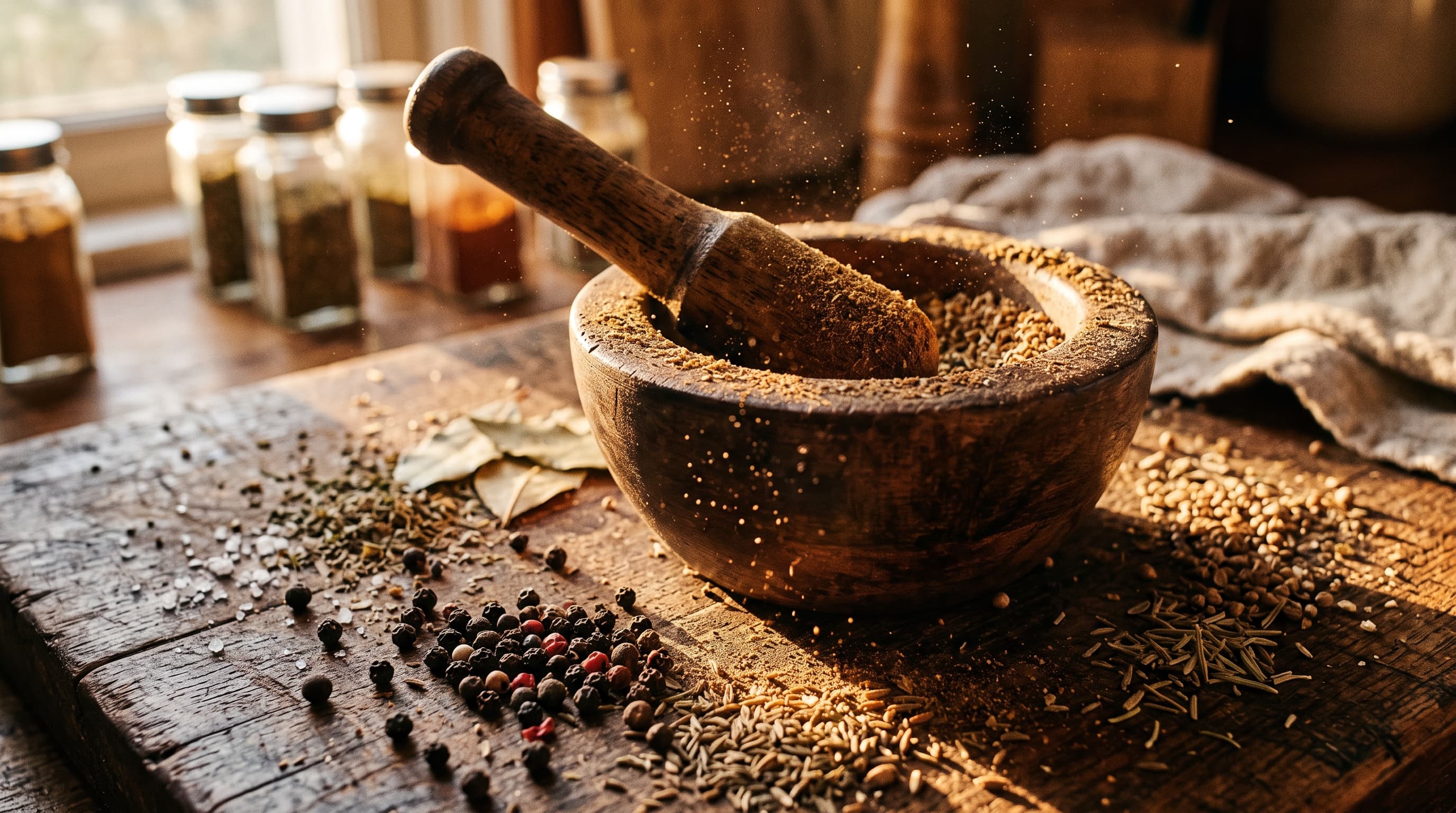
Pilau is the spiced rice of the East African coast: rice cooked with cumin, cardamom, cloves, cinnamon and turmeric until every grain carries the spice. It is celebration food across Kenya, Tanzania, Uganda and Zanzibar, made for weddings, for Eid, and whenever a guest of consequence arrives.
It reached the Swahili coast through centuries of Indian Ocean trade, and the family it belongs to runs from Persian polow through Central Asian plov to South Asian pulao. The East African version is milder than the Indian one and does not use curry, which is the distinction the source draws and it is a fair one. The defining spice mix has its own name, pilau masala, and there is a recipe for it on this site.
An important note about this page. Its written description is of a full pilau: caramelised beef, potatoes, tomatoes and pilau masala simmered in meat stock. The recipe card attached to it is something else entirely, a plain spiced rice with no meat, no potatoes and no stock. The recipe below follows the card, since that is the actual recipe on the page, and the result is a good vegetarian side dish. It is not, however, the celebratory beef pilau the description promises.
Browning the onions properly is the step that matters most in either version.
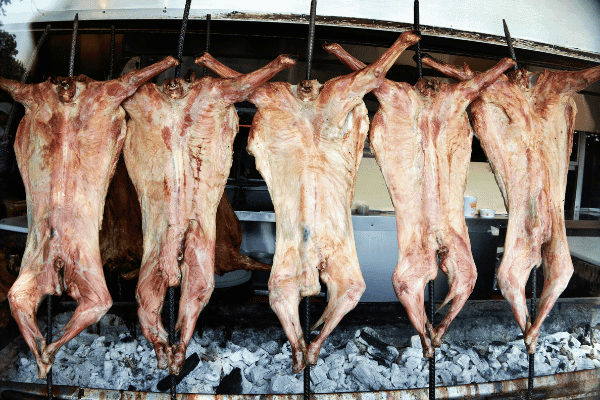
Cabrito is Angolan goat stew, cooked slowly and built on wine and fortified wine rather than the palm oil or tomato base most West African stews use.
Goat is central to Angolan eating, and the eastern region is where it is raised, enough to supply the country and to sell across the borders. It carries an occasion weight that other meats do not: at celebrations, graduation parties and holidays, a goat dish on the table is what people go for first.
The Portuguese influence is what makes the stew unusual on this continent. Red wine, brandy and sherry all go into it, and the long slow cooking that follows breaks down a cut that would otherwise be tough while the alcohol reduces to something concentrated and savoury. Four centuries of Portuguese colonial presence left this kind of cooking embedded in Angolan food, alongside the indigenous techniques.
The word cabrito means kid goat in Portuguese, and younger animals are the preference, more tender, less strongly flavoured.
**Contains alcohol.** Most cooks off during the long simmer, but not all of it.
Les mentions alimentaires sont fournies par les contributeurs à titre indicatif. Elles ne sont pas vérifiées par AFN et dépendent des produits que vous achetez. En cas d’allergie grave, vérifiez vous-même chaque ingrédient. Cuisine, allergies et votre propre jugement