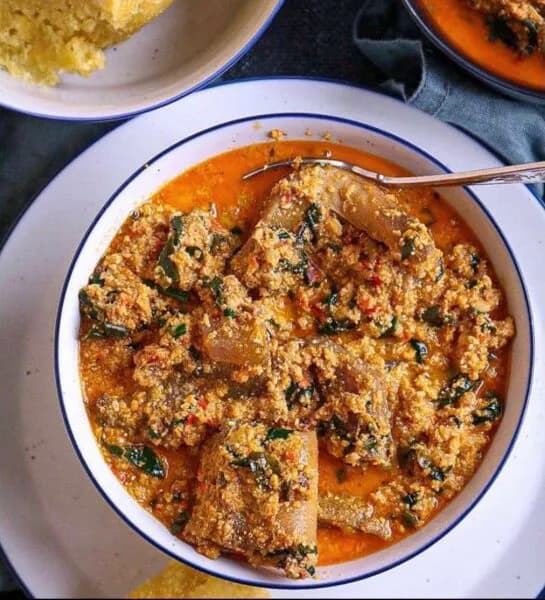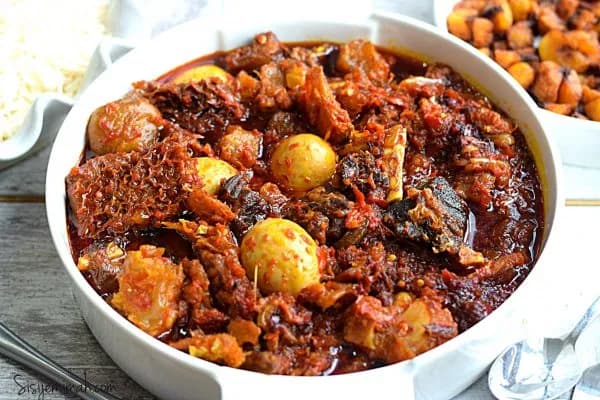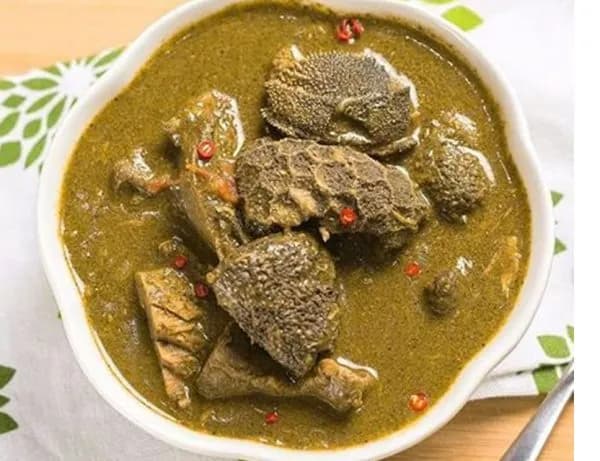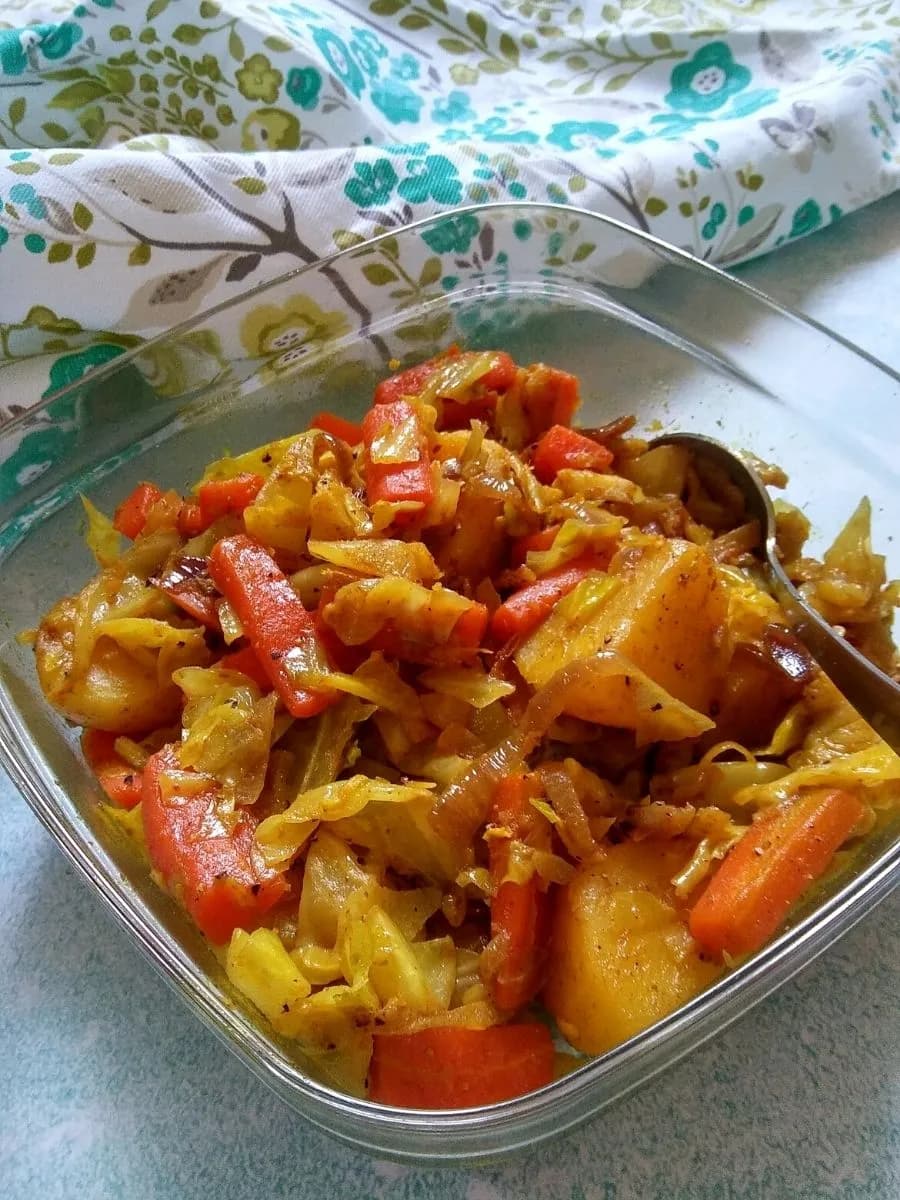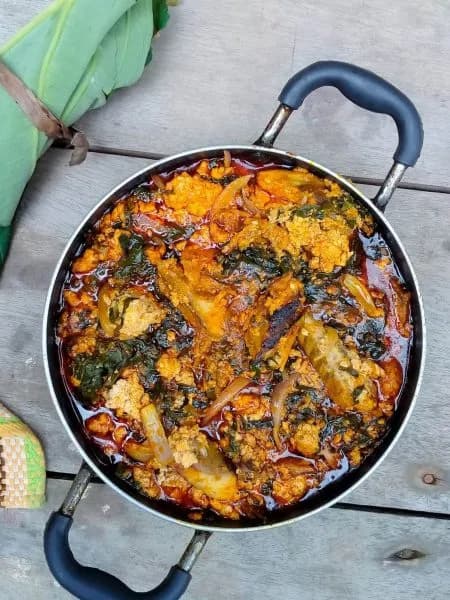
Kontomire Stew
4.04 out of 5, 3 ratings50 min


Cookies sur African Food Network
Nous utilisons des cookies essentiels au fonctionnement du site. Nous aimerions aussi déposer des cookies de mesure d’audience et des cookies publicitaires, uniquement avec votre accord. Vous pouvez choisir séparément pour chacun. Lire notre politique relative aux cookies
Parcourez les archives par pays, par plat et par temps de cuisson.
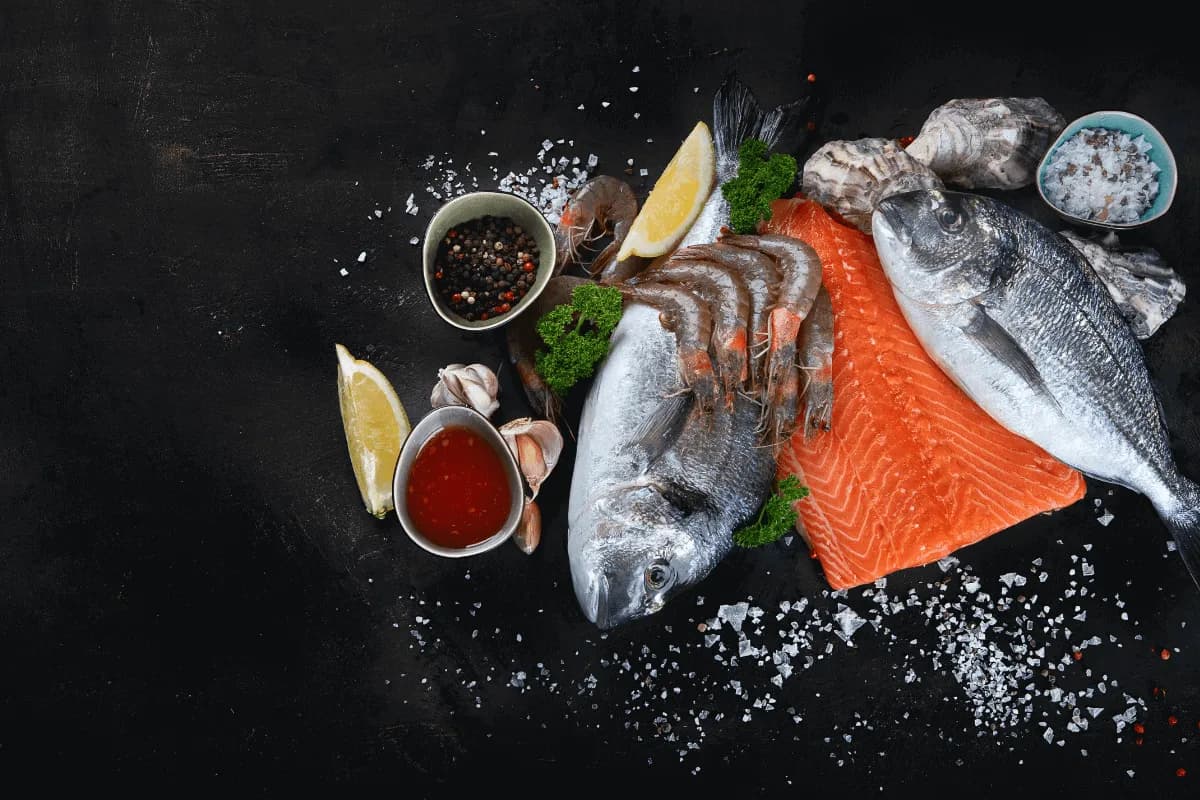
This is a dry spice rub for fish, and it belongs to no particular cuisine. Paprika, thyme, oregano, garlic powder, onion powder, salt, black pepper and cayenne is a broadly Western seasoning profile, and the source claims no country for it. That is worth stating plainly on a platform documenting African food, because Africa has a great many specific fish seasonings that this is not. Nigerian fish is seasoned with blended pepper, ginger and stock cubes. Senegalese fish carries rof, a stuffing of parsley, garlic and chilli pushed into slashes in the flesh. Moroccan fish is marinated in chermoula, built on coriander, cumin, paprika and preserved lemon. Any of those would be the regional answer to the question this recipe is asking. What is here is a competent all purpose blend, useful for grilling, baking or pan frying, and it keeps for months in a sealed jar. It is filed under Worldwide Recipes rather than presented as African, since inventing a heritage for a paprika and oregano rub would be exactly the kind of claim this archive should not make.
Les mieux notées
10 minEasy
Recette de Debby · Africook
Des plats transmis de génération en génération
 South African Lamb Bredie (Lamb Stew)2 hr 15 min · Southern Africa
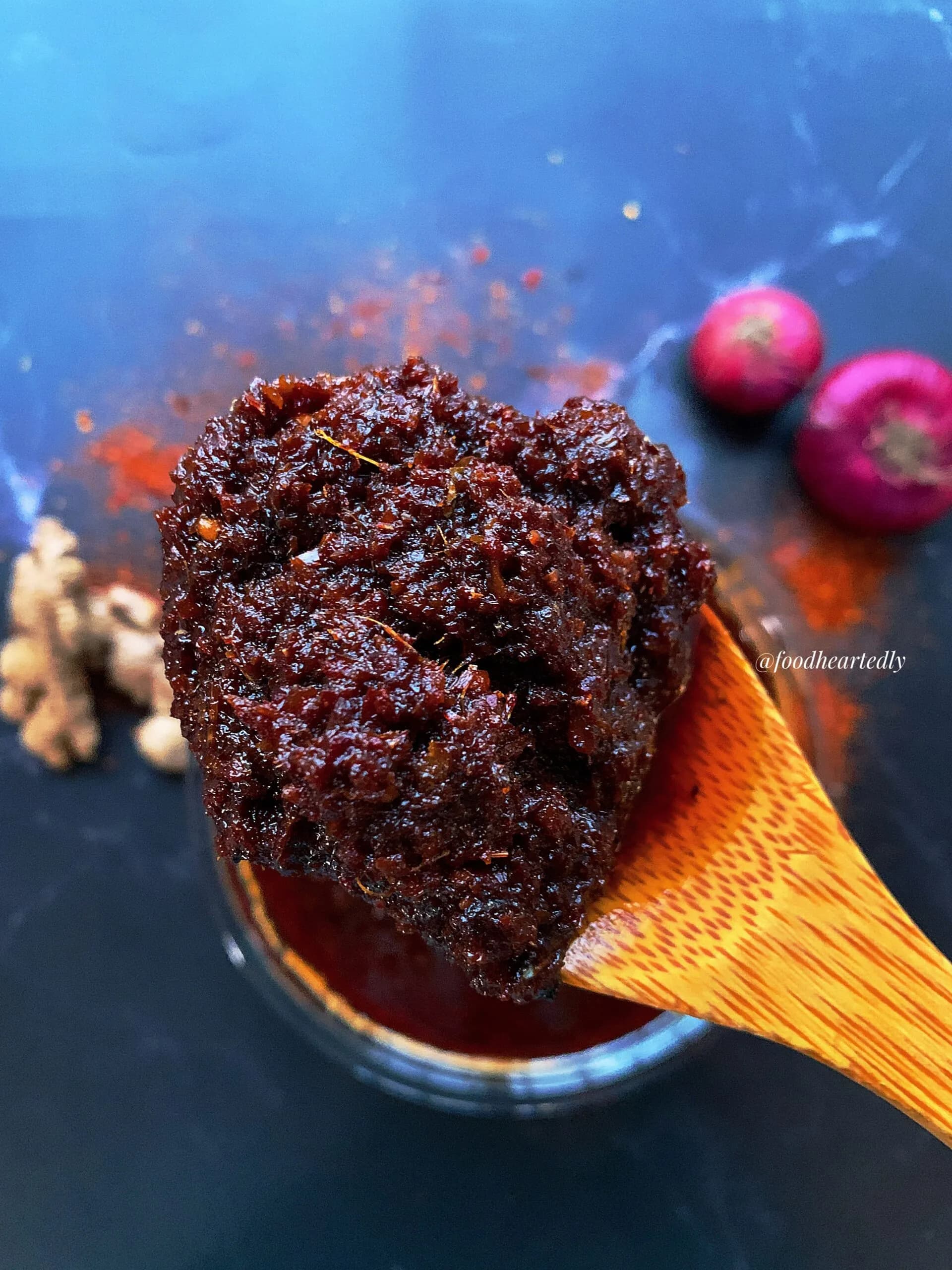 Shito (Black Pepper Sauce)1 hr 20 min · West Africa
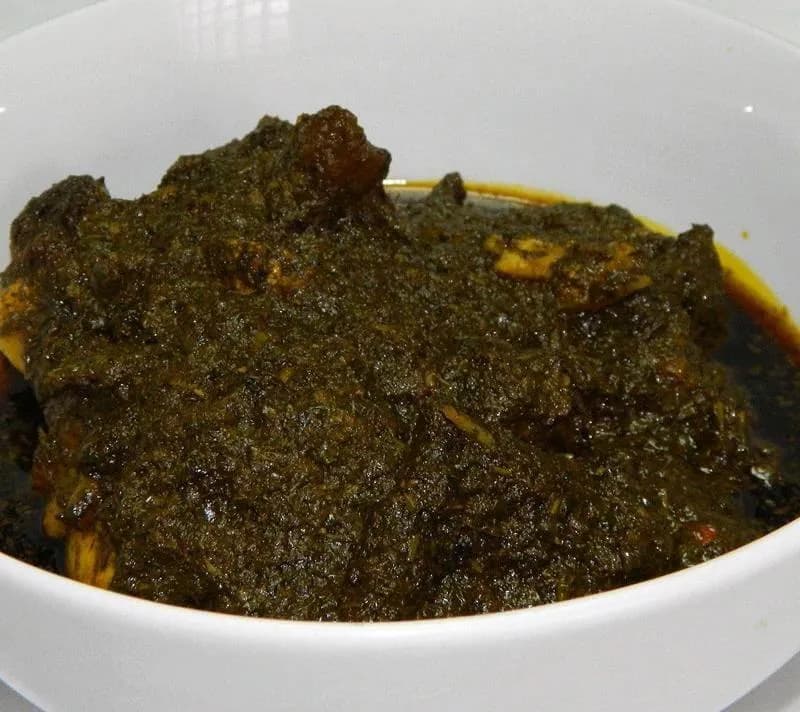 Cassava Leaf Soup with Peanut Butter1 hr · West Africa
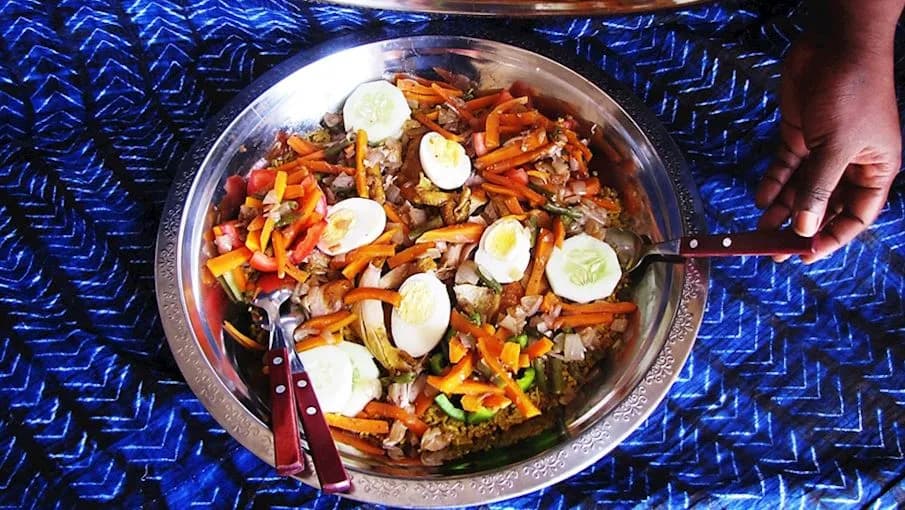 Thiébou Yapp2 hr 5 min · West Africa
 Cape Malay Chicken Curry1 hr 40 min · Southern Africa
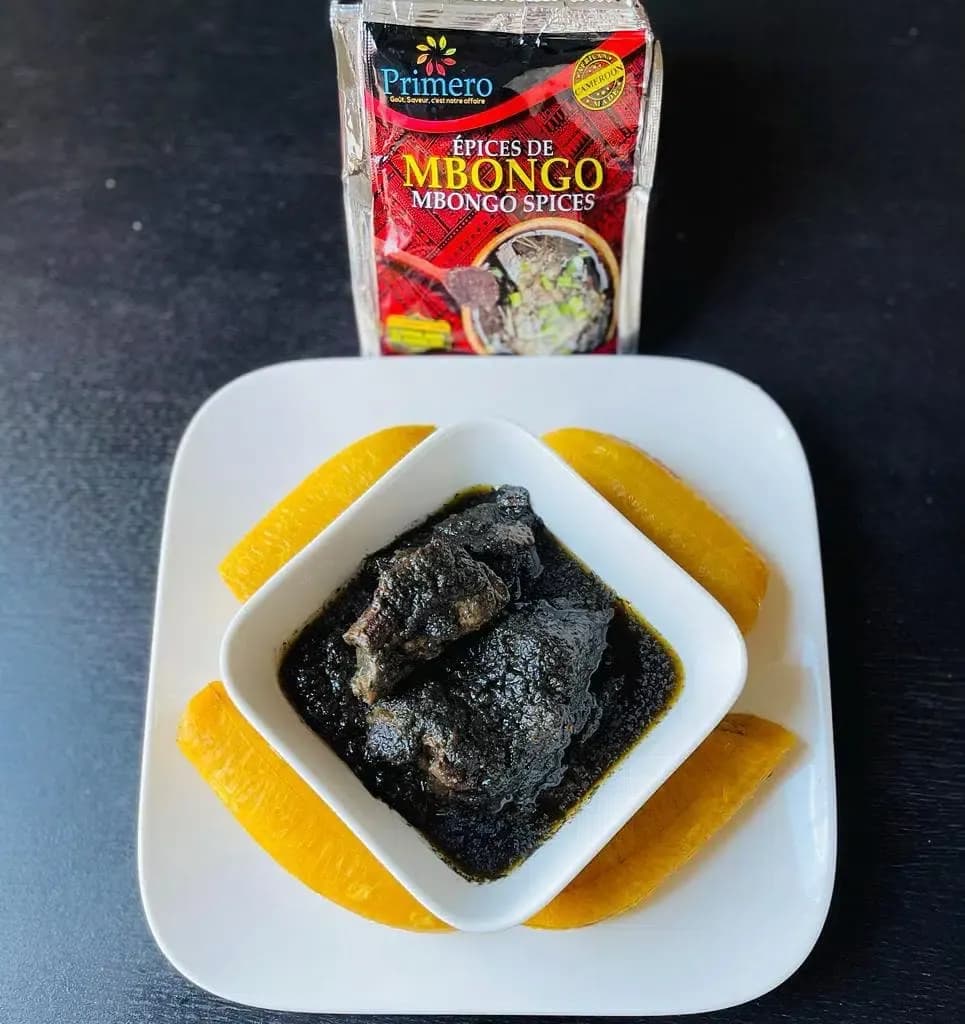 Mbongo Tchobi (Cameroonian Black Spice Stew)1 hr 5 min · Central Africa
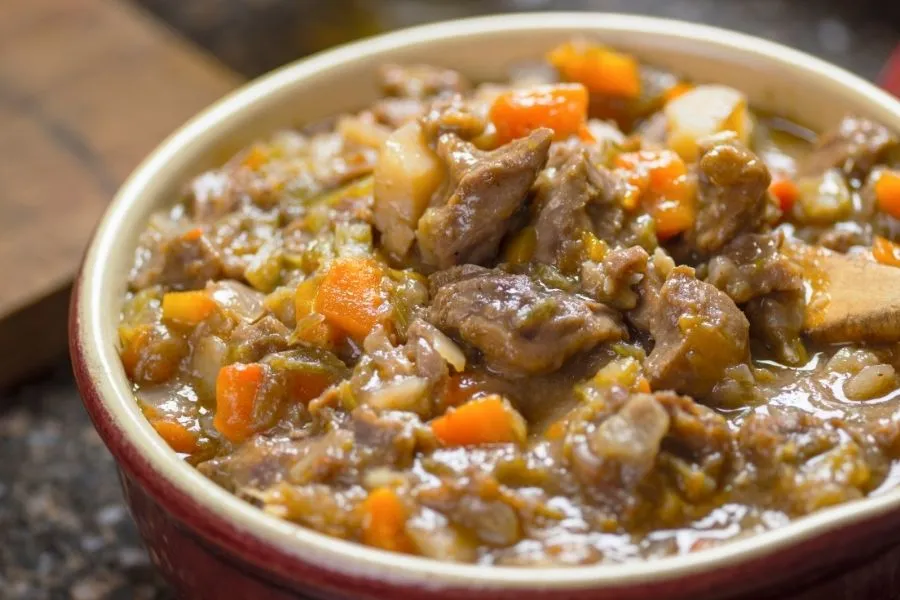 Miris (Sudanese Stew with Lamb Fat)35 min · East Africa
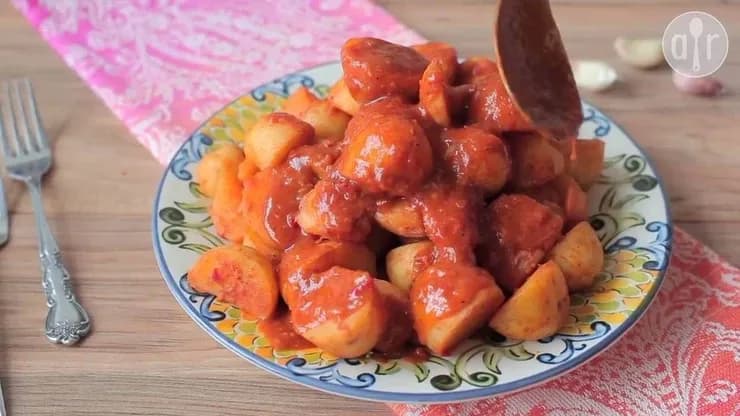 Chtitha Batata55 min · North Africa