Nous utilisons des cookies essentiels au fonctionnement du site. Nous aimerions aussi déposer des cookies de mesure d’audience et des cookies publicitaires, uniquement avec votre accord. Vous pouvez choisir séparément pour chacun. Lire notre politique relative aux cookies
Loading
Recettes
Parcourez les archives par pays, par plat et par temps de cuisson.
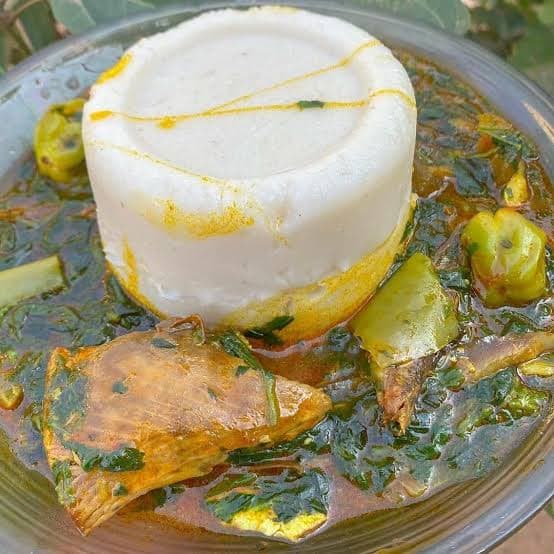
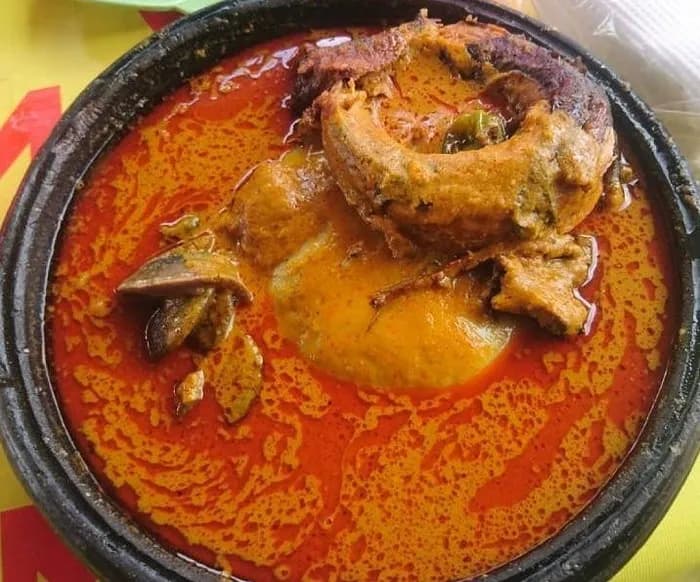
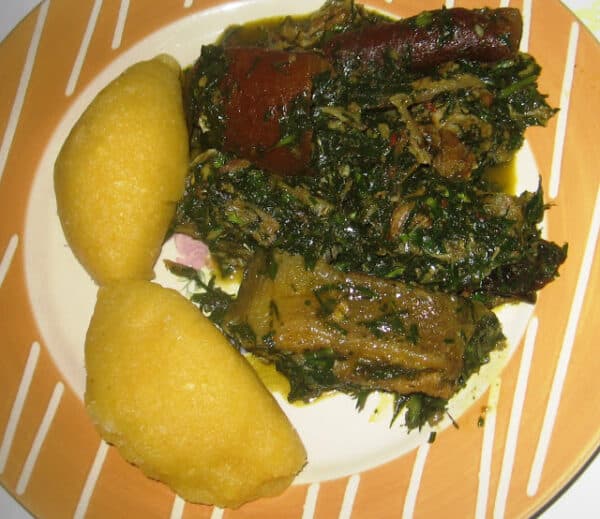
Akume (also written Akple) is the Ewe corn dough swallow from the Volta Region of Ghana, served with Ademe, a rich, slippery okra sauce cooked with smoked fish, palm oil, and tomatoes. Together they form one of the most complete and culturally significant meals in Ewe culinary tradition. Akume is made by cooking corn flour in boiling water and stirring vigorously until a smooth, firm dough forms, similar in technique to pounded yam or eba. The Ademe sauce is what makes the combination exceptional: okra cooked down with smoked fish and palm oil into a thick, draw-textured sauce that coats the corn dough perfectly. It is a meal that tastes of the Volta Region, earthy, smoky, and deeply satisfying.
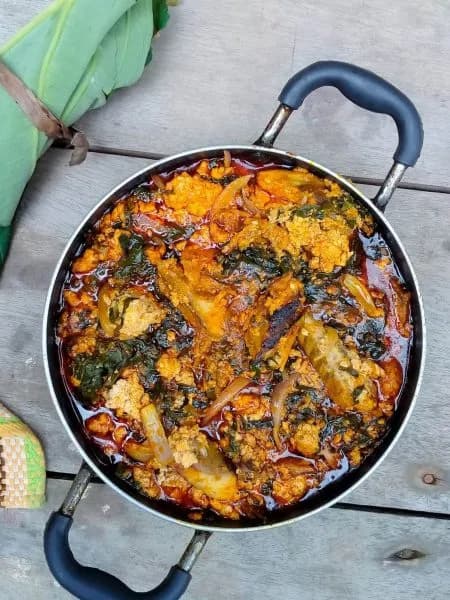
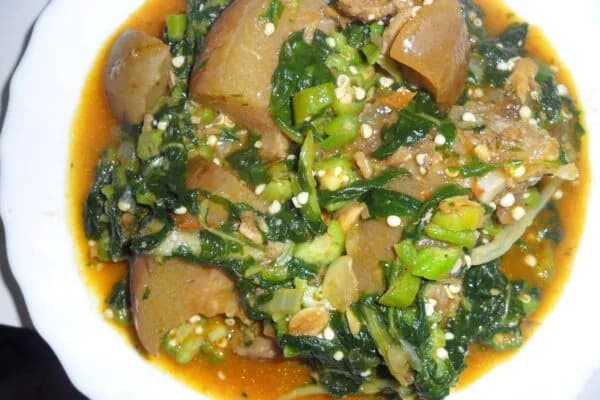
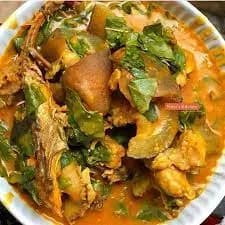
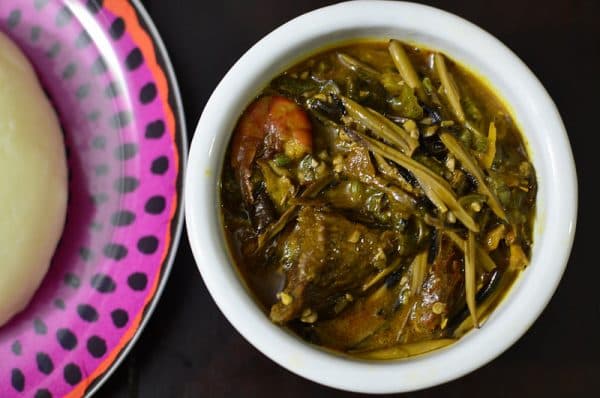
Okro soup is among the quickest Nigerian soups to make and among the most eaten. Okra is chopped, cooked briefly in a stock built on assorted meat, dried fish and crayfish, finished with palm oil, and taken off the heat while it is still green. The whole thing takes minutes once the vegetables are cut, which is the trade off: most of the work is chopping.
Okra is native to Africa, with its origin generally placed in the Ethiopian highlands, and it has spread from there across the continent and well beyond it. The draw it produces, the viscous quality that thickens the soup, is the entire point in West African cooking and the thing that people elsewhere often try to eliminate. Here it is what makes the soup work with a swallow: it slides.
The names change across Nigeria. Ila asepo among the Yoruba, okwuru among the Igbo, miyan kubewa in Hausa, otong among the Efik, and okro generally. Potash, called kaun, is traditional for increasing the draw and is now optional and somewhat contested, with many cooks leaving it out entirely. Used at all it must be used sparingly, since too much kills the elasticity it is meant to increase. It is eaten with eba, fufu, semo, amala or pounded yam.
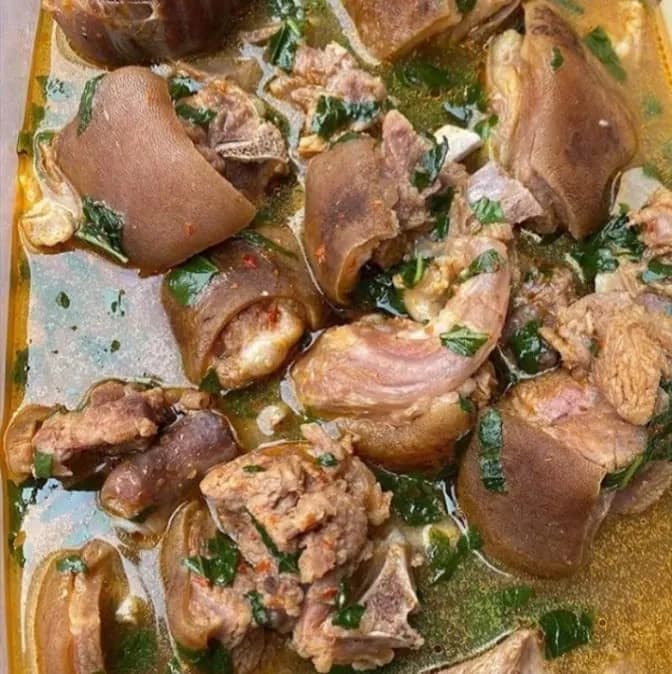
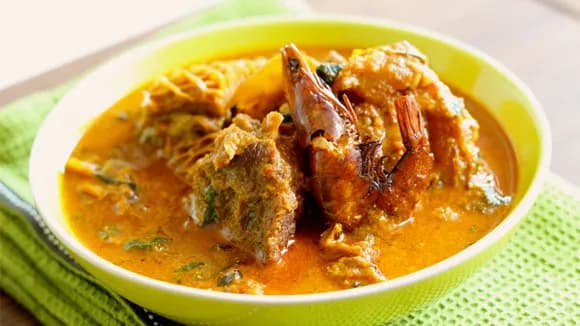
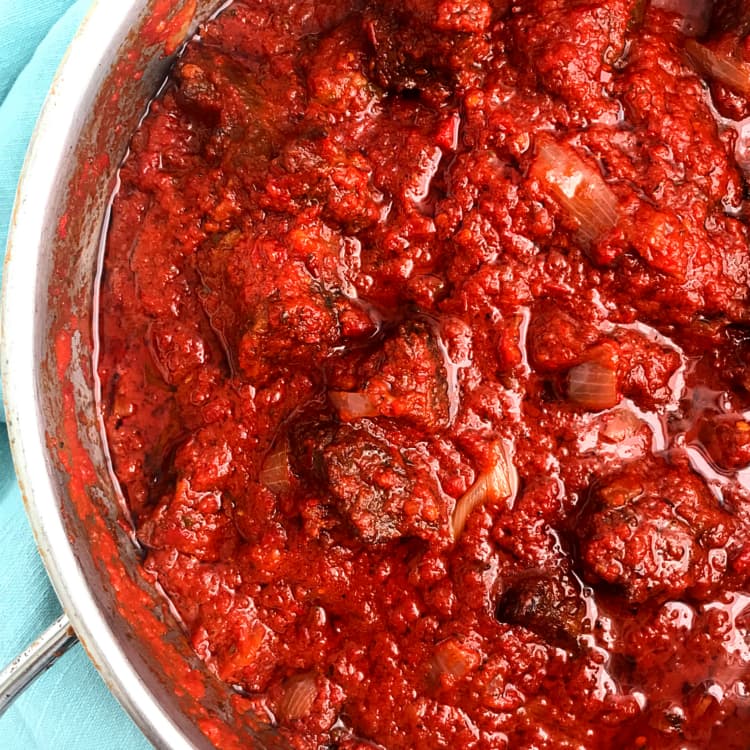
Pepper soup runs across West Africa and each country handles it differently. The Ivorian version is distinguished by what happens to the vegetables: whole tomato, onion and aubergine go into the pot with the meat and the spices, cook until soft, are lifted out and crushed, and then go back into the broth. That produces a thicker, more textured soup than the clear Nigerian version.
The aubergine is the marker. It breaks down into the broth and gives it body, which is not something the Nigerian pepper soups do, and it is what makes the Ivorian version recognisable. Goat is the usual meat, though the dish takes fish, shrimp, tripe, oxtail, chicken and beef equally well, and several can go in the same pot.
It occupies the same place in Ivorian life that pepper soup occupies elsewhere in the region: it is what people eat when they are cold, unwell or want something restorative, and it is quick enough for a weeknight at under an hour. It is served with foutou banane, the pounded plantain, or with rice. The heat is adjustable and Ivorians say so openly, though the authentic version is very hot indeed.
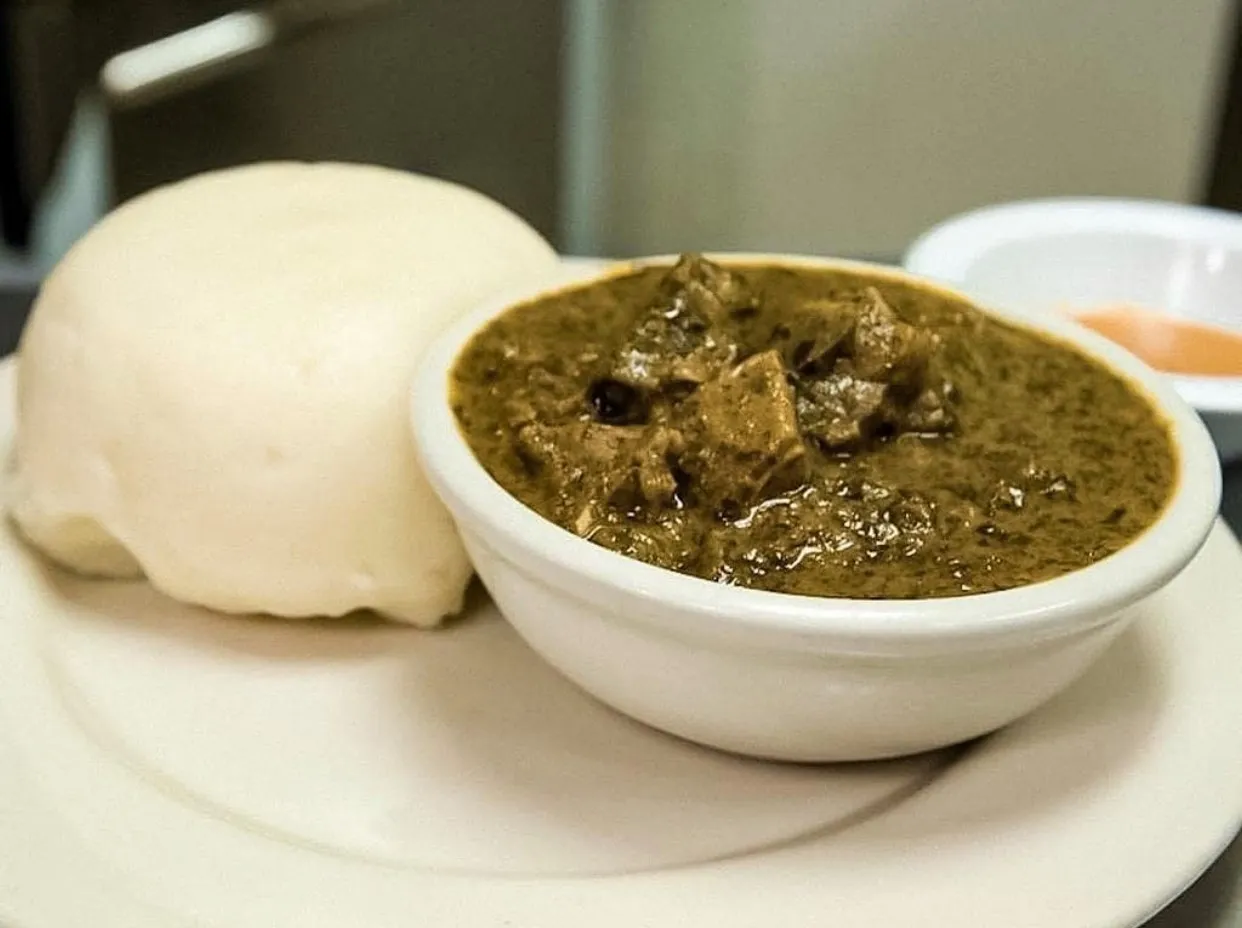
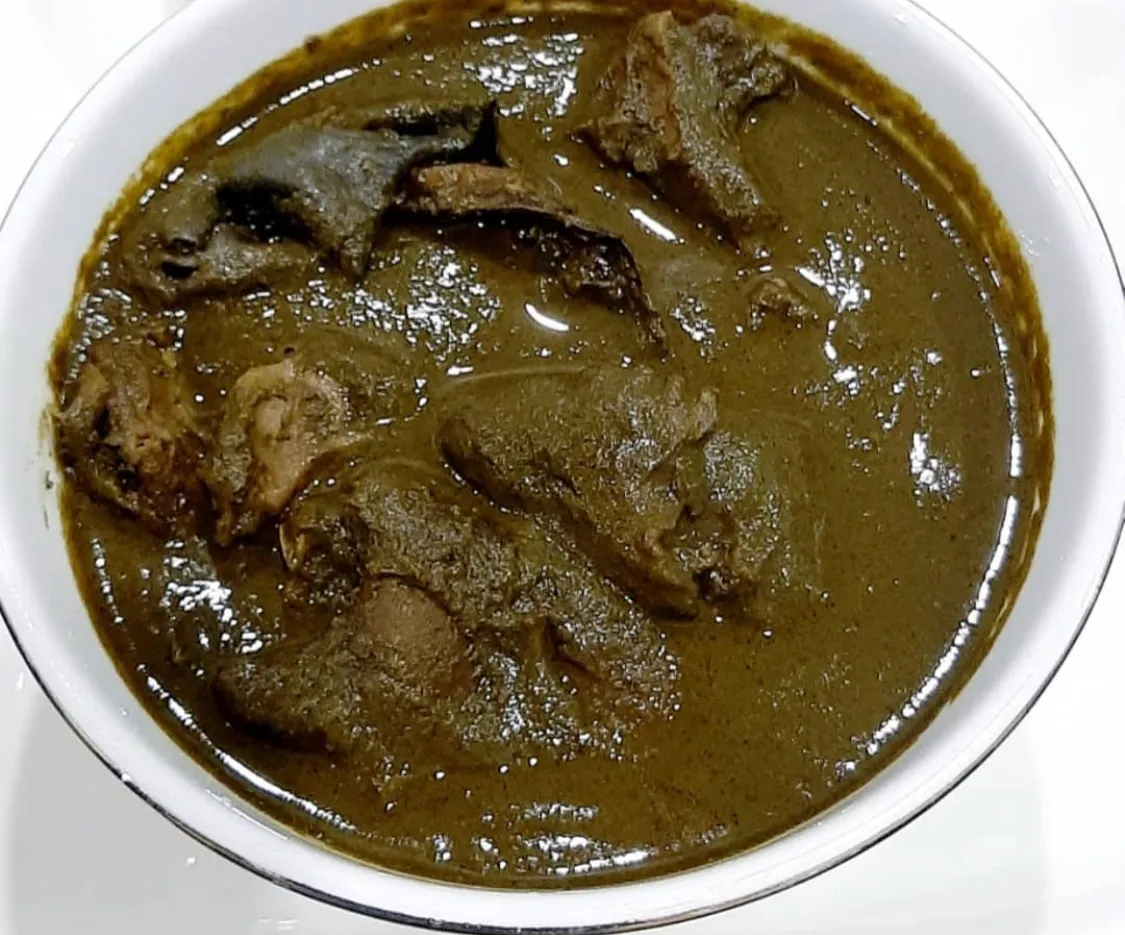
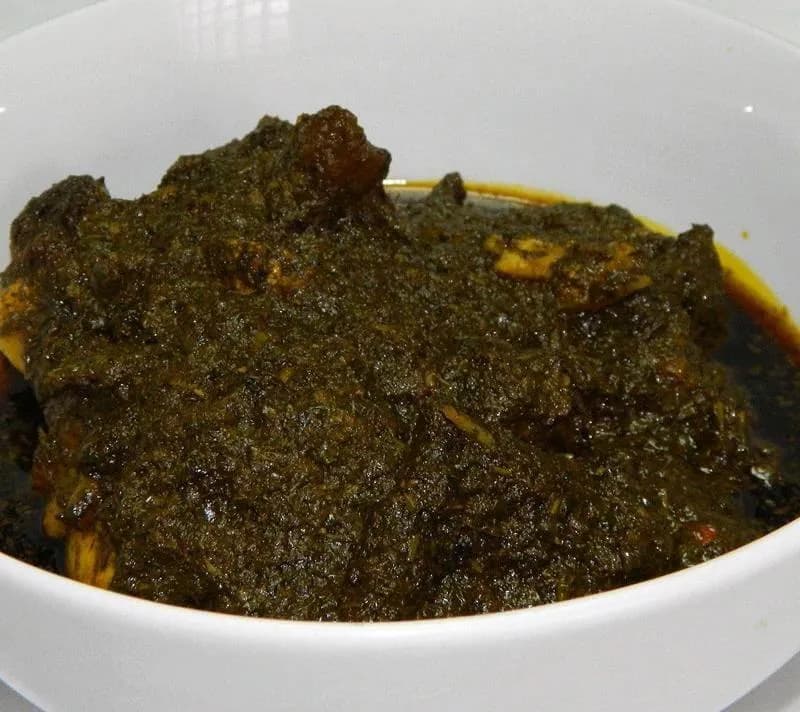
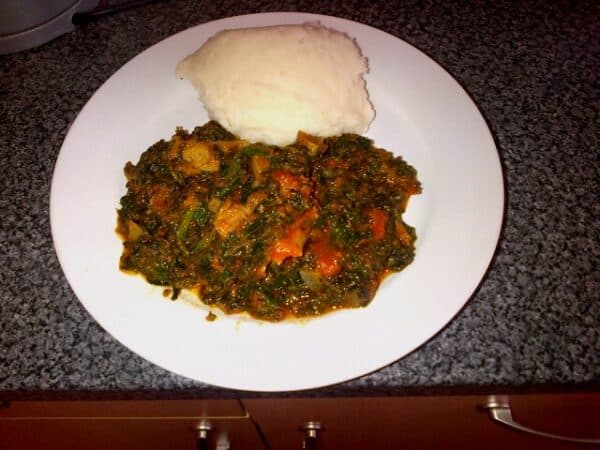
Cassava leaf soup is eaten across West and Central Africa, and its names map the geography: saka saka and pondu in the Congo basin, and simply cassava leaf in Liberia, Sierra Leone and Guinea. Wherever cassava is grown for its root, the leaves are eaten too, and a great many countries have arrived at some version of this independently.
The West African version this recipe follows is built on groundnut. Peanut butter goes in with the leaves and palm oil, which gives a thicker, richer, nuttier result than the Central African versions that lean on palm oil alone. Smoked turkey, fish or chicken supplies the savoury depth, and scotch bonnet supplies the heat.
The leaves themselves carry very little flavour, which is precisely why the dish works: they absorb whatever they are cooked with, so the palm oil, the groundnut and the smoked protein are doing all the talking. That also means the quality of those three decides the pot. It is served over rice, and the one non negotiable is cooking: cassava leaves must be thoroughly cooked, since they are not safe raw. Frozen leaves sold commercially have generally been blanched already, which is why this version cooks relatively briefly.