Nous utilisons des cookies essentiels au fonctionnement du site. Nous aimerions aussi déposer des cookies de mesure d’audience et des cookies publicitaires, uniquement avec votre accord. Vous pouvez choisir séparément pour chacun. Lire notre politique relative aux cookies
Loading
Recettes
Parcourez les archives par pays, par plat et par temps de cuisson.
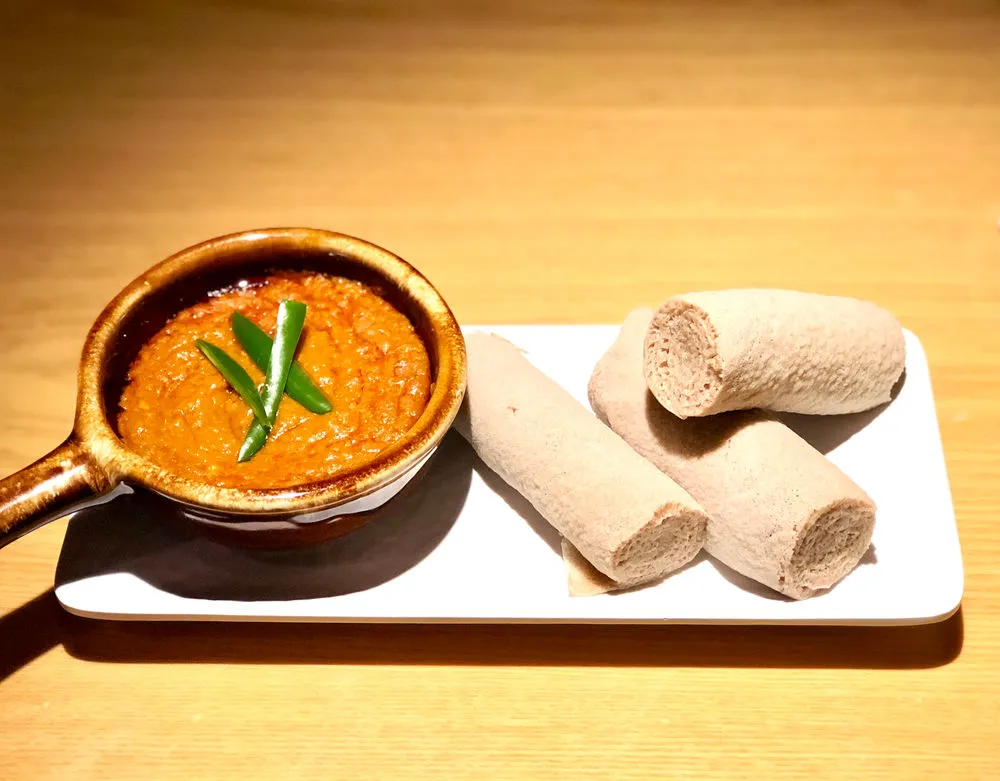
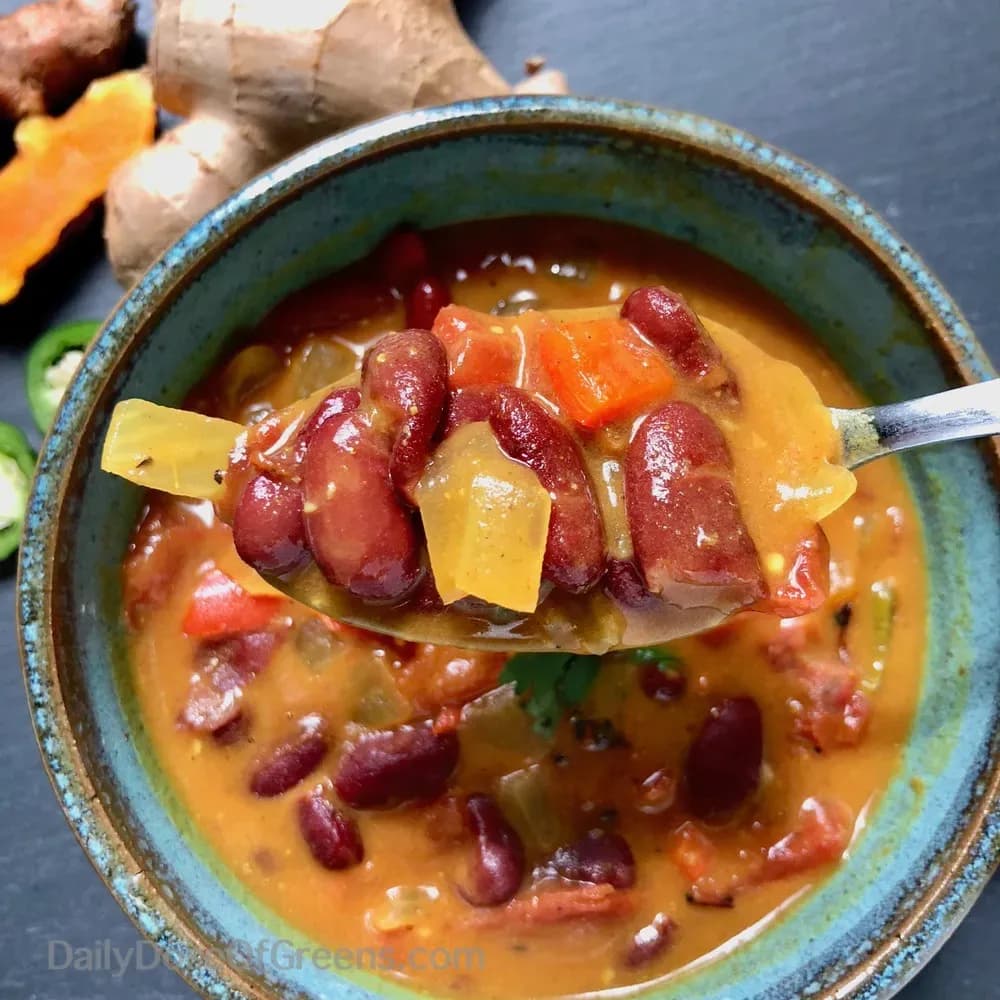
Shiro wat is ground chickpea stew, and it is among the most eaten dishes in Ethiopia and Eritrea. Onion, garlic, tomato and berbere are cooked down in oil, chickpea flour is whisked in, and the result thickens to something between a thick gravy and a puree, smooth enough to spread and eaten with injera.
Its position has a great deal to do with the religious calendar. Ethiopian Orthodox practice includes a very large number of fasting days, on which no meat, eggs or dairy are eaten, and shiro contains none of them. It is standard on Wednesdays and Fridays, through the eight weeks of Tsom, the Great Lent, and it is eaten during Ramadan by Ethiopian and Eritrean Muslims too. That is a dish serving two religions in one country without modification.
It is also cheap and quick, which explains the rest of its reach. Shiro powder, sold ready mixed with the spices already in it, is available across Ethiopia and increasingly abroad, in two kinds: mitten shiro, which is red and carries berbere, and netch shiro, which is white and mild. The dish takes different forms by consistency and name: shiro fessess is runny and served over injera with chillies, shiro tegamino is thick and cooked in an earthenware pot until it bubbles and caramelises at the base, and shiro fit fit shreds injera through it for breakfast.
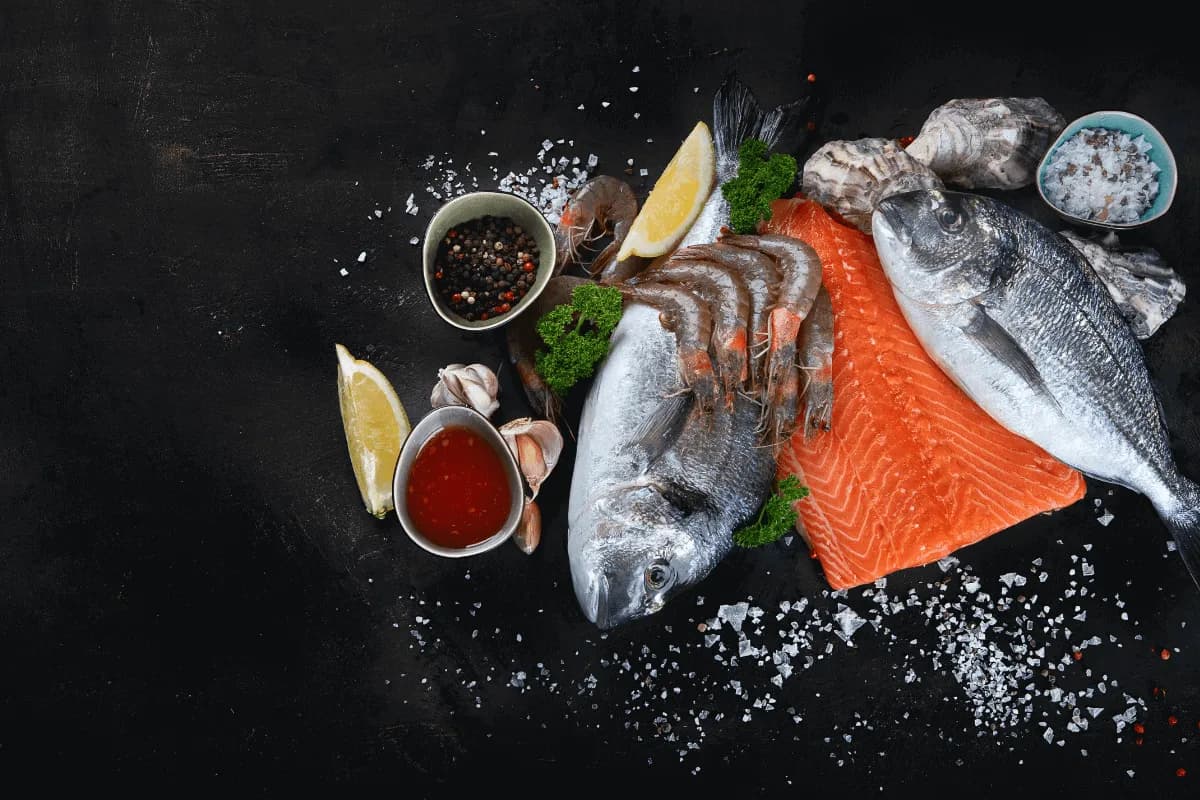
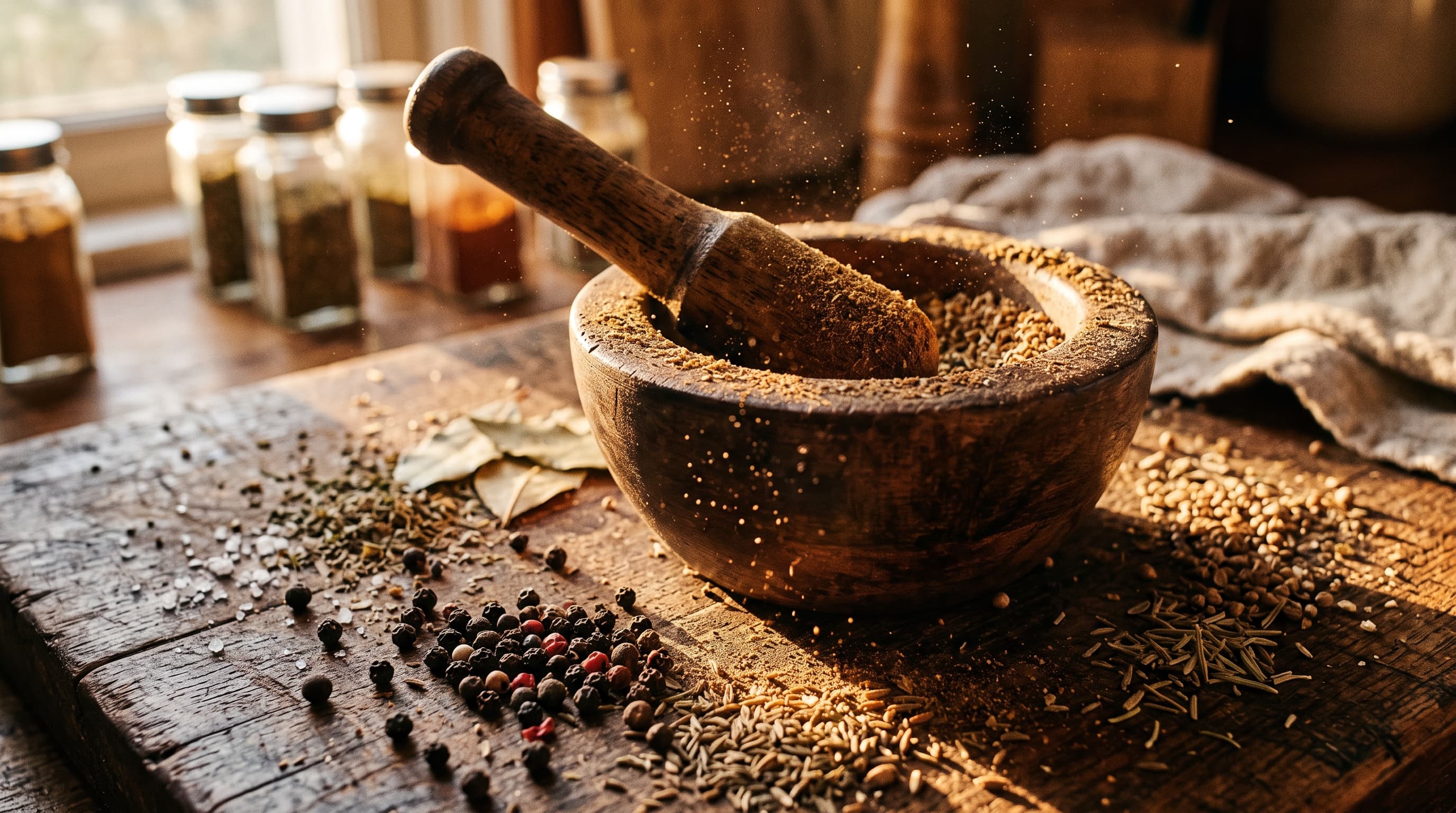
This is a dry spice rub for fish, and it belongs to no particular cuisine. Paprika, thyme, oregano, garlic powder, onion powder, salt, black pepper and cayenne is a broadly Western seasoning profile, and the source claims no country for it.
That is worth stating plainly on a platform documenting African food, because Africa has a great many specific fish seasonings that this is not. Nigerian fish is seasoned with blended pepper, ginger and stock cubes. Senegalese fish carries rof, a stuffing of parsley, garlic and chilli pushed into slashes in the flesh. Moroccan fish is marinated in chermoula, built on coriander, cumin, paprika and preserved lemon. Any of those would be the regional answer to the question this recipe is asking.
What is here is a competent all purpose blend, useful for grilling, baking or pan frying, and it keeps for months in a sealed jar. It is filed under Worldwide Recipes rather than presented as African, since inventing a heritage for a paprika and oregano rub would be exactly the kind of claim this archive should not make.
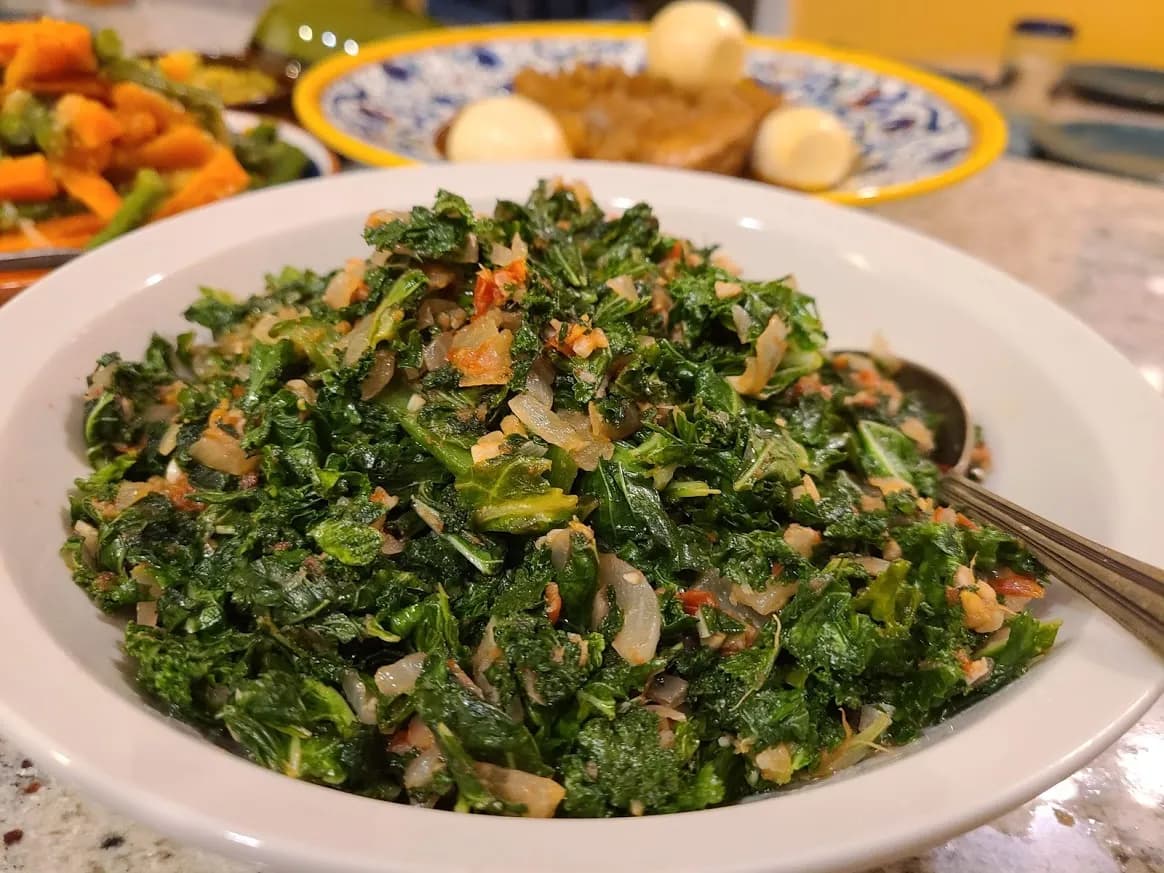
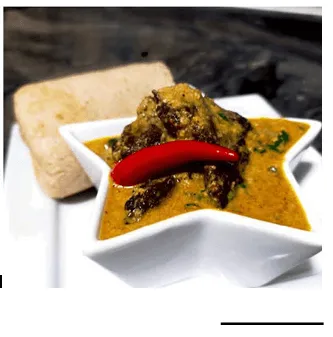
Njama njama is greens blanched, squeezed dry and then cooked through a tomato, onion and chilli base. It is one of the most eaten vegetable dishes in Cameroon, particularly in the North West Region, and it is usually served with corn fufu.
The plant it is named after is African nightshade, *Solanum scabrum*, also called huckleberry, a leafy green grown across Cameroon and to a lesser extent Nigeria and Kenya. It is not the same as the toxic nightshades the name might suggest; the cultivated leaf is a staple vegetable and has been for a very long time.
The source is honest about a substitution that most sources would hide, and it deserves credit for it: this recipe uses turnip greens rather than actual njama njama, because the real thing is hard to find outside Cameroon. Collard greens and watercress are named as alternatives. The result is a good dish but it is not, strictly, njama njama, and that has been flagged.
The technique is worth taking seriously. Blanching, then an ice bath, then squeezing out as much water as possible, is what keeps the greens green and stops them watering down the tomato base. Four bunches of raw greens reduce to about three cups cooked.
Khati khati, grilled chicken in tomato sauce, is the usual partner.
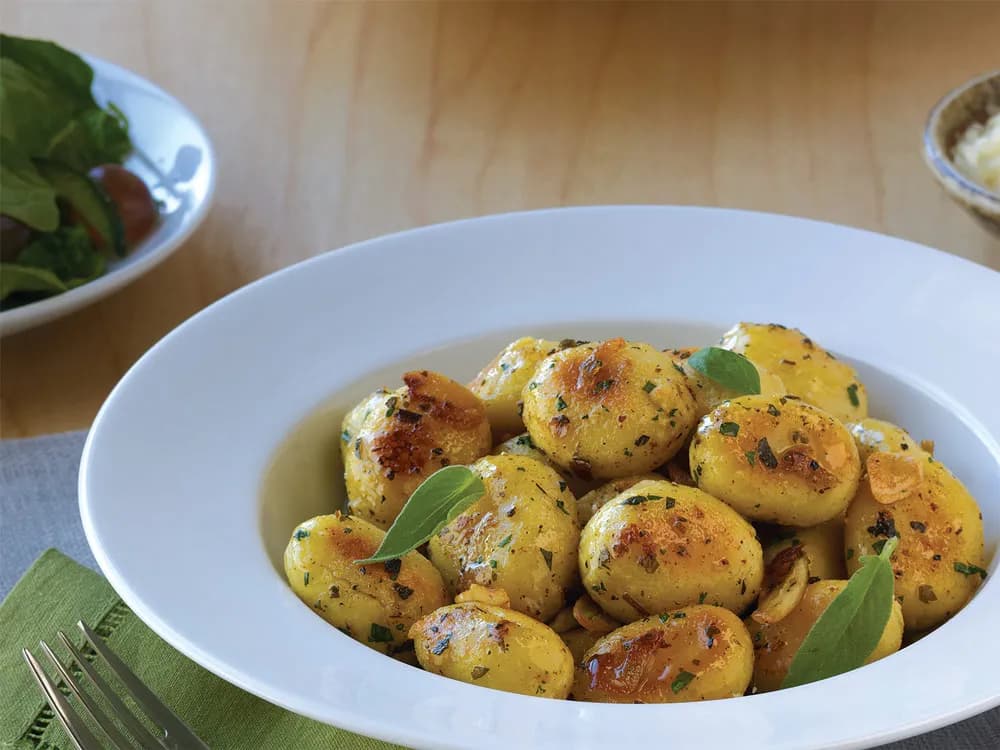
Potato gnocchi tossed in butter with garlic, sage and Parmesan. It is Italian, and it is filed under Worldwide Recipes with its URL unchanged.
Gnocchi are small dumplings rather than pasta in the strict sense, made from cooked mashed potato bound with flour and usually egg, though ricotta versions exist and are lighter. The pairing with butter and sage is the classic one, and it works because gnocchi are mild and starchy: browned butter and the resinous, faintly medicinal note of sage give it something to push against, and nothing more elaborate is needed.
One thing the source gets right and is worth repeating: gnocchi are done when they float. They are cooked through the moment they rise to the surface of the water, usually within two or three minutes, and leaving them in longer makes them waterlogged and heavy. This is one of the few pasta-adjacent things with a completely reliable visual signal.
Its freezing advice is also sound. Gnocchi should be frozen raw, spread out on a tray until solid, then bagged, and cooked from frozen. Thawing them first turns them to paste.
The source contains an amusing error: it says gnocchi is the plural of gnocchi. The singular is gnocco.
Les mentions alimentaires sont fournies par les contributeurs à titre indicatif. Elles ne sont pas vérifiées par AFN et dépendent des produits que vous achetez. En cas d’allergie grave, vérifiez vous-même chaque ingrédient. Cuisine, allergies et votre propre jugement