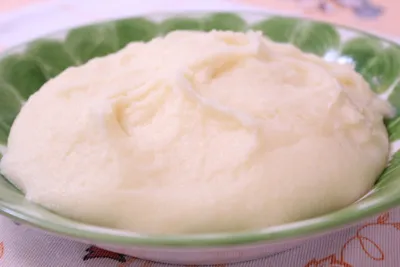
Funge
5.05 out of 5, 2 ratings25 min


Cookies sur African Food Network
Nous utilisons des cookies essentiels au fonctionnement du site. Nous aimerions aussi déposer des cookies de mesure d’audience et des cookies publicitaires, uniquement avec votre accord. Vous pouvez choisir séparément pour chacun. Lire notre politique relative aux cookies
Parcourez les archives par pays, par plat et par temps de cuisson.
Funge is the Angolan staple, a smooth, elastic cassava porridge that arrives alongside almost everything and asserts nothing on its own. Its neutrality is functional rather than a failure of ambition. A dish with a strong flavour of its own could not do funge's job, which is to carry the flavour of what it is eaten with. It is made from cassava flour and water, and nothing else is required. Cassava is a tropical root crop grown across Angola, and the flour keeps for months, which is part of why the dish has held its place. In Angola it is funge or funji; the same preparation carries different names and different base starches across the continent, and Angolan households recognise the family resemblance without confusing the members. Funge is eaten with the fingers. Small pieces are pulled off, rolled between the fingers, and used to lift stew, fish or greens from a shared bowl. That method makes it a communal dish by construction rather than by sentiment, and eating from the same bowl of funge carries the meaning that shared eating carries everywhere: this is a household, and you are in it.
Les mieux notées
25 minMediumAngola
Recette de Debby · Africook
Rien ici pour le moment
Tout effacer
Les mentions alimentaires sont fournies par les contributeurs à titre indicatif. Elles ne sont pas vérifiées par AFN et dépendent des produits que vous achetez. En cas d’allergie grave, vérifiez vous-même chaque ingrédient. Cuisine, allergies et votre propre jugement