Nous utilisons des cookies essentiels au fonctionnement du site. Nous aimerions aussi déposer des cookies de mesure d’audience et des cookies publicitaires, uniquement avec votre accord. Vous pouvez choisir séparément pour chacun. Lire notre politique relative aux cookies
Loading
Recettes
Parcourez les archives par pays, par plat et par temps de cuisson.
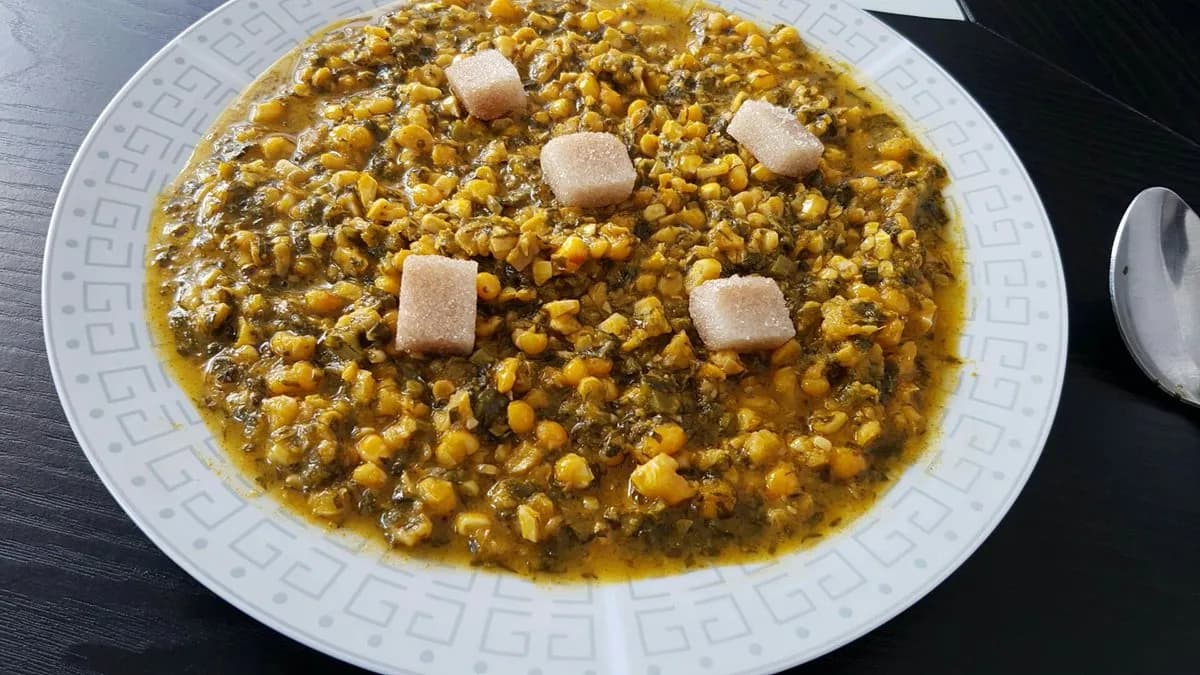
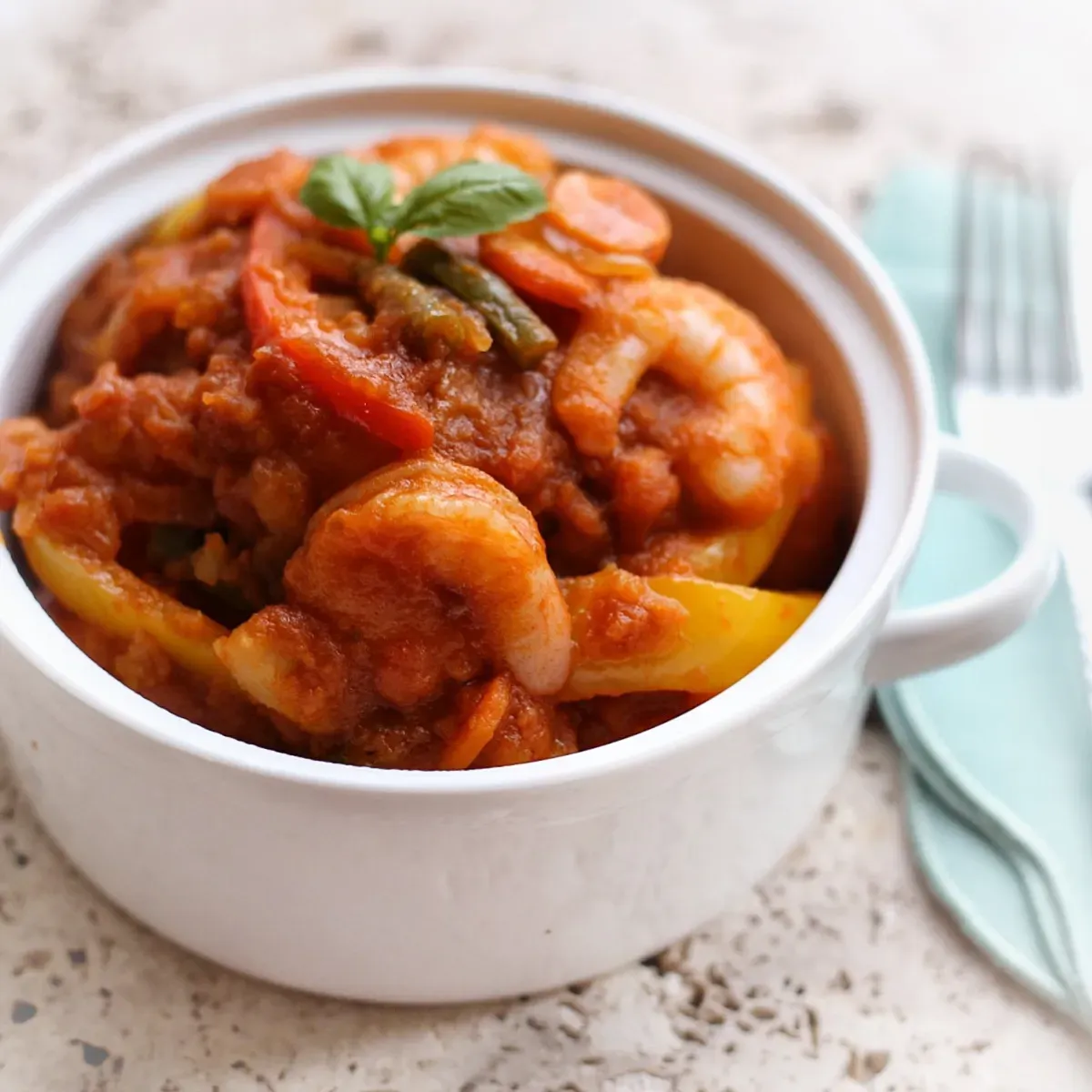
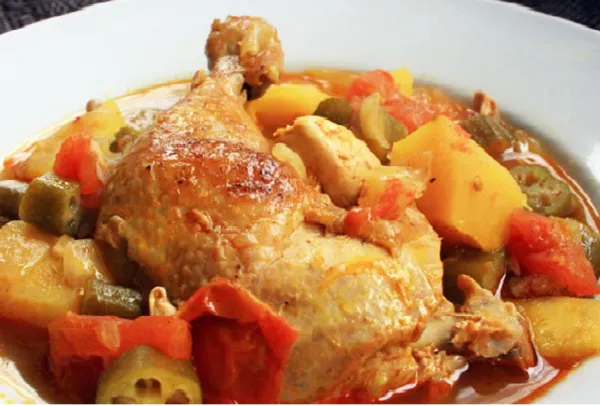
Kondré is green plantain and meat cooked slowly together in a blended spice paste until both are completely tender. It comes from the Bamileke of western Cameroon and is made for weddings, family gatherings and funerals.
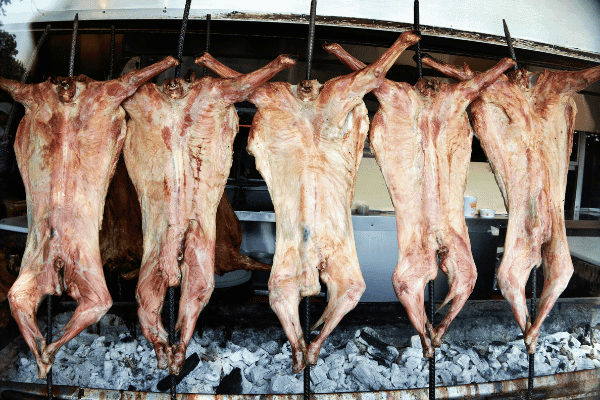
Three things make it, and the source sets them out clearly. The meat, goat traditionally, beef commonly, sometimes smoked pork, cooked long enough to fall off the bone, which means an hour and a half at minimum. The plantain, which must be green and unripe: ripe plantain collapses over three hours of cooking and, more importantly, tastes wrong. The source's line is worth quoting in spirit, if it is not green, it is not kondré.
The third component is the spice list, and it is what makes this specifically Cameroonian rather than a generic stew. Pèbè (false nutmeg), djansang, rondelles, mesep and white Penja pepper are West and Central African spices with no straightforward substitutes, sold at African grocers. Penja pepper in particular is a protected Cameroonian product with a real reputation.
Toasting the whole seeds before blending is marked optional in the method. It is worth doing, dry-toasting hard seeds releases their oils and deepens the whole dish.
The source's ingredient list omits the plantain itself, which the method then requires.
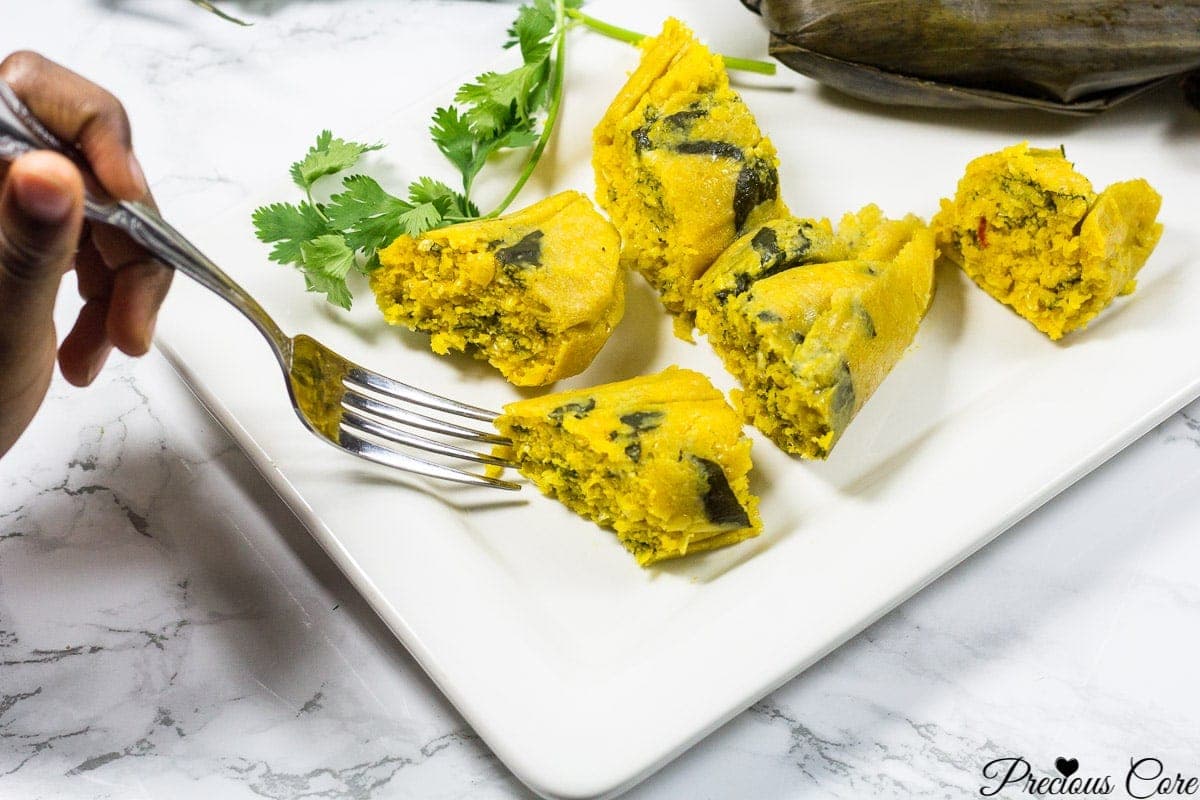
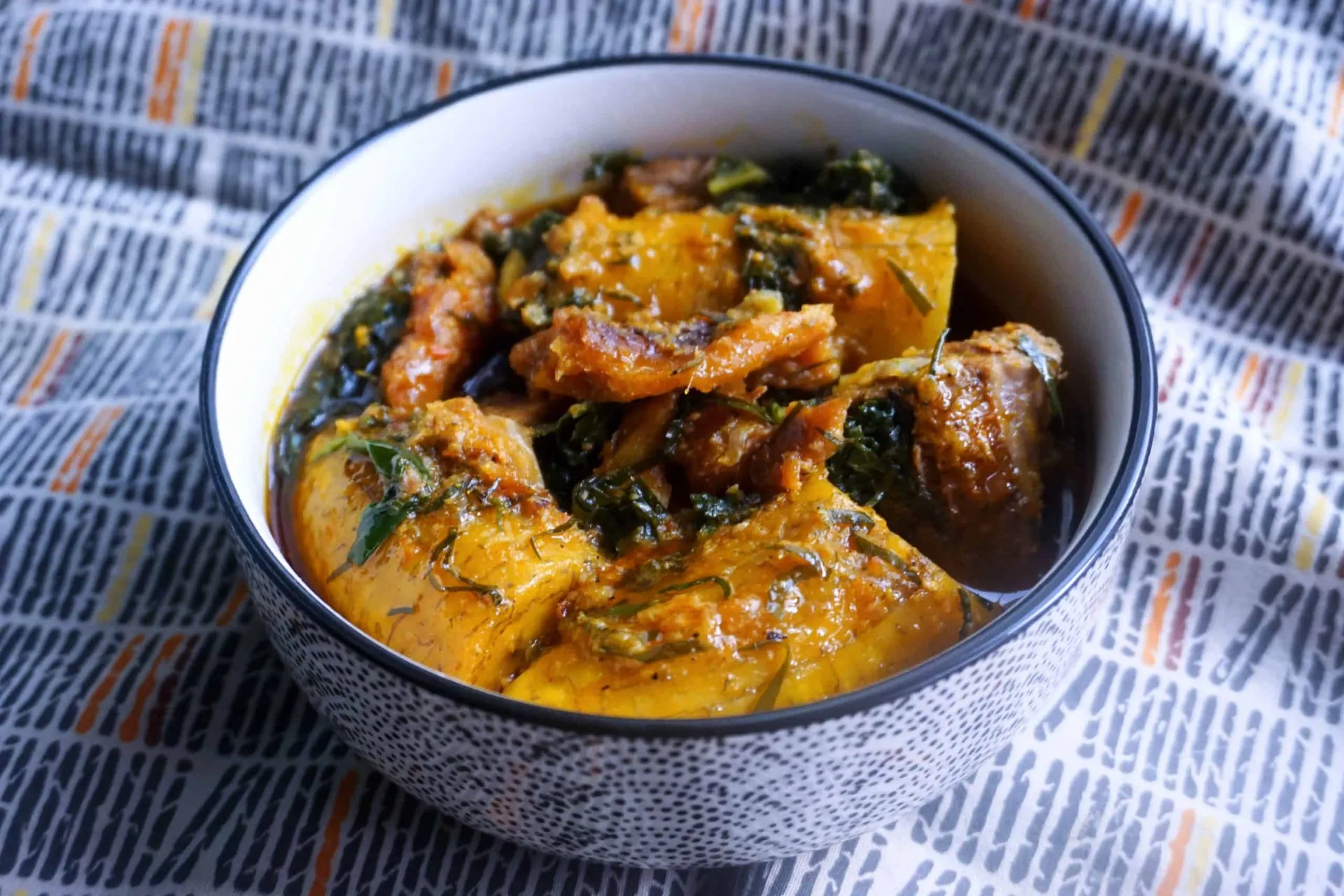
Kwacoco bible is grated cocoyam mixed with palm oil, smoked fish, crayfish and greens, wrapped in banana leaves and steamed until set. It is a staple of the Bakweri of Cameroon's South West Region.
Its closest relative is Nigerian moi moi, the steamed bean pudding, and the technique is the same: a wet seasoned mixture portioned into leaf parcels and cooked in a covered pot with water in the base. Grated cocoyam behaves much like blended beans, it sets into a firm, sliceable mass when steamed, because the starch gelatinises and holds everything suspended in it.
The banana leaves are not packaging. They flavour the parcels as they steam, and they are what gives the dish its particular aroma; foil holds the shape but contributes nothing.
Cocoyam is worth knowing about here, because the variety matters. The source notes that the pink-fleshed ones are starchier and drier when cooked, and that raw cocoyam can leave a slight itch in the throat, that is calcium oxalate, and cooking removes it entirely. It is also why gloves are worth wearing when grating.
Nobody, including the source, can explain the name. It has been left unexplained rather than given an invented etymology.
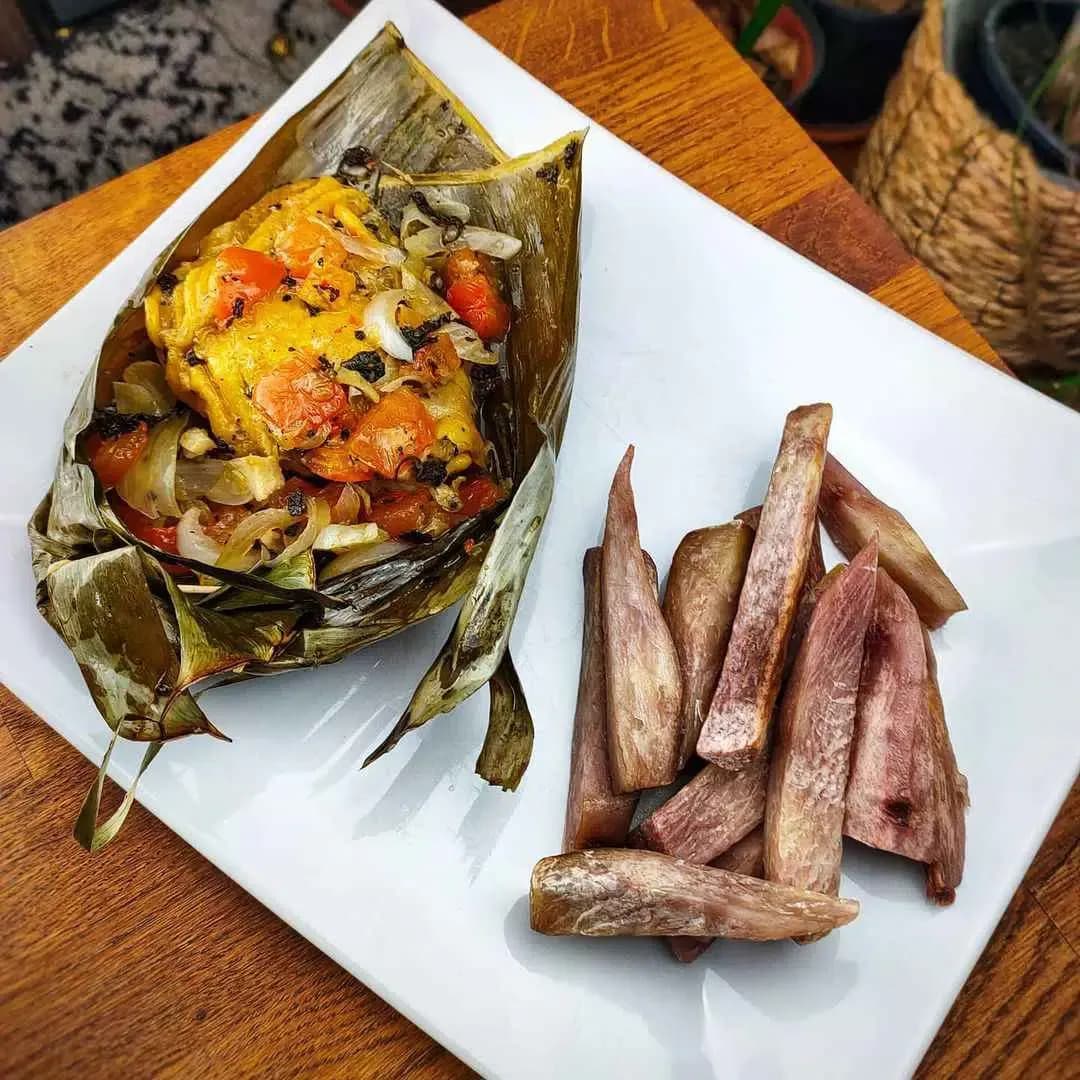
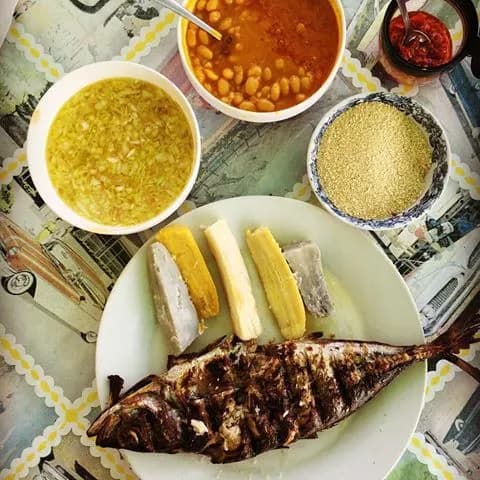
Mufete is a plate from Luanda, and more precisely from Ilha de Luanda, the sandbar that curves off the Angolan capital. It is grilled fish with an onion salsa, set alongside beans in palm oil, plantain, sweet potato and cassava, and it is assembled on a shared platter rather than plated per person.
It is weekend food. Angolans eat mufete at lunch or at a late brunch, and the scale of it is the point: the full version, with the beans and all three starches, is understood to require the rest of the day to sit with. There is a lighter version, fish and onion salsa alone, for those who intend to do something afterwards.
Mufete has moved from occasion to routine within living memory. It was served at parties, weddings and celebrations, and it is now eaten regularly, particularly by islanders, in Luanda itself. That shift from ceremonial food to weekend food is the kind of movement that usually goes the other way, and it has kept the dish present in the city rather than preserved in it.
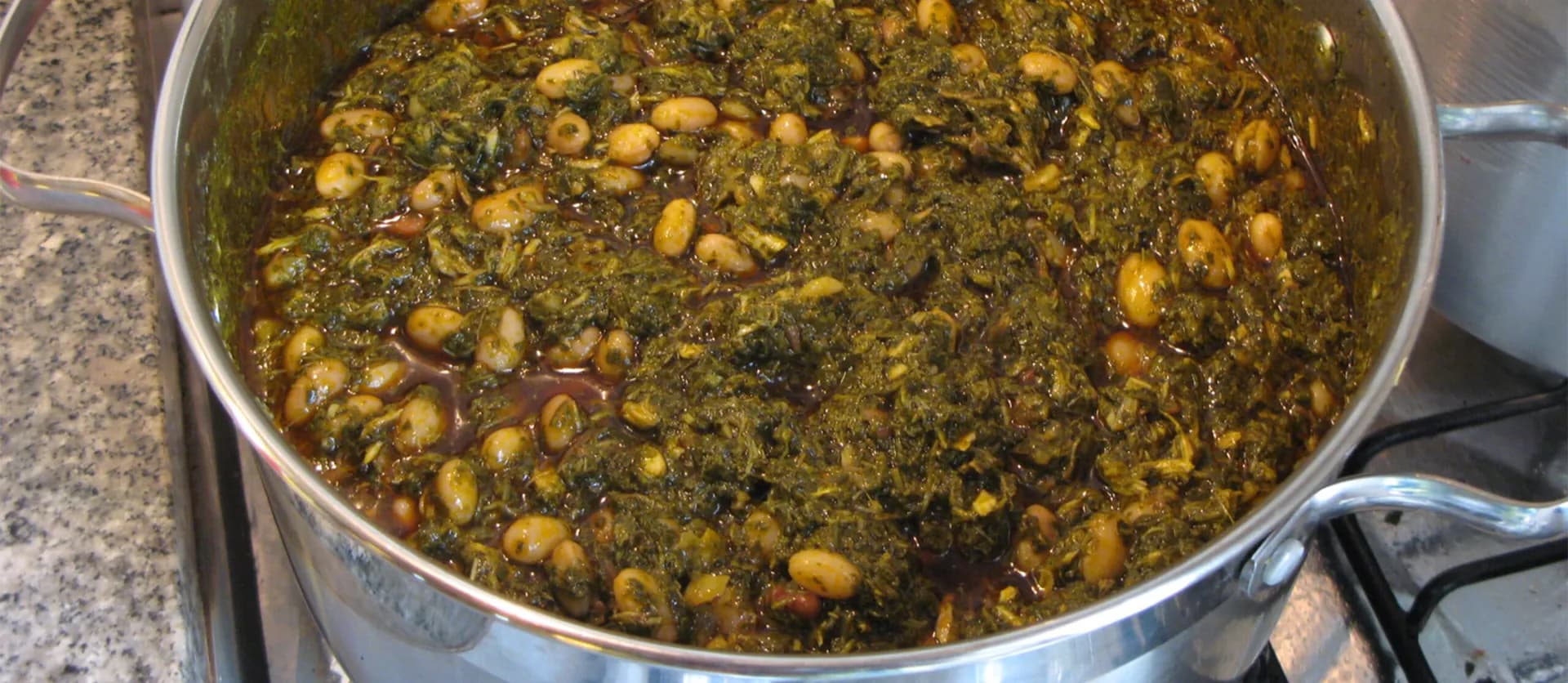
Kizaca, also written kizaka or quizaca, is pounded cassava leaves cooked slowly with groundnuts until the leaves soften and the nuts break down into a thick, savoury sauce around them. It is among the most widely eaten dishes in Angola and one of the few that is vegetarian by default.
Its composition tells a compressed version of Angolan history. Cassava is not indigenous to Angola; it arrived from Brazil, another Portuguese colony, and became so completely established that its leaves are now a national green. Palm oil, groundnuts and slow cooking are the local contribution. Angolan food is often described as Portuguese influence over African ingredients, and kizaca shows the arrangement is more complicated than that: the central ingredient is an import that has been African for centuries.
It is normally eaten as an accompaniment to meat or fish rather than as the centre of a plate, and kizaka com peixe, made with fish, onions and tomato, is the most common form in Angola. Rice or chikuanga goes alongside. Angolan cooks make it in advance deliberately, because the flavour of cassava leaf and groundnut needs several hours together before it settles.