Nous utilisons des cookies essentiels au fonctionnement du site. Nous aimerions aussi déposer des cookies de mesure d’audience et des cookies publicitaires, uniquement avec votre accord. Vous pouvez choisir séparément pour chacun. Lire notre politique relative aux cookies

Loading
Recettes
Parcourez les archives par pays, par plat et par temps de cuisson.
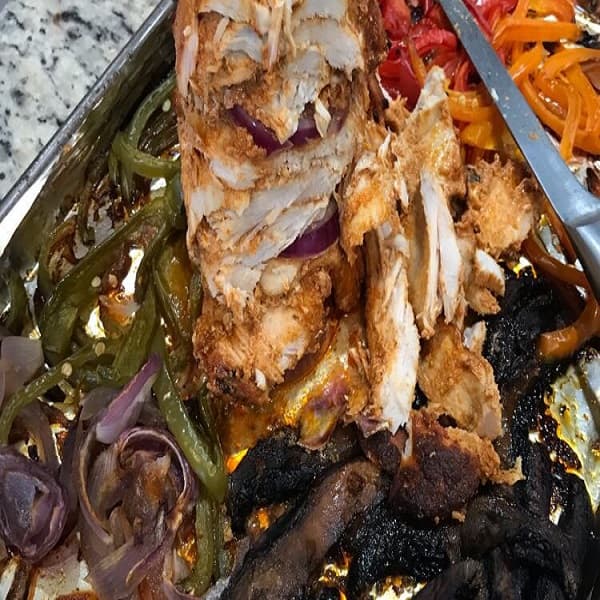
Chicken Shawarma is one of the most popular street foods across North Africa and the Middle East, made from chicken marinated in a bold blend of warm spices, cumin, turmeric, coriander, allspice, cinnamon, and paprika, then cooked until golden and served in flatbread with garlic sauce, pickles, and fresh vegetables. While shawarma is traditionally cooked on a rotating vertical spit, this homemade version uses an oven or grill pan to achieve the same caramelised, spice-crusted exterior. The result is remarkable for its depth of flavour, the marinade creates multiple layers that build on each other, making this far more complex and satisfying than it has any right to be given how simple the preparation is.
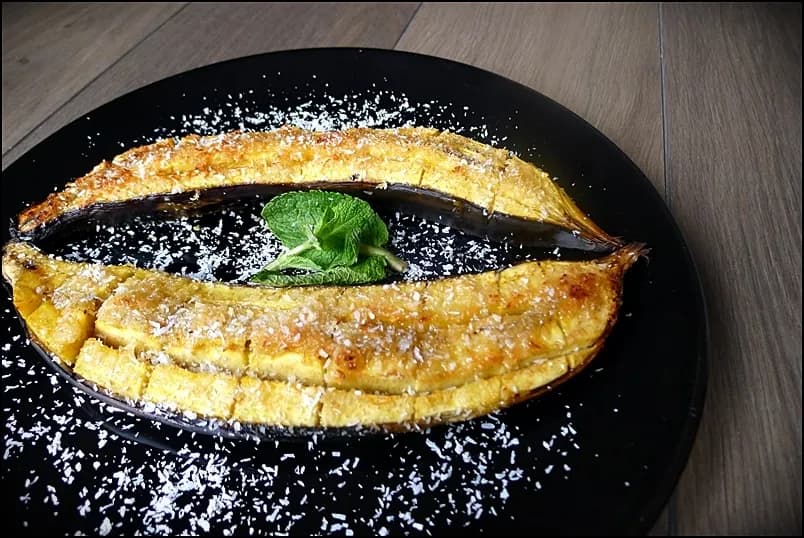
Akwadu is baked banana with coconut, and it belongs to Equatorial Guinea, one of the few Spanish speaking countries in Africa. Bananas are split, dressed with butter, citrus juice and brown sugar, covered in shredded coconut and baked until the sugar caramelises and the coconut toasts.
The combination is coastal Central African: bananas and coconut both grow there in quantity, and the citrus and sugar are the only additions. There is nothing complicated about it, and its appeal is the contrast between the soft, almost jammy fruit and the crisp toasted coconut on top.
Two versions exist and both are given here. Leaving the skins on and splitting the bananas lengthways lets them act as their own dish, holding the juices that collect and can be spooned back over during baking, and this takes about twenty minutes. Slicing peeled bananas into a dish is quicker, around ten minutes, and gives a softer result. Ripe plantain works in place of banana and is firmer, which some people prefer. The honey is added at the end rather than the start, so it does not burn under the grill.
Whole tilapia scored, marinated in an oil-based spice mixture, oven-grilled, then coated in a fresh green pepper base and returned to the heat. The two-stage seasoning is what makes it, and it is a West African approach rather than a simple marinade.
The first stage is a dry-spice oil: vegetable oil with fish seasoning, white and black pepper, ginger, garlic, onion powder and lemon juice, worked into the cuts. The second is a green pepper base built in a food processor from green and red scotch bonnets, bell peppers, spinach, dill, coriander, ginger, garlic and onion, fried briefly in oil and then smeared over the part-cooked fish.
That green base is the interesting part. Blending leafy greens and fresh herbs into a pepper sauce is characteristic of Ghanaian and wider West African fish cookery, and it gives colour and a fresh, sharp finish that a marinade applied only at the start cannot. The scoring is not decorative either: two or three cuts on each side let both stages of seasoning reach the flesh rather than sitting on the skin. Tilapia is native to African fresh waters and is the fish most associated with Ghanaian grilling, usually eaten with banku.
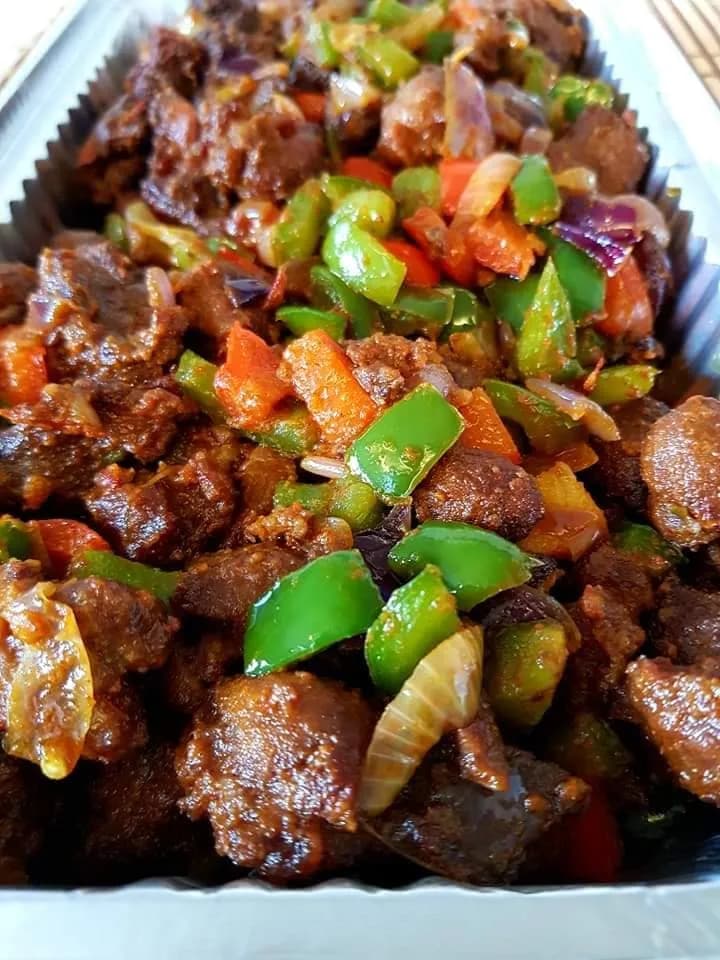
Gizpotato is gizdodo with potato in place of plantain, and the contributor presents it as exactly that: an alternative for people who want the dish without the sweetness. Gizzards, diced Irish potato, carrots, onion and bell peppers are seasoned and combined.
Irish potato is the Nigerian term for the ordinary white potato, used to distinguish it from sweet potato and from yam, both of which are far more central to Nigerian cooking. Its use here is deliberate: potato is neutral where plantain is sweet, so the dish reads as savoury throughout rather than balancing sweet against spicy.
The seasoning departs from Nigerian convention. Worcestershire sauce and bottled chilli sauce are not standard in a dish of this kind, and they place this firmly in contemporary home cooking rather than tradition. Worcestershire also contains anchovy, so it is neither vegetarian nor suitable for anyone avoiding fish, and most brands are not gluten free. The source is very sparse: no quantities at all, and it is filed under dessert and suya recipes in WordPress, neither of which is correct.