Homemade Pilau Masala
4.54.5 out of 5, 4 ratings30 min


Cookies sur African Food Network
Nous utilisons des cookies essentiels au fonctionnement du site. Nous aimerions aussi déposer des cookies de mesure d’audience et des cookies publicitaires, uniquement avec votre accord. Vous pouvez choisir séparément pour chacun. Lire notre politique relative aux cookies

Parcourez les archives par pays, par plat et par temps de cuisson.
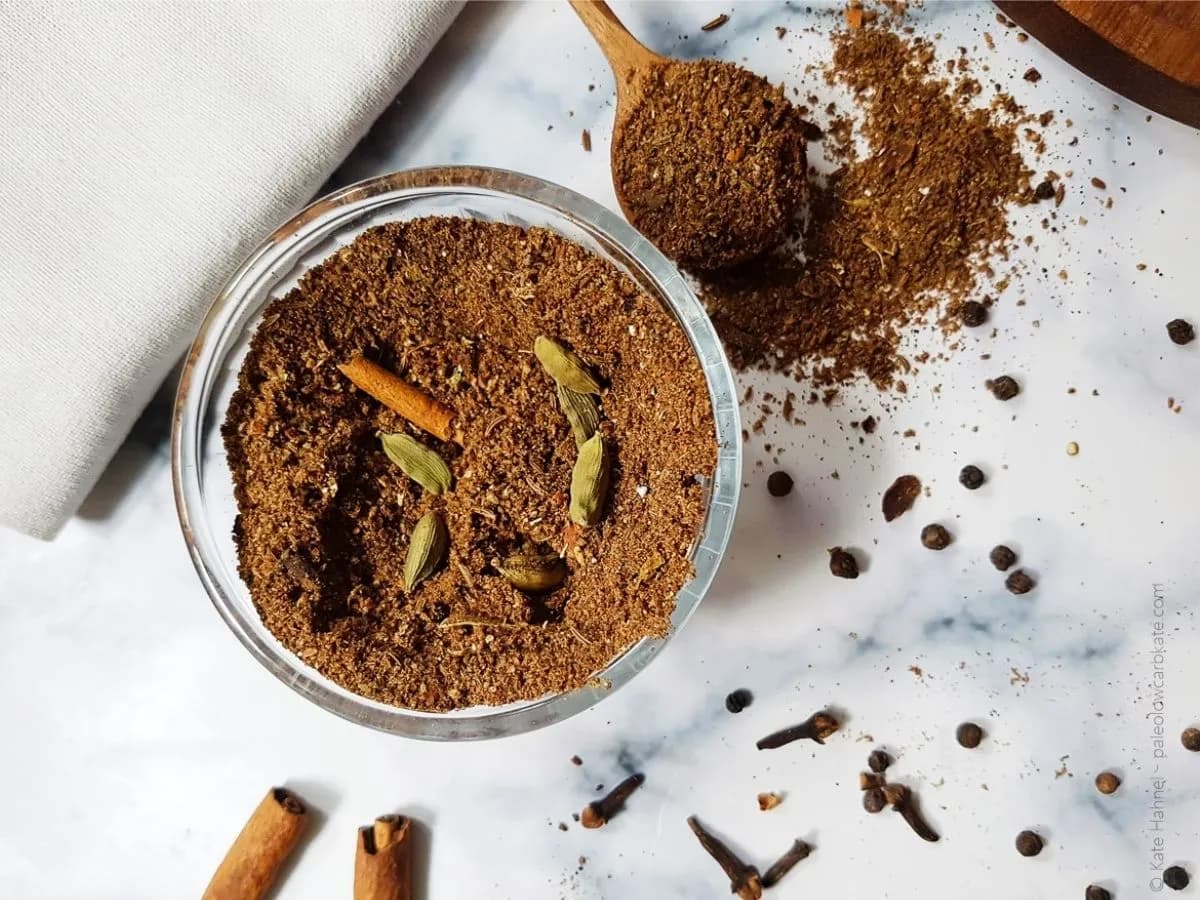
Pilau masala is the spice blend behind pilau, the spiced rice of the East African coast, and it is a short list of whole spices rather than a long one. Cumin, black peppercorns, cardamom, cloves and cinnamon are roasted briefly and ground, and that is the whole thing. The blend belongs to the Swahili coast, where centuries of Indian Ocean trade brought spices from South and Southeast Asia into the cooking of Kenya, Tanzania and Zanzibar. Pilau itself is a relative of the pilaf and pulao found from Persia to India, adapted along the coast into something distinctly East African, and the masala is the point at which that trade history is most visible. Whether to buy it or make it is the practical question. Pre-ground blends are widely sold and perfectly usable, but ground spices lose their volatile oils quickly, and the difference between a jar that has sat on a shelf for a year and spices roasted and ground the same day is not subtle. It requires no grinder: a mortar and pestle does the job, and the roasting step is what makes it worth doing at all, since brief heat opens up the aromatics before they are broken down.
Les mieux notées
30 minEasyKenya
Recette de Debby · Africook
Rien ici pour le moment