Nous utilisons des cookies essentiels au fonctionnement du site. Nous aimerions aussi déposer des cookies de mesure d’audience et des cookies publicitaires, uniquement avec votre accord. Vous pouvez choisir séparément pour chacun. Lire notre politique relative aux cookies

Loading
Recettes
Parcourez les archives par pays, par plat et par temps de cuisson.
Moukhbaza is mashed ripe banana with dried hot chilli, and the combination is the entire point. Sweet and hot together is a pairing Sudanese cooking returns to repeatedly, and moukhbaza is its most concentrated expression: nothing but banana, lemon juice and toasted chilli, with no attempt to soften the contrast between them.
The source places it in eastern Sudan. It is worth being straightforward that closely related dishes under the same name are documented in Yemen, on the other side of the Red Sea, where mukhbaza is a well established banana and chilli preparation. Eastern Sudan faces Yemen directly across that water, and the Red Sea has carried food, people and language in both directions for a very long time. Which side of it the dish began on is not something the available record settles.
Dried chilli is used across Sudanese cooking for range rather than simply for heat, and here it is toasted first, which deepens it and takes the raw edge off. Moukhbaza is served as a side or a relish rather than as a course, spread and eaten with bread, and a presentation version stuffs the mashed banana back into a halved and baked banana pepper.
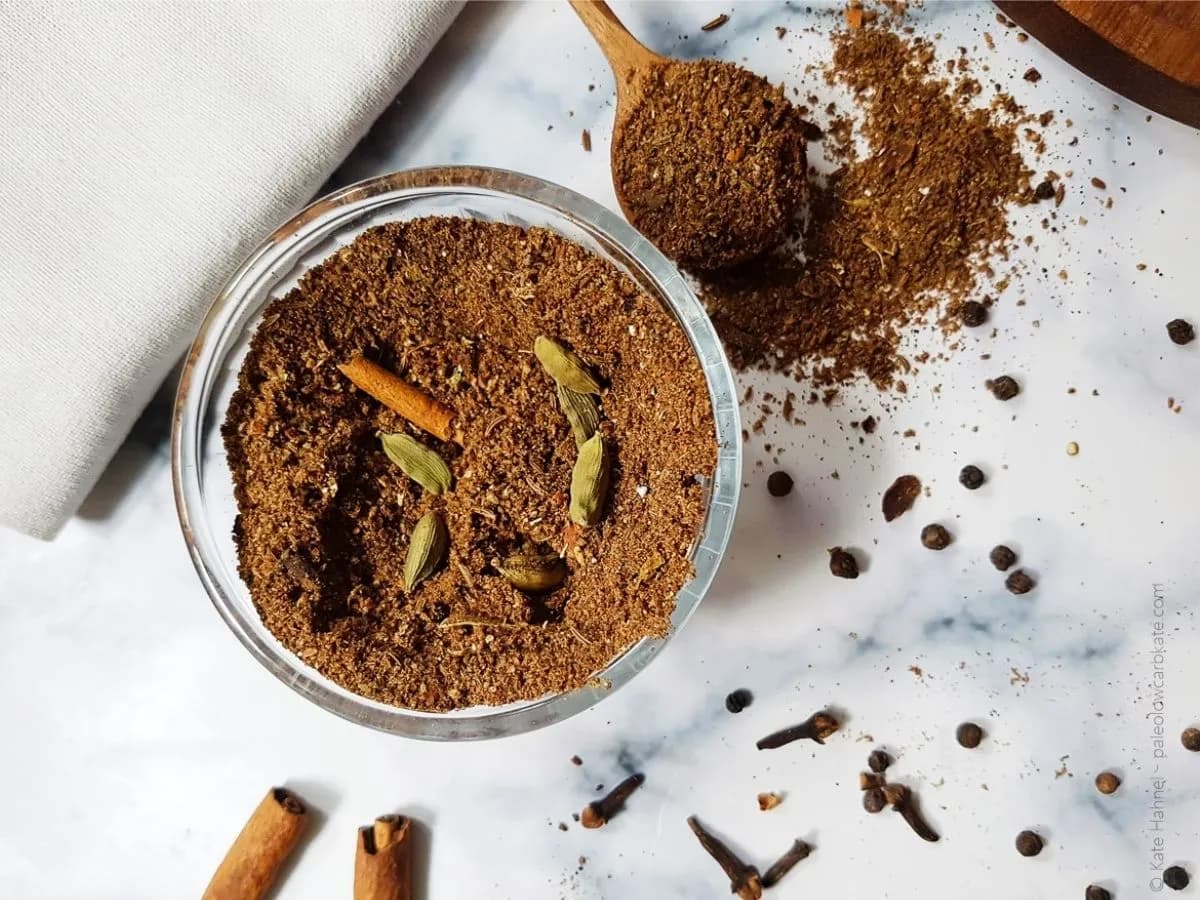
Pilau masala is the spice blend behind pilau, the spiced rice of the East African coast, and it is a short list of whole spices rather than a long one. Cumin, black peppercorns, cardamom, cloves and cinnamon are roasted briefly and ground, and that is the whole thing.
The blend belongs to the Swahili coast, where centuries of Indian Ocean trade brought spices from South and Southeast Asia into the cooking of Kenya, Tanzania and Zanzibar. Pilau itself is a relative of the pilaf and pulao found from Persia to India, adapted along the coast into something distinctly East African, and the masala is the point at which that trade history is most visible.
Whether to buy it or make it is the practical question. Pre-ground blends are widely sold and perfectly usable, but ground spices lose their volatile oils quickly, and the difference between a jar that has sat on a shelf for a year and spices roasted and ground the same day is not subtle. It requires no grinder: a mortar and pestle does the job, and the roasting step is what makes it worth doing at all, since brief heat opens up the aromatics before they are broken down.
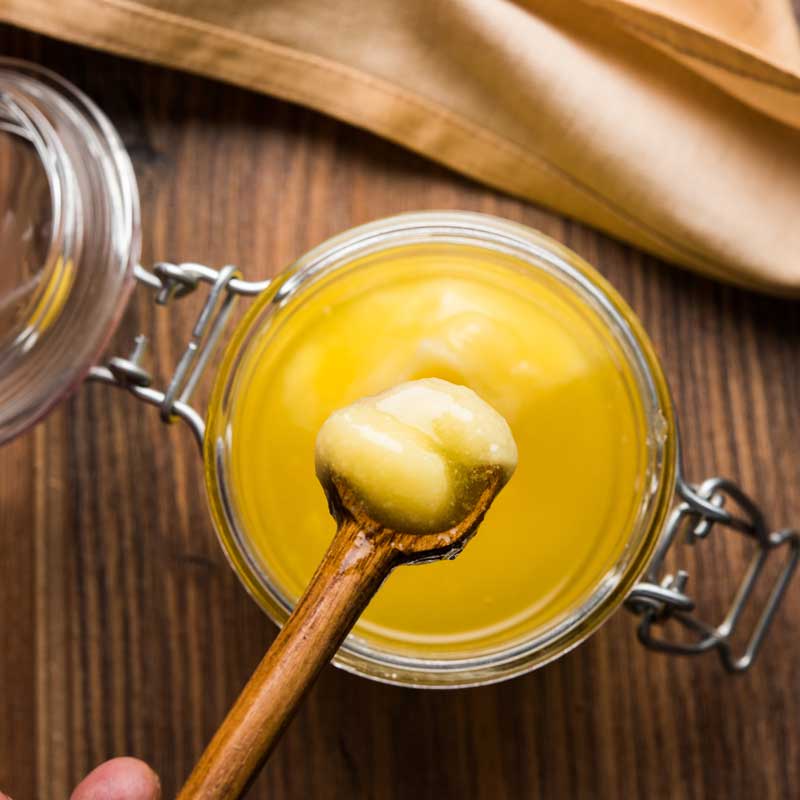
Niter Kibbeh is Ethiopia's foundational cooking fat, clarified butter slowly infused with a complex blend of aromatics including onion, garlic, ginger, turmeric, cardamom, cinnamon, and fenugreek. The result is a golden, fragrant fat that carries layers of warm spice into every dish it touches, and it is used across Ethiopian cooking as both a cooking medium and a finishing sauce. Unlike regular clarified butter, which is neutral in flavour, Niter Kibbeh is a flavour carrier of extraordinary complexity. A single spoonful transforms a dish. It is used to make Doro Wat, Tibs, and countless other Ethiopian preparations, and its production at home rather than purchase is a point of culinary pride in Ethiopian households.
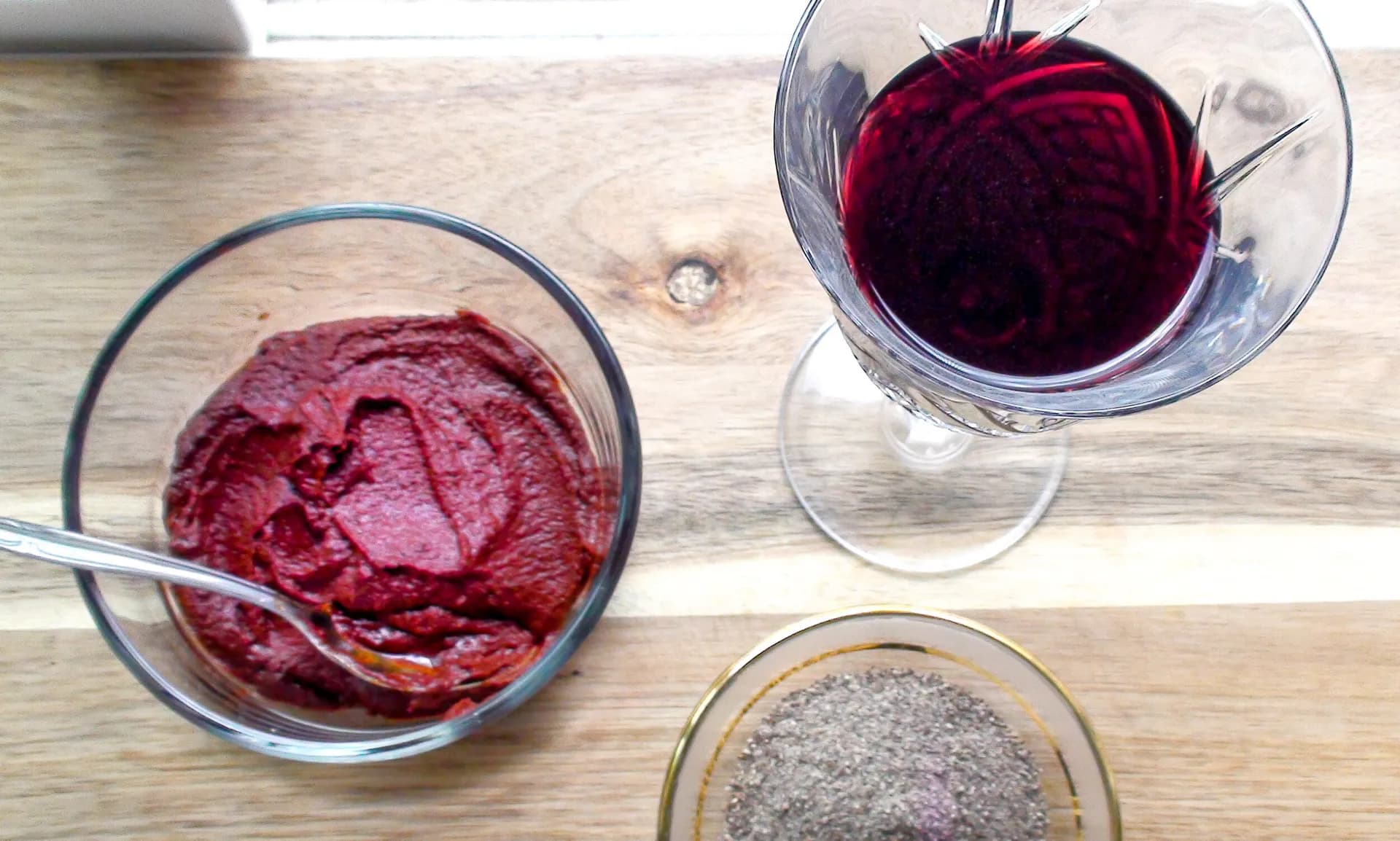
Awaze is the Ethiopian red chilli paste, built on berbere and loosened with an alcoholic liquid into a thick dip. It is extremely hot, it takes five minutes to make, and it goes with almost everything on an Ethiopian table.
Berbere is what it is built on, and berbere is itself a blend: dried chillies, garlic, ginger, onion, rue seeds, cardamom, cloves and cinnamon. Awaze takes that and turns it into something spoonable. The liquid matters more than it sounds. Traditionally it is tej, the Ethiopian honey wine made with gesho, the shiny-leaf buckthorn, or areki, a strong spirit. This recipe uses red wine, which the contributor prefers and which is far easier to find.
Its traditional place is at celebrations. Awaze is made for weddings and special occasions and served with raw meat, and gored gored, cubed raw beef with dipping sauce, is considered by many an unofficial national dish that no Ethiopian celebration is complete without. That is worth knowing about what the dip is for. Because of the wine, this is not alcohol-free, and mitmita, the other Ethiopian chilli blend with pili-pili peppers and cardamom, is a related but different thing.