

Farofa (Toasted Cassava Flour)
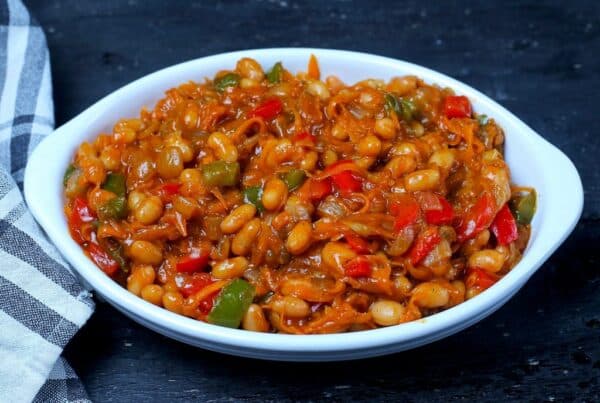
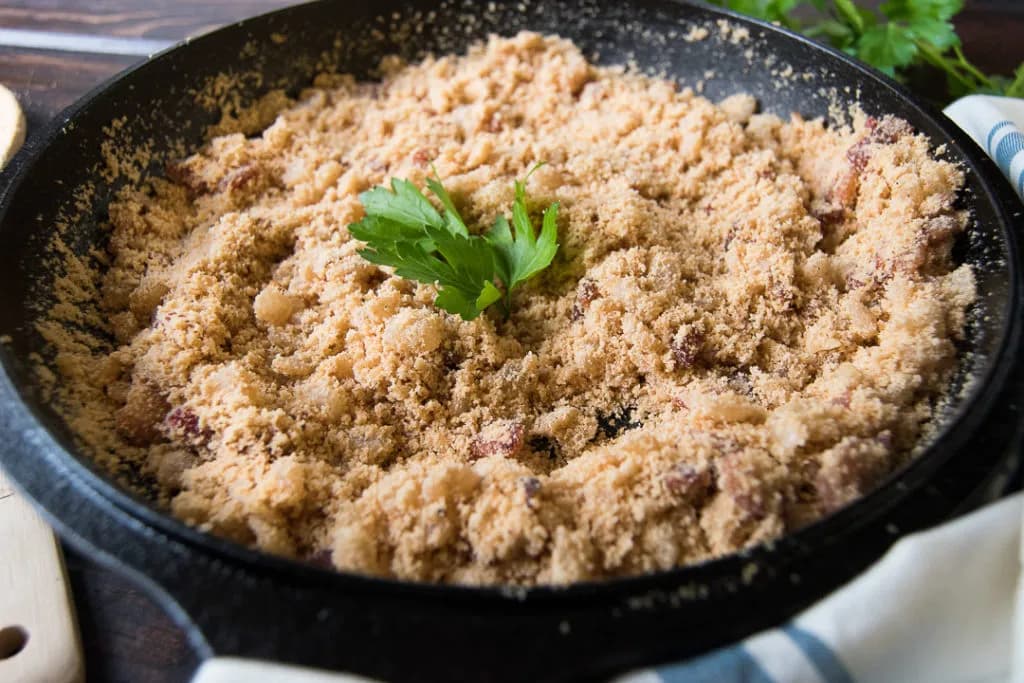
Farofa is cassava flour toasted in fat with onion, garlic and usually bacon, until it turns golden and sandy. It is Brazilian, and it appears on the table at almost every Brazilian meal that involves a stew or grilled meat. Its job is texture. Brazilian cooking produces a great deal of rich, soupy food, feijoada above all, and farofa is scattered over it to absorb the liquid and give a dry, crunchy contrast. Eaten on its own it makes little sense; eaten over a wet dish it makes complete sense, and that is how it is used. The African connection is direct and worth stating. Cassava is South American in origin, but the technique of toasting cassava meal into a dry accompaniment moved across the Atlantic in both directions with the transatlantic slave trade, and farofa's closest relatives are West African. Garri, the fermented and toasted cassava granules eaten across Nigeria, Ghana and Benin, is made by essentially the same process. Brazilian cooking, and Bahian cooking in particular, carries an enormous amount of West African influence, and farofa sits squarely in that history, which is precisely why it belongs in a Worldwide collection on an African food site rather than being simply foreign. The method is short and the one instruction that matters is to keep it moving. Cassava flour burns quickly and unevenly.
15 minNympha